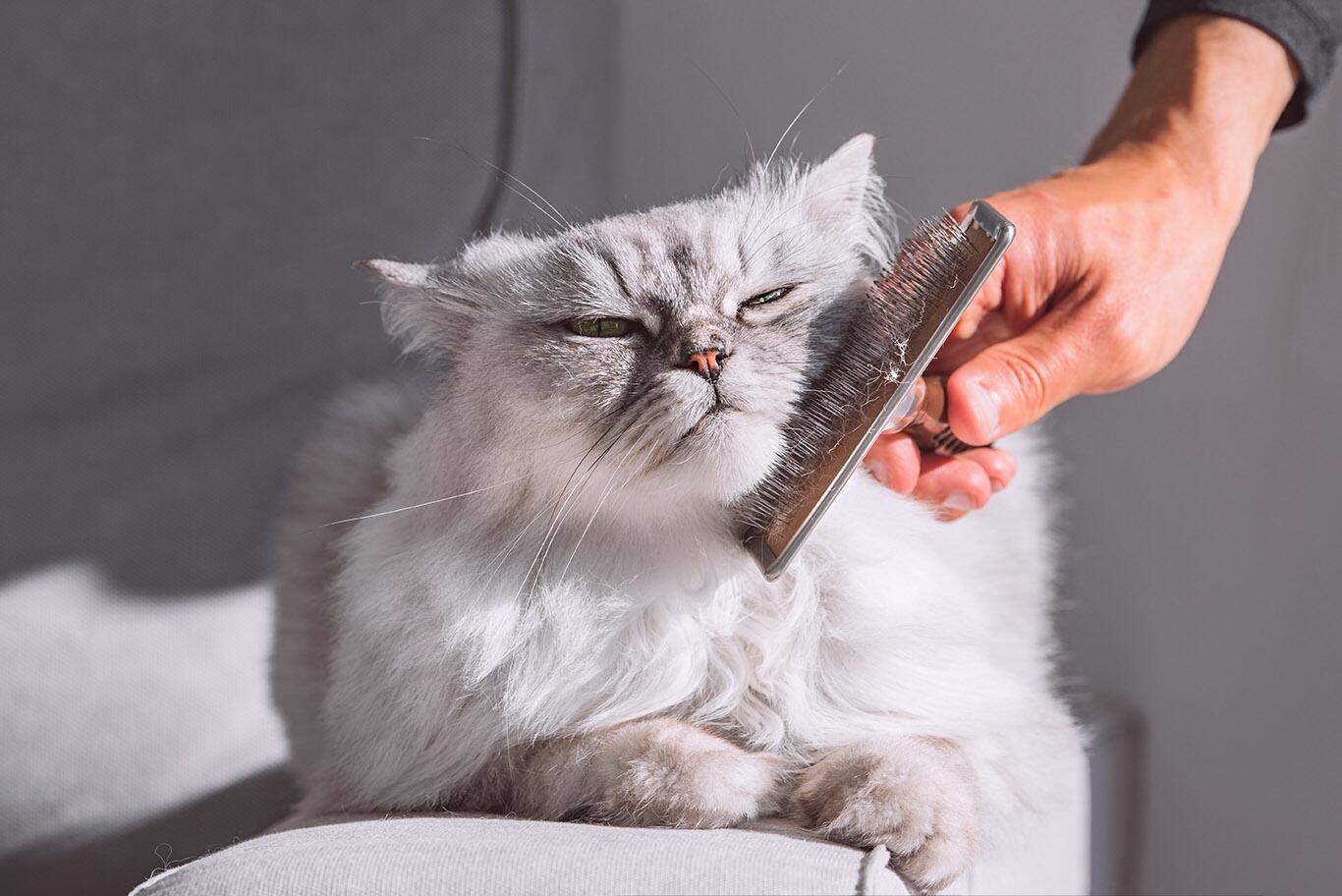
How often should you have your cat groomed? If you’ve ever wondered about the right grooming schedule for your furry friend, you’re not alone.
Grooming isn’t just about keeping your cat looking good—it plays a big role in their health and happiness. But too much or too little grooming can cause problems you don’t want to face. You’ll discover simple, clear answers to how often your cat really needs grooming.
By the end, you’ll feel confident in giving your cat the care they deserve, making their life—and yours—much easier. Keep reading to learn the secrets to perfect cat grooming!
)
Credit: www.northroadvet.com.au
Benefits Of Regular Grooming
Regular grooming brings many benefits to your cat’s health and happiness. It helps keep their coat clean and shiny. Grooming also supports their overall well-being. Cats feel more comfortable and relaxed after a good grooming session. It reduces the chances of skin problems and other health issues. Here are some key benefits of regular grooming.
Improved Coat Health
Grooming removes dirt and loose fur from your cat’s coat. It spreads natural oils evenly across their fur. This makes the coat soft and shiny. Grooming helps prevent mats and tangles that can hurt your cat. Healthy fur also protects the skin underneath from damage and infection.
Reduced Shedding
Brushing your cat regularly reduces the amount of loose hair around your home. It stops excess shedding by removing dead fur before it falls out. This keeps your furniture and clothes cleaner. It also lowers the risk of hairballs, which can cause digestive problems.
Early Detection Of Health Issues
Regular grooming sessions give you a chance to check your cat’s body closely. You can spot lumps, bumps, or skin irritations early. It helps catch fleas, ticks, or infections before they worsen. Early detection makes treatment easier and more effective. It keeps your cat healthier for longer.
Factors Influencing Grooming Frequency
How often you should groom your cat depends on several important factors. Each cat is unique, and understanding these factors will help you create a grooming schedule that keeps your feline friend healthy and happy. Let’s look at what influences grooming frequency so you can make the best choices for your pet.
Breed And Coat Type
Different breeds have different grooming needs. Long-haired cats like Persians require more frequent brushing to prevent mats and tangles. Short-haired cats, such as Siamese, usually need less frequent grooming but still benefit from regular brushing to reduce shedding.
Think about your cat’s coat texture and length. Thick, dense fur may trap dirt and debris, making grooming a necessity at least once a week. On the other hand, sleek coats might only need grooming every couple of weeks.
Age And Health Conditions
Older cats or those with health issues often need more attention when it comes to grooming. Arthritis or dental problems can make self-grooming painful or difficult for them. In these cases, you might need to step in more frequently to keep their coat clean and skin healthy.
Have you noticed changes in your cat’s grooming habits as they age? This can be a clear sign to adjust how often you groom them. Regular checks can help catch health problems early.
Lifestyle And Environment
Your cat’s daily activities and surroundings also influence grooming frequency. Outdoor cats get dirtier and may need more regular baths or brushing. Indoor cats, while generally cleaner, can still accumulate dust and hairballs that require consistent grooming.
Consider if your cat spends a lot of time under the sun, in dusty areas, or around other animals. These factors can increase the need for grooming. How often do you notice your cat getting dirty or shedding excessively?
Recommended Grooming Schedules
Setting a grooming schedule is key to keeping your cat healthy and happy. Each cat has unique needs based on its coat type and age. Following the right routine helps prevent mats, reduces shedding, and keeps skin healthy.
Grooming also strengthens the bond between you and your pet. Regular care makes your cat comfortable with being handled. It also helps spot any health issues early.
Short-haired Cats
Short-haired cats need grooming less often than long-haired breeds. Brushing once a week usually works well. This removes loose hair and reduces shedding around the home.
Bathing is rarely needed unless your cat gets very dirty. Nail trims and ear checks should happen monthly. Regular grooming keeps their coat shiny and skin clean.
Long-haired Cats
Long-haired cats require more frequent grooming to avoid tangles and mats. Daily brushing is best to keep their fur smooth. Use a wide-tooth comb to gently detangle knots.
Bathing every few months can help manage oil and dirt buildup. Check their ears and eyes weekly. Regular grooming reduces hairballs and keeps your cat comfortable.
Senior Cats
Older cats may need gentler and more frequent grooming sessions. Brushing two to three times a week helps with thinner, fragile coats. It also boosts circulation and skin health.
Senior cats might have trouble grooming themselves fully. Keep an eye on any mats or dry skin. Regular nail trims and dental checks are important too.
Diy Grooming Tips
Cats with short fur need grooming every few weeks to stay clean and healthy. Long-haired cats require brushing daily to prevent mats and tangles. Pay attention to your cat’s behavior to adjust grooming frequency as needed.
Grooming your cat at home can be a rewarding experience for both you and your feline friend. It strengthens your bond and ensures your cat stays healthy and comfortable. However, knowing the right techniques and frequency for grooming can make all the difference. Let’s dive into some practical DIY grooming tips to make the process smoother and more enjoyable.Brushing Techniques
Brushing your cat regularly helps prevent matting and reduces shedding. Use a brush that suits your cat’s fur type—short-haired cats benefit from a soft bristle brush, while long-haired cats require a slicker brush. Begin by gently brushing in the direction of the fur growth, paying extra attention to areas like the underbelly and behind the ears. If your cat seems anxious, start with short sessions and gradually increase the time. You might be surprised how much your cat enjoys this bonding time. Have you ever noticed how much happier your cat seems after a good brushing?Bathing Guidelines
Bathing a cat can feel like a daunting task, but it’s sometimes necessary, especially if they’ve gotten into something sticky or dirty. Always use a cat-specific shampoo to protect their skin. Fill the tub with just a few inches of lukewarm water and gently wet your cat’s fur. Use a calm voice and offer treats to help keep them relaxed. Rinse thoroughly to ensure no shampoo residue is left. Have you tried bath time with your cat yet, or does the thought make you nervous?Nail Trimming And Ear Cleaning
Keeping your cat’s nails trimmed prevents them from getting snagged or growing into their paw pads. Use cat-specific nail clippers and trim just the tip of the nail, avoiding the quick, which is the pink area. If you’re unsure, ask your vet to show you how it’s done. Ear cleaning is equally important. Use a vet-recommended ear cleaner and a cotton ball to gently clean the outer ear. Regular checks can prevent infections. Have you made nail trimming and ear cleaning part of your grooming routine? If not, why not start today? Grooming your cat at home doesn’t have to be stressful. With the right tools and techniques, it can be a pleasant experience that both you and your cat look forward to.When To Visit A Professional Groomer
Knowing when to take your cat to a professional groomer can save you from stressful grooming sessions and ensure your feline friend stays healthy and comfortable. Some grooming needs go beyond what you can handle at home, especially with cats that have thick coats or special health issues. Recognizing the right time to seek expert help is essential for your cat’s well-being.
Signs Your Cat Needs Expert Care
If your cat’s fur is matted or tangled beyond what you can gently brush out, it’s a clear sign to visit a professional. Persistent bad odor, excessive shedding, or noticeable skin irritations can also mean your cat needs a groomer’s attention.
Watch for behavioral changes during grooming attempts, such as increased aggression or anxiety. These signs might mean your cat is uncomfortable and needs a calm, skilled professional to handle the process safely.
Choosing The Right Groomer
Finding a groomer who understands cats is crucial. Ask for recommendations from your vet or local pet community to find someone experienced with feline grooming.
Visit the grooming salon beforehand to check cleanliness and how staff handle animals. Look for groomers who ask about your cat’s health and preferences—this shows they care about personalized care.
Preparing Your Cat For Grooming Sessions
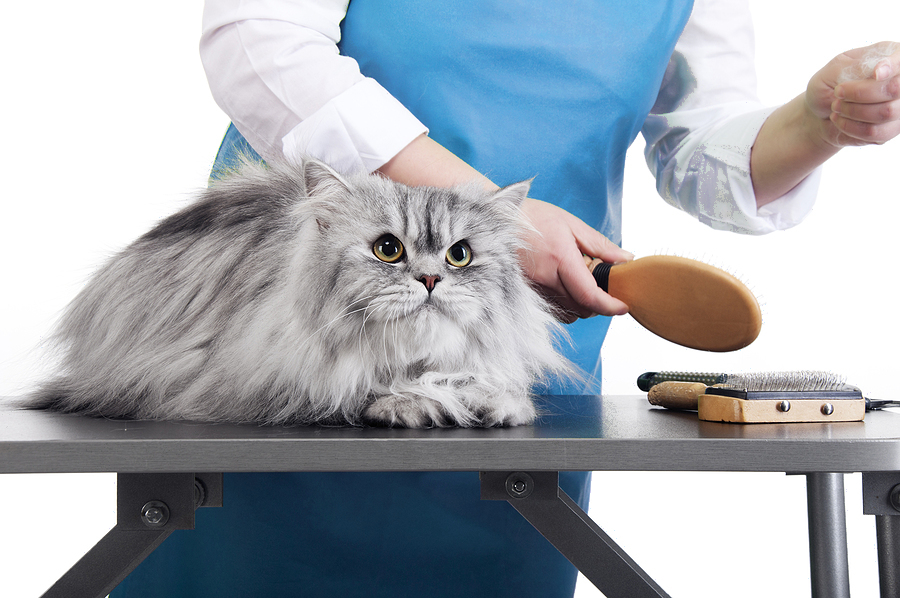
Start by gently brushing your cat regularly at home to get them used to being handled. Offer treats and praise to create a positive association with grooming.
Before the appointment, keep your cat calm and avoid feeding a large meal right before the session. Bring familiar toys or a blanket to comfort your cat during the visit.
Credit: tipptotail.com
Common Grooming Challenges
Grooming your cat can be a rewarding experience, but it often comes with its own set of challenges. Understanding these common obstacles can help you plan better and keep your feline friend comfortable throughout the process. Let’s look at some issues that many cat owners face and how you can handle them effectively.
Handling Aggressive Or Anxious Cats
Many cats resist grooming because they feel threatened or stressed. If your cat gets aggressive or anxious, try to stay calm and use a soft voice. Break grooming into short sessions to avoid overwhelming them.
Use treats or favorite toys as positive reinforcement to create good associations. Sometimes wrapping your cat gently in a towel can prevent scratches while keeping them secure. Have you noticed what triggers your cat’s anxiety? Identifying these moments can help you prepare better.
Dealing With Mats And Tangles
Mats can be painful for cats and difficult for you to remove. Regular brushing helps prevent tangles, but if mats form, use a detangling spray or a mat splitter carefully. Never pull hard on mats; it can hurt your cat and make future grooming harder.
If a mat is too tight, consider seeking professional help. You might find it helpful to gently tease apart small mats daily rather than letting them build up. Do you check your cat’s coat regularly enough to catch mats early?
Managing Shedding During Seasonal Changes
Shedding increases during spring and fall, leaving fur all over your home. Brush your cat more frequently during these times to reduce loose hair. A grooming glove can make this easier and even enjoyable for some cats.
Provide a healthy diet rich in omega fatty acids to support your cat’s skin and coat health. Frequent vacuuming and lint rolling your clothes can help manage fur around the house. How does your cat’s shedding affect your daily routine?
Tools And Products For Grooming
Having the right tools and products for grooming your cat can make a huge difference in how often and how effectively you groom them. It’s not just about keeping your cat clean; proper grooming helps maintain their health and comfort. Choosing the best brushes, shampoos, and accessories tailored to your cat’s coat type can save you time and prevent stress for both you and your feline friend.
Brushes And Combs
Different cats need different brushes. Long-haired cats benefit from slicker brushes that reach through dense fur, while short-haired cats usually do well with bristle brushes that remove loose hair.
Combs with fine and wide teeth help detangle knots and catch fleas. Have you noticed how your cat reacts to grooming? Using a gentle brush that matches their skin sensitivity can make grooming a bonding moment rather than a battle.
Shampoos And Conditioners
Choose shampoos made specifically for cats. Human or dog shampoos can irritate their skin or cause allergic reactions. Look for products labeled “hypoallergenic” or “for sensitive skin” if your cat has allergies.
Conditioners aren’t always necessary but can be great for cats with long or curly fur to reduce mats and add shine. Have you tried a leave-in conditioner for easier brushing afterward? It can turn grooming from a chore into a treat.
Other Essential Accessories
Don’t overlook grooming gloves, nail clippers, and ear cleaning wipes. Gloves can help you remove loose hair while petting your cat, making the experience more natural.
Nail clippers keep claws in check and prevent accidental scratches. Ear wipes gently remove dirt without causing discomfort. What small grooming accessories have made your routine easier and more enjoyable?
Credit: temeculapetsalonandspa.com
Frequently Asked Questions
How Often Should I Groom My Cat At Home?
Groom your cat weekly to remove loose fur and prevent mats. Long-haired cats may need grooming twice a week. Regular grooming helps reduce shedding and hairballs.
When Should I Take My Cat To A Professional Groomer?
Visit a professional groomer every 6 to 8 weeks for thorough grooming. Cats with thick or long fur benefit from expert care. Professional grooming ensures health and hygiene.
Does Grooming Frequency Depend On Cat Breed?
Yes, grooming needs vary by breed. Long-haired breeds require more frequent grooming. Short-haired cats need less frequent sessions, usually monthly or as needed.
Can Grooming Reduce Cat Hairballs?
Regular grooming reduces loose hair ingestion, lowering hairball formation. Brushing removes dead fur before cats swallow it. This helps maintain digestive health.
Conclusion
Regular grooming keeps your cat healthy and happy. Brush short-haired cats once a week. Long-haired cats need brushing several times weekly. Baths are rarely needed unless your cat is very dirty. Trim nails every few weeks to avoid scratches. Check ears and eyes during grooming sessions.
Watch your cat’s comfort and adjust grooming frequency. A well-groomed cat feels better and looks great. Make grooming a calm, gentle routine for your cat. This helps build trust and reduces stress. Keep these tips in mind to care for your cat well.



Leave a Reply