
Are you tired of missing out on the joy of having a cat because of allergies? You’re not alone.
Many cat lovers struggle with sneezing, itchy eyes, and other allergy symptoms that make living with a furry friend difficult. But what if you could find a cat breed that’s easier on your allergies? Imagine enjoying the warmth and companionship of a cat without the constant discomfort.
You’ll discover which cat breeds are best for allergies and how they can fit perfectly into your life. Keep reading to find the perfect match for you and your home.

Credit: www.thepioneerwoman.com
Allergies And Cats
Many people love cats but suffer from allergies. These allergies cause sneezing, itching, and watery eyes. Understanding allergies and cats helps manage symptoms better. Some cat breeds cause fewer allergic reactions. Learning about allergens and how allergies start is key.
Common Cat Allergens
Cat allergens come from proteins found in cats’ skin, saliva, and urine. The main allergen is called Fel d 1. It sticks to cat fur and spreads around the house. When cats groom themselves, saliva with allergens gets on their fur. Allergens then become airborne or settle on surfaces. This triggers allergic reactions in sensitive people.
- Skin flakes (dander)
- Saliva
- Urine
Allergens are very small and light. They can stay in the air for a long time. This makes it hard to avoid exposure completely.
How Allergies Develop
Allergies start when the immune system reacts to harmless proteins. The body sees cat allergens as threats. It produces antibodies called Immunoglobulin E (IgE). These antibodies trigger the release of histamine and other chemicals. Histamine causes allergy symptoms like itching and swelling.
Repeated exposure increases sensitivity. Some people develop allergies after years of living with cats. Others may have symptoms after only brief contact. Genetics also influence allergy development.
Traits Of Hypoallergenic Cats
Understanding the traits of hypoallergenic cats can help you find a feline friend that fits your lifestyle and allergy concerns. These cats often have unique characteristics that reduce common allergens, making living with them more comfortable. Let’s take a closer look at what makes certain cat breeds easier to live with if you have allergies.
Low Shedding Breeds
Shedding directly impacts the amount of allergen spread around your home. Cats that shed less hair tend to release fewer allergenic proteins into the environment.
Breeds like the Siberian and Balinese are known for their minimal shedding. This means less dander floating in the air and sticking to your furniture and clothes.
Have you noticed how some cats leave tufts of fur everywhere while others barely shed? Choosing a low-shedding breed can significantly reduce the allergen load in your home.
Reduced Allergen Production
Allergens mainly come from a protein called Fel d 1, found in cat saliva, skin, and urine. Some breeds naturally produce less of this protein.
The Russian Blue and the Sphynx are examples of cats that tend to produce lower levels of Fel d 1. This doesn’t mean zero allergens, but it can make a big difference for sensitive individuals.
Think about your experience with different cats—did some make your eyes water more than others? Focusing on breeds with reduced allergen production might be the key to enjoying a cat’s company without constant sneezing.
Top Hypoallergenic Cat Breeds
Choosing a cat breed that suits allergy sufferers can make a big difference. Some breeds produce fewer allergens, causing less reaction. These cats often have unique coats or lower levels of proteins that trigger allergies. Knowing about top hypoallergenic cat breeds helps find a pet friend with fewer allergy issues. Here are some popular breeds known for being better for allergy sufferers.
Siberian Cats
Siberian cats have thick, dense fur but produce less Fel d 1 protein. This protein often causes allergies in people. Their natural resistance to allergens makes them a favorite choice. They are friendly, playful, and great for families.
Balinese Cats
Balinese cats are sometimes called “long-haired Siamese.” They produce fewer allergens due to their unique saliva protein. Their fine, silky fur is easy to maintain. These cats love attention and are very social.
Russian Blue Cats
Russian Blue cats have a short, dense double coat. They produce less Fel d 1 allergen than other cats. Their gentle nature and quiet personality make them good companions. They are also low shedding cats.
Bengal Cats
Bengal cats have a short, pelt-like coat that sheds less. This reduces the spread of allergens in the home. They are active and curious, needing lots of playtime. Bengals are beautiful, with a wild appearance.
Sphynx Cats
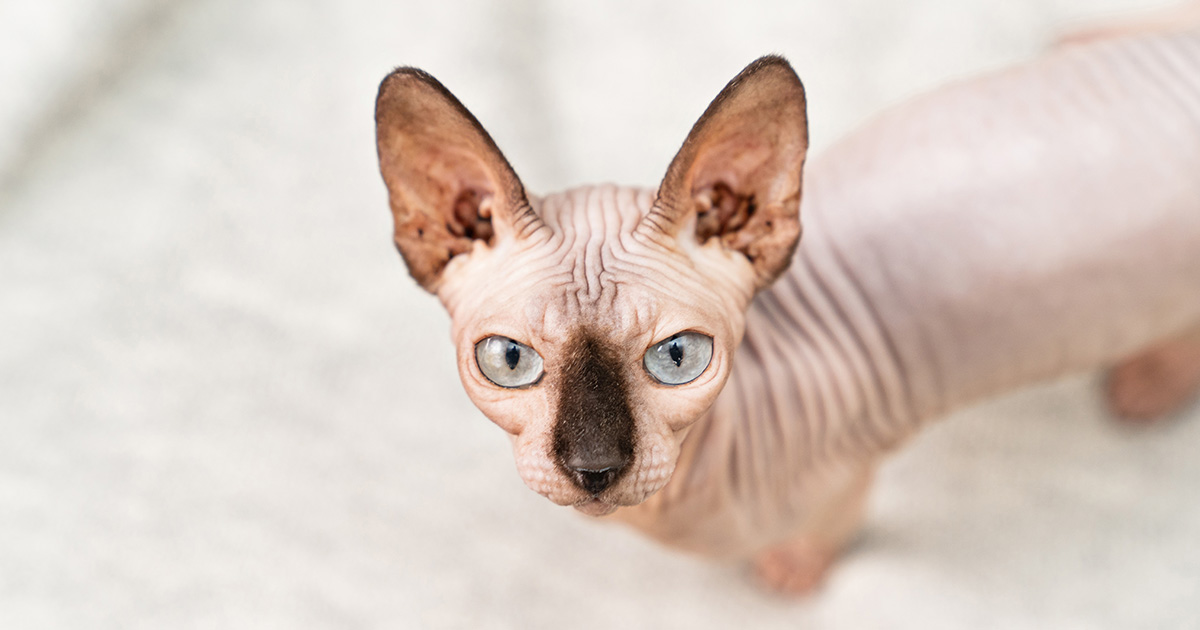
Sphynx cats are hairless, which lowers allergen spread. Their skin needs regular cleaning to remove oils and allergens. They are affectionate and enjoy human company. Their unique look is a plus for some allergy sufferers.
Devon Rex Cats
Devon Rex cats have soft, wavy fur that sheds very little. This limits allergen release in the environment. They are playful, intelligent, and love being near people. Their small size suits apartment living well.
Cornish Rex Cats
Cornish Rex cats have short, curly coats that shed minimally. They produce fewer allergens than most cats. Their energetic and friendly nature makes them great pets. These cats enjoy interactive play and bonding.
Credit: www.diamondpet.com
Caring For Allergy-friendly Cats
Certain cat breeds produce fewer allergens, making them better for allergy sufferers. Breeds like the Siberian, Balinese, and Sphynx are known for being more allergy-friendly. Choosing these cats can help reduce allergic reactions while enjoying a feline companion.
Caring for a cat when you have allergies can be a challenge, but it’s not impossible. Allergy-friendly cats, often referred to as hypoallergenic, require special attention to ensure both you and your feline friend live comfortably. By focusing on grooming, home cleanliness, and managing allergic reactions, you can enjoy a happy life with your pet without the constant sneezing and itching.Grooming Tips
Regular grooming can significantly reduce the allergens your cat spreads. Aim to brush your cat at least once a week. This helps to remove loose fur and dander, which are common allergens. Consider using a damp cloth to wipe down your cat’s coat. This can help trap and remove allergens from their fur. If you’re not comfortable grooming your cat, professional groomers offer services specifically for allergy-friendly maintenance.Home Cleaning Strategies
Keeping your home clean is crucial in managing allergies. Use a vacuum cleaner with a HEPA filter to trap allergens effectively. Make it a routine to vacuum carpets, furniture, and curtains weekly. Wash your cat’s bedding regularly. This prevents the buildup of allergens in areas where your cat frequently rests. You might also consider using air purifiers to clean the air of dander and dust.Managing Allergic Reactions
Even with precautions, allergic reactions can still occur. Over-the-counter antihistamines can be helpful. Consult with a healthcare professional to find the best options for your situation. Keep allergy medication handy, especially during high pollen seasons. If symptoms persist, consider consulting an allergist for personalized advice. Have you ever noticed how your allergies differ seasonally? Tracking these changes can provide insights into better managing your reactions. By taking these steps, you not only care for your allergy-friendly cat but also create a harmonious living environment for yourself.Choosing The Right Cat For Allergies
Choosing the right cat when you have allergies is more than just picking a breed known to be “hypoallergenic.” Your unique immune response plays a huge role in how you’ll react to a cat. The key is to find a balance between your lifestyle, allergy sensitivity, and the cat’s characteristics.
Testing Allergy Responses
Before bringing a cat home, spend time with different breeds to see how your body reacts. Visit shelters or friends with cats to observe any sneezing, itching, or breathing difficulties.
Consider allergy testing through a healthcare professional. Skin prick or blood tests can help identify specific allergens that trigger your symptoms. This step can guide you toward breeds that might be easier for you to live with.
Remember, even breeds labeled hypoallergenic can cause reactions. Personal exposure and time spent with the cat are the best tests. Have you noticed differences in your reactions to various cats in the past?
Adoption Considerations
When adopting, focus on cats that fit your allergy tolerance rather than just breed names. Some mixed-breed cats shed less or produce fewer allergens, making them suitable for sensitive individuals.
Ask shelters about the cat’s history and behavior. Cats with less grooming or shedding might reduce allergen spread in your home. Also, think about the cat’s personality and energy level to ensure a good match for your daily life.
Setting up your home to minimize allergens is crucial too. Use HEPA air filters, clean regularly, and create cat-free zones to reduce exposure. What environment changes could you make to live comfortably with your new feline friend?

Credit: www.thepioneerwoman.com
Frequently Asked Questions
Which Cat Breeds Are Best For Allergy Sufferers?
Breeds like Siberian, Balinese, and Russian Blue produce fewer allergenic proteins. They are more suitable for allergy sufferers. These cats shed less dander, reducing allergic reactions significantly. However, individual responses may vary.
Do Hypoallergenic Cats Exist For People With Allergies?
No cat breed is completely hypoallergenic. Some breeds produce fewer allergens, which helps reduce symptoms. Regular grooming and cleaning also minimize allergens in your home.
How Do Siberian Cats Help With Allergies?
Siberians produce lower levels of Fel d 1 protein, a main allergen. This makes them better tolerated by many allergy sufferers. They also have a dense coat that traps allergens.
Are Short-haired Cats Better For Allergy Sufferers?
Short-haired cats shed less fur but still produce allergens in saliva and skin. Allergen levels vary by breed, not just hair length. Proper cleaning is essential regardless of coat type.
Conclusion
Choosing the right cat breed can help reduce allergy problems. Some breeds produce fewer allergens than others. Siberians, Balinese, and Sphynx cats are often easier on allergy sufferers. No cat is fully hypoallergenic, but some are better choices. Spending time with a cat before adoption is wise.
This helps see how your body reacts. Clean homes and regular grooming also lower allergy risks. Enjoying a pet should not mean constant sneezing. Find a breed that fits your health and lifestyle needs.



Leave a Reply