
Have you ever wondered if a cat could breed with a dog? It’s a question that sounds strange but sparks a lot of curiosity.
You might have seen funny images or heard wild stories online, making you ask, “Is it really possible? ” If you want clear answers and surprising facts, keep reading. This article will uncover the truth behind this unusual idea and help you understand what nature allows—and what it doesn’t.
Get ready to satisfy your curiosity and learn something truly eye-opening!
Cat And Dog Biology
Cats and dogs are very different animals. Their biology shows why they cannot breed together. These differences appear in their genes, bodies, and behavior. Understanding these helps explain why a cat and dog cannot produce offspring.
Genetic Differences
Cats and dogs have different numbers of chromosomes. Cats have 38 chromosomes, dogs have 78. This difference makes it impossible for their DNA to match up. Genes control traits and reproduction. Without matching genes, fertilization cannot occur.
Reproductive Anatomy
The reproductive organs of cats and dogs are not compatible. Their mating behaviors and cycles differ too. Cats are induced ovulators, meaning they ovulate after mating. Dogs have regular heat cycles. These differences prevent successful mating and pregnancy.
Behavioral Traits
Cats and dogs behave in unique ways during courtship. Dogs often show pack behavior and seek social bonds. Cats are more solitary and selective. Their mating rituals do not align, making crossbreeding impossible.

Credit: www.reddit.com
Common Myths About Crossbreeding
People often get curious about the possibility of a cat breeding with a dog. This curiosity has led to many myths and misunderstandings. Let’s clear up the confusion by looking at the common myths about crossbreeding between these two animals.
Origins Of The Myth
One main reason this myth exists is because both cats and dogs are common household pets. People see them interact daily and sometimes imagine what it would be like if they could mix traits. However, cats and dogs belong to entirely different species, making breeding impossible.
Some old stories and misunderstandings about animal hybrids have fueled this myth. When people saw unusual animals or heard strange tales, they sometimes assumed crossbreeding was the cause. But biology tells a different story.
Viral Stories And Images
You might have come across viral photos or videos claiming to show a cat-dog hybrid. These images often trick viewers with clever editing or unusual-looking pets. Social media spreads these quickly, feeding curiosity and confusion.
It’s important to question what you see online. Have you ever fallen for a viral animal story that turned out to be false? Asking yourself this helps you stay critical of such claims and avoid spreading misinformation.
Cultural Beliefs
In some cultures, myths about animal crossbreeding have deep roots. These stories sometimes carry symbolic meanings or serve as cautionary tales. They reflect how humans try to explain the natural world around them.
Understanding these beliefs can give you insight into why the myth persists. It also shows the power of storytelling in shaping our views on animals and nature. What myths about animals have you heard growing up?
Scientific Facts On Crossbreeding
Scientific facts on crossbreeding explain why some animals can mate and others cannot. Crossbreeding happens when two different species reproduce to create offspring. This process depends on many biological and genetic factors. Understanding these facts helps clarify if a cat and dog can breed.
Species Compatibility
Species compatibility means how closely related two animals are. Animals from the same family have a better chance of crossbreeding. Cats belong to the family Felidae, while dogs belong to Canidae. These families are very different. Their physical and behavioral differences make mating nearly impossible.
Even animals that look similar may not be compatible. The chance of a cat breeding with a dog is almost zero. Their mating behaviors and reproductive systems do not match.
Genetic Barriers
Genetic barriers prevent animals from different species from producing offspring. Chromosome numbers must be similar for successful breeding. Cats have 38 chromosomes, dogs have 78. This large difference stops fertilization.
Genes control the development of embryos. When two species are very different genetically, embryos often fail to develop. This means even if mating happens, no puppies or kittens will be born.
Examples Of Successful Crossbreeding In Animals
Some animals can crossbreed because they are closely related. Examples include:
- Lion and tiger producing ligers or tigons
- Horse and donkey producing mules
- Wolf and dog producing wolfdogs
These pairs share many genetic traits and similar chromosome numbers. This allows them to produce fertile or infertile offspring. Cats and dogs lack this similarity. No scientific evidence shows a cat and dog can crossbreed.

Credit: www.reddit.com
Why Cats And Dogs Cannot Breed
Cats and dogs have different numbers of chromosomes, making breeding impossible. Their bodies and behaviors also don’t match for reproduction. This means a cat has never bred with a dog.
Cats and dogs have been popular pets for centuries. Many wonder if these two can create a hybrid. The short answer is no. Cats and dogs cannot breed. They are too different in many ways. Let’s explore why this is the case.Chromosome Differences
Cats and dogs have different chromosomes. Chromosomes carry genes. Dogs have 78 chromosomes. Cats have 38 chromosomes. This difference makes breeding impossible. Genes must match for reproduction. Different chromosome numbers prevent this. It’s like trying to fit a square peg in a round hole. Not possible.Mating Behavior
Cats and dogs have different mating behaviors. Cats are solitary animals. They prefer privacy. Dogs, on the other hand, are social. They seek companionship. This difference affects mating habits. Cats and dogs have different instincts. They do not recognize each other as potential mates. This makes breeding unlikely.Fertilization Process
The fertilization process is complex. It requires compatibility. Cat and dog eggs and sperm are incompatible. They cannot join to form an embryo. Even if mating occurred, fertilization would fail. The biological processes do not align. This ensures that cats and dogs remain separate species.Impact Of Misconceptions
Misconceptions about cats breeding with dogs cause many problems. These false beliefs confuse pet owners and affect how they care for their animals. Myths spread quickly and lead to misunderstanding animal behavior and biology. This section explores how these misconceptions impact pet care, animal welfare, and the importance of spreading accurate information.
Effects On Pet Care
Believing cats and dogs can breed may cause improper care. Owners might expect mixed traits or behaviors that do not exist. This leads to unrealistic expectations and frustration. Pet diets, exercise, and medical needs differ greatly between cats and dogs. Treating them the same harms their health. Proper care depends on knowing the true nature of each species.
Influence On Animal Welfare
False ideas about breeding can harm animal welfare. Some people may try unsafe breeding practices. This puts animals at risk of injury or illness. It also wastes resources on impossible outcomes. Stress and confusion increase for both pets and owners. Respecting natural animal biology helps keep pets safe and healthy.
Spreading Accurate Information
Sharing clear facts reduces confusion and fear. Educating pet owners helps them make better choices. Reliable information guides proper pet care and treatment. It also supports animal welfare organizations in their work. Simple truths about cats and dogs prevent myths from growing. Everyone benefits from understanding how these animals truly live and grow.
Scientific Advances In Genetics
Scientific advances in genetics have opened new paths in biology. These breakthroughs allow scientists to explore DNA in ways never done before. Such progress raises questions about cross-species breeding, like between cats and dogs. Understanding genetics helps clarify what is possible and what remains in the realm of fiction.
Gene Editing Potential
Gene editing tools like CRISPR allow precise changes in DNA. Scientists can remove, add, or change specific genes easily. This tool could theoretically alter traits in animals. It might help create new hybrids or modify existing species. Yet, editing genes across very different species is complex. Success depends on how closely related the animals are.
Future Of Cross-species Hybrids
Creating hybrids between very different animals is still highly unlikely. Cats and dogs have too many genetic differences. Their chromosomes and reproductive systems do not match well. Scientists focus more on hybrids between closely related species. Examples include mules from horses and donkeys. Future research may expand possibilities, but challenges remain large.
Ethical Considerations
Ethics play a huge role in genetic experiments. Altering animals must consider their welfare and natural behavior. Cross-species hybrids raise questions about identity and suffering. Many worry about unintended health problems in such hybrids. Laws and guidelines help protect animals from harm. Public opinion also shapes what research is acceptable.
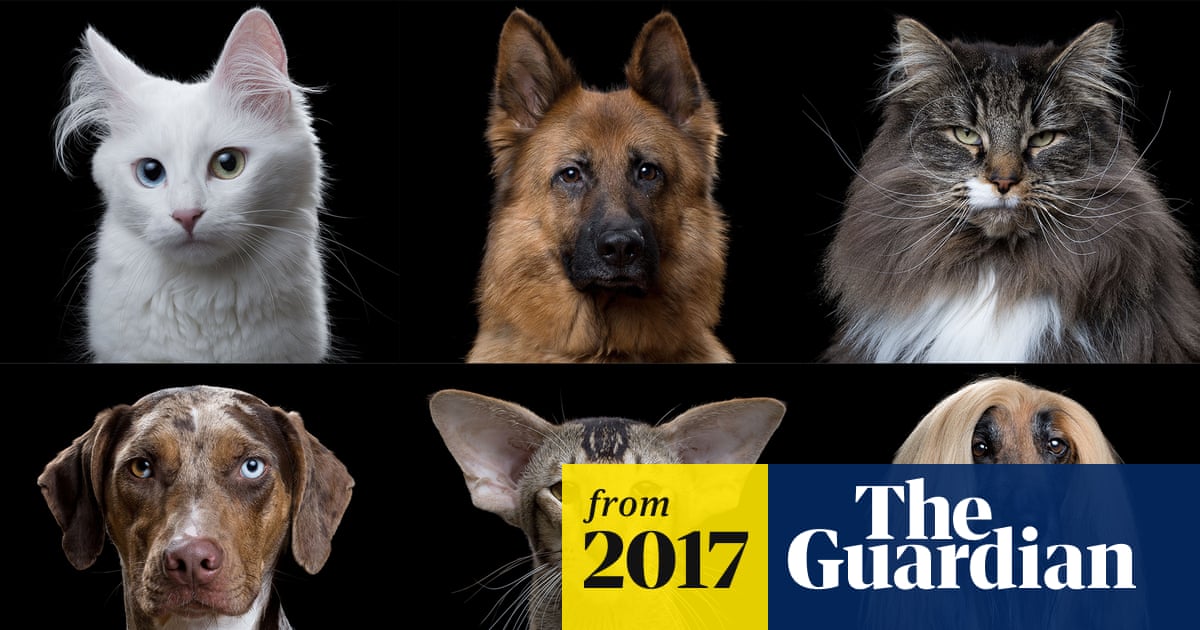
Credit: www.theguardian.com
Frequently Asked Questions
Can Cats And Dogs Breed Together Naturally?
No, cats and dogs cannot breed naturally. They belong to different species with incompatible genetics. Successful breeding between them is biologically impossible.
Is There Any Scientific Proof Of Cat-dog Hybrids?
No scientific evidence supports the existence of cat-dog hybrids. Genetic differences prevent crossbreeding and producing viable offspring.
Why Can’t Cats And Dogs Produce Offspring?
Cats and dogs have different chromosome numbers and reproductive systems. This genetic mismatch stops them from producing offspring together.
Are There Any Myths About Cat-dog Crossbreeding?
Yes, many myths exist, but they lack scientific backing. Crossbreeding between cats and dogs remains a biological impossibility.
Conclusion
Cats and dogs are very different animals. They cannot breed or have babies together. Their bodies and genes do not match. Stories about cat-dog hybrids are just myths or jokes. Both pets can live happily together with care. Understanding their differences helps us care for them better.
Enjoy your pets as they are, unique and special.



Leave a Reply