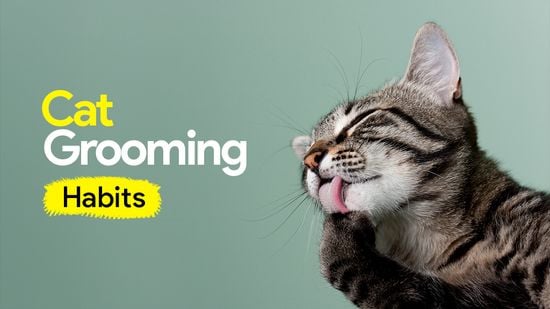
Have you ever watched your cat carefully cleaning its fur and wondered, “How long do cats groom themselves each day?” It’s a fascinating habit that keeps them looking sleek and feeling comfortable. But did you know that grooming is more than just a beauty routine for your feline friend?
Understanding how much time your cat spends grooming can reveal a lot about its health and happiness. Keep reading to discover surprising facts about your cat’s grooming habits and what they really mean for your furry companion.
Credit: pethelpful.com
Daily Grooming Time
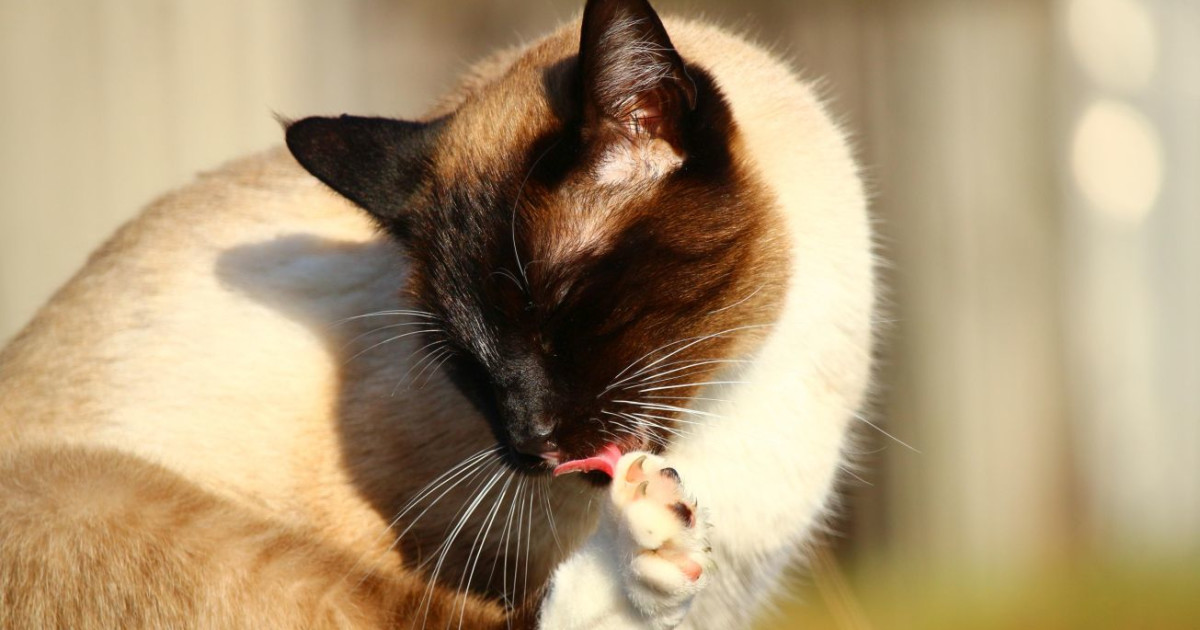
Cats spend a good part of their day grooming themselves. This daily routine keeps their fur clean and healthy. Grooming also helps cats relax and reduce stress. Understanding how long cats groom can tell us a lot about their health and mood.
Average Grooming Duration
Cats usually groom themselves between 30 and 50 minutes each day. Some cats may groom for as little as 15 minutes. Others might spend over an hour grooming. Most cats break this time into several short sessions throughout the day. Grooming covers cleaning fur, licking paws, and wiping their face.
Factors Affecting Grooming Time
- Age:Older cats may groom less than younger ones.
- Health:Sick or injured cats often reduce grooming time.
- Breed:Long-haired cats need more grooming than short-haired breeds.
- Environment:Outdoor cats may groom more to remove dirt.
- Mood:Stressed or anxious cats might groom excessively or very little.
Reasons Cats Groom
Cats spend a surprising amount of time grooming themselves each day, but have you ever wondered why they do it so often? Grooming is more than just keeping their fur tidy—it serves several important purposes that affect their health and well-being. Understanding these reasons helps you appreciate your cat’s behavior and support their needs better.
Hygiene And Cleanliness
Grooming keeps a cat’s coat clean by removing dirt, loose fur, and parasites like fleas. You might notice your cat licking areas that seem clean to you, but they are actually preventing potential skin problems. This regular self-cleaning reduces the chances of infections and helps maintain a shiny, healthy coat.
Have you observed how your cat’s tongue feels rough? That texture acts like a natural brush, making grooming highly effective. It’s a built-in tool to keep their fur in top condition without any extra effort.
Temperature Regulation
Cats use grooming to control their body temperature, especially in warmer weather. When they lick their fur, the saliva evaporates, which cools them down—similar to how sweating works in humans. This natural cooling method helps cats stay comfortable without panting or losing too much moisture.
On chilly days, grooming also fluffs up their fur, creating insulation to retain heat. Have you noticed your cat grooming more after coming inside from the cold? That’s their way of adjusting to temperature changes efficiently.
Stress Relief
Grooming is a calming activity that helps cats manage stress and anxiety. When your cat feels nervous or unsettled, licking themselves can lower their heart rate and produce a soothing effect. You might see your cat groom intensely after a loud noise or a visit to the vet—this is their natural coping mechanism.
If your cat suddenly grooms excessively, consider if something is bothering them. Grooming can be a sign they need extra comfort or a change in their environment. Have you noticed how your cat’s grooming habits shift with their mood?
Breed And Age Influence
The time your cat spends grooming is not just a random habit; it varies widely depending on their breed and age. Understanding these influences helps you know what’s normal and when you might need to step in. It also explains why some cats seem almost obsessed with cleanliness while others keep it casual.
Grooming Habits By Breed
Different breeds have different grooming needs. Long-haired cats like Persians can spend up to 50% of their waking hours grooming to keep their coats free of mats and tangles. Short-haired breeds such as the American Shorthair usually spend less time grooming since their fur requires less maintenance.
Some breeds, like the Sphynx, have almost no fur but still groom to clean oils off their skin, which might surprise you. If you notice your short-haired cat grooming excessively, it could be a sign of stress or skin issues, since their natural grooming time is usually shorter.
Changes In Grooming With Age
Kittens often groom less because they’re still learning this essential skill. As they grow, their grooming time usually increases and peaks in adulthood. Older cats, however, may groom less due to arthritis, dental problems, or decreased flexibility.
If you have a senior cat, watch for signs of neglected grooming like matted fur or dirty ears. These could indicate health issues or discomfort. Have you noticed your older cat grooming less or more than usual? It might be time for a vet checkup to rule out any problems.

Credit: pennypaws.com
Grooming And Health
Cats spend about 30-50% of their day grooming themselves. This helps keep their fur clean and skin healthy. Grooming also reduces stress and removes loose hair.
Cats are known for their meticulous grooming habits. Grooming is not just about staying clean. It plays a vital role in their overall health. Regular grooming helps cats maintain a healthy coat. It also helps in regulating their body temperature. Grooming is an essential part of their daily routine. It often reflects their physical and emotional well-being.Detecting Health Issues
Regular grooming can highlight health issues. Cats might groom less if they feel unwell. This could be a sign of pain or discomfort. Changes in grooming habits need attention. It might indicate dental problems or arthritis. A cat neglecting grooming might have skin conditions. Fleas or allergies can also affect grooming behavior. Look for matted fur or dandruff. These are signs of underlying health problems.Grooming Excessively
Excessive grooming can be a red flag. Cats might over-groom due to stress. Changes in the environment can trigger this behavior. New pets or moving homes can stress cats. Over-grooming can lead to bald patches. It might also cause skin irritation. Allergies and parasites can cause excessive grooming. It’s crucial to observe any sudden changes. Addressing the root cause is essential. Consult a vet if over-grooming persists.Owner’s Role In Grooming
Cats spend a large part of their day grooming themselves. This natural habit helps them stay clean, cool, and healthy. Still, cat owners play an important role in their pet’s grooming routine. Owners can support their cats by helping remove loose fur and checking for skin problems. This care improves the cat’s comfort and strengthens the bond between pet and owner.
Assisting With Grooming
Some cats need extra help with grooming. Long-haired breeds can get mats and tangles. Older cats may struggle to clean hard-to-reach areas. Owners can use soft brushes to remove loose fur gently. Regular brushing stops hairballs and reduces shedding around the house.
Cleaning around the eyes and ears is also important. Use a damp cloth or pet-safe wipes. Never use harsh chemicals or human products on cats. Helping your cat stay clean keeps their coat shiny and skin healthy.
When To Seek Veterinary Help
Watch for signs that grooming is a problem. Bald spots, redness, or scabs may mean skin issues. Excessive scratching or licking can cause wounds or infections. If your cat stops grooming or looks unkempt, it might be sick or stressed.
Visit a vet if you see:
- Sudden hair loss
- Swollen or painful skin
- Bad odor from the fur
- Changes in behavior or appetite
The vet can diagnose problems and suggest treatments. Early care helps your cat feel better and stay healthy.
Credit: www.preventivevet.com
Frequently Asked Questions
How Many Hours Do Cats Groom Daily?
Cats typically groom themselves for about 30% to 50% of their waking hours. This equals roughly 2 to 4 hours each day. Grooming helps keep their fur clean, regulates body temperature, and reduces stress.
Why Do Cats Groom So Often?
Cats groom frequently to remove dirt, loose fur, and parasites. Grooming also helps spread natural oils across their coat. It provides comfort, strengthens social bonds, and helps regulate their body temperature.
Does Grooming Time Vary By Cat Breed?
Yes, grooming time can vary by breed. Long-haired cats usually groom more to keep their fur tangle-free. Short-haired cats spend less time grooming but still maintain regular cleaning habits.
Can Excessive Grooming Indicate Health Issues?
Excessive grooming may signal health problems such as allergies, skin infections, or stress. If a cat grooms excessively, it’s best to consult a veterinarian to rule out underlying issues.
Conclusion
Cats spend a good part of their day grooming themselves. This helps keep their fur clean and healthy. Grooming also calms them and shows they feel safe. On average, cats groom for about 30 to 50 minutes daily. Watch your cat’s grooming habits for any changes.
Less grooming might mean your cat feels sick. Regular grooming keeps your cat happy and comfortable. So, pay attention and enjoy watching this natural behavior.

Leave a Reply