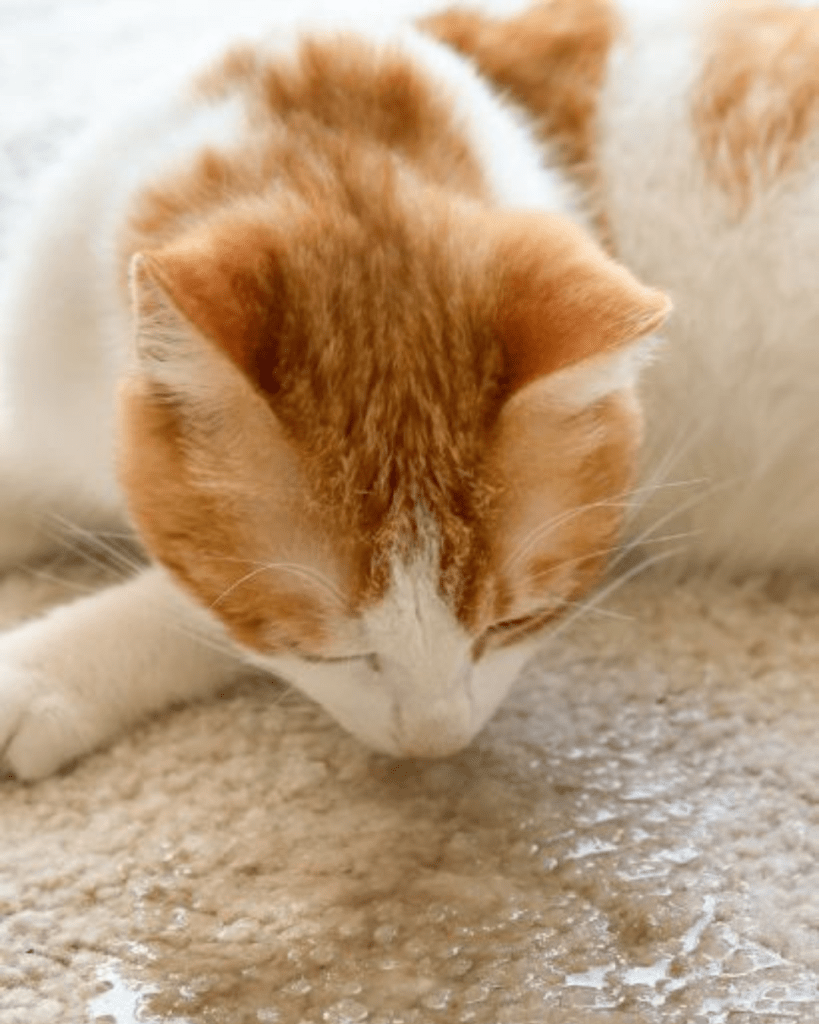
Have you ever stepped onto your carpet and noticed a strange, stubborn smell that just won’t go away? If that smell comes from cat urine, you might be wondering if it’s more than just unpleasant.
Could that saturated carpet be putting your health at risk? Understanding the hidden dangers lurking in your home is crucial for you and your family’s well-being. Keep reading to discover why cat urine on your carpet isn’t just a nuisance—it might be a serious health hazard—and learn what you can do to protect your living space.
Credit: vacuumwars.com
Health Risks Of Cat Urine On Carpets
Cat urine on carpets isn’t just an unpleasant smell—it can pose several health risks you might not immediately notice. The damp, organic environment created by saturated cat urine invites bacteria and allergens to thrive, potentially affecting your well-being. Understanding these risks helps you take the right steps to protect your home and health.
Allergic Reactions And Respiratory Issues
Cat urine contains proteins that can trigger allergic reactions in sensitive individuals. These proteins can linger in carpet fibers, causing sneezing, itchy eyes, and skin irritation. If you or someone in your home has asthma or other respiratory problems, the ammonia in cat urine can worsen symptoms, making breathing difficult.
Have you noticed your allergies acting up after spending time in certain rooms? That might be a sign of lingering cat urine allergens in your carpet.
Bacterial And Viral Contaminants
Urine creates a moist environment where bacteria and viruses can multiply quickly. These microorganisms can lead to infections or other health issues, especially if you have cuts on your feet or hands and come into direct contact with the carpet. Additionally, some bacteria from cat urine may cause unpleasant odors that become harder to remove over time.
Regular cleaning might not be enough to eliminate these contaminants. Have you considered professional deep cleaning to truly sanitize your carpet?
Long-term Exposure Effects
Continuous exposure to cat urine-soaked carpets can have lasting health impacts. Beyond allergic reactions and infections, prolonged contact with ammonia vapors can irritate your eyes, throat, and lungs. Over months or years, this may contribute to chronic respiratory issues or exacerbate existing conditions.
Think about how often you spend time in areas with saturated carpets. Could reducing exposure or replacing affected carpet sections improve your daily comfort and health?
Chemical Composition Of Cat Urine
Cat urine contains several chemical compounds that can affect health. Understanding its makeup helps explain why saturated carpets pose risks. The main chemicals include ammonia and other harmful substances. Each plays a role in how the urine impacts indoor air and surfaces.
Ammonia And Its Impact
Ammonia is a strong-smelling chemical found in cat urine. It forms as the urine breaks down over time. Ammonia can irritate the eyes, nose, and throat. Breathing in ammonia vapors may cause coughing and difficulty breathing. High levels of ammonia indoors can worsen asthma and allergies.
Other Harmful Compounds
Besides ammonia, cat urine contains urea, creatinine, and uric acid. Bacteria break down these compounds, releasing unpleasant odors. Some of these substances can damage carpet fibers and padding. They may also promote mold growth in damp areas. Mold spores can trigger allergic reactions and respiratory problems.
Signs Of Carpet Saturation
Recognizing the signs of carpet saturation from cat urine is crucial for protecting your home and health. Urine can soak deeply into carpet fibers and padding, creating hidden problems that worsen over time. Knowing what to look for helps you act quickly before the damage becomes permanent or hazardous.
Visible And Odor Indicators
One of the most obvious signs your carpet is saturated is a strong, persistent smell of ammonia or a sour odor. This unpleasant scent often lingers even after cleaning, signaling that urine has penetrated deep layers.
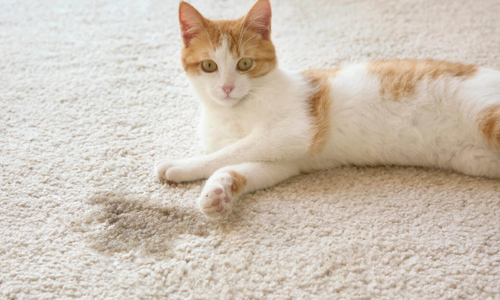
You might also see discoloration or yellowish stains on the carpet surface. These spots can darken as the urine dries and bacteria grow, making the damage easier to spot. Sometimes the carpet fibers look matted or stiff in the affected areas.
Have you noticed a specific corner or spot where the smell never fades? That’s a clue that saturation is severe and requires more than surface cleaning.
Structural Damage To Carpets
Carpet saturation doesn’t just affect the surface; it can damage the carpet’s structure underneath. Urine can seep into the padding and subfloor, causing the carpet to lose its shape and cushioning.
Over time, the padding may start to break down, feeling spongy or crumbly when you step on it. This not only makes your carpet uncomfortable but also creates an ideal environment for mold and bacteria.
If your carpet starts to warp or lift in spots, it’s a sign the urine has compromised the integrity of the materials below. Ignoring this can lead to costly repairs or replacement.

Credit: cleaningpro.co.nz
Cleaning Challenges And Solutions
Cat urine in carpets poses a significant cleaning challenge. The persistent odor and potential health hazards make it essential to address effectively. Regular cleaning often falls short, leaving behind stubborn stains and odors. Let’s explore why regular cleaning fails and delve into more effective solutions.
Why Regular Cleaning Fails
Many household cleaners aren’t designed for pet stains. They mask odors temporarily but don’t remove them. Cat urine seeps deep into carpet fibers and padding. This makes it hard to clean with standard methods. The ammonia in cat urine creates a strong, lasting smell. Without proper treatment, it can linger indefinitely.
Effective Removal Techniques
Use enzymatic cleaners that break down urine compounds. They target the source of the odor, eliminating it effectively. Blot the area with a clean cloth to absorb as much urine as possible. Avoid rubbing, which can spread the stain further. Baking soda can help neutralize odors. Sprinkle it on the affected area and leave it overnight. Vacuum thoroughly to remove all residues. These methods can help, but deep stains might need professional help.
Professional Cleaning Options
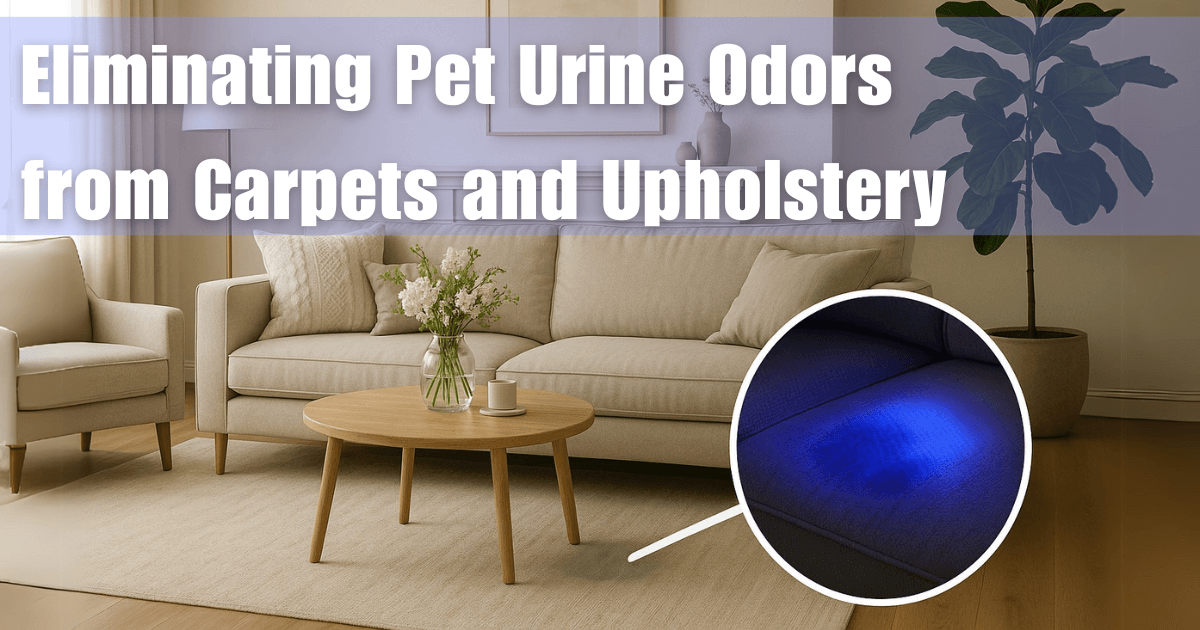
Professional cleaners offer specialized equipment for deep cleaning. They use powerful extraction methods that reach deep into carpet fibers. Experts can apply treatments that prevent future stains. Professional services may use UV lights to detect hidden urine spots. This ensures all affected areas receive attention. Investing in professional cleaning can save time and provide peace of mind.
Preventing Carpet Contamination
Preventing carpet contamination from cat urine is essential for a healthy home. Cat urine can soak deep into carpet fibers, causing odors and bacteria buildup. Taking steps early helps keep carpets clean and safe. Prevention also protects your family from health risks linked to bacteria and mold growth.
Behavioral Training For Cats
Training cats to use a litter box reduces carpet accidents. Keep the litter box clean and in a quiet spot. Praise your cat when it uses the box correctly. Watch for signs of stress or illness that may cause accidents. Consult a vet if your cat urinates outside the box often.
Protective Measures For Carpets
Use waterproof carpet protectors or mats in areas your cat visits. These barriers prevent urine from soaking into the carpet below. Regularly clean carpets with pet-safe cleaners to remove any residue. Consider carpets made of stain-resistant materials for easier cleaning. Keep carpets dry to avoid mold and bacteria growth.
Credit: enviro-clean.co.uk
When To Replace Your Carpet
Knowing when to replace your carpet after it has been saturated with cat urine is crucial for maintaining a healthy living space. Urine can seep deep into the fibers and padding, making it difficult to fully clean and deodorize. Deciding the right time to replace the carpet can save you from ongoing odor issues and potential health risks.
Assessing Damage Severity
Start by examining how extensive the urine damage is. Small, isolated spots may be cleaned effectively with enzymatic cleaners. However, if the urine has soaked through to the carpet padding or covers a large area, the damage is more severe.
Check for persistent odors that linger after cleaning. If the smell remains strong, it indicates bacteria and ammonia buildup deep in the carpet layers. Also, look for discoloration or carpet fibers that feel stiff or brittle—these are signs the urine has compromised the material.
Health Considerations For Replacement
Cat urine contains ammonia and bacteria that can irritate your respiratory system, especially if you or family members have allergies or asthma. Prolonged exposure to these contaminants trapped in carpet fibers can worsen symptoms.
Think about your household’s health—do you have children or pets who spend a lot of time on the floor? Their constant contact with a urine-saturated carpet increases the risk of skin irritation and infection. Replacing the carpet eliminates this hidden hazard.
Have you noticed unexplained allergic reactions or persistent coughing since the urine damage occurred? These can be subtle signs that your carpet is affecting your health. In such cases, replacement is the safest option.
Frequently Asked Questions
Is Cat Urine On Carpet Harmful To Health?
Yes, cat urine on carpet can cause health issues. It contains ammonia and bacteria that may trigger allergies and respiratory problems.
How Does Cat Urine Affect Indoor Air Quality?
Cat urine releases ammonia gas, which irritates the lungs. Prolonged exposure can worsen asthma and cause unpleasant odors indoors.
Can Cat Urine Cause Mold Growth In Carpets?
Yes, moisture from cat urine encourages mold and mildew growth. This can worsen allergies and damage carpet fibers over time.
What Health Risks Come From Dried Cat Urine?
Dried cat urine still emits ammonia and bacteria. It can cause respiratory irritation, skin allergies, and unpleasant odors in your home.
Conclusion
Cat urine on carpet can cause health problems if left untreated. The smell and bacteria may harm your breathing and cause allergies. Cleaning the carpet quickly helps stop these risks. Use proper cleaners to remove stains and odors well. Regularly check your carpet to keep your home safe and fresh.
Taking care early saves money and keeps your family healthy. Don’t ignore the problem; act fast for a cleaner, safer home.



Leave a Reply