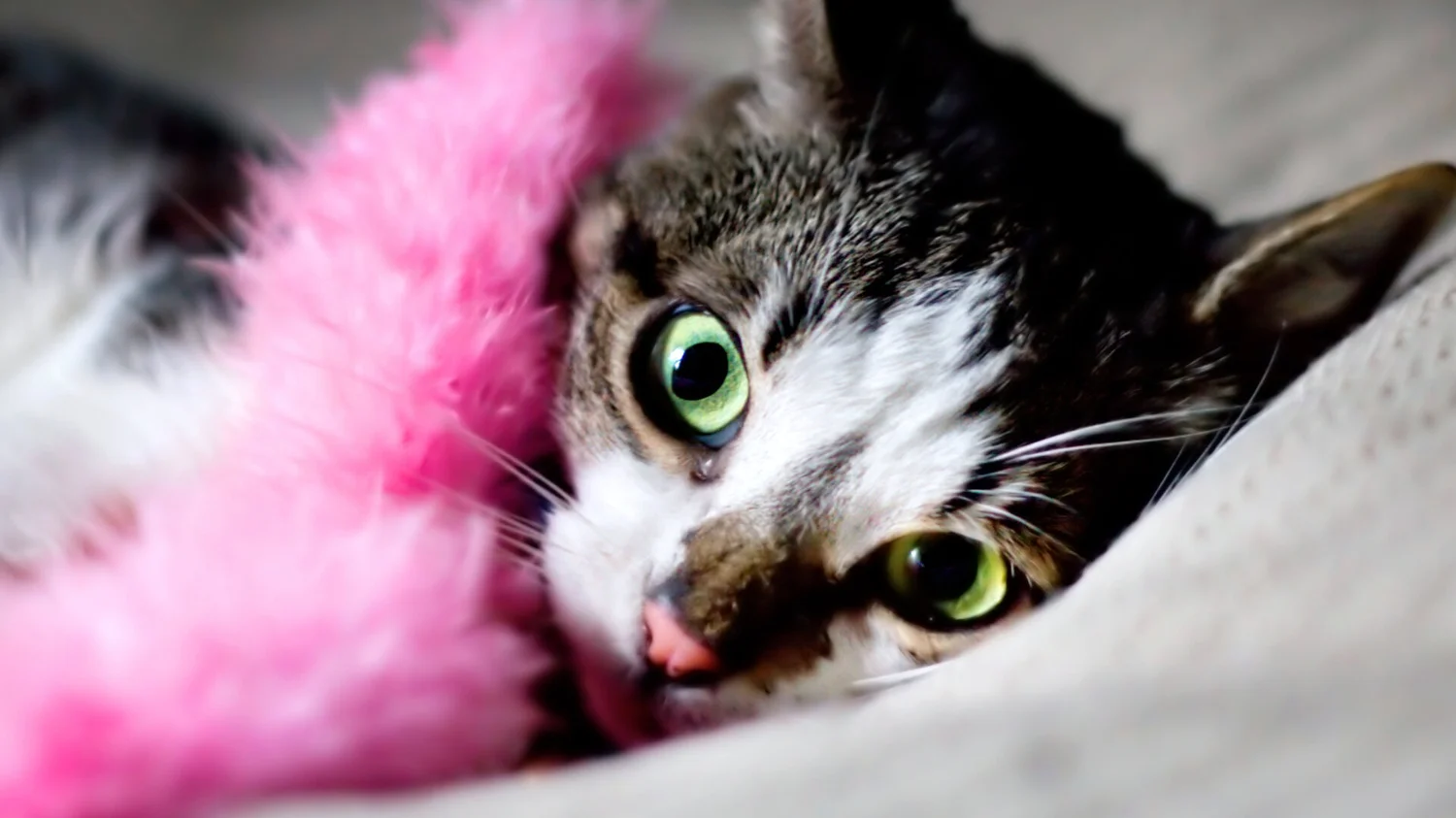
Have you ever caught your cat carefully licking or cleaning her toys and wondered why she does it? It might seem strange at first, but this behavior actually reveals a lot about your furry friend’s feelings and instincts.
Understanding why your cat grooms her toys can help you connect with her better and keep her happy. Keep reading to discover the surprising reasons behind this cute habit and what it means for your cat’s well-being.
Cat Grooming Behavior
Cats spend a significant part of their day grooming themselves. This behavior is more than just keeping clean—it reflects their health, mood, and even social connections. Understanding your cat’s grooming habits can reveal surprising insights into why she might groom her toys as well.
Typical Grooming Habits
Most cats lick their fur to remove dirt, loose hair, and parasites. This self-care keeps their coat shiny and skin healthy. You might notice your cat spending time on hard-to-reach spots, like behind the ears or under the chin.
Grooming also helps cats regulate their body temperature and calm down when stressed. Have you ever seen your cat pause after grooming and look more relaxed? This shows how important grooming is for their well-being.
Grooming Beyond Themselves
Sometimes, cats groom objects or toys just like they do their own fur. This behavior can mean several things. It might be a way to bond with the toy, treating it as a friend or even a kitten.
Your cat could also be transferring her scent onto the toy to mark it as part of her territory. This makes the toy familiar and comforting. Next time your cat grooms her toy, watch closely—does she carry it around or “mother” it? This can tell you a lot about her feelings and instincts.
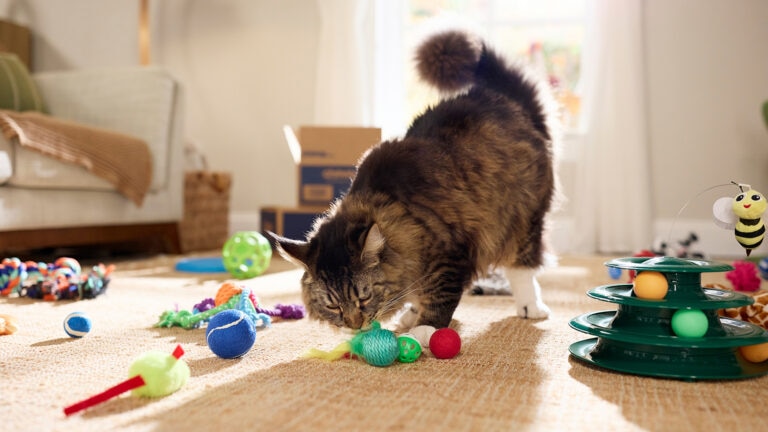
Credit: www.chewy.com
Toys As Surrogate Objects
Cats often treat their toys like more than just playthings. These toys become stand-ins for real-life objects. Cats use them to express natural behaviors and emotions. Grooming toys shows how much they value these surrogate objects.
Emotional Attachment To Toys
Cats can form strong bonds with their toys. Toys may remind them of their mother or siblings. This creates a feeling of closeness and love. Grooming their toys is a way to care for something important. It shows their affection and trust toward the object.
Comfort And Security
Toys offer a safe and familiar source of comfort. Cats feel relaxed when they groom their toys. This action reduces stress and anxiety. The toy becomes a security object, like a blanket for children. It helps cats feel safe in their environment.
Scent Marking And Territory
Cats use scent marking to communicate and claim their space. When your cat grooms her toys, she is not just playing—she is sending a clear message about ownership and territory. This behavior reflects a natural instinct to mark what belongs to her, helping her feel secure in her environment.
How Cats Use Scent
Cats have scent glands located on various parts of their bodies, including their cheeks, paws, and flanks. When they rub or groom objects, they deposit pheromones that carry their unique scent signature. This scent acts like a personal ID, letting other cats know who owns the item.
You might notice your cat rubbing her face against furniture or toys before grooming them. This is her way of layering her scent, reinforcing ownership. Have you ever wondered why your cat seems so attached to a particular toy? It’s often because she has marked it as hers.
Toys As Territorial Markers
Toys become more than just playthings—they turn into tiny territorial flags. By grooming her toys, your cat adds her scent and claims them as part of her domain. This behavior helps her feel more in control and safe in her surroundings.
Try observing how your cat interacts with her toys over time. You might see her returning to the same ones, grooming or cuddling them repeatedly. This attachment is a sign of her marking territory through scent, which is a natural way cats reduce stress and establish familiarity.
Next time you see your cat grooming her toys, think about the message she’s sending. What other objects in your home might she be marking? Understanding this behavior can deepen your bond and help you create a more comforting environment for your feline friend.
Instinctual Hunting Reflexes
Cats groom their toys because it mimics hunting and caring behaviors. This instinct helps them feel connected to their “prey. ” Grooming also keeps their toys clean, just like they do with themselves.
Cats are fascinating creatures, often leaving us puzzled by their quirky behaviors. One such behavior is grooming their toys, which can seem odd at first glance. This peculiar habit is actually deeply rooted in their instinctual hunting reflexes. Understanding these instincts can give you a better insight into your cat’s behavior.Prey Simulation Through Toys
Cats are natural hunters. Even domesticated cats retain the instinct to hunt, stalk, and capture prey. Toys act as a substitute for real prey, sparking these instincts. When your cat bats at a toy mouse or pounces on a feather, she’s simulating a hunt. Think about it: every toy is a new opportunity for your cat to practice her hunting skills. The act of playing with toys helps mimic the chase and capture of prey, allowing your cat to satisfy her natural urges in a safe environment. Do you notice how your cat’s eyes dilate and body tenses when she spots a favorite toy? That’s her predatory instinct kicking in!Grooming As Part Of Hunting
After a successful hunt, a wild cat would typically groom her prey. This behavior is not only about cleaning but also a way to mark the prey with her scent. When your cat grooms her toys, she’s following this instinctual sequence, treating the toy as if it’s her catch. This grooming behavior is a fascinating blend of instinct and comfort. It might seem like your cat is simply cleaning her toy, but she’s also claiming ownership. Next time you see your cat grooming her toy, think of it as her way of saying, “This is mine.” Have you ever wondered why your cat prefers certain toys over others? It could be because those toys better trigger her hunting instincts, making the grooming ritual even more rewarding. By understanding these behaviors, you can enrich your cat’s environment with toys that cater to her natural instincts.Health And Stress Factors
Understanding why your cat grooms her toys can reveal important clues about her health and emotional state. Grooming is not just about cleanliness; it often connects to how cats manage stress and maintain their well-being. Paying attention to these behaviors can help you support your cat’s mental and physical health more effectively.
Self-soothing Mechanisms
Grooming toys acts as a self-soothing behavior for many cats. When your cat cleans her favorite toy, she may be comforting herself, similar to how people use stress balls or fidget spinners. This habit can help her feel secure, especially if she’s feeling lonely or bored.
Have you noticed your cat turning to her toys after a loud noise or a visit to the vet? This grooming can reduce her tension and bring a sense of calm. You can encourage this positive coping by providing soft, safe toys that invite grooming.
Grooming Linked To Anxiety
Sometimes, excessive grooming of toys may signal anxiety. Cats often use repetitive behaviors to manage feelings of nervousness or uncertainty. If your cat spends a lot of time licking or nibbling her toys, it might be her way of dealing with stress.
Consider whether recent changes in your cat’s environment could be triggering this behavior. Moving to a new home, new pets, or changes in your routine might cause anxiety. Offering a consistent daily schedule and creating quiet spaces can help reduce your cat’s stress levels.

Credit: www.goodhousekeeping.com
Encouraging Healthy Play
Encouraging healthy play helps cats stay active and happy. Playtime lets cats use their natural instincts safely. Grooming toys shows that your cat feels comfortable and enjoys the game. Supporting this behavior improves their mental and physical health.
Choosing The Right Toys
Select toys that mimic natural prey to keep your cat interested. Soft, furry toys invite grooming and cuddling. Toys with different textures encourage exploration and tactile play. Avoid toys with small parts that your cat could swallow. Rotate toys regularly to keep play fresh and exciting.
Promoting Positive Interaction
Join your cat in play to strengthen your bond. Use toys like feather wands to guide their hunting instincts. Praise your cat gently when they groom or carry toys. Set aside daily play sessions to meet their exercise needs. Create a safe, quiet space for uninterrupted playtime.

Credit: catit.ca
Frequently Asked Questions
Why Does My Cat Groom Her Toys Frequently?
Cats groom their toys as a way to show affection and mimic self-care. It helps them bond with the toy and satisfies their natural grooming instincts.
Is Grooming Toys Normal Cat Behavior?
Yes, grooming toys is normal behavior. It provides comfort and mimics grooming of themselves or other cats, helping reduce stress and anxiety.
Can Grooming Toys Indicate Boredom In Cats?
Grooming toys can sometimes signal boredom. If your cat lacks stimulation, she may turn to toys for comfort and entertainment.
Does Grooming Toys Mean My Cat Thinks It’s Alive?
Cats may groom toys because they treat them like prey or companions. This behavior shows their instinct to nurture or care.
Conclusion
Cats groom their toys to show comfort and care. This behavior mimics how they clean themselves or their kittens. It helps them feel safe and calm. Watching your cat do this can deepen your bond. Understanding this habit reveals more about your cat’s feelings.
Let your cat enjoy this gentle habit without worry. It’s a sign of love and security. Every cat is unique, and so is their way of showing affection. Keep providing toys and love to keep your cat happy.

Leave a Reply