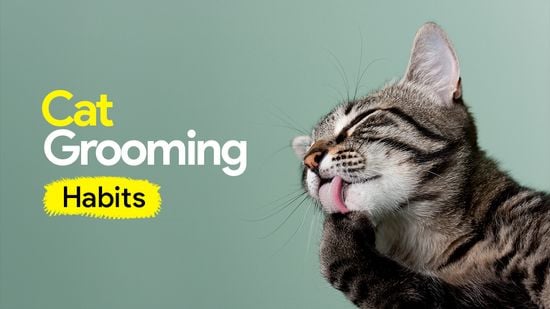
How often should you groom your cat? It’s a question every cat owner wonders about.
Grooming isn’t just about keeping your feline friend looking good—it’s key to their health and happiness. But too much or too little can cause problems. You want to get it just right. You’ll discover the perfect grooming routine tailored for your cat’s needs.
Keep reading to learn how to make grooming easy and enjoyable for both you and your furry companion.

Credit: www.latimes.com
Benefits Of Regular Grooming
Regular grooming offers more than just a shiny coat for your cat. It plays a vital role in maintaining their overall well-being. You might be surprised how a simple grooming routine can improve your cat’s health and happiness.
Improved Coat Health
Grooming removes loose fur and dirt, preventing mats and tangles that cause discomfort. It also helps distribute natural oils, making your cat’s coat soft and glossy. Have you noticed how your cat’s fur feels smoother after a good brushing session?
Reduced Hairballs
Cats groom themselves a lot, which means they swallow fur regularly. Frequent brushing cuts down the amount of loose hair they ingest. This can significantly reduce the number of hairballs your cat coughs up, saving you from a messy cleanup and your cat from discomfort.
Early Detection Of Health Issues
Spending time grooming your cat lets you spot unusual lumps, bumps, or skin problems early. You can notice changes in their coat or signs of parasites before they become serious. Don’t you want to catch potential health issues before they worsen?

Credit: www.purina.com
Factors Influencing Grooming Frequency
Knowing how often to groom your cat depends on several important factors. These influence not just the frequency but also the type of grooming your feline friend needs. Paying attention to these details helps you keep your cat comfortable and healthy.
Breed And Coat Type
Your cat’s breed plays a big role in grooming needs. Long-haired breeds like Persians or Maine Coons usually require daily brushing to prevent mats and tangles. Short-haired cats, such as Siamese or American Shorthairs, often do well with weekly grooming.
Have you noticed how some cats shed more during certain seasons? This is especially true for breeds with thick undercoats. Adjusting grooming frequency based on coat type helps manage shedding and keeps your home cleaner.
Age And Health
Older cats or those with health issues might need more frequent grooming because they can struggle to clean themselves. Cats with arthritis or dental problems may not groom effectively, leading to mats or skin issues.
If your cat is young and healthy, you may only need to groom them occasionally. But if you see signs of discomfort or poor coat condition, increasing grooming sessions can make a big difference. Have you checked if your cat is grooming properly lately?
Indoor Vs Outdoor Cats
Indoor cats usually stay cleaner and may require less frequent grooming. However, they can still benefit from regular brushing to reduce hairballs and shedding.
Outdoor cats face more dirt, debris, and parasites, which means they often need more attention. Regular grooming helps catch ticks or fleas early and keeps their coat in good shape.
Think about your cat’s lifestyle. Are they adventurers exploring outside or cozy indoor loungers? This can guide how often you pick up the brush.
Recommended Grooming Schedules
Knowing how often to groom your cat can make a big difference in their comfort and health. Different types of cats need different grooming routines to keep their coat shiny and skin healthy. Setting a grooming schedule that fits your cat’s needs helps you avoid mats, hairballs, and skin issues.
Short-haired Cats
Short-haired cats usually need less grooming, but they still benefit from regular brushing. Aim to groom your short-haired cat about once a week. This helps remove loose fur and reduces shedding around your home.
Try using a soft brush or grooming glove. You’ll notice less hair on your clothes and furniture, which is a nice bonus. If your cat sheds heavily during seasonal changes, you might want to brush them twice a week to keep things under control.
Long-haired Cats
Long-haired cats require more attention to prevent mats and tangles. Daily grooming is ideal to keep their fur smooth and healthy. Skipping days can lead to knots that are painful and hard to remove.
Use a wide-toothed comb followed by a slicker brush to reach the undercoat. I once missed a day and found my cat’s fur full of mats that took extra time and patience to fix. Consistency really pays off here.
Regular grooming also helps reduce hairballs, which are more common in long-haired breeds. Would you want to deal with a hairball emergency? Daily brushing lowers that risk significantly.
Senior Cats
Older cats often need gentler, more frequent grooming. Their skin can become more sensitive, and they might not groom themselves as well. Brushing them two to three times a week supports their coat and skin health.
Be gentle and watch for any signs of discomfort. Senior cats can develop arthritis, making grooming harder for them. Your touch can provide comfort and a chance to check for lumps, bumps, or skin changes.
Have you noticed your older cat grooming less? Increasing your grooming sessions can help keep them clean and comfortable while strengthening your bond.

Credit: www.petscare.com
Grooming Techniques And Tools
Cats with short hair usually need grooming once a week, while long-haired cats require daily brushing. Using the right tools, like soft brushes or combs, helps keep their fur healthy and reduces shedding. Regular grooming also prevents mats and keeps your cat comfortable.
Grooming your cat is not just about keeping them looking their best; it’s a vital part of maintaining their overall health and well-being. Regular grooming helps reduce shedding, prevent matting, and can even minimize hairballs. To make the most of your grooming routine, it’s essential to choose the right techniques and tools. Let’s delve into the essentials of cat grooming, from selecting the perfect brush to mastering the art of nail trimming.Choosing The Right Brush
Selecting the appropriate brush for your cat can make all the difference. Different coats require different brushes. For short-haired cats, a rubber brush or a bristle brush can effectively remove loose fur and stimulate the skin. Long-haired cats, however, may need a slicker brush to manage tangles and mats. My own Persian cat, Luna, absolutely loves her slicker brush sessions, and it has significantly reduced her shedding. Pay attention to your cat’s response; a positive reaction means you’re on the right track.Bathing Tips
Bathing your cat might sound daunting, but it doesn’t have to be a stressful experience. Most cats don’t need frequent baths, but occasional bathing can help keep their fur and skin healthy. Use a cat-friendly shampoo to avoid irritation. Before you start, gather all necessary items: a non-slip mat, a gentle shampoo, and plenty of towels. Ensure the water is lukewarm, as extreme temperatures can be uncomfortable for your cat. Remember, patience and calmness are key. Have you ever noticed how your energy affects your cat’s behavior during grooming?Nail Trimming Basics
Trimming your cat’s nails is crucial to prevent overgrowth and associated issues. Use a pair of sharp, cat-specific nail clippers for the best results. The pink part of the nail, known as the quick, is sensitive and should be avoided. Hold your cat gently but firmly, and trim just the tip of the nail. If you’re unsure, ask your vet to demonstrate the first time. Regular trimming sessions, like the ones I have with Luna, can prevent accidental scratches and furniture damage. Does your cat have a favorite treat that could make nail trimming a more pleasant experience? Consider using it as a reward to associate grooming with positive outcomes.Signs Your Cat Needs More Grooming
Knowing when your cat needs more grooming is key to keeping them comfortable and healthy. Cats are usually good at self-cleaning, but sometimes signs show up that tell you they need a little extra help from you. Paying attention to these signs can prevent bigger problems down the line and make your cat happier.
Excessive Shedding
If you notice more fur than usual around your home or on your clothes, your cat might need more grooming. Shedding happens naturally, but when it becomes excessive, it can indicate your cat’s coat is not getting enough care. Regular brushing helps remove loose hair before it falls off, reducing hairballs and mess.
Have you ever felt your cat’s fur and noticed it’s rough or uneven? That’s another clue that grooming needs to increase. Try grooming more often and see if the shedding decreases—it’s a simple way to check if your cat is getting what they need.
Mattes And Tangles
Mattes and tangles can cause real discomfort for your cat. They trap dirt and moisture close to the skin, which may lead to infections. If your cat’s fur is clumping together or pulling at the skin, it’s time to add more grooming sessions.
Some cats develop mats in hidden spots like behind the ears or under the legs. These areas need extra attention. Running your fingers through your cat’s fur daily helps you spot mats early before they become painful.
Skin Irritations
Redness, bumps, or flaky skin are clear signs your cat’s grooming routine isn’t enough. These symptoms can result from dirt buildup or allergic reactions that regular grooming helps prevent. If you see your cat scratching more than usual, check their skin carefully.
Grooming not only cleans but also stimulates the skin and spreads natural oils. This keeps your cat’s skin healthy and shiny. If irritations persist, consult your vet, but increasing grooming can often reduce these issues fast.
Making Grooming A Positive Experience
Grooming your cat doesn’t have to be a stressful chore for either of you. Making it a positive experience can build trust and even strengthen your bond. The key lies in how you approach the grooming sessions and how your cat perceives them.
Creating A Calm Environment
Start by choosing a quiet, comfortable spot where your cat feels safe. Avoid loud noises or sudden movements that might startle them. Soft lighting and a familiar blanket can make the area inviting.
Try to groom your cat when they are relaxed, such as after a meal or nap. This helps reduce anxiety and makes them more cooperative. Have all your grooming tools ready so the session goes smoothly without interruptions.
Rewarding Your Cat
Use treats or gentle petting to reward your cat during and after grooming. This helps your cat associate grooming with positive outcomes. If your cat loves playtime, a short session with their favorite toy can also work as a reward.
Notice what motivates your cat the most and use it consistently. Small rewards build a strong connection between grooming and happiness over time. You might be surprised how quickly your cat looks forward to grooming sessions.
Handling Resistance
If your cat resists grooming, don’t force it. Take breaks and try again later. Pushing too hard can damage your relationship and make future sessions harder.
Observe your cat’s body language closely. Signs like tail flicking or growling mean it’s time to pause. Try to identify what causes discomfort—maybe a certain brush or spot—and adjust accordingly.
Have you ever noticed how a simple change in timing or technique made your cat more relaxed? Paying attention to these details can turn grooming from a struggle into a bonding moment.
Frequently Asked Questions
How Often Should I Groom My Short-haired Cat?
Short-haired cats need grooming once a week. This helps remove loose hair and reduces shedding. Regular brushing also keeps their skin healthy and prevents hairballs.
How Frequently Do Long-haired Cats Require Grooming?
Long-haired cats should be groomed daily or every other day. This prevents mats and tangles. Consistent grooming keeps their coat smooth and healthy.
Can Grooming Reduce My Cat’s Shedding?
Yes, regular grooming significantly reduces shedding. Brushing removes loose fur before it falls off. This helps keep your home cleaner and your cat more comfortable.
When Is The Best Time To Groom My Cat?
Groom your cat when it is calm and relaxed. After a nap or meal is ideal. This makes grooming easier and more enjoyable for your cat.
Conclusion
Grooming your cat keeps its coat clean and healthy. Most cats need grooming once or twice a week. Long-haired cats may need it more often. Regular brushing helps reduce shedding and hairballs. It also gives you time to check for problems.
Pay attention to your cat’s needs and habits. A happy cat feels comfortable and cared for. Simple grooming routines build a strong bond with your pet. Keep it gentle and enjoyable for best results. Your cat will thank you with a shiny, soft coat.



Leave a Reply