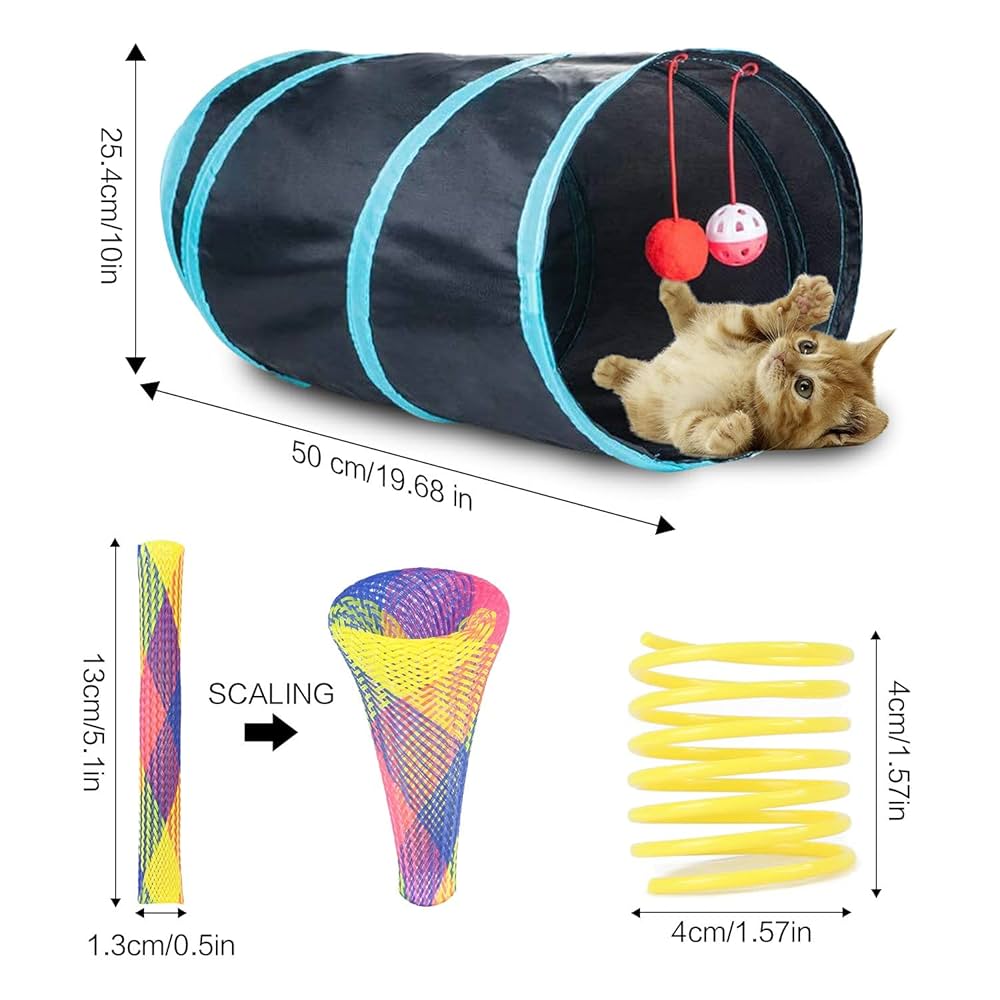
Have you ever wondered what makes inside cat toys so special for your furry friend? If you want to keep your cat happy and entertained, understanding what’s inside these toys can make all the difference.
Inside cat toys are designed to stimulate your cat’s natural instincts, providing both fun and mental exercise. You’ll discover the secrets behind these toys, why your cat loves them, and how choosing the right ones can transform playtime into a rewarding experience for both of you.
Keep reading, and you’ll learn how to bring more joy and excitement into your cat’s daily routine.
Common Materials In Cat Toys
Cat toys come in many shapes and sizes, but what really makes them fun are the materials inside. These materials affect the toy’s texture, weight, and safety. Knowing what materials are common helps pet owners choose the best toys for their cats. The right materials make toys more durable and enjoyable for cats.
Fabrics And Textiles
Soft fabrics often cover cat toys. Felt, cotton, and fleece are popular choices. These materials feel gentle on a cat’s paws and mouth. They also allow toys to be stuffed with other materials, like catnip or stuffing. Fabrics are easy to clean and lightweight. Cats enjoy batting and carrying fabric toys because they are soft and quiet.
Plastic Components
Plastic parts add structure to many cat toys. Hard plastic balls or rings create noise and movement that attract cats. Plastic is durable and can be molded into different shapes. Some toys have small plastic pieces inside that rattle or roll. This noise keeps cats curious and engaged. Safe, non-toxic plastic is important to prevent harm.
Natural Elements
Natural materials make toys safe and eco-friendly. Wood, sisal, and cotton fibers often appear in scratching posts and toys. Catnip and dried herbs are added inside toys for scent stimulation. These elements encourage natural hunting and playing instincts. Natural materials break down easily and are gentle on cats’ teeth and claws.

Credit: www.amazon.ca
Hidden Components That Attract Cats
Inside cat toys often contain hidden components that capture cats’ attention quickly. These elements stimulate their senses and keep them engaged for longer. Understanding these components helps in choosing toys that truly excite your feline friend.
Catnip And Its Role
Catnip is a popular ingredient inside many cat toys. It contains a compound called nepetalactone that triggers a strong reaction in cats. This makes cats feel playful, happy, and curious. Catnip encourages cats to bite, bat, and kick the toy, giving them exercise and fun.
Scented Fillers
Besides catnip, other scented fillers attract cats by appealing to their sense of smell. These can include valerian root or silvervine. Such scents mimic natural prey odors, sparking hunting instincts. Cats often sniff and rub against these toys, showing their interest.
Noise Makers Inside Toys
Many inside cat toys include noise makers like bells or crinkly materials. These sounds catch a cat’s attention and encourage interaction. The noise mimics small animals, adding excitement. Cats love chasing toys that make sounds, which keeps playtime lively and fun.
Safety Features Inside Toys
Inside cat toys must keep your feline friend safe and happy. Safety features play a big role in toy design. They protect cats from harm during play and ensure long-lasting fun. Each toy includes specific elements to avoid risks and accidents.
Non-toxic Materials
Toys made with non-toxic materials are crucial for cats. Cats often chew or lick their toys. Using safe fabrics, plastics, or natural fibers prevents poisoning. These materials do not contain harmful chemicals or dyes. This keeps cats healthy and worry-free for owners.
Secure Stitching And Seals
Strong stitching stops stuffing or small parts from coming loose. Tight seams reduce choking hazards and messes. Sealed edges prevent cats from tearing toys apart. Durable construction helps toys last longer through rough play. This adds safety and value to inside cat toys.
Avoiding Small Parts
Toys without small detachable parts lower choking risks. Loose buttons, beads, or bells can be swallowed accidentally. Safe toys avoid tiny pieces or attach them firmly. This design choice protects cats from internal injuries. It also gives owners peace of mind during playtime.

Credit: www.amazon.ca
Mechanical And Electronic Elements
Cat toys often contain small motors, batteries, and sensors to create movement or sounds. Mechanical parts like springs and gears help make toys interactive and fun for cats. Electronic elements add excitement by triggering lights or noises during play.
Cats are naturally curious creatures, and when it comes to engaging them, mechanical and electronic elements in toys offer an exciting world of discovery. These toys mimic real-world stimuli, capturing your cat’s attention in unique ways. As technology advances, so do the interactive features of cat toys, providing endless entertainment and stimulation.Battery-powered Movements
Battery-powered toys can bring a sense of unpredictability and surprise to your cat’s playtime. They often feature erratic movements that mimic prey, like a mouse darting across the floor. This unpredictability can keep your cat on its toes, engaging its hunting instincts and encouraging physical activity.Sound And Light Features
Many electronic toys incorporate sound and light to grab your cat’s attention. They might chirp like birds, squeak like mice, or flash with enticing lights. These sensory elements can be particularly engaging for cats that are drawn to sights and sounds, providing a stimulating environment even when you’re not around.Interactive Sensors
Interactive sensors in cat toys add a new dimension to play. These sensors can detect your cat’s presence or movement, activating the toy in response. It creates a dynamic interaction, prompting your cat to chase, pounce, or paw at the toy, making playtime feel like a real hunt. Have you ever watched your cat stalk a mechanical mouse? It’s fascinating to see their instincts kick in as they engage with these advanced toys. What features do you think your cat would enjoy most?Diy Cat Toy Fillings
DIY cat toy fillings bring a personal touch to your pet’s playtime. You get to control what goes inside, ensuring safety and fun. Plus, experimenting with different materials lets you discover what truly excites your cat.
Homemade Catnip Mixtures
Catnip is a classic favorite, but mixing it with other herbs can create a unique scent your cat will love. Try blending dried catnip with a pinch of dried lavender or valerian root for an extra playful kick.
Remember to dry all herbs thoroughly to avoid mold. You can also crush the herbs slightly to release more aroma. Have you noticed your cat’s reaction change with different blends?
Soft Vs. Hard Fillers
Choosing between soft and hard fillers affects how your cat interacts with the toy. Soft fillers like cotton balls or fabric scraps offer a gentle texture, perfect for cats who love to cuddle their toys.
Hard fillers, such as crinkled paper or small wooden beads, create noise and resistance, engaging cats that enjoy more active play. Think about your cat’s personality when selecting fillers—do they prefer quiet snuggles or noisy pounces?
Repurposed Household Items
Look around your home for safe, reusable items that can fill cat toys. Scraps of felt, old T-shirt pieces, or even the stuffing from an old pillow can make excellent fillings.
Using repurposed items saves money and reduces waste. Just make sure the materials are free from harmful chemicals or small parts that could be swallowed. Could your next cat toy be hiding in your laundry basket?

Credit: www.lewybodydementia.ca
How Inside Components Affect Play
The inside parts of cat toys play a big role in how cats enjoy them. These components affect how a cat feels, hears, and even smells the toy. Each factor can make playtime more fun and keep cats interested longer.
Texture And Feel
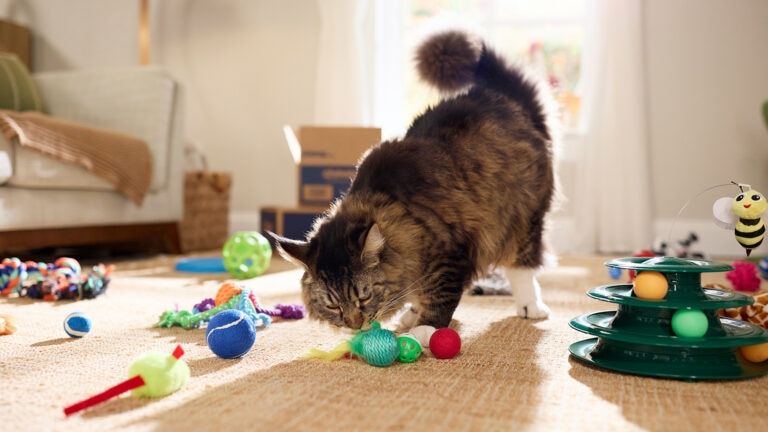
The materials inside a cat toy create different textures. Some toys have soft stuffing that cats like to bite and cuddle. Others have firm or bumpy fillings that feel good to paw at or carry around. The right texture can make a toy more exciting and satisfying for cats.
Noise And Interaction
Many cat toys have parts inside that make sounds. Crinkly paper, bells, or tiny balls can catch a cat’s attention. These noises encourage cats to chase, pounce, and bat the toy. Sounds add an extra layer of fun and keep cats curious about their playthings.
Scent And Engagement
Some toys include scents inside, like catnip or silvervine. These smells attract cats and make them want to play more. Scented toys can help shy or bored cats become more active. The smell inside a toy can turn it into a favorite for any cat.
What To Avoid Inside Cat Toys
Choosing safe inside cat toys is crucial for your feline’s well-being. Some toys might look harmless but contain hidden dangers. Knowing what to avoid helps keep your cat happy and healthy during playtime.
Toxic Substances
Many cat toys contain dyes, glues, or fillings that can be harmful if ingested. Look out for materials with strong chemical smells or unfamiliar ingredients listed on the packaging. You don’t want your cat chewing on something that could cause vomiting, drooling, or worse.
Natural materials like untreated wood or organic cotton are usually safer. Avoid toys with paint or glitter, which often contain toxins. Ask yourself: Would you let your cat chew on this if it were safe for humans?
Choking Hazards
Small parts like beads, bells, or loose strings can easily break off and get stuck in your cat’s throat. Even a tiny piece can block their airway, causing serious harm. Always check toys for securely attached components before giving them to your cat.
If your cat is a heavy chewer, pick sturdy toys without detachable bits. It’s better to replace a toy than risk an emergency vet visit. Do you notice your cat tearing apart toys quickly? That’s a signal to choose safer options.
Fragile Materials
Fragile toys made of thin plastic or brittle fabric can break into sharp pieces that might injure your cat’s mouth or paws. Avoid toys that look cheap or poorly made. A toy should withstand rough play without falling apart.
Consider durable materials like thick felt, reinforced fabric, or silicone. When in doubt, test the toy yourself by pulling and squeezing it. Would it survive a few rough paw swipes from your energetic cat?
Frequently Asked Questions
What Materials Are Inside Cat Toys?
Inside cat toys, you’ll often find feathers, crinkle paper, bells, and catnip. These materials stimulate your cat’s senses and encourage play. Soft stuffing or small plastic parts can also be used for texture and sound. Safe, non-toxic materials are essential for your cat’s health.
Why Is Catnip Common Inside Cat Toys?
Catnip inside cat toys attracts cats and encourages playful behavior. It stimulates their senses and triggers excitement. Not all cats react to catnip, but for those who do, it enhances engagement and exercise. Catnip is safe and non-addictive for cats.
How Do Inside Cat Toys Benefit Cats?
Inside cat toys provide mental stimulation and physical exercise. They satisfy natural hunting instincts and reduce boredom. Toys with various textures and sounds keep cats entertained longer. Regular play promotes better health and prevents destructive behavior.
Are Inside Cat Toys Safe For My Cat?
Most inside cat toys are designed with safety in mind. They use non-toxic materials and secure small parts to prevent choking. Always check for loose pieces and supervise play, especially with new toys. Replace damaged toys promptly to ensure safety.
Conclusion
Inside cat toys keep your pet active and happy indoors. They offer fun, exercise, and mental stimulation. Toys come in many shapes, sizes, and materials. Some include feathers, bells, or hidden treats. Choosing the right toy helps prevent boredom and stress.
Rotate toys often to keep your cat interested. Safe, engaging toys promote a healthy lifestyle. Remember, playtime strengthens your bond with your cat. Give your furry friend the joy of play every day. Simple toys bring big smiles and purrs.


Leave a Reply