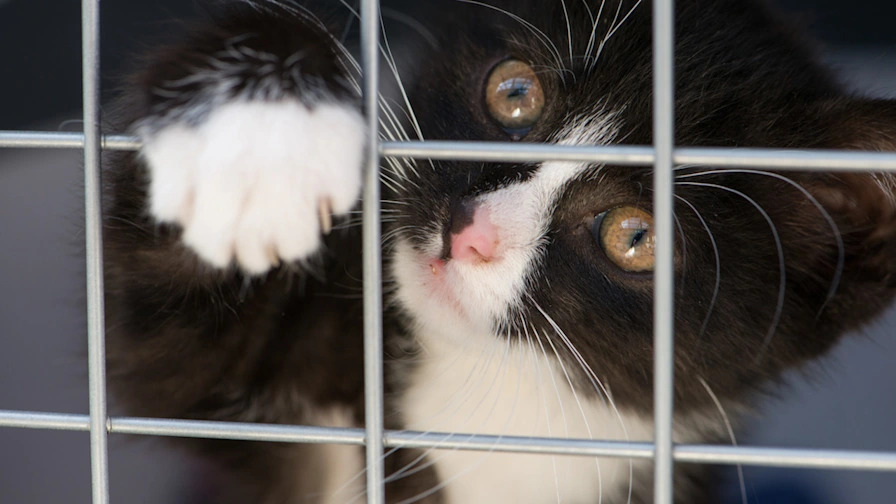
Have you ever noticed your cat hissing at his toys and wondered why? It can be confusing and even a little worrying when your playful pet suddenly acts defensive toward something harmless.
Understanding why your cat reacts this way can help you create a happier, more relaxed environment for him. You’ll discover the surprising reasons behind this strange behavior and learn how to turn those hissy moments into positive playtime. Keep reading to unlock the secret language of your furry friend’s hiss!
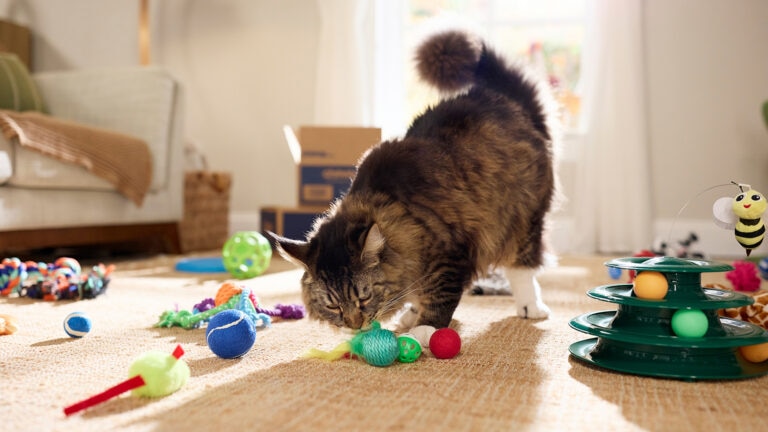
Credit: www.chewy.com
Cat Hissing Behavior
Cats use hissing to communicate strong feelings. It is a clear sign they feel uneasy or threatened. Sometimes, even toys can trigger this behavior. Understanding why cats hiss at their toys helps owners respond better. It also improves the bond between cats and their humans.
Common Triggers
- Sudden movements from the toy can startle the cat.
- The toy may resemble a real animal, causing confusion.
- Overstimulation during play may lead to frustration.
- Unfamiliar or new toys can make cats cautious.
- Rough handling or loud noises from the toy scare them.
Emotional Signals
Hissing shows fear or discomfort in cats. It can mean they feel threatened by the toy. Sometimes, it is a way to say, “I need space.”
Hissing might also express excitement mixed with anxiety. Cats have different moods during play. They may hiss when unsure about the toy’s actions. This helps them control the situation.
Toys As Targets
Cats often see their toys as more than just playthings. These objects can become targets for their natural hunting instincts. Sometimes, a toy might even trigger defensive behavior like hissing. Understanding why this happens helps in creating a better play environment for your cat.
Unfamiliar Objects
New toys can look strange and confusing to a cat. Their shape, color, or texture might seem odd. This unfamiliarity can cause uncertainty or fear. Cats may hiss to warn or protect themselves from these unknown items. Over time, as the cat learns the toy is safe, the hissing usually stops.
Motion And Sound Effects
Many toys move or make noises to catch a cat’s attention. Sudden movements or unexpected sounds can startle cats. These reactions can trigger a defensive hiss. It is their way of saying, “I am cautious.” Toys that move too fast or make loud sounds may overwhelm sensitive cats.
Stress And Anxiety Factors
Cats often hiss at their toys due to stress and anxiety. These feelings can make them see toys as threats. Understanding these factors helps improve your cat’s comfort and playtime experience.
Changes In Environment
Cats dislike sudden changes in their surroundings. Moving to a new home or rearranging furniture can upset them. New sounds, smells, or people increase their stress. They may react by hissing at toys. Toys become a focus for their unease. Keeping a stable environment helps reduce this behavior.
Lack Of Socialization
Cats that lack social interaction may feel anxious. They might not know how to play properly. Toys can seem strange or scary to them. Hissing is a way to show discomfort. Regular gentle interaction builds confidence. It teaches cats to enjoy toys without fear.
Play Aggression Explained
Cats may hiss at toys because they feel frustrated or confused by the movement. This behavior shows their natural hunting instincts mixed with play aggression. Understanding these signals helps improve your cat’s playtime experience.
Cats hissing at their toys can puzzle many cat owners. This behavior, often called play aggression, is a natural part of a cat’s instincts. Understanding why your cat hisses during play can improve your bond and enhance playtime.Hunting Instincts
Cats are natural hunters. Even domesticated cats retain this instinct. When they play with toys, they mimic hunting behaviors. Hissing can be a part of this act. It shows their excitement and readiness to “attack” their toy prey. Toys that move or make noise often trigger these instincts. Observing your cat, you’ll notice they stalk, pounce, and hiss. It’s a mini-hunting session at home.Overstimulation
Too much play can lead to overstimulation. Cats have sensitive senses, and prolonged play can overwhelm them. Hissing might be their way of saying they’ve had enough. This isn’t aggression towards you or the toy. It’s a signal to take a break. Recognizing these cues helps prevent stress for your cat. Keep play sessions short and engaging. Offer quiet time after play to help them relax.Health And Sensory Issues
Cats hiss at toys for reasons tied to their health and senses. These reactions can reveal pain or discomfort. They also show how sensitive cats are to touch, sound, or sight. Understanding these issues helps keep your cat happy and safe.
Pain Or Discomfort
Your cat may hiss if a toy causes pain. Cats with sore teeth or gums might react this way. A toy with sharp edges can hurt their paws or mouth. Pain can make cats defensive and wary. Watch for signs like limping or avoiding play. These clues show your cat needs a vet visit.
Sensory Sensitivities
Cats have strong senses that affect how they react. Bright colors, loud noises, or strange textures can startle them. Some toys may feel strange or scary. Cats may hiss to warn or protect themselves. Sensory overload can stress cats and stop playtime fun. Choose soft, quiet toys to keep your cat calm.

Credit: www.catit.com
How To Respond
Knowing how to respond when your cat hisses at toys helps keep playtime safe and fun. Cats may hiss out of fear, frustration, or confusion. Your reaction can calm or stress your cat further. Careful handling builds trust and encourages positive play habits.
Safe Play Techniques
Always watch your cat’s body language during play. Stop play if hissing or aggression increases. Use wand toys to keep hands away from sharp claws. Move toys slowly to avoid startling your cat. Offer quiet breaks to help your cat relax. Praise calm behavior with soft words or gentle petting.
Choosing The Right Toys
Select toys that match your cat’s personality and hunting style. Soft, lightweight toys often feel less threatening. Avoid noisy or overly bright toys that might scare your cat. Rotate toys regularly to keep interest high. Inspect toys for damage to prevent injury. Let your cat explore new toys at their own pace.
Training Tips
Training your cat to respond better to toys takes patience and care. The goal is to change your cat’s reaction from fear or aggression to comfort and playfulness. Use gentle techniques that build trust and encourage positive behavior.
Positive Reinforcement
Reward your cat for calm and curious behavior around toys. Use treats or soft praise to show approval. Avoid punishment or loud noises; these can increase fear. Repeat this often to help your cat link toys with good feelings. Consistency is key. Small rewards work best for short training sessions.
Desensitization Methods
Introduce toys slowly and in a quiet space. Let your cat watch the toy from a distance. Gradually bring the toy closer over several days. Move at your cat’s pace and stop if they show stress. Use gentle play to make the toy seem less scary. This helps your cat get used to the toy’s presence without feeling threatened.

Credit: www.reddit.com
Frequently Asked Questions
Why Does My Cat Hiss At His Toys Sometimes?
Cats may hiss at toys if they feel threatened or confused. The toy might mimic prey, triggering defensive behavior. Hissing can also indicate overstimulation or frustration during play. Observing your cat’s body language helps understand its reaction to specific toys.
Can Hissing Mean My Cat Dislikes Certain Toys?
Yes, hissing can signal dislike or discomfort with a toy. Cats have individual preferences and may reject toys that seem unfamiliar or scary. Choosing softer, quieter, or more natural-feeling toys often reduces hissing and encourages positive play.
How To Stop My Cat From Hissing At Toys?
Introduce new toys slowly and use positive reinforcement. Avoid toys that scare or overstimulate your cat. Engage in gentle play sessions and observe your cat’s comfort level. Offering a variety of toys can help find favorites and reduce hissing.
Does Hissing At Toys Indicate Health Issues?
Hissing at toys usually relates to behavior, not health. However, if your cat is consistently aggressive or anxious, consult a vet. Pain or stress might cause irritability, so ruling out medical issues is important for proper care.
Conclusion
Cats hiss at their toys for many reasons. Sometimes, they feel scared or unsure. Other times, they may want to show they are in control. This behavior is normal and part of how cats express feelings. Watching your cat’s reactions helps you understand them better.
Give your cat time to get used to new toys. Offering safe and soft toys can reduce hissing. Patience and care build trust between you and your pet. Enjoy the playful moments and learn from your cat’s cues.



Leave a Reply