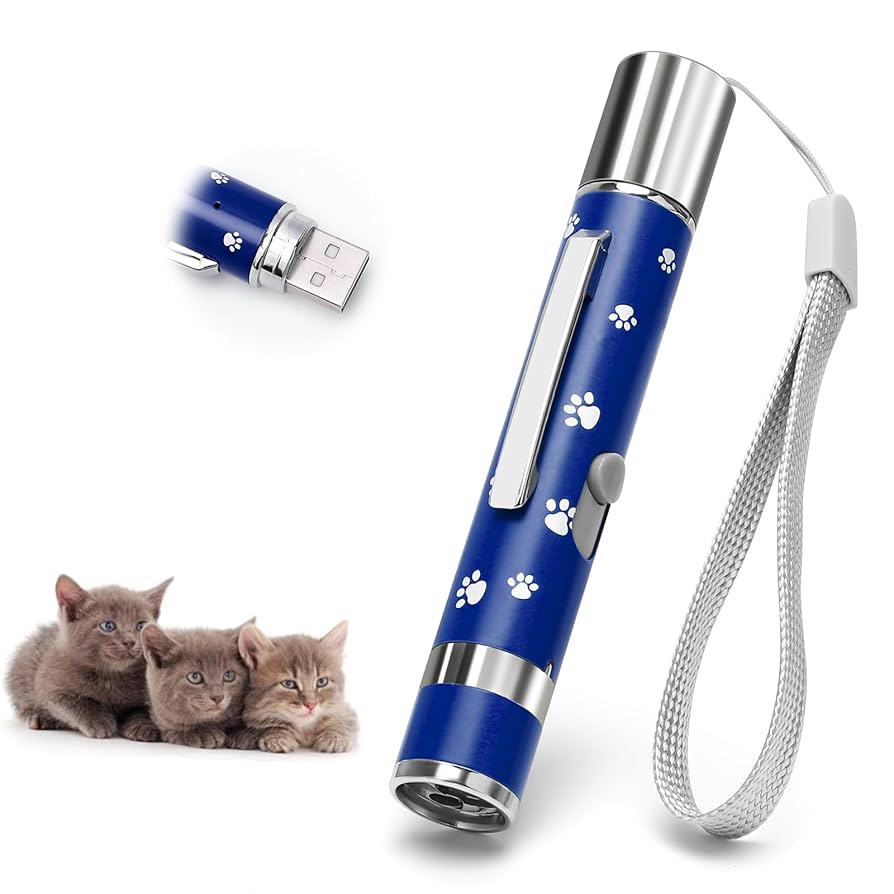
Have you ever wondered why your cat suddenly springs into action, chasing after a simple toy like it’s the most thrilling hunt? It’s not just play—it’s something deeper, rooted in your cat’s natural instincts and behavior.
Understanding why cats chase toys can help you connect better with your furry friend and make playtime more fun for both of you. Keep reading, and you’ll discover surprising reasons behind this playful chase that will change how you see your cat forever.

Credit: justcatsclinic.com
Instincts Behind Chasing
Cats chase toys because of deep instincts that guide their behavior. Chasing mimics hunting activities in the wild. These instincts help cats stay sharp and active. Playtime becomes a natural way for cats to express their predatory drive. It also builds skills needed for survival.
Predatory Nature Of Cats
Cats are natural hunters. Their ancestors relied on hunting to survive. Even house cats keep this hunting instinct alive. Moving toys trigger their urge to chase and catch. This behavior is part of their DNA. It helps them stay alert and ready for action.
Hunting Skills Practice
Chasing toys helps cats practice hunting skills. They learn to stalk, pounce, and grab. These skills are vital for catching prey. Toys that move like small animals attract cats’ attention. Playing with toys is a safe way to hone these abilities.
Play As Survival Training
Play acts as survival training for cats. It improves their reflexes and coordination. Chasing toys builds muscle strength and sharpens senses. This training prepares them for real hunting situations. Even indoor cats benefit from this natural exercise.
Types Of Toys Cats Prefer
Cats have unique preferences for the toys they chase and play with. Their choices depend on many factors, such as movement, texture, sound, and scent. Understanding these preferences helps keep cats active and happy.
Movement And Texture
Cats love toys that move quickly or unpredictably. Toys that flutter, bounce, or wiggle catch their eye. Soft textures like feathers and fur mimic real prey, making playtime more exciting. Hard or smooth toys may not hold their interest as long.
Sound And Scent Attraction
Many cats respond to toys that make noise. Crinkling, jingling, or squeaking sounds stimulate their hunting instincts. Some toys have scents, like catnip or silvervine, that attract cats instantly. These smells encourage them to chase and bat at the toys.
Interactive Vs Solo Play
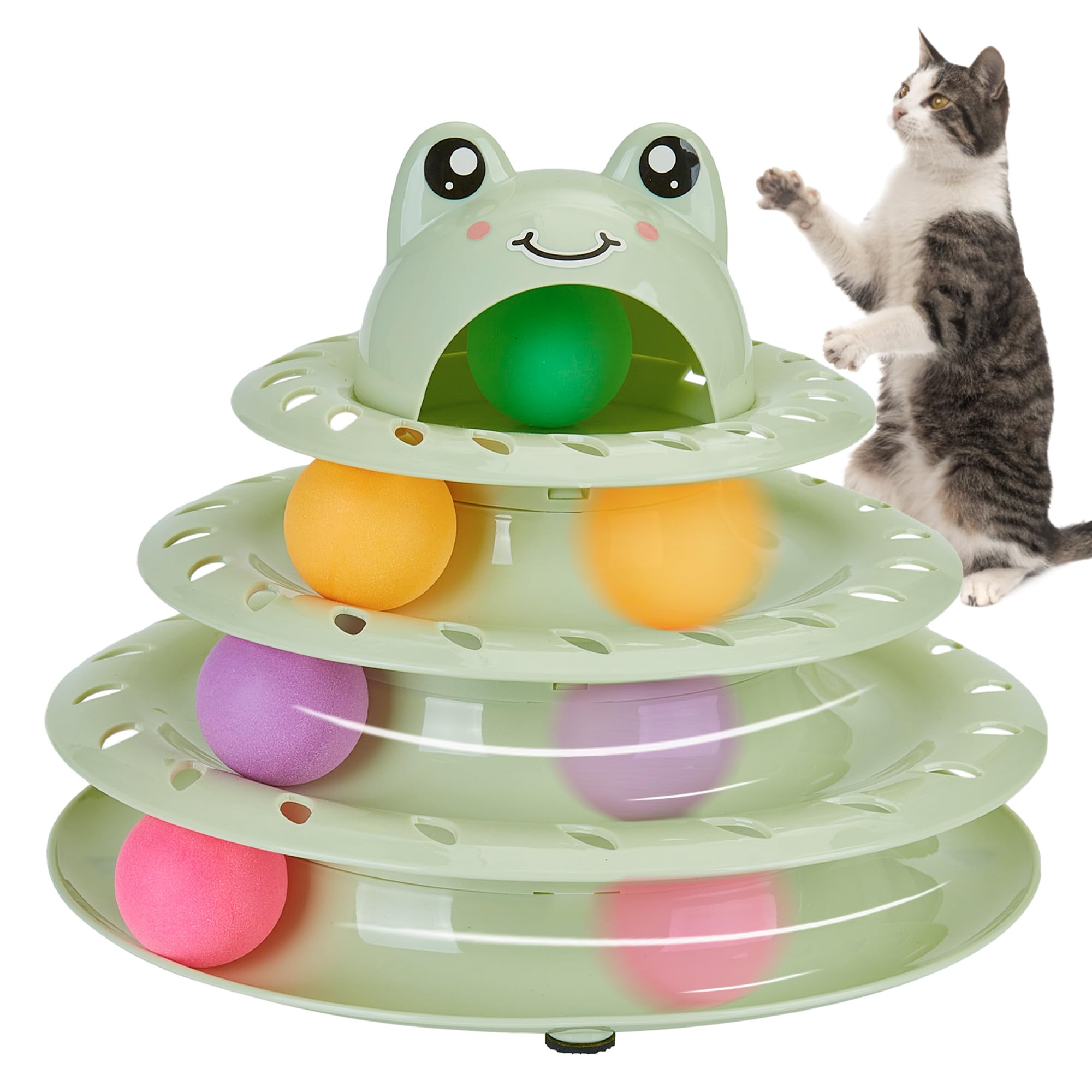
Interactive toys involve the owner, such as wand toys or laser pointers. These toys build bonds and offer exercise. Solo toys, like balls or stuffed mice, let cats play alone. Both types are important for mental and physical health.
Benefits Of Toy Chasing
Toy chasing offers many benefits for cats. It keeps them healthy and happy. Cats enjoy the thrill of the chase and it serves important purposes. Watching your cat play with toys shows their natural instincts. Toy chasing helps cats in several key ways.
Physical Exercise
Chasing toys helps cats stay active. It strengthens muscles and improves coordination. Regular movement prevents obesity and related health problems. Cats burn energy and maintain good fitness. Playtime mimics hunting, which is vital for their body.
Mental Stimulation
Toys challenge a cat’s mind. They encourage problem-solving and focus. Mental activity reduces boredom and destructive behavior. Cats stay sharp and alert through play. It gives them a chance to use their instincts creatively.
Stress Relief
Playing with toys helps cats relax. It lowers anxiety and frustration levels. Toy chasing provides a safe outlet for pent-up energy. Cats feel calmer and more content afterward. Playtime builds trust and strengthens bonds with owners.
Credit: www.amazon.com
Age And Energy Levels
The age and energy levels of your cat significantly influence their play behavior. Younger cats brim with energy, always ready to pounce on anything that moves, while older cats might prefer a more relaxed approach to playtime. Understanding these differences can help you choose the right toys and activities to keep your feline friend happy and healthy.
Kittens Vs Adult Cats
Kittens are natural explorers with boundless energy. They’re curious about everything, making them eager to chase toys that mimic prey. A simple ball or a feather wand can provide hours of entertainment for a kitten.
Adult cats, on the other hand, might not have the same endless energy reserves. They often engage in bursts of activity followed by periods of rest. Interactive toys that challenge their minds, like puzzle feeders, can be more appealing to them.
Senior Cats And Play
Senior cats tend to be less active and may not chase toys as vigorously as they did in their younger years. However, play is still important for their mental stimulation and physical health. Gentle toys that are easy to bat around or soft toys that they can cuddle can be ideal.
Consider your senior cat’s mobility when selecting toys. Items that require minimal jumping or running are usually best.
Adjusting Toys To Age
Choosing age-appropriate toys for your cat ensures they remain engaged and happy. For kittens, opt for toys that stimulate their natural hunting instincts. Balls, laser pointers, and small stuffed animals are excellent choices.
For adults, mix things up with toys that offer a bit of a challenge. Interactive toys or those that dispense treats can keep them entertained. For senior cats, prioritize comfort and ease of play. Soft, plush toys or gentle wand toys can provide enjoyment without overexertion.
Have you noticed how your cat’s play preferences change with age? Adjusting their toys can make a world of difference in maintaining their interest and activity levels.
Environmental Influences
Cats’ play behavior changes a lot based on their surroundings. The environment shapes how often and why cats chase toys. Different living conditions give cats different chances to use their hunting skills. These factors affect a cat’s interest in toys and how they play.
Indoor Vs Outdoor Cats
Indoor cats often have fewer chances to explore or hunt. Toys become their main way to practice hunting skills. Outdoor cats get more natural stimuli from birds, bugs, and moving leaves. They might chase toys less because real prey is around. Indoor cats rely more on toys to stay active and entertained.
Impact Of Space And Safety
Space affects how cats chase toys. Small spaces can limit a cat’s running and jumping. Open areas let cats move freely and show more energetic play. Safety is important too. Cats feel safer indoors or in secure yards. They will chase toys more if they feel calm and not threatened.
Owner Interaction
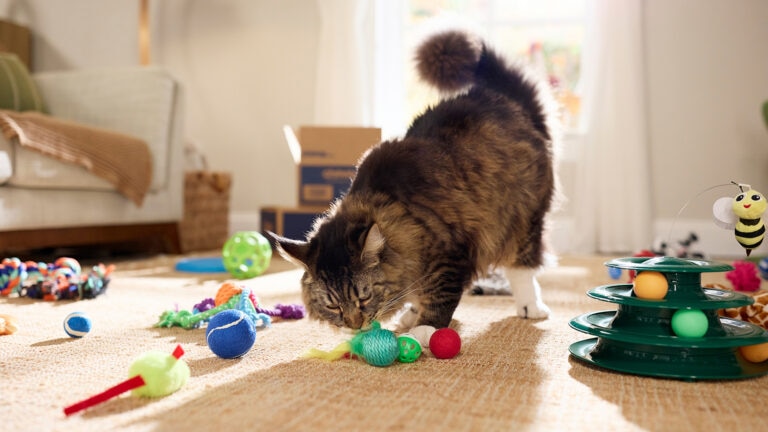
Owner involvement increases a cat’s interest in toys. Cats enjoy playing with their humans. Interactive play helps build trust and bond. Toys moved by owners mimic real prey and attract cats. Solo play can be less exciting without owner participation. Cats chase toys more when their owners join in the fun.
Credit: www.chewy.com
Signs Of Overstimulation
Watching your cat chase toys is fun, but it’s important to notice when playtime shifts from enjoyable to overwhelming. Signs of overstimulation can sneak up quickly, turning a happy moment into stress or even aggression. Recognizing these signals early helps keep play safe and fun for both of you.
Recognizing When To Stop
Your cat’s body language tells you when play has gone too far. Look for dilated pupils, flattened ears, or a twitching tail—these are clear signs your cat is getting overstimulated. If your cat suddenly freezes or starts biting or scratching more aggressively, it’s time to pause the game.
Have you ever noticed your cat’s mood shift mid-play? Stopping at the right moment prevents frustration and helps your cat stay comfortable. Don’t wait for a full-blown reaction; acting early keeps play positive.
Preventing Aggression
Overstimulation can lead to unwanted biting or scratching, which can be painful for you and stressful for your cat. To prevent this, stop play sessions before your cat reaches this tipping point. Use toys with long handles to keep your hands at a safe distance.
Try to read your cat’s limits and respect them. If your cat often reacts with aggression after chasing toys, consider shorter, more frequent playtimes. This reduces buildup of excess energy without pushing your cat too far.
Safe Play Practices
Choose toys that encourage gentle interaction, like feather wands or soft mice. Avoid using your hands or feet as toys, as this can confuse your cat and increase overstimulation. Make sure to provide a calm environment, free from loud noises or sudden movements.
After play, give your cat a quiet space to relax and unwind. This helps your cat process excitement and prevents lingering stress. Have you thought about mixing active play with quiet cuddle time to balance stimulation?
Frequently Asked Questions
Why Do Cats Instinctively Chase Toys?
Cats chase toys because it mimics hunting behavior. It helps them practice stalking and pouncing skills. This instinct is natural and satisfies their predatory drive. Toys provide mental and physical stimulation, keeping cats entertained and healthy.
How Does Chasing Toys Benefit Cats?
Chasing toys improves cats’ agility and coordination. It helps release their pent-up energy and reduces stress. Playtime also strengthens the bond between cats and their owners. Regular play keeps cats mentally sharp and physically fit.
What Types Of Toys Do Cats Prefer To Chase?
Cats prefer small, moving toys like feather wands, laser pointers, or balls. Toys that mimic prey movements trigger their hunting instincts. Interactive toys that move unpredictably keep cats engaged longer. Variety in toys prevents boredom and encourages active play.
Can Chasing Toys Reduce Destructive Behavior In Cats?
Yes, chasing toys can reduce destructive behavior. It channels their energy into positive activities. Engaging cats in play prevents boredom, which often leads to scratching or biting. Regular playtime helps create a happy and well-behaved cat.
Conclusion
Cats chase toys because it feels natural and fun to them. This behavior helps keep their minds sharp and bodies active. Toys mimic prey, which triggers their hunting instincts. Chasing also reduces stress and boredom in cats. Giving your cat toys supports their health and happiness.
Watching them play can bring joy to your home. Remember, a happy cat is a healthy cat. Keep their playtime frequent and varied for best results. Simple toys can lead to endless fun and bonding.

Leave a Reply