You want the best for your kitten, and that includes feeding them the right food at the right time. But how do you know when to switch from kitten food to adult cat food?
Making this change too early or too late can affect your cat’s health and energy. You’ll discover clear signs and expert tips to help you make the switch at just the right moment. Keep reading to ensure your furry friend grows strong and happy every step of the way.
Growth Stages Of Cats
Understanding the growth stages of cats is important for proper feeding. Each stage requires different nutrients to support health and development. Feeding the right food at the right time helps your cat grow strong and stay healthy.
Kitten Development Phases
Kittens grow quickly during their first year. Their development can be divided into key phases:
- Neonatal (0-2 weeks):Kittens rely on their mother’s milk for nutrition.
- Transitional (2-4 weeks):Eyes and ears open; they start exploring their surroundings.
- Socialization (4-12 weeks):Kittens learn to play and interact; they begin eating soft solid food.
- Juvenile (3-6 months):Rapid growth continues; kittens become more active and curious.
- Adolescence (6-12 months):Growth slows; they develop adult behaviors and physical features.
Nutritional Needs By Age
Kittens need food rich in protein, fat, and essential vitamins. Their bodies use these nutrients for energy and growth. Kitten food supports brain development and strong bones.
Adult cats need fewer calories but balanced nutrients to maintain health. Their food contains less fat and calories but enough protein to keep muscles strong.
| Age | Diet Focus | Key Nutrients |
|---|---|---|
| 0-12 months | Growth and development | High protein, fat, DHA, calcium |
| 1 year and older | Maintenance and health | Balanced protein, moderate fat, vitamins |

Credit: www.tippaws.com
Signs To Switch Food
Recognizing the right moment to switch your kitten to adult cat food is essential. Certain signs show that your kitten’s diet needs to change to support their growth and health. These signs appear in their body and behavior. Watching closely helps you make the best choice for your cat’s nutrition.
Physical Indicators
- Steady weight gain slows or stops
- Coat looks less shiny or soft
- Teeth start to appear stronger and fully grown
- Body size approaches adult cat proportions
- Energy levels become stable, not overly hyperactive
These physical changes show your kitten is growing up. Their nutritional needs shift from kitten formula to adult maintenance.
Behavioral Changes
- Eating habits become less frequent but larger in portions
- Less playful and more calm during the day
- Shows interest in adult cat food texture and taste
- Begins grooming more independently
- Spends more time resting and less time exploring
Behavioral shifts reflect their maturing body and metabolism. These signs can guide you to start the food transition smoothly.
Choosing The Right Adult Food
Choosing the right adult cat food is essential for your cat’s health and happiness. Adult cats have different needs than kittens. Their growth has slowed, and their energy requirements change. Feeding the correct food supports their overall well-being and keeps them active. Selecting food with the right nutrients helps maintain a healthy weight and strong immune system.
Key Nutrients To Look For
- Protein:Supports muscle maintenance and repair.
- Fat:Provides energy and aids in vitamin absorption.
- Fiber:Helps with digestion and prevents hairballs.
- Vitamins and minerals:Strengthen bones and boost immunity.
- Taurine:Essential amino acid for heart and eye health.
- Water content:Keeps cats hydrated, especially if feeding dry food.
Types Of Adult Cat Food
| Type | Description | Benefits |
|---|---|---|
| Dry Food | Crunchy kibble with low moisture content. | Easy to store, helps clean teeth. |
| Wet Food | High moisture canned food. | Hydrating and often more palatable. |
| Semi-Moist Food | Soft, chewy texture with moderate moisture. | Convenient and tasty but less common. |
| Raw or Homemade Food | Fresh ingredients prepared at home or bought raw. | Natural and customizable, requires care for safety. |
Transitioning Tips
Kittens usually switch to adult cat food around one year old. Watch for slower growth and less playful energy to know it’s time. Gradually mix adult food with kitten food over a week for a smooth change.
Transitioning your kitten from kitten food to adult cat food is a crucial step in their development. It’s not just about switching the food, but ensuring that your feline friend is ready for the change. A smooth transition requires a thoughtful approach, which involves observing your kitten’s growth and habits. Are you prepared to guide your kitten through this change? Let’s explore some practical tips to ease this transition.Gradual Food Changes
Switching your kitten to adult cat food should be a gradual process. Begin by mixing a small amount of adult cat food with their usual kitten food. Gradually increase the proportion of adult food over a week or two. This method allows your kitten’s digestive system to adjust without causing discomfort. It’s important to keep an eye on your kitten’s reaction to the new food. If they show any signs of tummy trouble, slow down the transition.Monitoring Health During Switch
Pay close attention to your kitten’s health and behavior during the food transition. Look for any changes in their stool or appetite. A healthy transition should not result in vomiting or diarrhea. If you notice such symptoms, it may be wise to consult your veterinarian. Regular weight checks can also help ensure your kitten is getting the nutrition they need. Is your kitten maintaining a healthy weight, or are they losing too much? These observations can guide you in making the necessary adjustments to their diet. Remember, you’re not just feeding your cat—you’re nurturing a healthy life.Common Mistakes To Avoid
Switching a kitten to adult cat food is a key moment in their growth. Many pet owners make mistakes that affect their cat’s health. Avoiding these errors helps ensure your cat gets the right nutrients at the right time.
Switching Too Early Or Late
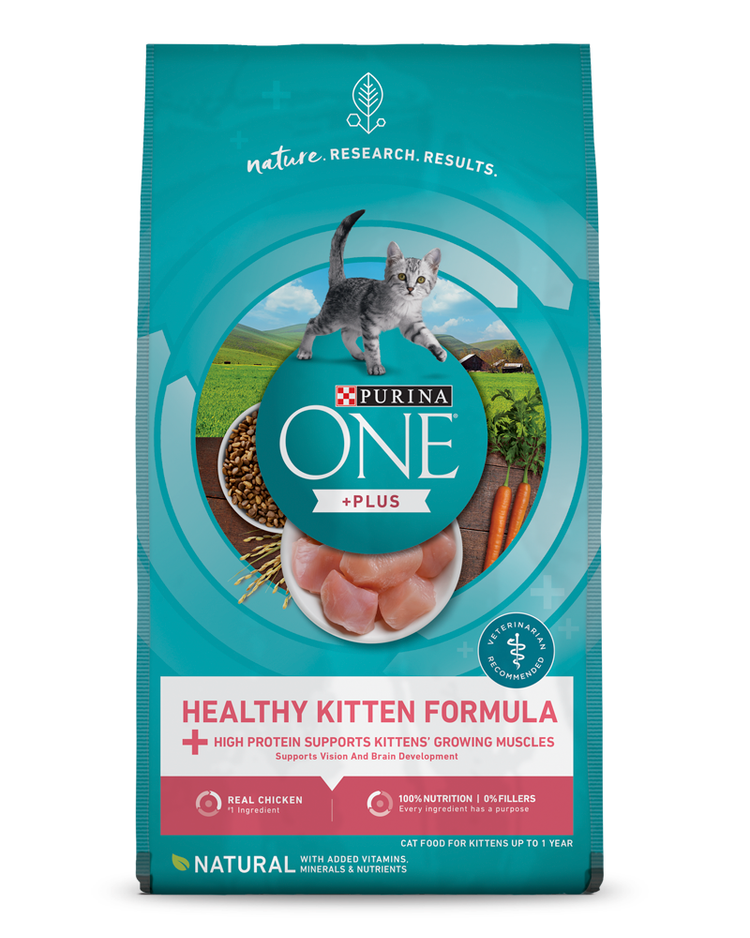
Switching too early can cause digestive problems. Kittens need more calories and nutrients than adult cats. Their food supports rapid growth and brain development.
Switching too late may lead to weight gain. Adult cat food has fewer calories. Feeding kitten food for too long can cause obesity and other health issues.
Ignoring Dietary Preferences
Some cats prefer wet food, others dry. Forcing one type can make your cat reject meals. Pay attention to your cat’s texture and flavor likes.
Ignoring allergies or sensitivities is a common error. Watch for signs like itching or vomiting. Choose food that fits your cat’s unique needs.
Credit: www.purina.com
Veterinarian Recommendations
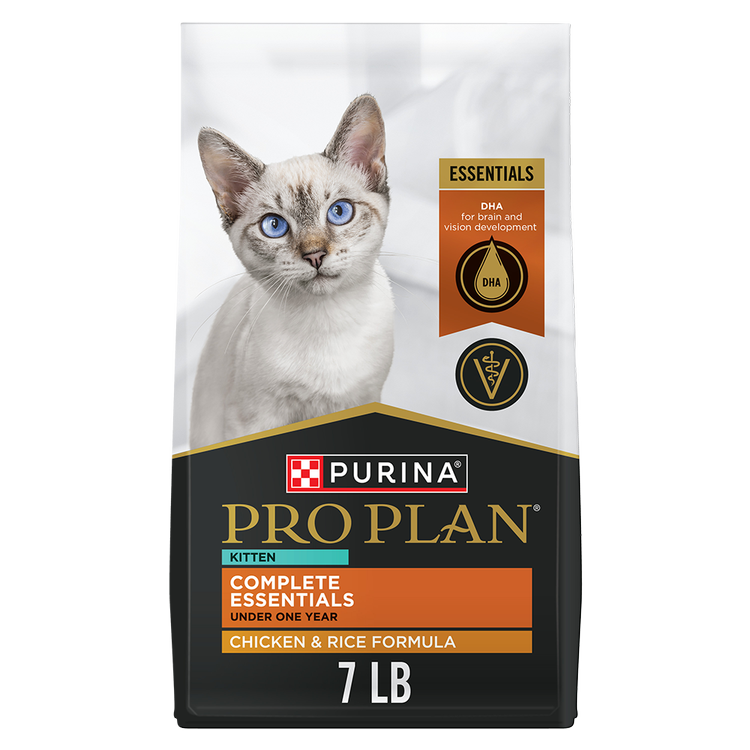
Veterinarians play a key role in guiding when to switch a kitten to adult cat food. Their advice ensures your cat’s diet supports healthy growth and long-term wellness. Every kitten is unique, so professional guidance helps meet specific needs.
When To Consult A Vet
Schedule a vet visit around your kitten’s first birthday. This check-up helps assess growth and health. Discuss your plans to change food. Vets watch for signs your kitten is ready for adult nutrition. These signs include:
- Stable weight and body condition
- Completion of most growth stages
- Good dental development
- Normal activity levels
Consult sooner if your kitten has health issues or special needs. Vets can spot problems that impact diet changes. Early advice prevents feeding errors and nutrition gaps.
Personalized Feeding Plans
Vets create feeding plans tailored to your cat’s age, health, and lifestyle. They recommend the best food types and portion sizes. Plans may include:
- Gradual food transitions over weeks
- Mixing kitten and adult food for smooth change
- Adjusting feeding amounts as weight changes
- Special diets for medical conditions
Following a personalized plan makes the switch easier. It supports your cat’s digestion and nutrient absorption. Your vet’s advice helps your cat thrive at every stage.
Credit: www.purina.com
Frequently Asked Questions
When Is The Right Age To Switch Kitten Food?
Switching usually occurs between 9 to 12 months. At this age, kittens reach adulthood and need different nutrients. Consult your vet to tailor the timing to your cat’s growth and health.
What Signs Show My Kitten Needs Adult Food?
Look for slowed growth and reduced energy. Also, if your kitten eats less kitten food, it may be time to switch. Always monitor your cat’s health during the transition.
How To Transition Kitten To Adult Cat Food Safely?
Gradually mix adult food with kitten food over 7-10 days. Increase adult food proportion slowly to avoid digestive upset. This helps your cat adapt comfortably to the new diet.
Can I Feed Adult Food To A Young Kitten?
No, adult food lacks essential nutrients for kittens. Kittens need higher protein and fat for growth. Feeding adult food too early may harm their development.
Conclusion
Switching a kitten to adult cat food needs care and timing. Most kittens grow fast and need kitten food until about one year. Watch your cat’s size and energy to know the right time. Adult cat food helps keep your cat healthy after growth.
Always change food gradually to avoid upset stomachs. Feeding the right food supports your cat’s health and happiness. Keep an eye on your cat’s needs and talk to your vet if unsure. This simple change makes a big difference in your cat’s life.



Leave a Reply