
Have you ever looked closely at your cat’s teeth and wondered if they are as healthy as they should be? Your cat’s teeth are more than just tools for chewing—they play a key role in their overall health and happiness.
Knowing what healthy cat teeth look like can help you spot problems early and keep your furry friend comfortable. You’ll discover the signs of healthy teeth and gums, how to check them yourself, and what to watch out for. Keep reading to learn how to give your cat the smile they deserve.
Appearance Of Healthy Cat Teeth
Healthy cat teeth show clear signs of good dental care and overall health. Observing their appearance helps catch dental problems early. Strong, clean teeth support cats in eating and grooming comfortably. Knowing what healthy teeth look like is important for every cat owner.
Color And Texture
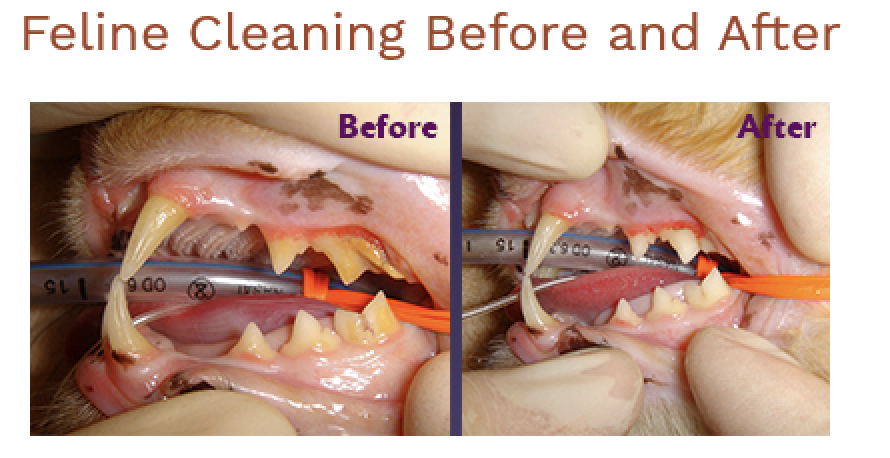
Healthy cat teeth are mostly white or light ivory. They should not have dark spots or stains. The surface feels smooth and hard to the touch. Teeth covered with plaque look yellow or brown. Gum areas near teeth should be pink and firm, not red or swollen.
Shape And Alignment
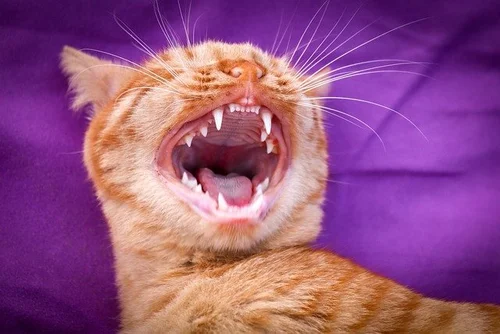
Cat teeth have sharp, pointed shapes, perfect for tearing food. Canines are long and curved, while molars are flatter for grinding. Teeth should fit well without crowding or gaps. Misaligned teeth can cause pain or difficulty eating. A straight and tidy arrangement shows good dental health.
Gum Condition To Watch For
Healthy cat gums are a key part of overall dental health. Observing the gums helps detect problems early. Pay close attention to their color and texture. Changes in these signs can mean health issues. Regular checks can keep your cat’s mouth healthy and pain-free.
Color And Firmness
Healthy cat gums should be pink, not red or pale. Pale gums may signal anemia or poor blood flow. Bright red gums can indicate irritation or infection. The gums should feel firm and snug around the teeth. Soft or swollen gums can point to inflammation or disease.
Signs Of Inflammation
Inflamed gums often appear swollen and red. They may bleed easily during brushing or chewing. Watch for bad breath, a common inflammation sign. Cats might drool more than usual or avoid food. Early inflammation can lead to serious gum disease if ignored.
Breath And Oral Hygiene
Good breath and oral hygiene are key signs of healthy cat teeth. Cats with clean mouths usually have fresh breath and show no discomfort while eating. Keeping a cat’s mouth clean helps avoid infections and keeps teeth strong. Regular checks of a cat’s breath and gums give clues about their dental health.
Normal Cat Breath
Normal cat breath has a mild, neutral smell. It is not sweet, sour, or foul. Cats use their tongues to clean teeth and gums. This helps reduce bacteria and keep breath fresh. Small amounts of plaque and saliva are normal in a healthy mouth. A clean mouth means the cat can eat and groom comfortably.
Indicators Of Dental Problems
- Bad breath that smells strong or foul
- Red or swollen gums around teeth
- Excessive drooling or pawing at the mouth
- Difficulty eating or chewing
- Visible tartar buildup or loose teeth
These signs often point to dental disease or infection. Bacteria build up and cause gum inflammation and decay. Untreated problems can lead to pain and tooth loss. Regular dental care and vet visits prevent these issues. Observing your cat’s breath and mouth health helps catch problems early.

Credit: www.pawsatprospectvet.com.au
Common Dental Issues In Cats
Keeping your cat’s teeth healthy is vital for their overall well-being. Dental issues can cause pain and affect their eating habits. Understanding common dental problems helps in maintaining their dental health.
Plaque And Tartar Buildup
Plaque is a sticky film of bacteria on teeth. Over time, it hardens into tartar. Tartar can cause gum inflammation and bad breath. Regular brushing helps prevent buildup. Professional cleanings may be needed for severe cases.
Tooth Decay And Damage
Tooth decay occurs when bacteria break down tooth enamel. It can lead to cavities and tooth loss. Cats may also chip or crack teeth. Chewing on hard objects can cause this. Regular dental checks help spot these issues early.
Behavioral Signs Of Dental Health
Noticing changes in your cat’s behavior can reveal a lot about their dental health. Cats rarely show pain openly, so observing how they act during daily routines can help you catch dental issues early. Paying attention to subtle signs in their eating and grooming habits can save your cat from discomfort and costly vet visits.
Eating Habits And Chewing
Has your cat suddenly become picky about food or started dropping kibble while eating? These changes often indicate dental discomfort. Cats with healthy teeth will chew consistently and finish meals without fuss.
Look for signs like:
- Reluctance to eat hard food
- Favoring one side of the mouth
- Chewing slowly or hesitantly
- Excessive drooling during meals
When my cat began avoiding dry food, I discovered a painful tooth after a vet check. Catching these behaviors early means you can address problems before they worsen.
Avoidance And Pawing At Mouth
If your cat frequently paws at their mouth or rubs their face against furniture, it could be a sign of dental pain or irritation. This behavior often signals discomfort that your cat can’t express otherwise.
Other signs to watch for include:
- Head shaking or sudden jerks
- Reluctance to be touched around the face
- Foul breath or visible swelling
Have you noticed your cat pawing at their mouth after playing or grooming? It’s worth checking their teeth or scheduling a vet visit to rule out dental issues before they affect their overall well-being.
Credit: www.cummingvetclinic.com
Tips For Maintaining Healthy Teeth
Maintaining healthy cat teeth requires regular care and attention. Good dental habits prevent pain and disease. Simple daily actions make a big difference. Consistency is key for strong, clean teeth and fresh breath. Healthy teeth help cats eat well and stay happy.
Regular Brushing Techniques
Brush your cat’s teeth gently every day. Use a soft, small toothbrush made for cats. Choose toothpaste made for pets only. Human toothpaste can harm cats. Start slowly to help your cat get used to brushing. Focus on the front teeth and the gum line. Use small, circular motions. Keep sessions short and calm. Praise your cat with gentle words or treats after brushing.
Diet And Dental Treats
Feed your cat food that supports dental health. Dry kibble can help reduce plaque buildup. Special dental diets are available from your vet. Offer dental treats designed to clean teeth. These treats can lower tartar and freshen breath. Avoid giving sticky or sugary snacks. Always provide fresh water to rinse the mouth. Regular vet checkups help monitor your cat’s dental health.
When To See A Vet
Knowing when to see a vet for your cat’s teeth can protect their health. Cats hide pain well, so watch closely for signs. Early care prevents serious problems and keeps their mouth healthy.
Warning Signs Needing Attention
- Bad breath that does not go away
- Red, swollen, or bleeding gums
- Difficulty eating or dropping food
- Loose or broken teeth
- Excessive drooling or pawing at the mouth
- Swelling around the face or jaw
- Changes in behavior or mood
These signs suggest your cat’s teeth need professional care. Do not wait to get help.
Routine Dental Checkups
Regular dental checkups help spot problems early. Most vets recommend a dental exam once a year. Some cats may need more frequent visits based on health or age.
Checkups include cleaning, plaque removal, and oral exams. Healthy teeth support your cat’s overall well-being and comfort.
Credit: www.eliteveterinarycare.com
Frequently Asked Questions
What Do Healthy Cat Teeth Look Like?
Healthy cat teeth are clean, white, and free of plaque or tartar. Gums should be pink and firm, not red or swollen. Teeth alignment should be even without broken or loose teeth. Regular vet checkups help maintain dental health and prevent issues.
How Can I Tell If My Cat’s Teeth Are Healthy?
Check for clean, white teeth and pink gums without redness. Your cat should not have bad breath or difficulty eating. Look for no signs of swelling, bleeding, or loose teeth. Regular dental exams by a vet confirm good oral health.
Why Is Dental Health Important For Cats?
Good dental health prevents pain, infections, and tooth loss in cats. Poor oral hygiene can lead to serious health issues affecting the heart and kidneys. Regular dental care improves your cat’s quality of life and longevity. Early detection is key.
How Often Should I Check My Cat’s Teeth?
You should check your cat’s teeth weekly to monitor for any changes. Look for discoloration, bad breath, or swelling in the gums. Regular home checks combined with annual vet visits ensure early dental problem detection.
Conclusion
Healthy cat teeth look clean, white, and free from damage. They should have no bad smell or redness in the gums. Regular brushing and check-ups help keep teeth strong and pain-free. Watch for signs like drooling or difficulty eating. Early care prevents serious problems later.
A cat with healthy teeth stays happy and active. Take small steps to protect your pet’s smile every day. Simple care makes a big difference in your cat’s health.



Leave a Reply