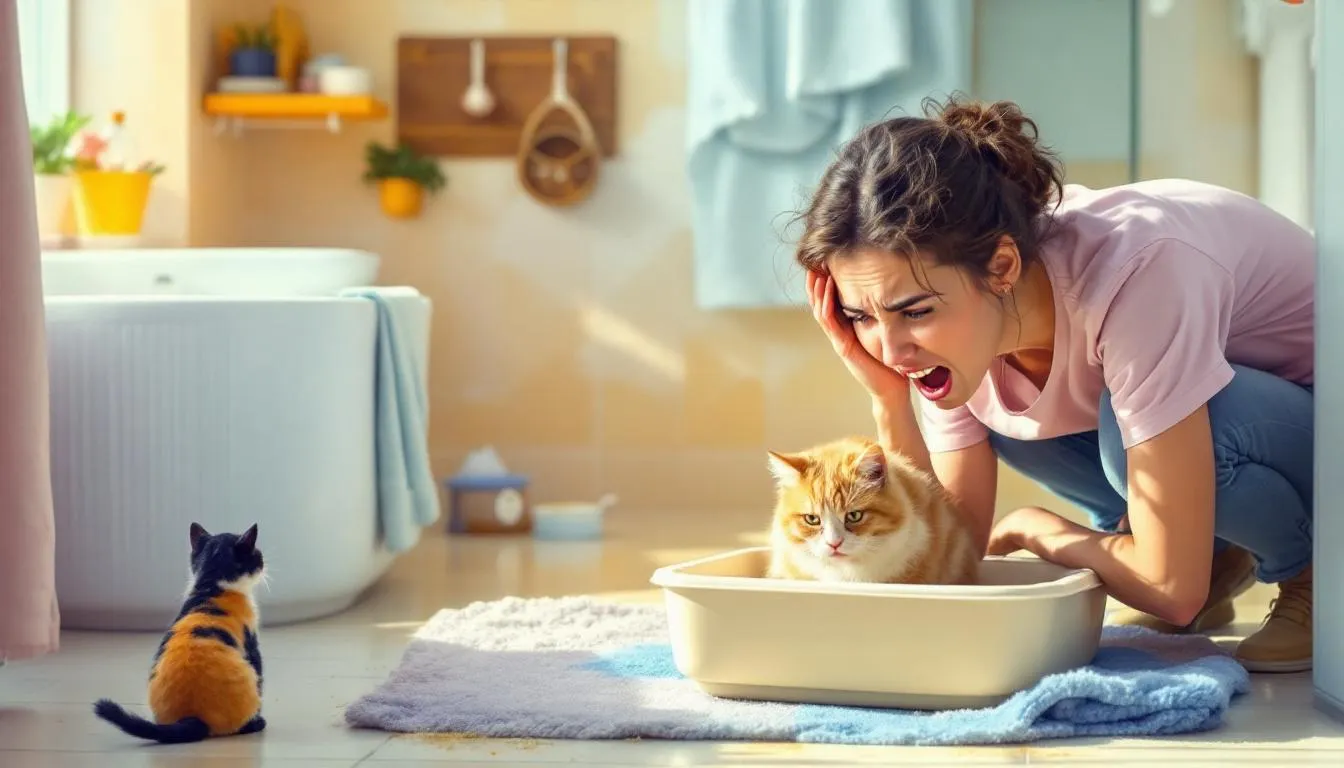
Have you noticed a strong, unpleasant cat pee smell in your home that just won’t go away? It’s more than just a nuisance—it could be a sign of health issues affecting your furry friend.
Ignoring this smell might mean missing important clues about your cat’s well-being. If you want to protect your pet and keep your home fresh, understanding why this smell happens and what it means is crucial. Keep reading to discover what your cat’s pee smell is telling you and how to tackle it effectively.
Credit: www.petscare.com
Sources Of Cat Pee Smell
Understanding where the cat pee smell comes from can help you tackle the problem more effectively. The odor is not just unpleasant; it can also indicate health issues in your cat or hygiene problems in your home. Let’s break down the main sources of this stubborn smell and what makes it so hard to ignore.
Common Causes Of Odor
Cat urine contains ammonia, urea, and other compounds that create a strong smell. When your cat has a urinary tract infection or kidney problems, their urine can smell even worse. Sometimes, stress or changes in diet can cause your cat to urinate outside the litter box, adding to the odor problem.
Dirty litter boxes or infrequent cleaning make the smell linger and grow stronger. If your cat marks territory by spraying, the concentrated urine will cause a more intense odor. Even healthy cats can produce strong-smelling urine if they don’t drink enough water or if the litter doesn’t absorb moisture well.
Where The Smell Lingers
The smell sticks to carpets, furniture, and fabrics quickly. Soft materials absorb the urine, making the odor hard to remove. Even after cleaning, traces can remain deep in the fibers, causing the smell to resurface days later.
Walls and baseboards can also hold onto the smell if your cat sprays there. Sometimes, the smell hides in cracks or under floorboards. This makes you wonder: have you checked all possible spots where your cat might have peed?
Why Cat Urine Smells Strong
Cat urine is more concentrated than many other animals because cats have evolved to conserve water. This concentration means the ammonia and other compounds are more potent. When urine dries, bacteria break down urea into ammonia, which creates that sharp, pungent smell.
The longer the urine sits, the stronger the smell becomes. This is why prompt cleaning is crucial. Have you noticed the smell getting worse if a spot isn’t cleaned right away?
Health Risks Linked To Cat Urine
Cat urine is more than just an unpleasant odor in your home—it can pose real health risks. Understanding these risks helps you protect yourself and your family. Ignoring the smell might mean exposing yourself to hidden dangers you didn’t expect.
Respiratory Problems
Cat urine releases ammonia, which can irritate your lungs and airways. If you or someone in your home has asthma or other lung conditions, this can trigger attacks or worsen symptoms.
People often overlook how lingering urine smells might cause coughing, wheezing, or shortness of breath. Have you noticed your breathing getting worse in certain rooms? That could be a sign of ammonia exposure.
Allergic Reactions
Some individuals are sensitive to proteins found in cat urine, leading to allergic reactions. Symptoms include sneezing, itchy eyes, and skin rashes.
Even if you aren’t allergic to cats themselves, the urine residue can still cause discomfort. Consider if your allergies flare up more when you’re near areas where your cat has urinated.
Bacterial Infections
Cat urine can harbor bacteria that cause infections, especially if left untreated. These bacteria may contaminate surfaces and air, increasing your risk.
Children and people with weakened immune systems are especially vulnerable. You should clean any urine spots promptly and thoroughly to reduce this risk.
Impact On Indoor Air Quality
Cat pee smell is more than just an annoying odor in your home. It can seriously affect the quality of the air you breathe indoors. Understanding how this smell impacts your indoor environment helps you take better care of your health and your living space.
Ammonia And Air Pollution
Cat urine contains ammonia, a strong chemical that releases into the air as the pee dries. Ammonia is a known irritant and can pollute the air inside your home. Unlike outdoor pollution, this happens in a closed space where the smell and chemicals concentrate.
If you’ve ever noticed a sharp, pungent smell from cat pee, that’s the ammonia at work. It can cause coughing, throat irritation, and even damage your lungs if the levels get high. Have you checked how well your home ventilates when this smell appears?
Long-term Exposure Effects
Living in a space with persistent cat pee odor means you’re exposed to ammonia regularly. Over time, this can worsen respiratory issues like asthma or bronchitis. It also lowers overall air quality, making your home less comfortable and potentially harmful.
Some people report headaches or nausea after spending time in rooms with a strong cat urine smell. This shows the importance of dealing with the source quickly. Would you leave a leak unattended if it was slowly poisoning your air?
Vulnerable Groups At Risk
Children, elderly people, and those with breathing problems are especially sensitive to ammonia in the air. Even short exposure can trigger severe reactions like wheezing or allergic responses. Pets themselves might also suffer more if the air quality is poor.
Think about your household members—are any of them in these groups? If yes, controlling cat pee smell isn’t just about comfort; it’s about protecting their health. Simple steps like cleaning accidents immediately and using air purifiers can make a big difference.

Credit: smart.dhgate.com
Hidden Dangers To Pets And Humans
Cat urine smell can pose hidden dangers to both pets and humans. The pungent odor is more than just a nuisance. It signals potential health risks. Understanding these risks is important for maintaining a healthy living environment.
Toxins In Cat Urine
Cat urine contains ammonia, a harmful chemical. Ammonia can irritate the eyes and lungs. Prolonged exposure may cause respiratory issues. Young children and pets are especially vulnerable. Additionally, cat urine may contain harmful bacteria. This bacteria can lead to infections in both humans and pets. Regular cleaning can help reduce these risks.
Cross-contamination Risks
Cat urine can contaminate surfaces in your home. Carpets, furniture, and fabrics are common targets. This contamination can spread bacteria and allergens. Handling contaminated items increases risk of infection. Always wash hands after cleaning cat urine. Use gloves and disinfect surfaces thoroughly.
Signs Of Health Issues
Exposure to cat urine may cause health problems. Watch for symptoms like coughing or sneezing. Eye irritation and skin rashes can also occur. Pets may show signs of respiratory distress. Monitor for changes in behavior or appetite. Seek medical advice if symptoms persist. Early intervention can prevent serious health issues.
Preventing And Managing Odor
Dealing with the strong smell of cat pee is not just about comfort—it’s about health. Persistent odor can signal underlying issues and affect your living space. You want to stop the smell before it takes over your home and your peace of mind.
Effective Cleaning Methods
Regular cleaning with the right products is key. Use enzymatic cleaners designed specifically for pet urine. They break down the odor-causing molecules instead of just masking the smell.
Avoid ammonia-based cleaners, as they can make your cat mark the same spot again. Try blotting fresh urine with paper towels immediately to prevent stains and odors from setting. Do you check your cleaning supplies for pet-safe labels?
Litter Box Maintenance Tips
Keeping the litter box clean is a top priority. Scoop waste at least once a day and change the litter completely every week. Dirty litter boxes not only smell bad but may cause your cat to pee elsewhere.
Place the box in a quiet, low-traffic area to encourage use. Consider using unscented, clumping litter to trap moisture and odor better. Have you noticed if your cat prefers a certain type of litter or box style?
Using Odor Neutralizers
Odor neutralizers can help maintain freshness between cleanings. Products containing activated charcoal or baking soda absorb smells naturally. Spray neutralizers designed for pets on carpets and furniture cautiously to avoid irritation.
You can also use air purifiers with HEPA filters to reduce airborne odors. Experiment with natural options like vinegar solutions for a budget-friendly approach. What odor control methods have worked best in your home?

Credit: beginagaindecon.com
When To Seek Medical Help
Musty cat pee smell can signal health problems in your home or pet. Knowing when to seek medical help protects both your cat and family. Persistent odors might mean infections or other issues. Acting quickly ensures better care and a cleaner environment.
Recognizing Symptoms
Watch for signs like frequent urination or blood in urine. Cats may lick their genitals often or strain to pee. Look for changes in behavior or appetite. These symptoms suggest a urinary tract infection or bladder problem. Early detection helps prevent serious health issues.
Professional Cleaning Services
Strong cat urine smell may require expert cleaning. Professionals use safe products to remove odors and bacteria. This helps reduce risks of infections spreading. Deep cleaning also prevents cats from marking the same spots again. A clean home supports your cat’s health and comfort.
Veterinary Advice For Cats
Visit a vet if your cat shows urinary symptoms or odor persists. Vets can diagnose infections or kidney problems with tests. They provide medicine to treat infections and ease discomfort. Follow vet advice for diet changes or medication. Proper care reduces odor and keeps your cat healthy.
Frequently Asked Questions
Why Does Cat Pee Smell So Strong And Persistent?
Cat pee contains high levels of ammonia and urea. These compounds create a strong, lingering odor. The smell intensifies if not cleaned immediately. Bacteria break down urine, worsening the odor over time.
Can Cat Pee Smell Indicate Health Problems?
Yes, unusually strong or foul-smelling urine can signal infections or kidney issues. Changes in pee odor or frequency warrant a vet visit. Early detection helps treat health problems effectively.
How To Remove Cat Pee Smell From The House?
Use enzymatic cleaners to break down urine compounds. Avoid ammonia-based products, which worsen the smell. Clean affected areas promptly to prevent lingering odors and repeated marking.
Does Cat Pee Smell Affect Human Health?
Prolonged exposure to cat urine smell can irritate the respiratory system. It may trigger allergies or worsen asthma symptoms. Proper cleaning reduces health risks associated with the odor.
Conclusion
Cat pee smell can signal health problems in your pet. Watch for changes in behavior or litter box habits. Early action helps avoid serious issues. Keep your cat’s environment clean and fresh. Regular vet visits ensure your cat stays healthy.
Understanding the cause of the smell protects both you and your pet. Don’t ignore persistent odors; they matter. Healthy cats mean a happier home for everyone.



Leave a Reply