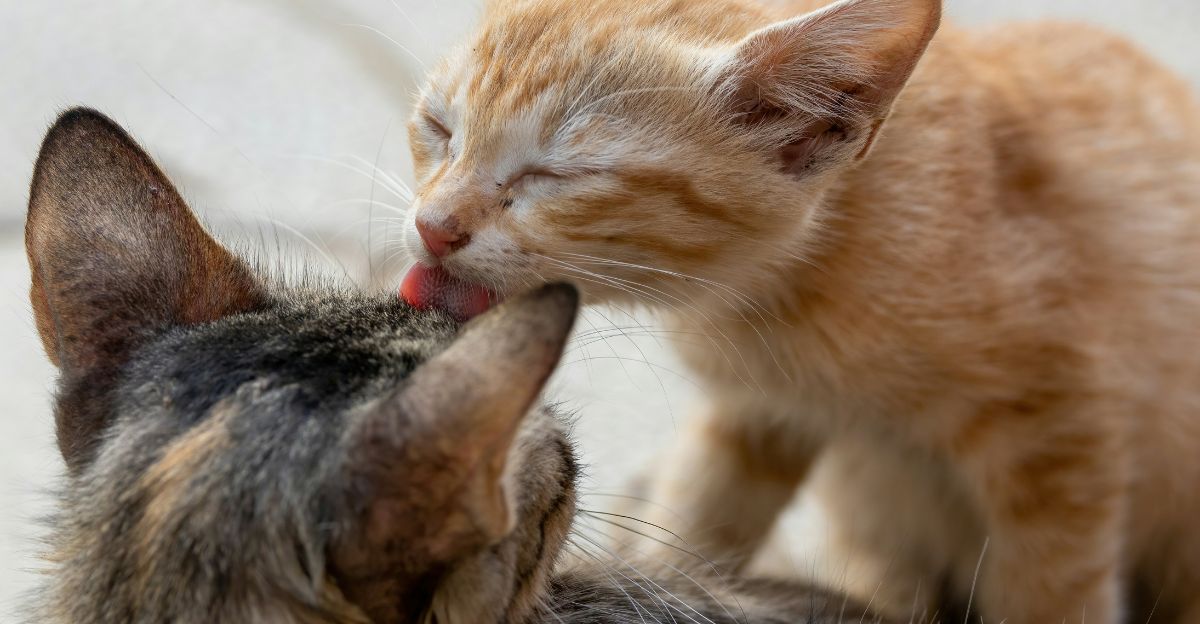
Have you ever watched your cat gently licking another cat and wondered why they do it? It’s more than just a cute habit.
When one cat grooms another, it’s a powerful way they communicate and build trust. Understanding this behavior can help you see your cats’ bond in a whole new light. If you want to know what your cat is really saying when they groom a friend, keep reading—you’ll discover surprising reasons behind this natural act that could change how you care for your feline friends.

Credit: www.youtube.com
Social Bonding
Cats often groom each other as a way to build and maintain social bonds. This behavior goes beyond cleanliness. It helps them connect and communicate. Social grooming shows trust and friendship between cats.
Strengthening Friendships
Grooming another cat helps create strong friendships. When cats lick each other, it shows acceptance and care. This act reduces stress and makes cats feel safe together. It also helps solve small conflicts by calming tensions. Grooming is a gentle way to say, “I trust you.”
Group Cohesion Benefits
In groups, grooming keeps cats united. It creates a sense of belonging and teamwork. Cats that groom each other work better as a group. They share warmth and protection. This behavior helps the entire group stay calm and organized. Group grooming makes life easier for all cats involved.
Scent Sharing
When cats groom each other, it’s more than just a way to stay clean. One important reason they do this is to share their scent. This scent sharing helps cats communicate and connect in ways you might not notice right away.
Marking Territory
Cats use grooming to spread their unique scent on each other. This scent acts like a natural marker, signaling to other cats that this space or group is taken. When your cat grooms another, it helps blend their scents together, creating a shared “territory.”
Think about how your cats behave around new places or animals. They often sniff and rub themselves on objects to leave their scent behind. Grooming a fellow cat is a similar way to claim an area as “ours.” This reduces fights and confusion between cats in the same home or neighborhood.
Creating Group Identity
Grooming also strengthens bonds by building a group identity. When cats lick each other, they mix their scents, making the group smell alike. This shared scent tells each cat they belong together.
Have you ever noticed your cats grooming right after meeting or before settling down to rest? It’s their way of saying, “You’re part of my team.” This behavior helps keep peace and trust, especially in multi-cat households.
Next time you see your cats grooming each other, remember they’re doing more than just cleaning—they’re building a community based on scent. How might this change the way you see their interactions?
Stress Relief
Cats groom each other to reduce stress and build trust. This shared grooming calms them and strengthens their bond. It creates a peaceful, happy environment between cats.
Cats are fascinating creatures with intriguing behaviors, one of which includes grooming each other. This act of mutual grooming, or allogrooming, is not just about keeping clean. It’s a form of stress relief. Grooming another cat can have calming effects that help maintain peace within the feline community. Let’s dive into how this simple yet profound act can benefit your feline friends.Calming Effects
When cats groom each other, it’s a bonding experience that releases endorphins. These happy hormones create a soothing effect for both the groomer and the one being groomed. You might notice your cats purring softly during these moments, a sure sign they are content and relaxed. Imagine coming home after a stressful day and receiving a calming massage. That’s what grooming does for cats. It reduces tension and fosters a peaceful environment, making your home a happier place for your pets.Reducing Anxiety
Anxiety in cats can manifest in various ways, from over-grooming themselves to becoming reclusive. Observing your cats grooming each other is a positive sign. It indicates they feel safe and secure, reducing their overall anxiety levels. Cats are social creatures, and grooming each other fulfills their need for companionship. If you ever notice one of your cats isolating themselves, encouraging gentle interactions can be beneficial. Consider this: when your cats groom each other, they’re not just sharing affection; they’re alleviating stress and building a stronger bond. Have you ever noticed how your mood improves when spending quality time with loved ones? It’s the same for cats. Mutual grooming offers them emotional comfort, helping them cope with stress and anxiety more effectively. So next time you see your cats grooming each other, take a moment to appreciate the peaceful harmony they’re creating.Hierarchy And Dominance
In cat communities, grooming is more than just cleaning. It plays a key role in showing hierarchy and dominance. Cats use grooming to communicate their social rank and to maintain order within their group. This behavior builds relationships and sets clear power roles among cats.
Establishing Social Rank
Grooming helps cats confirm who is in charge. Higher-ranking cats often groom others to show their status. The cat that receives grooming usually accepts its lower role. This act reduces fights and keeps peace in the group.
Through grooming, cats create bonds and trust. It’s a way to say, “You belong here.” Social rank becomes clear without loud or violent clashes.
Power Dynamics In Grooming
Dominant cats control the grooming sessions. They choose whom to groom and when. Subordinate cats rarely groom dominant ones back. This one-way grooming shows clear power balance.
Sometimes, dominant cats use grooming to remind others of their place. It can be gentle or firm. The grooming act sends strong signals about control and respect.
Mutual Grooming Benefits
Mutual grooming is a common behavior among cats that strengthens their social bonds. It involves cats licking and cleaning each other’s fur. This activity is more than just a friendly gesture; it offers important benefits that help cats stay healthy and comfortable.
Accessing Hard-to-reach Areas
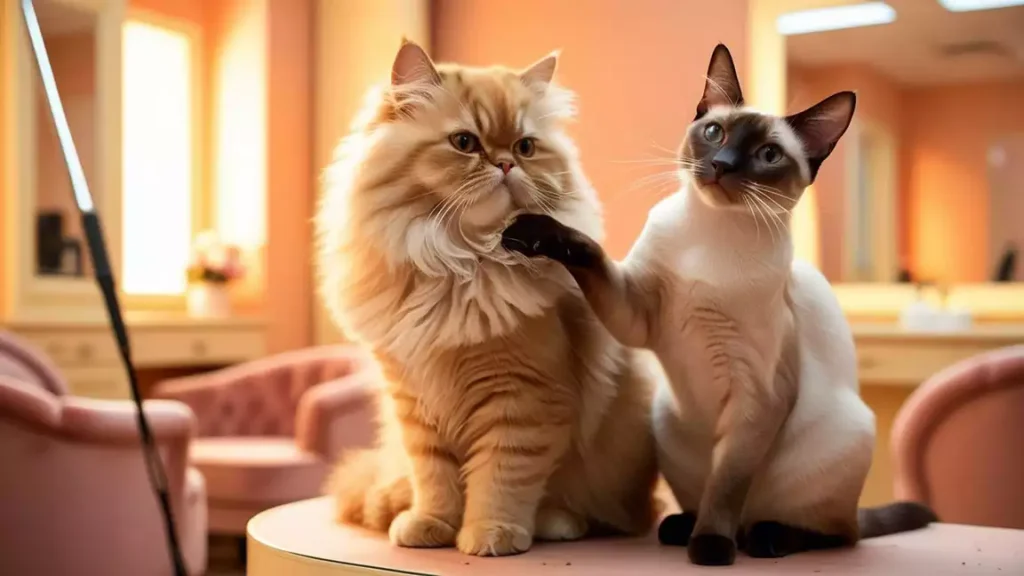
Cats cannot reach every part of their bodies easily. Some areas like the back of the head and neck are difficult to groom alone. When cats groom each other, they help clean these spots. This mutual care keeps their coats neat and free of dirt. It also prevents skin problems that can start in unclean areas.
Maintaining Hygiene
Mutual grooming helps remove loose fur, dirt, and parasites. Cats use their tongues to gently clean each other’s fur. This reduces the risk of fleas and ticks. It also spreads natural oils that keep the coat shiny and healthy. Clean fur helps cats feel comfortable and less itchy.
Credit: catgroomerla.com
Kitten Care And Learning
Kitten care and learning are crucial phases where young cats develop essential skills for their future. Grooming is more than just cleanliness; it’s a vital social and survival skill passed down through interaction and practice. Watching how kittens learn grooming from their mothers and other cats can help you understand their needs and behavior better.
Teaching Grooming Habits
Kittens pick up grooming habits by watching and imitating adult cats around them. This hands-on learning helps them understand how to clean themselves properly and stay healthy.
Grooming also teaches kittens patience and attention to detail. You might notice your kitten spending more time on certain spots, showing they’re learning what areas need care.
Have you seen your kitten pause and lick another cat? This action is their way of practicing and building trust. Encouraging these moments can strengthen bonds between your pets.
Mother-kitten Interaction
The mother cat plays the most important role in teaching her kittens grooming. She gently licks them to clean and stimulate their circulation, showing them how it’s done.
This interaction is a form of communication and comfort. Kittens feel safe and loved when groomed by their mother, which helps their emotional development.
Observing a mother cat’s grooming routine can reveal what your kitten is learning about hygiene and social behavior. It also raises the question: How can you support your kitten’s grooming skills if the mother is not around?
Health Indicators
When cats groom each other, it’s more than just a social activity—it’s a window into their health. You can learn a lot about a cat’s condition by watching how they groom one another. This behavior serves as a natural health check, often revealing hidden problems before they become serious.
Spotting Illness
Cats tend to groom other cats more carefully when something feels off. If you notice one cat obsessively licking or biting a specific area on another, it might signal pain or discomfort there.
Changes in grooming habits can be a red flag. A cat that suddenly stops grooming a friend might be feeling weak or ill, while the groomed cat could be hiding wounds or skin issues.
- Look for excessive licking in one spot—it might mean infection or irritation.
- Notice if a cat avoids grooming a particular area; it could indicate soreness.
- Observe if grooming sessions become more frequent or intense—stress or illness can cause this.
Have you ever seen a cat focus on a spot that seemed normal at first? That’s your chance to check more closely or consult a vet.
Promoting Well-being
Grooming between cats isn’t just about hygiene; it helps them feel secure and supported. This mutual care reduces stress and strengthens their bond, which improves overall health.
When cats groom each other, they stimulate blood flow and help remove dirt and loose fur. This keeps their skin healthier and reduces the risk of parasites like fleas.
- Regular grooming can prevent matting and skin infections.
- It encourages relaxation, which lowers harmful stress hormones.
- Shared grooming sessions can boost your cat’s mood and confidence.
Next time you see your cats grooming each other, think of it as a natural health boost. How often do you catch your cats in these caring moments?

Credit: basepaws.com
Frequently Asked Questions
Why Do Cats Groom Other Cats?
Cats groom other cats to strengthen social bonds and show affection. This behavior also helps maintain cleanliness and reduces stress among cats.
How Does Cat Grooming Benefit Their Relationship?
Grooming builds trust and reinforces social hierarchy. It promotes harmony within the group and reduces potential conflicts between cats.
Can Grooming Indicate Cat Friendship?
Yes, mutual grooming usually signals a strong friendship. Cats often groom those they feel safe and comfortable with.
Does Grooming Help Cats Feel Less Stressed?
Absolutely. Grooming has a calming effect and reduces anxiety. It helps cats relax and feel secure in their environment.
Conclusion
Cats groom other cats to show care and build strong bonds. This behavior helps them feel safe and loved. Grooming also keeps their fur clean and free of dirt. It reduces stress and helps cats relax together. Watching cats groom each other shows their trust and friendship.
Understanding this can help you better care for your pets. Keep observing your cats’ grooming habits to learn their feelings. It’s a simple way cats stay connected and happy.


Leave a Reply