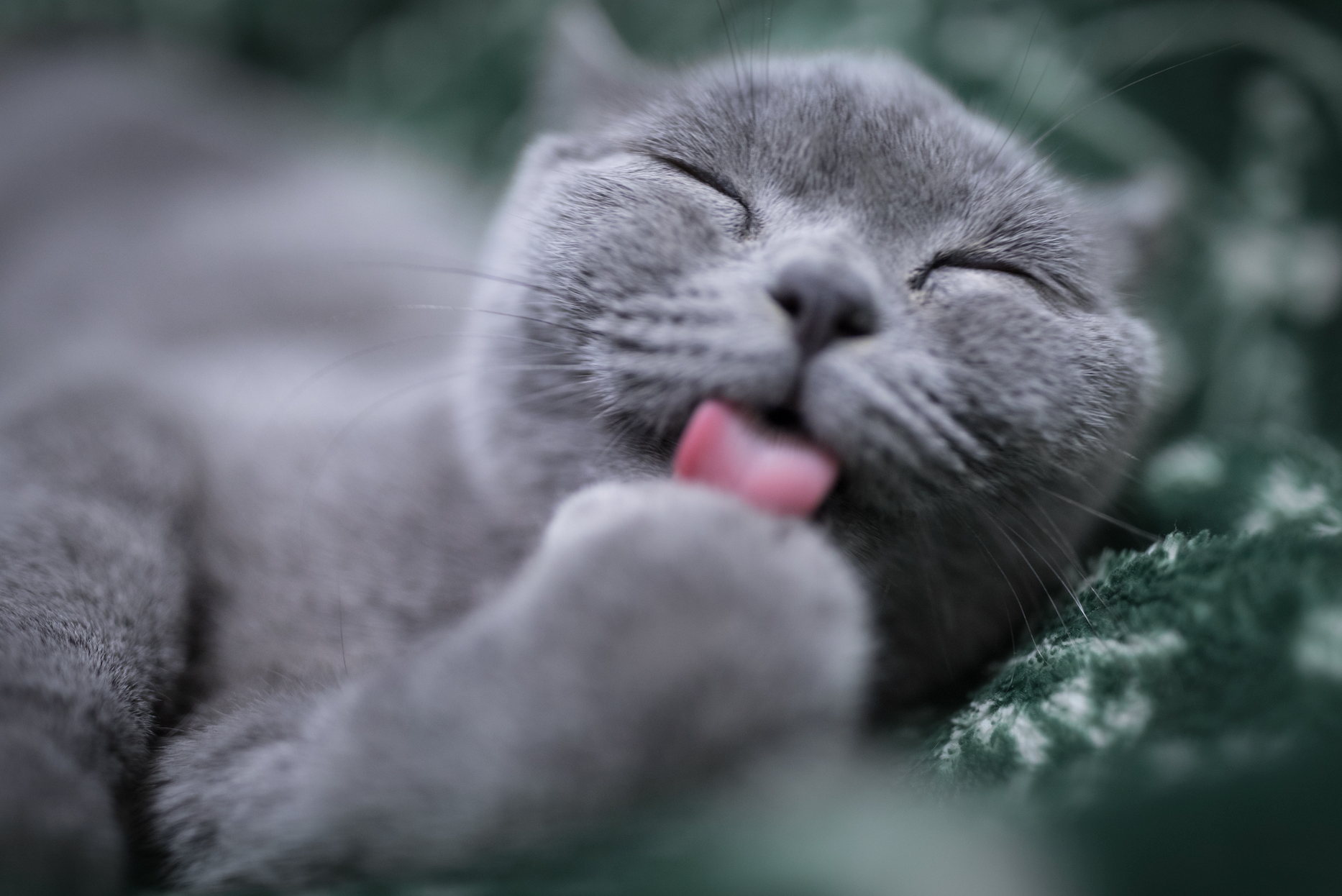
Have you noticed your cat licking or biting its fur more than usual? Over grooming in cats might seem harmless at first, but it can signal something important about your pet’s health or happiness.
Understanding what over grooming means can help you protect your furry friend from discomfort and deeper problems. Keep reading to discover why your cat is over grooming and what you can do to help.

Credit: www.reddit.com
Signs Of Over Grooming
Over grooming in cats is more than just a neat habit. It often signals stress or health issues. Knowing the signs helps catch problems early. Watch your cat carefully for these symptoms.
Bald Patches And Hair Loss
One clear sign is bald patches on the fur. Hair loss appears uneven or in spots. These areas may feel rough or sensitive to touch. Notice if your cat’s coat looks thinner than usual.
Redness And Skin Irritation
Skin often becomes red and irritated from too much licking. You might see small sores or scabs. The skin can look inflamed or swollen. These signs show the cat is damaging its skin.
Excessive Licking And Biting
Over grooming means licking or biting more than normal. The cat may focus on one area repeatedly. This behavior can cause pain or discomfort. It often worsens without treatment or change.
Changes In Behavior
Your cat may act differently during over grooming episodes. It might hide or seem restless. Sometimes, the cat becomes more anxious or aggressive. These changes reflect stress that triggers over grooming.

Credit: petcube.com
Common Causes
Over grooming in cats can signal several underlying issues. Understanding common causes helps identify the problem early. Cats may groom themselves excessively due to physical or emotional reasons. Recognizing these triggers supports better care and treatment.
Stress And Anxiety
Cats feel stress from changes in their environment. Loud noises, new pets, or moving can upset them. Over grooming becomes a way to cope with anxiety. This behavior helps them feel calm but can harm their skin.
Allergies And Skin Conditions
Allergies often cause itching and irritation. Food, dust, or pollen may trigger allergic reactions. Skin conditions like dermatitis lead to redness and discomfort. Cats lick or bite these areas to relieve itching.
Parasites And Infections
Fleas, mites, and ticks cause intense itching. Parasite bites make cats scratch and groom more. Skin infections from bacteria or fungi worsen the problem. These infections need prompt veterinary treatment to heal.
Pain And Discomfort
Injury or illness can cause localized pain. Cats may lick sore spots to soothe discomfort. Arthritis or joint pain also leads to over grooming. Identifying pain sources helps manage this behavior effectively.
Environmental Factors
Temperature and humidity affect skin health. Dry air can cause flaky, itchy skin. Poor grooming areas or dirty bedding worsen skin issues. A clean, comfortable space reduces over grooming risks.
Health Risks Of Over Grooming
Over grooming in cats is more than just a quirky habit—it can seriously affect their health. When your cat licks or bites its fur excessively, it might be trying to cope with stress, allergies, or pain. Understanding the health risks behind this behavior helps you act quickly to protect your furry friend.
Skin Damage And Infections
Excessive grooming can cause your cat’s skin to become raw and irritated. Constant licking breaks down the protective barrier, making the skin vulnerable to wounds and infections.
Open sores can attract bacteria, leading to painful infections that require veterinary treatment. Have you noticed bald patches or scabs on your cat? These could be signs of skin damage caused by over grooming.
Hairballs And Digestive Issues
When cats groom themselves too much, they swallow a lot of loose fur. This can lead to frequent hairballs, which might cause discomfort or blockages in the digestive tract.
Blockages are serious and might require medical intervention. If your cat is coughing up hairballs often or showing signs of vomiting and constipation, over grooming could be the root problem.
Behavioral Problems
Over grooming often signals underlying stress or anxiety in cats. It might be your cat’s way of coping with boredom, changes at home, or even pain.
This behavior can spiral, leading to obsessive grooming and worsening health. Have you thought about what might be stressing your cat? Identifying triggers can help you reduce this harmful habit.
Preventive Measures
Over grooming in cats can be concerning for pet owners. It often indicates stress, health issues, or environmental factors. Understanding preventive measures can help manage and reduce this behavior.
Creating A Calm Environment
Cats need a peaceful space to thrive. Reduce loud noises and sudden changes. Provide cozy resting areas. Offer interactive toys to keep them engaged. A calm environment lowers stress levels.
Regular Vet Checkups
Schedule regular checkups to monitor your cat’s health. Early detection of health issues is crucial. Discuss any behavioral changes with your vet. Regular visits ensure timely interventions.
Proper Nutrition And Hydration
Ensure your cat has a balanced diet. Provide fresh water daily. Nutritional deficiencies can lead to over grooming. Consult your vet for dietary recommendations. Proper nutrition supports overall health.
Parasite Control
Parasites can cause discomfort and lead to over grooming. Use vet-recommended flea and tick preventatives. Regularly check your cat for signs of infestation. Effective parasite control reduces skin irritations.
Treatment Options
Treating over grooming in cats involves several approaches. The goal is to reduce stress and heal the skin. Treatment depends on the cause and severity of the behavior. A vet’s guidance is important to choose the right option.
Medications And Topical Treatments
Medications can help control itching and inflammation. Vets may prescribe antihistamines or steroids. These reduce skin irritation and calm the cat. Topical creams and ointments soothe affected areas. Antibiotics may be needed for infections caused by over grooming.
Behavioral Therapy
Behavioral therapy addresses anxiety and stress triggers. Training helps change the cat’s habits. Positive reinforcement encourages healthy behaviors. Avoid punishing the cat, as it may increase stress. Patience and consistency improve results over time.
Environmental Enrichment
Providing toys and playtime keeps cats mentally active. Scratching posts and climbing trees offer healthy outlets. Regular interaction prevents boredom and loneliness. Changes in the environment reduce anxiety. A calm, safe space supports healing and relaxation.
Use Of Protective Gear
Protective gear prevents further skin damage. Elizabethan collars stop cats from licking or biting wounds. Soft recovery suits cover sensitive areas. These tools aid healing by limiting access. They are temporary and should be used with care.

Credit: www.reddit.com
Frequently Asked Questions
What Is Over Grooming In Cats?
Over grooming in cats is excessive licking or chewing of their fur. It often leads to hair loss and skin irritation.
Why Do Cats Over Groom Themselves?
Cats over groom due to stress, allergies, parasites, or skin infections. It can also indicate boredom or anxiety.
How Can Over Grooming Harm My Cat?
Over grooming can cause bald patches, sores, and infections. It may worsen skin damage if untreated.
When Should I See A Vet For Over Grooming?
Visit a vet if your cat has bald spots, wounds, or persistent licking. Early treatment prevents complications.
Conclusion
Over grooming in cats signals something is wrong. It can mean stress, allergies, or pain. Watch your cat’s behavior closely. Early action helps keep them healthy and happy. Consult a vet if over grooming continues or worsens. Understanding your cat’s needs builds a stronger bond.
Small changes can make a big difference in their comfort. Stay patient and caring; your cat depends on you.



Leave a Reply