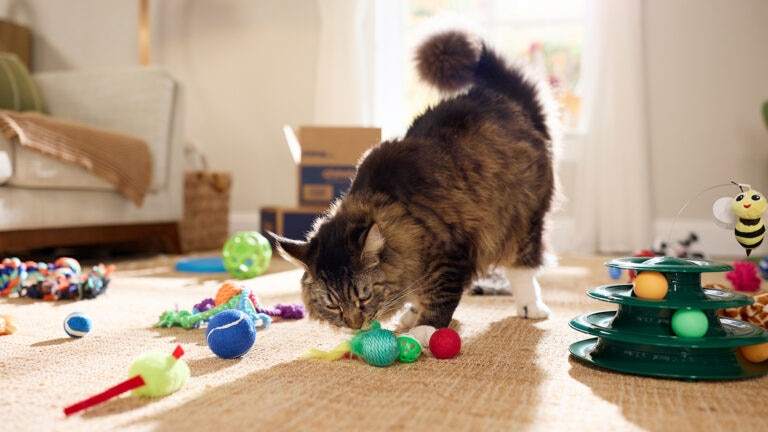
Have you ever noticed your cat gently carrying around a toy or carefully hiding it in a special spot? It might seem strange, but there’s a good reason behind this behavior.
Understanding why your cat takes care of their toys can help you connect with them on a deeper level and keep them happier. You’ll discover the surprising reasons behind this unique habit and learn how you can use this knowledge to strengthen the bond with your furry friend.
Keep reading—you won’t want to miss these insights that every cat owner should know!
Credit: www.happypet.care
Cats And Their Toys
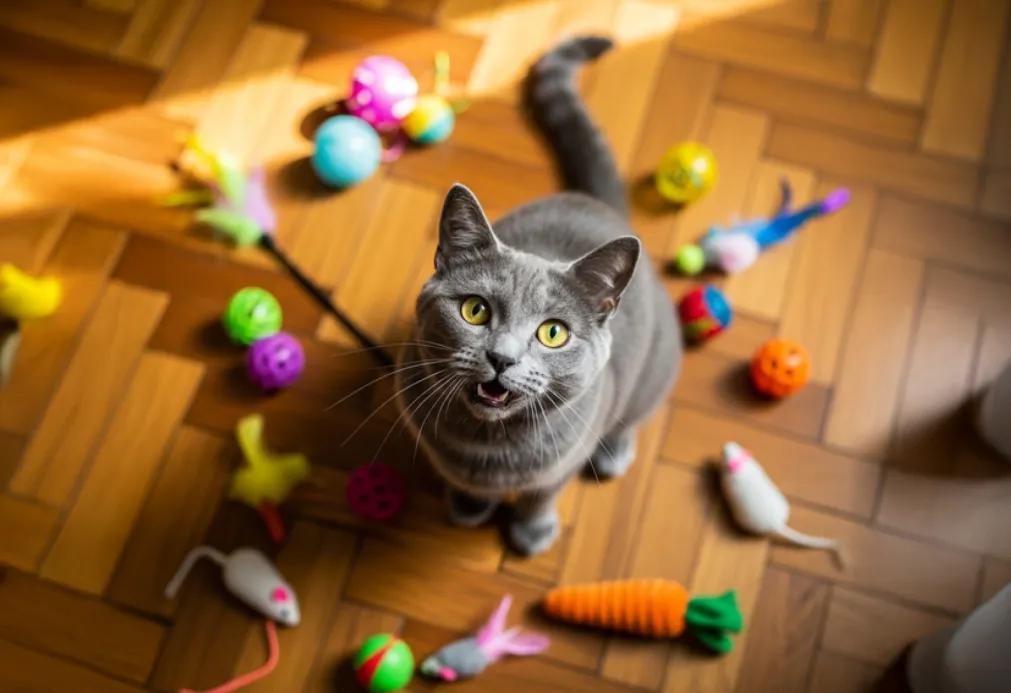
Cats and their toys share a fascinating bond that goes beyond simple play. Toys often become cherished objects, almost like little treasures that your cat takes care of. Understanding this connection can help you provide better stimulation and happiness for your feline friend.
Common Toy Behaviors
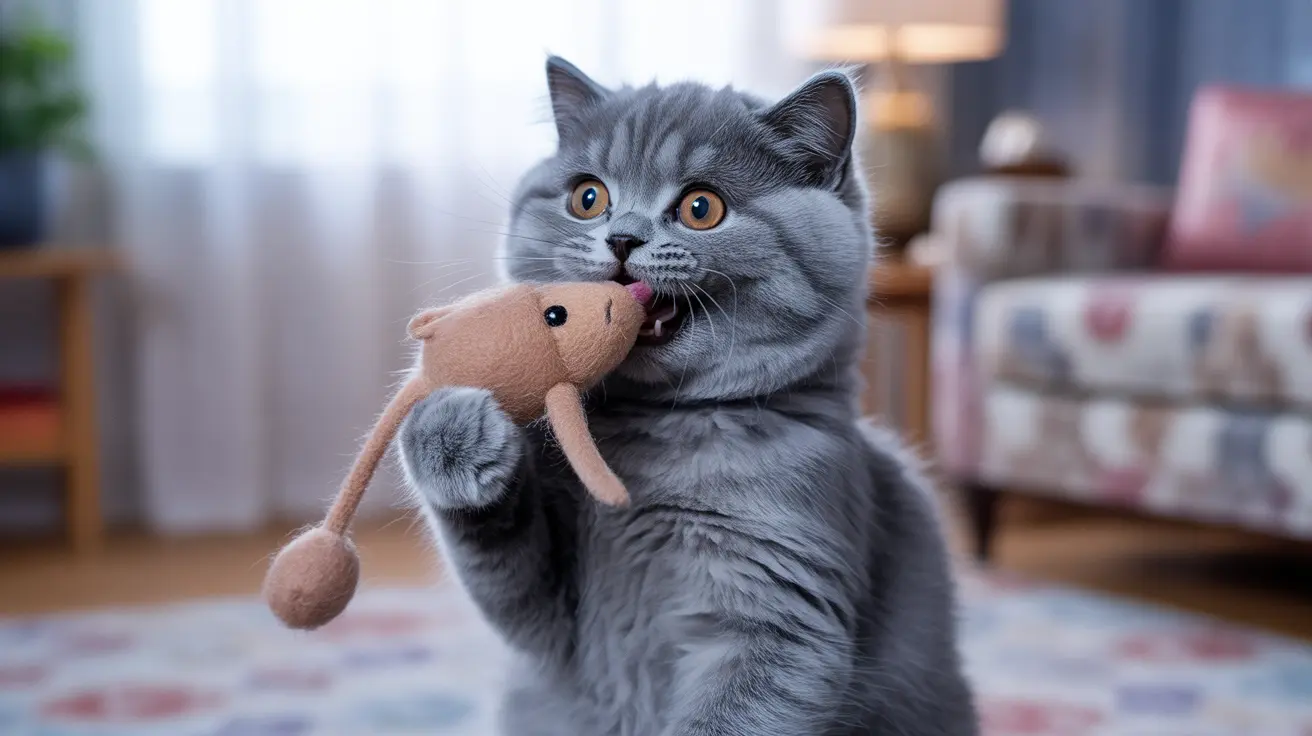
You might notice your cat batting, carrying, or even grooming their toys. These actions mimic natural hunting and nurturing instincts. For example, when your cat gently bites or licks a toy mouse, it’s similar to how a mother cat cares for her kittens.
Many cats will stash their toys in hidden spots, showing a sense of possession and protection. Have you ever found a toy tucked under the couch or in a corner? This behavior reflects their desire to keep their “prey” safe.
Some cats prefer to “hunt” their toys by chasing or pouncing, while others like to cuddle or groom them. Recognizing these differences helps you choose toys that match your cat’s personality and keep them engaged.
Types Of Toys Cats Prefer
Not all toys are created equal in the eyes of your cat. Many prefer toys that mimic the size, shape, or texture of real prey. Small, lightweight toys like feather wands, balls, or stuffed mice often become favorites.
Interactive toys that move or make noise can ignite your cat’s curiosity and hunting drive. However, some cats enjoy soft, plush toys they can carry and “care for” quietly.
- Feather wands and teasers for active play
- Small plush toys for cuddling and carrying
- Crinkle balls or toys with bells for auditory stimulation
- Catnip-filled toys to encourage play and relaxation
Have you observed which toy your cat returns to again and again? Paying attention to these preferences allows you to support their natural behaviors and keep your cat happy and healthy.
Instinctual Roots
Cats caring for their toys is more than just play. It stems from deep, natural instincts. These behaviors mimic actions cats perform in the wild. Understanding these instincts helps explain why toys become so important to cats. Their attention to toys shows their natural drive to hunt and protect.
Hunting Drive
Cats have a strong hunting instinct. Toys often resemble prey, such as mice or birds. Playing and caring for toys allow cats to practice hunting skills. They stalk, pounce, and capture their toys as if they were real prey. This behavior keeps their instincts sharp and their minds active.
Protective Instincts
Cats treat their toys like valuable possessions. They guard and hide toys to keep them safe from others. This action reflects their natural need to protect food and resources. Caring for toys provides comfort and a sense of security. It also shows their bond with the objects they cherish.
Emotional Connections
Cats often form strong emotional bonds with their toys. These toys become more than just objects. They offer comfort and a sense of security. Understanding these emotional connections helps explain why cats care for their toys so much.
Comfort And Security
Toys provide cats with a safe and familiar feeling. They help reduce stress and anxiety. A cat may cuddle or carry a toy to feel calm. This behavior mimics how cats interact with their mothers or siblings. The toy becomes a source of comfort in uncertain situations.
Attachment To Objects
Cats often attach themselves to certain toys like a child with a favorite blanket. This attachment builds over time with play and interaction. The toy becomes part of their daily routine. Cats may even guard or hide their toys to protect them. This shows how much they value these objects emotionally.
Social Signals
Cats often take care of their toys for various reasons. One important factor is the social signals they send and receive through play. These signals help them communicate with humans and other pets.
Marking Territory
Cats have scent glands in their paws. When they play with toys, they leave their scent on them. This marks the toy as theirs. It shows other animals that the toy belongs to them. This behavior is similar to how they mark their territory. By marking their toys, cats feel more secure and in control of their environment.
Seeking Attention
Cats often use toys to get their owners’ attention. They might bring a toy to you or play with it near you. This signals that they want to interact. Cats learn that playing with toys gets them attention. They associate toys with positive experiences. Engaging with their toys can also lead to bonding moments with their owners.
Health And Well-being
Caring for their toys is more than just play for cats—it’s a vital part of their health and well-being. When your cat takes time to groom, carry, or guard a toy, it’s engaging in behaviors that help reduce stress and keep their minds sharp. Understanding these habits can give you a deeper insight into your pet’s emotional and mental state.
Stress Relief
Toys often become a source of comfort for cats, helping them manage anxiety or boredom. Grooming or carrying a favorite toy mimics natural behaviors like hunting and nurturing, which can calm their nerves. Have you noticed your cat curling up with a toy after a busy day? That small act may be their way of finding peace.
When your cat interacts gently with a toy, it can signal they feel safe and relaxed in their environment. This behavior acts as a coping mechanism during times of change, such as moving to a new home or welcoming a new pet. Offering your cat toys during stressful periods can help them adjust more smoothly.
Mental Stimulation
Playing with toys keeps your cat’s brain active and engaged. They practice important skills like problem-solving, coordination, and focus while chasing or manipulating their toys. This mental workout is essential to prevent boredom and behavioral issues.
Think about how your cat treats a puzzle feeder or a toy that moves unpredictably—they become fully absorbed, sharpening their instincts. Providing a variety of toys can challenge their mind and keep their curiosity alive. Have you tried swapping toys regularly to keep your cat interested?
Credit: www.petscare.com
How To Encourage Toy Care
Encouraging your cat to take care of their toys can deepen their engagement and keep their playthings in better shape. It also strengthens your bond by making playtime more interactive and rewarding. You can guide your cat’s interest by choosing the right toys and using smart play techniques that tap into their natural instincts.
Choosing The Right Toys
Pick toys that match your cat’s personality and play style. Some cats love soft plush toys they can cuddle and carry around, while others prefer lightweight balls or wand toys that mimic prey movements.
Look for durable materials that stand up to biting and clawing without falling apart quickly. Toys with varied textures and scents can also hold your cat’s attention longer. Does your cat prefer toys that squeak, crinkle, or have feathers? Observing these preferences helps you select toys they’ll value and care for.
Interactive Play Tips
Spend quality time playing with your cat using their toys. Move the toy in ways that stimulate their hunting instincts—quick darts, pauses, and slow movements keep them curious and excited.
Try rotating toys regularly to keep them fresh and interesting. You can also encourage toy care by praising your cat when they gently carry or ‘stash’ their toys, reinforcing positive behavior with treats or affection.
Have you noticed how some cats proudly bring toys back to you or hide them? Respond to these actions by making them part of your play routine. This not only encourages your cat to care for their toys but also creates a fun, interactive experience for both of you.

Credit: www.kittyhelpdesk.com
Frequently Asked Questions
Why Do Cats Treat Toys Like Real Prey?
Cats treat toys like prey to satisfy their hunting instincts. This behavior helps them practice stalking, pouncing, and biting, which are natural skills. It also provides mental and physical stimulation, keeping them engaged and happy.
How Does Toy Care Benefit A Cat’s Well-being?
Taking care of toys boosts a cat’s confidence and reduces stress. It mimics natural behaviors, providing a sense of security. This activity also prevents boredom and destructive habits by keeping cats mentally active.
Can Cats Form Attachments To Their Toys?
Yes, cats can form strong bonds with their toys. Toys often become comfort objects that provide emotional support. This attachment helps cats feel safe and entertained, especially when they are alone.
What Types Of Toys Do Cats Prefer To Care For?
Cats prefer toys that mimic small animals, like mice or birds. Soft, lightweight, and interactive toys attract their attention. These toys are easier to carry, bite, and “hunt,” encouraging caretaking behaviors.
Conclusion
Cats care for their toys because they see them as important. These toys remind them of hunting and play. They bring comfort and fun to cats every day. Taking care of toys shows cats’ natural instincts. It helps them stay active and happy.
Watching your cat with toys can be very sweet. Their bond with toys shows how smart they are. Give your cat good toys to keep them healthy. Toys are more than just objects to cats. They are part of their world and joy.



Leave a Reply