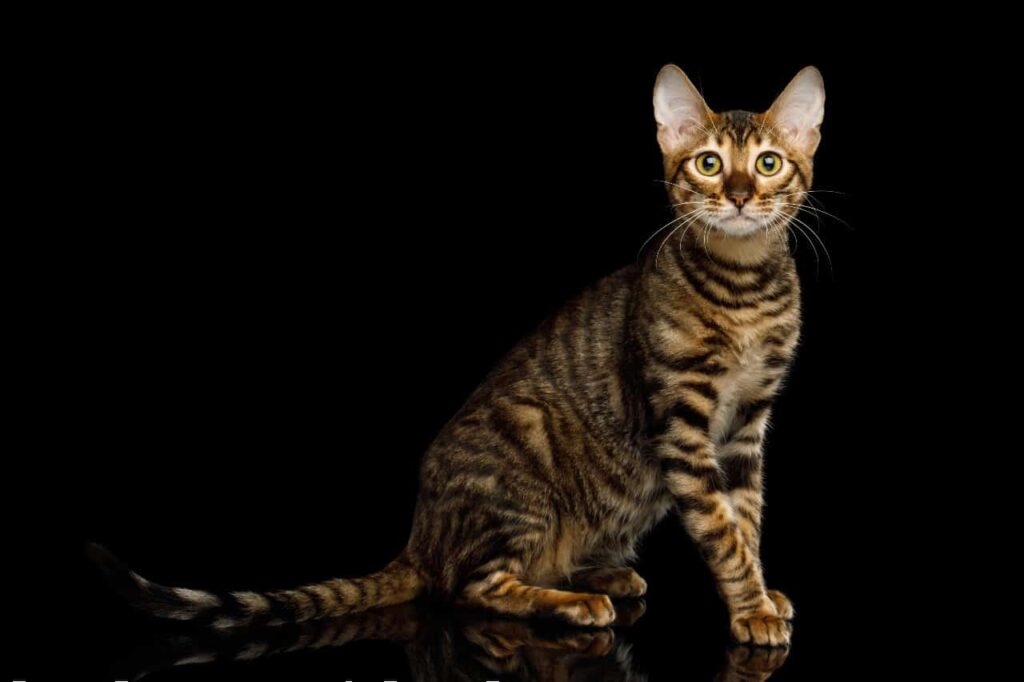
Are you dreaming of having a cat that fits perfectly in your lap or even in your arms? You might be wondering if there’s such a thing as a toy cat breed—small, adorable, and full of personality.
Imagine a feline friend so tiny and cute that it feels like holding a living plush toy. If you’ve ever asked yourself, “Is there really a toy cat breed? ” you’re in the right place. Keep reading, because we’ll uncover the truth behind these pint-sized cats and help you find the perfect little companion for your home.

Credit: cats.com
Toy Cat Breed Basics
Understanding the basics of the toy cat breed helps you decide if this petite feline fits your lifestyle. These tiny cats often attract attention because of their size and charming personalities. But what exactly makes a cat a “toy” breed? Let’s break down what defines these miniature companions and what traits they commonly share.
What Defines A Toy Cat
A toy cat is typically defined by its small size, often significantly smaller than standard cat breeds. These cats usually weigh less than 6 pounds when fully grown, making them ideal for those who want a compact pet. But size isn’t the only factor; their overall body structure is delicate and proportionate, resembling a kitten even in adulthood.
Breed enthusiasts often debate the official status of toy cats since not all small cats are recognized by cat registries. Some toy cats result from selective breeding, while others appear naturally small without pedigree recognition. Have you ever met a cat so small you doubted it was fully grown? That’s the kind of feline we’re talking about.
Common Traits Of Toy Cats
- Size:Typically under 6 pounds, with a slender frame.
- Temperament:Playful and affectionate, often enjoying close human interaction.
- Energy Level:Moderate to high; many love to play but also enjoy quiet lap time.
- Appearance:Large eyes and ears in proportion to their small heads, giving them an alert and curious look.
- Lifespan:Often longer than larger breeds due to their size, sometimes reaching into their late teens.
Small size doesn’t mean fragile in personality. Many toy cats have lively spirits and can surprise you with their agility. If you’re considering a toy cat, think about how their energy and social needs will fit into your daily routine. Could a tiny, energetic companion add the right spark to your home?
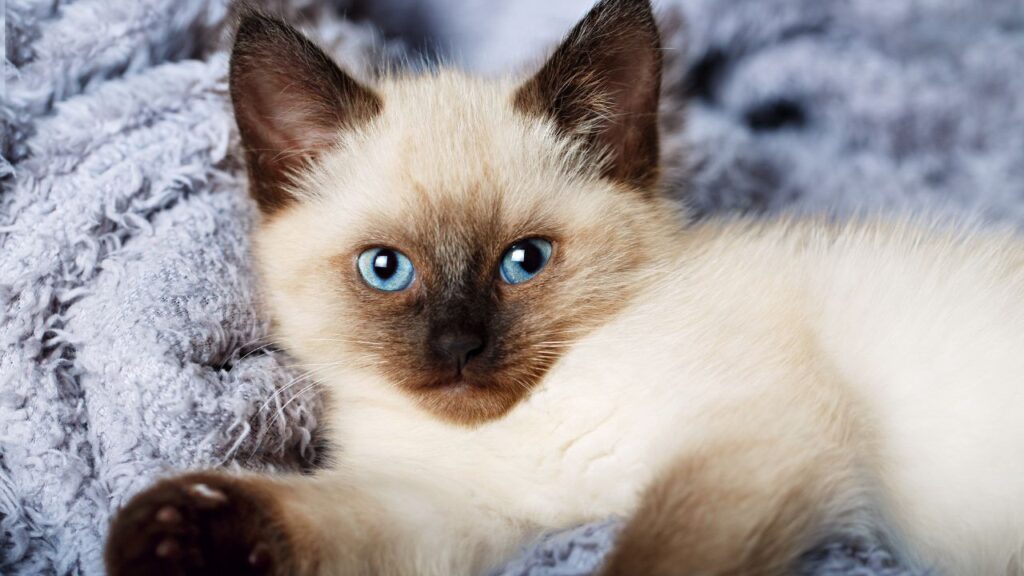
Credit: worldanimalfoundation.org
Popular Toy Cat Breeds
Looking for a toy cat breed means discovering some of the smallest and most charming feline companions out there. These cats pack big personalities into tiny frames, making them perfect for cozy apartments or anyone who loves a petite pet. Let’s look at some popular toy cat breeds that might just steal your heart.
Singapura
The Singapura is often called the smallest cat breed in the world. It typically weighs just 4 to 8 pounds, making it an ideal fit for your lap or a snug corner of your home. Despite its size, the Singapura is active and curious, always ready to explore or play.
What makes the Singapura special is its affectionate nature. If you want a cat that follows you around and enjoys gentle cuddles, this breed could be your perfect match.
Minskin
Minskin cats are a fascinating mix of short legs and a compact body, giving them a unique look. They usually weigh between 5 and 9 pounds, fitting well into the toy cat category. Their soft, plush coat adds to their appeal, making them a joy to pet.
These cats have playful personalities and love interacting with their owners. Have you ever seen a tiny cat with such big energy? That’s the Minskin for you.
Dwelf
The Dwelf cat combines traits of the Minskin and the Elf breeds, featuring short legs and curled ears. This breed’s quirky appearance often draws attention wherever it goes. Weighing around 5 to 9 pounds, Dwelfs are small but strong-willed companions.
They enjoy socializing and can be quite the little entertainers. If you want a cat with a unique look and a spirited personality, the Dwelf might be your best bet.
Napoleon
Napoleon cats, also known as Minuet cats, have short legs and a round face that makes them incredibly cute. They weigh between 6 and 12 pounds, slightly bigger but still within the toy category. Their calm and friendly nature suits families and individuals alike.
Do you prefer a calm companion who also loves to play? The Napoleon cat offers a great balance of fun and relaxation.
Temperament And Behavior
The temperament and behavior of toy cat breeds are key to understanding if they fit well into your home and lifestyle. These small felines often pack big personalities, surprising many with their lively and affectionate nature. Knowing what to expect can help you create a better bond and a happier environment for both you and your pet.
Personality Traits
Toy cats tend to be curious and intelligent, always ready to explore their surroundings. They often show a strong attachment to their favorite people, seeking attention and companionship. Many owners notice how these cats can be quite vocal, using a range of sounds to communicate their needs or feelings.
Interaction With Families
These cats usually thrive in family settings, especially when they receive plenty of interaction and care. They can adapt well to homes with children or other pets, provided introductions are handled patiently. Are you ready to include a toy cat that demands both your time and affection?
Activity Levels
Despite their small size, toy cats can be surprisingly active. They enjoy short bursts of play and mental stimulation but also appreciate quiet cuddle times. Balancing their energy with rest is important to keep them happy and healthy.
Care Tips For Toy Cats
Toy cats are not a specific breed but small-sized cats can resemble toys. Caring for them means gentle handling, regular feeding, and keeping them warm. Small cats need extra attention to stay healthy and happy.
Caring for a toy cat breed is an enriching experience that requires attention to detail and a gentle touch. These petite felines, with their pint-sized charm, demand specific care that matches their unique size and temperament. Understanding their needs ensures they stay healthy, happy, and purring contentedly in your home.Feeding Requirements
Toy cats have distinct dietary needs due to their small stature. They require nutrient-dense meals that support their energy levels without causing weight gain. Choose high-quality cat food formulated for small breeds, ensuring it includes essential proteins and fats. Monitor their portion sizes carefully. Overfeeding can lead to obesity, which is a common concern in smaller breeds. Consider using a measuring cup or a digital scale for accuracy.Grooming Needs
Despite their size, toy cats can have coats that range from short and sleek to long and fluffy. Regular grooming sessions will keep their fur in top condition and help prevent matting. Brush your toy cat at least once a week. This routine not only detangles their fur but also strengthens your bond with them. Use a gentle brush suitable for their coat type to avoid irritation.Health Concerns
Toy cats, like any other breed, may be prone to certain health issues. Be vigilant about regular vet check-ups to catch any potential problems early. Dental health is particularly crucial; tiny jaws can be more susceptible to dental disease. Watch for signs of discomfort or changes in behavior. Prompt attention to health concerns can make a significant difference in their quality of life. Are you prepared to address any health issues that arise with your toy cat? Caring for a toy cat involves more than just the basics. By paying close attention to their feeding, grooming, and health needs, you’ll ensure your tiny companion thrives. The joy they bring is immeasurable, making every effort worthwhile.Choosing A Toy Cat
Choosing a toy cat requires careful thought and research. These small breeds bring joy but need special care. Understanding their traits and needs helps make the right choice. Consider where to find them, the option to adopt, and the costs involved. Each factor impacts your experience with a toy cat.
Finding Reputable Breeders
Start by seeking breeders with a strong reputation. Look for those who care about health and temperament. Ask for references and visit their facilities if possible. Reputable breeders provide health records and proper documentation. Avoid breeders who cannot answer your questions clearly. Quality breeders focus on the wellbeing of their cats.
Adoption Considerations
Adopting a toy cat can be rewarding. Shelters and rescue groups sometimes have small breed cats. These cats need loving homes and may already be trained. Adoption saves lives and reduces demand for breeding. Check local shelters or online rescue groups. Prepare to meet the cat’s needs and personality.
Cost And Commitment
Toy cats may cost more due to their size and rarity. Consider expenses like food, toys, and vet visits. Small cats need regular health checks and vaccinations. Time commitment is important for socializing and care. Be ready for a long-term relationship. Budget and lifestyle affect your readiness for a toy cat.
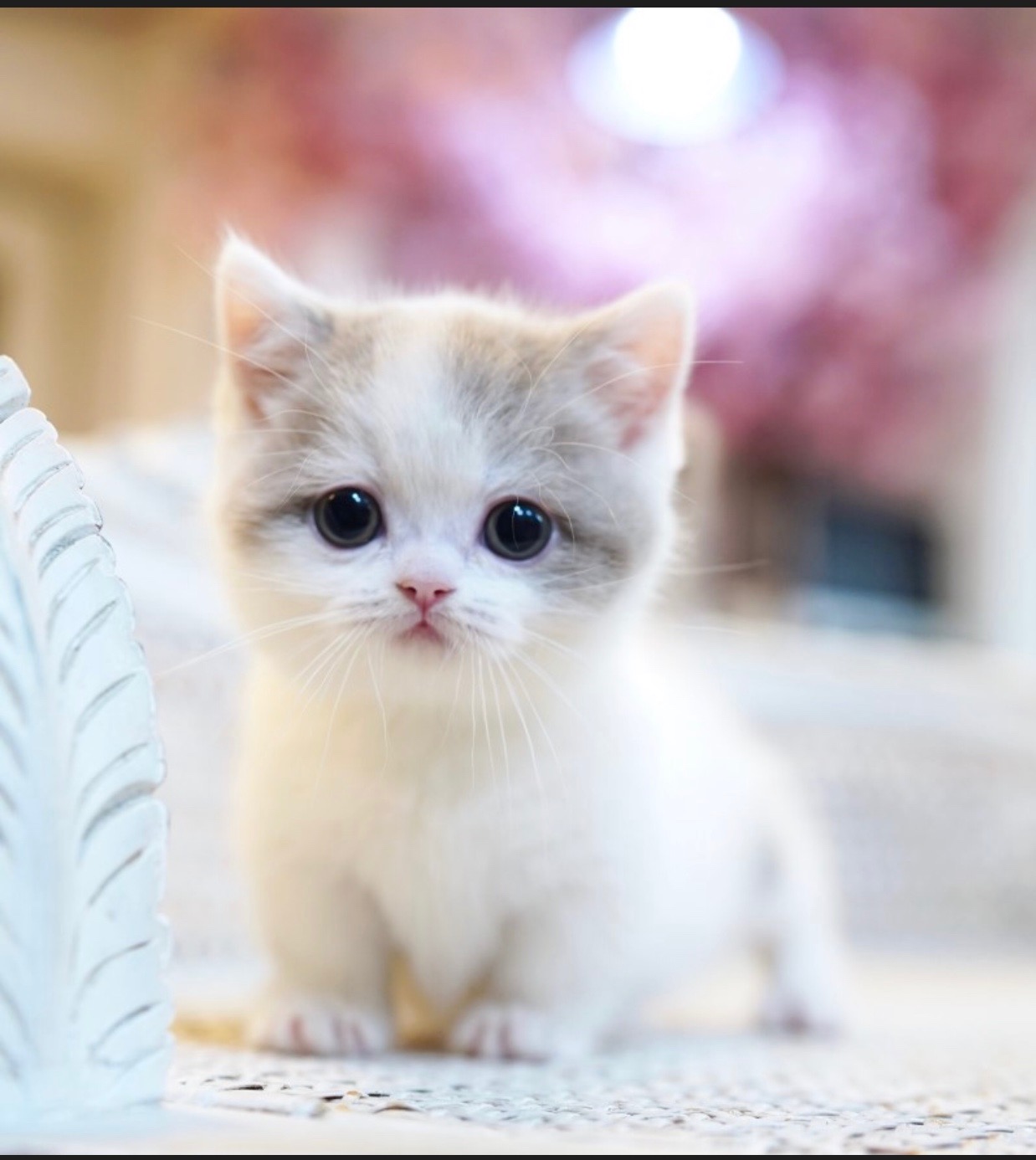
Credit: munchkinkittens.webflow.io
Toy Cats In Popular Culture
Toy cats have carved out a special place in popular culture, charming audiences with their petite size and playful personalities. These small feline breeds often capture hearts and inspire stories, making them more than just pets—they become icons. Understanding their presence in media and among famous figures can give you a fresh perspective on why toy cats remain so beloved.
Famous Toy Cats
Some toy cats have achieved celebrity status, becoming symbols of elegance and charm. The Singapura cat, known as the smallest breed, has been admired by many for its delicate appearance and lively nature.
One notable example is “Nala,” a beloved toy-sized cat with millions of followers on social media. Her playful antics and small stature have made her a star, showing how toy cats can connect with people worldwide.
Have you ever wondered how owning a toy cat might influence your daily mood? Their petite size often makes them ideal companions for city dwellers or those with limited space, blending perfectly into busy lifestyles.
Toy Cats In Media
Toy cats frequently appear in movies, cartoons, and advertisements, symbolizing cuteness and agility. Animated shows sometimes feature miniature cats to emphasize innocence or to create whimsical storylines.
In advertising, toy cats often represent luxury and exclusivity, appealing to audiences looking for unique and charming pets. Their small size helps brands create memorable visuals that stick in your mind.
Think about the last time you saw a tiny cat in a film or commercial—did it catch your attention more than larger animals? This subtle impact highlights why toy cats continue to inspire creators and captivate audiences.
Frequently Asked Questions
What Defines A Toy Cat Breed?
A toy cat breed is a small-sized domestic cat, often bred for its miniature appearance. These cats typically weigh under 6 pounds and have playful, affectionate personalities. They are popular for their compact size and suitability for indoor living.
Are Toy Cat Breeds Hypoallergenic?
Most toy cat breeds are not hypoallergenic. However, some breeds produce fewer allergens, reducing allergic reactions. It’s essential to research specific breeds if allergies are a concern. Consulting with breeders or allergists can help find a suitable hypoallergenic toy cat.
Which Cat Breeds Are Considered Toy Breeds?
Toy breeds include Singapura, Minskin, and Dwelf cats. These breeds are known for their small stature and unique features. They are selectively bred to maintain their miniature size and friendly temperament, making them ideal for small living spaces.
How Much Do Toy Cat Breeds Cost?
Toy cat breeds typically cost between $1,000 and $4,000. Prices vary based on breed rarity, lineage, and breeder reputation. Additional costs include vaccinations, spaying/neutering, and general care. Potential owners should budget for ongoing expenses beyond the initial purchase.
Conclusion
Toy cat breeds are small but full of charm and personality. They fit well in small homes or apartments. These cats often have playful and gentle natures. Choosing a toy breed means enjoying a pet that stays small and cuddly.
Each breed offers unique traits and care needs. Knowing this helps you pick the right companion. Small size does not mean less love or fun. Toy cats bring joy and comfort to many families. Consider your lifestyle and preferences before deciding.
A small cat can make a big difference in your life.



Leave a Reply