
If you’re thinking about bringing a Munchkin cat into your home, it’s important to know what health issues might come with this unique breed. These adorable cats with their short legs are charming, but they can face specific challenges that could affect your furry friend’s happiness and well-being.
Understanding these health risks early means you can take better care of your Munchkin and enjoy many joyful years together. Keep reading to discover what you need to watch out for and how to keep your Munchkin cat healthy and thriving.
Common Health Concerns
Munchkin cats are known for their charming short legs and playful nature. However, their unique body structure can lead to some specific health concerns that every owner should be aware of. Understanding these common health issues helps you keep your furry friend happy and healthy.
Spinal Problems
The short legs of Munchkin cats put extra pressure on their spine. This can sometimes cause spinal deformities or even disc problems. If you notice your cat having difficulty jumping or showing signs of pain, it’s a signal to visit the vet immediately.
Regular check-ups can catch spinal issues early, preventing long-term damage. Have you observed your cat stretching or moving unusually? That might be their way of telling you something’s wrong.
Joint Issues
Munchkins are prone to joint problems like arthritis due to their shorter limbs. These joints may wear out faster, especially if your cat is very active or overweight. Keeping your cat’s weight in check and providing gentle exercise can make a big difference.
Supplements like glucosamine might help maintain joint health, but always check with your vet first. Do you notice your cat limping or avoiding stairs? These signs shouldn’t be ignored.
Obesity Risks
Because Munchkin cats have shorter legs and less room to run, they can gain weight quickly if not monitored. Obesity increases the risk of diabetes, heart problems, and worsens joint pain. Feeding measured portions and encouraging playtime are crucial steps you can take.
Try interactive toys to keep your cat moving without putting too much strain on their legs. Have you tried tracking your cat’s food intake or weight regularly? It’s a small habit that pays off greatly.

Credit: purebredkitties.com
Genetic Disorders
Munchkin cats are known for their short legs and playful nature. These unique traits come from genetic mutations. Such mutations can also cause health problems. Understanding genetic disorders helps owners care for their cats better. Some common genetic disorders in Munchkin cats affect their spine and chest shape.
Lordosis
Lordosis is a condition where the spine curves too much inward. It can cause a visible dip in the cat’s back. This disorder may lead to pain or movement issues. Not all cats show severe symptoms, but some struggle to walk or jump. Regular vet check-ups can help detect lordosis early. Treatment depends on the severity and may include pain relief or physical therapy.
Pectus Excavatum
Pectus excavatum is a chest deformity where the breastbone sinks inward. This causes the chest to look sunken. It can affect breathing and heart function in severe cases. Mild cases might not need treatment but still require monitoring. Surgery can correct serious problems and improve quality of life. Early diagnosis is important for managing this condition effectively.
Respiratory Conditions
Munchkin cats, with their unique body shape, can face specific respiratory challenges. These conditions affect their breathing and overall health. Understanding respiratory issues helps in early detection and care.
Breathing Difficulties
Munchkin cats may experience breathing problems due to their short legs and compact bodies. Their chest size can sometimes restrict lung capacity. This restriction can lead to rapid or shallow breathing.
Signs include:
- Wheezing or noisy breaths
- Frequent coughing
- Difficulty during exercise or play
- Open-mouth breathing
Monitoring these signs ensures timely veterinary help. Early treatment can improve their quality of life.
Infections
Munchkin cats are vulnerable to respiratory infections like other cats. These infections affect the nose, throat, and lungs. Common symptoms include sneezing, nasal discharge, and fever.
Common causes are:
- Viruses like feline herpesvirus
- Bacterial infections
- Exposure to other sick cats
Keeping their living area clean reduces infection risks. Prompt veterinary care is crucial to prevent complications.

Credit: www.fidobiotics.com
Dental Health Challenges
Munchkin cats may face dental health issues like gum disease and tooth decay. Regular dental care helps prevent pain and infections. Watch for signs like bad breath or trouble eating.
Munchkin cats, with their adorable short legs and playful nature, are a joy to have around. However, like all breeds, they can face specific health challenges. One significant area of concern is their dental health. Just like humans, cats can suffer from a variety of dental issues that can affect their overall well-being. Understanding these challenges can help you ensure your munchkin cat maintains a healthy and happy life.Gum Disease
Gum disease, also known as periodontal disease, is a common issue in munchkin cats. It starts with plaque build-up on the teeth. If not removed, this plaque can harden into tartar, leading to inflammation of the gums. You might notice your cat has bad breath, red or swollen gums, or even bleeding. Regular dental check-ups with your vet can help catch these signs early. Brushing your cat’s teeth might seem daunting, but it’s a crucial step in preventing gum disease. Using a cat-friendly toothpaste can make the process easier and more effective.Tooth Decay
Tooth decay is another dental challenge that can affect munchkin cats. This condition occurs when cavities form due to the destruction of the tooth’s structure by bacteria. Your cat may experience pain, which can lead to difficulty eating or a preference for softer foods. If you notice your cat showing reluctance to chew or dropping food, it could be a sign of tooth decay. Regular dental cleanings by a professional can help prevent decay. Additionally, providing dental treats or toys designed to clean teeth can aid in maintaining your cat’s dental health. Have you ever noticed your cat avoiding their favorite crunchy treats? It might be time to check their teeth. Keeping an eye on their dental health can prevent these challenges from becoming serious issues.Preventive Care Tips
Keeping your Munchkin cat healthy means more than just loving them—it requires attention to daily care and smart habits. Preventive care can stop many health issues before they start, saving you stress and vet bills down the road. Let’s look at some simple ways you can protect your furry friend’s well-being.
Regular Vet Checkups
Scheduling regular vet visits is crucial. Your vet can spot early signs of common Munchkin health problems like spinal issues or arthritis. Don’t wait for symptoms; routine exams help catch problems when they’re easier to treat.
Ask your vet about vaccinations and parasite prevention too. These small steps build a strong defense against illness. Have you noticed any changes in your cat’s behavior or mobility? Mention them during the checkup—it could make all the difference.
Balanced Diet
A healthy diet fuels your Munchkin’s energy and supports their unique body structure. Choose high-quality cat food tailored to their age, weight, and activity level. Avoid overfeeding to prevent obesity, which can worsen joint problems.
Fresh water should always be available. Consider mixing wet and dry food for better hydration and dental health. Does your cat seem picky? Experiment with flavors and textures until you find what keeps them excited about mealtime.
Exercise Importance
Even with short legs, Munchkin cats need regular exercise to stay fit and happy. Play with toys that encourage jumping and running, but avoid activities that strain their backs. Gentle climbing structures or interactive play sessions work well.
Exercise helps maintain muscle tone and joint flexibility. It also reduces stress and prevents boredom-related behaviors. How often do you set aside time to engage your cat? Making exercise a routine can improve both their health and your bond.
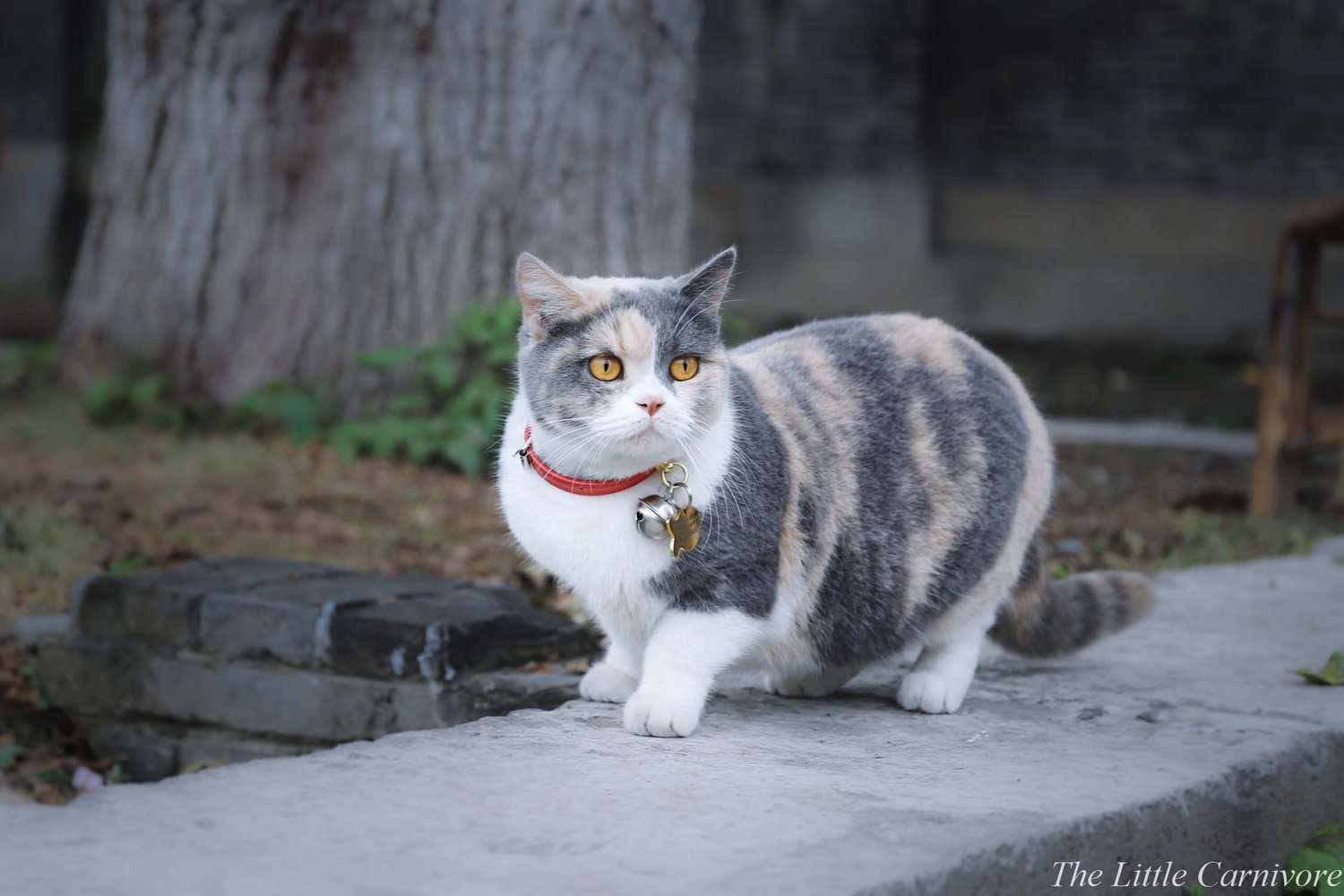
Credit: thelittlecarnivore.com
Recognizing Symptoms Early
Recognizing symptoms early in Munchkin cats is crucial for their health. These cats can face unique health issues due to their short legs. Catching signs early helps provide timely care. It improves their quality of life and prevents serious problems.
Behavioral Changes
Notice if your Munchkin cat acts differently. Sudden tiredness or hiding can signal discomfort. Loss of appetite or reluctance to play may show pain. Increased irritability or excessive grooming also point to issues. Changes in sleeping patterns can be a warning.
Physical Signs
Look for visible physical changes in your cat. Limping or difficulty walking needs attention. Swelling around joints or the spine is a concern. Watch for unusual lumps or bumps on the body. Changes in weight or coat condition are important. Keep an eye on their eyes and nose for discharge.
Frequently Asked Questions
What Common Health Problems Affect Munchkin Cats?
Munchkin cats often face spinal issues like lordosis and arthritis. They may also develop joint problems due to their short legs. Regular vet checkups help detect these conditions early. Maintaining a healthy weight reduces stress on their bones and joints.
Are Munchkin Cats Prone To Genetic Disorders?
Yes, Munchkin cats can inherit genetic disorders linked to their dwarfism. These include skeletal deformities and spinal abnormalities. Responsible breeding reduces these risks. Genetic testing is recommended for healthy breeding practices to avoid passing on hereditary diseases.
How Can I Prevent Health Issues In Munchkin Cats?
Provide a balanced diet and regular exercise to maintain their weight. Schedule routine veterinary visits for early detection of problems. Avoid activities that strain their spine or joints. Proper care helps prolong their life and quality of health.
Do Munchkin Cats Have A Shorter Lifespan Due To Health Issues?
Munchkin cats generally live 12-15 years, similar to other cats. Their lifespan can be affected by genetic and skeletal problems. With good care and regular vet visits, many Munchkins live a healthy, full life despite potential risks.
Conclusion
Munchkin cats can face health problems like spinal issues and joint pain. Regular vet visits help catch problems early. Proper care and a good diet support their health. Knowing these risks helps owners keep cats happy. Small legs do not mean weak cats.
Love and attention make a big difference. Watching for signs of trouble is important. Healthy habits protect your furry friend’s life.

Leave a Reply