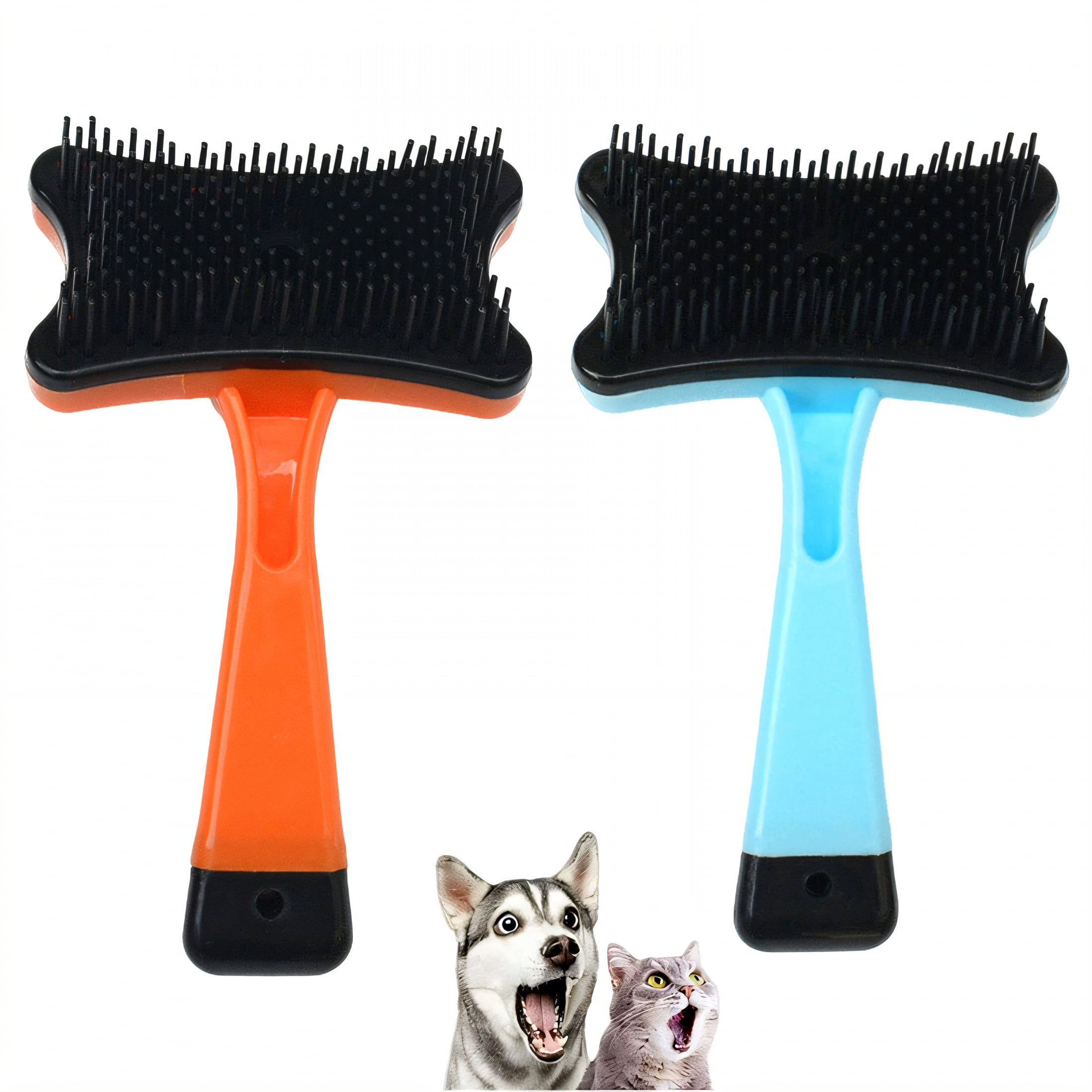
If you have a long-haired cat, you know how tricky it can be to keep their fur smooth and tangle-free. You want the best grooming brush, the one professional groomers trust to make your cat’s coat shine without causing discomfort.
But with so many options out there, how do you choose the right one? You’ll discover exactly what grooming brush groomers use for long-haired cats—and why it works so well. Keep reading to find the secret to easy, effective grooming that your cat will love.

Credit: www.amazon.com
Types Of Grooming Brushes
Choosing the right grooming brush is key for long-haired cats. Different brushes serve unique purposes. Using the proper tool makes grooming easier and more effective. Below are common types of brushes groomers prefer for long-haired cats.
Slicker Brushes
Slicker brushes have fine, short wires close together. They remove loose fur and untangle mats gently. These brushes work well on thick, long coats. They help keep the fur smooth and clean.
Pin Brushes
Pin brushes have long, flexible pins with rounded tips. They detangle hair without pulling or hurting the cat. Pin brushes spread natural oils for a shiny coat. They suit sensitive skin and delicate fur.
Comb Brushes
Comb brushes have metal teeth spaced at different widths. They catch small knots and remove debris from the fur. These combs help check for fleas or dirt under the coat. Combs are great for finishing touches.
Undercoat Rakes
Undercoat rakes have wider teeth and reach deep into thick fur. They remove loose undercoat without damaging top fur. These rakes reduce shedding and prevent matting. They work best for cats with dense, double coats.

Credit: www.amazon.com
Key Features For Long-haired Cats
Long-haired cats need special grooming tools to keep their coats healthy and tangle-free. A good brush helps remove loose hair and prevents mats. Choosing the right grooming brush improves comfort and grooming results. Key features make a brush suitable for long-haired cats.
Bristle Material
Bristles must be gentle but firm to work through thick fur. Stainless steel pins with rounded tips avoid scratching the skin. Natural bristles help smooth and shine the coat. Some brushes combine both for effective grooming. Soft bristles reduce discomfort during brushing.
Handle Design
A comfortable handle ensures better control and less hand strain. Non-slip grips keep the brush steady, even if the cat moves. Lightweight materials make grooming easier for longer periods. Ergonomic shapes fit well in the hand. This design helps groomers maintain steady strokes.
Brush Size And Shape
The brush size should suit the cat’s body size and coat length. Larger brushes cover more area quickly but must remain manageable. Oval or rectangular shapes fit the cat’s curves better. Smaller brushes work well on sensitive areas like the face. Balanced size and shape speed up grooming sessions.
Popular Grooming Brushes Among Professionals
Choosing the right grooming brush for long-haired cats is crucial for maintaining their coat’s health and shine. Professional groomers often select tools that balance efficiency with gentleness, ensuring your feline friend stays comfortable throughout the grooming process. Understanding what experts prefer can guide you in picking a brush that works best for your cat’s unique needs.
Top Brands Used By Groomers
Many groomers trust a handful of reliable brands known for quality and durability. Brands like FURminator, Hertzko, and Safariconsistently come up in professional circles. These brushes are designed to handle thick, long fur without pulling or causing discomfort.
FURminator de-shedding tools are popular for their ability to reduce shedding significantly. Hertzko’s slicker brushes offer fine wire bristles that gently remove loose hair and mats. Safari brushes combine sturdy construction with ergonomic designs, making grooming sessions easier for both groomer and cat.
Brushes Recommended For Sensitive Skin
Long-haired cats often have delicate skin that can be irritated by harsh brushes. Groomers recommend using soft-bristle brushes or those with rounded tips to prevent scratches and redness. Brands like Chris Christensenand JW Pet Companyproduce brushes specifically designed for sensitive skin.
Chris Christensen’s line includes gentle slicker brushes that detangle without pulling. JW Pet’s rubber curry brushes stimulate the skin and promote circulation while being soft enough for sensitive cats. Have you noticed your cat flinching during grooming? Trying one of these gentle options might make a big difference.
Techniques For Effective Grooming
Soft-bristle brushes and wide-tooth combs help remove tangles without hurting long-haired cats. Groomers prefer tools that gently detangle and reduce shedding. Regular brushing keeps fur smooth and healthy.
Effective grooming techniques are essential for maintaining the beautiful coats of long-haired cats. These techniques not only ensure your cat looks its best but also contribute to its overall health and happiness. Groomers utilize specific methods to tackle the challenges that come with long fur, ensuring a smooth and enjoyable experience for your feline friend.Detangling Knots
Knots and tangles are common issues for long-haired cats. To combat this, groomers often use a slicker brush, which features fine, short wires close together. This brush is perfect for gently working through knots without tugging on your cat’s skin. Start by holding the base of the tangle to minimize pulling on the skin. Use short, gentle strokes with the slicker brush, gradually working through the knot. Patience is key—rushing can hurt your cat and make future grooming sessions difficult.Reducing Shedding
Regular grooming significantly reduces shedding and keeps your home fur-free. Groomers often choose a de-shedding tool, like the FURminator, which is designed to reach through the topcoat to safely remove loose undercoat hair. Engage your cat with treats or a favorite toy to create a positive experience. By associating grooming with fun, your cat will be more relaxed and cooperative. Aim for consistency by grooming your cat weekly to manage shedding effectively.Maintaining Cat Comfort
Your cat’s comfort should always be a priority during grooming sessions. Groomers ensure the cat is relaxed by using slow and gentle strokes. They pay attention to the cat’s body language, stopping if the cat shows signs of distress. Create a calming environment, perhaps by playing soft music or using a pheromone diffuser. Remember, the goal is to make grooming a stress-free experience for both you and your cat. A comfortable cat is more likely to enjoy grooming, making it a bonding experience rather than a chore. By understanding and applying these techniques, you can transform grooming into a delightful routine. Your cat will not only look good but feel great, strengthening the bond between you two. What grooming challenges have you faced, and how have you overcome them?Care And Maintenance Of Brushes
Proper care and maintenance of grooming brushes keep them effective for long hair cats. Clean brushes prevent hair buildup and skin irritation. Well-maintained brushes last longer and provide a gentle grooming experience. Regular upkeep ensures your cat’s coat stays smooth and tangle-free.
Cleaning Tips
- Remove loose hair from the brush after each use.
- Use a comb or your fingers to pull stuck hair out.
- Wash the brush with warm water and mild soap weekly.
- Rinse thoroughly to remove soap residue.
- Let the brush air dry completely before the next use.
- Avoid soaking brushes with wooden handles to prevent damage.
When To Replace Brushes
- Replace brushes with bent or broken bristles.
- Switch out brushes if the handle cracks or weakens.
- Change brushes if they lose their effectiveness on fur.
- Consider replacement every 6 to 12 months with regular use.
- Keep an extra brush for backup during grooming sessions.

Credit: www.amazon.com
Frequently Asked Questions
What Is The Best Grooming Brush For Long Hair Cats?
The best grooming brush for long hair cats is a slicker brush. It removes tangles and loose fur gently. It prevents matting and keeps the coat shiny. Groomers prefer it for its efficiency and ease of use.
How Often Should Long Hair Cats Be Brushed?
Long hair cats should be brushed daily. This prevents mats and tangles from forming. Regular brushing reduces shedding and hairballs. It also keeps the coat healthy and clean.
Why Do Groomers Use Slicker Brushes For Cats?
Groomers use slicker brushes because they reach deep into the fur. They remove loose hair and dirt effectively. Slicker brushes are gentle on sensitive cat skin. They help maintain a smooth, tangle-free coat.
Can Grooming Brushes Reduce Cat Shedding?
Yes, grooming brushes reduce cat shedding significantly. Regular brushing removes loose fur before it falls off. This keeps your home cleaner and your cat more comfortable. Slicker brushes are especially effective for long hair cats.
Conclusion
Choosing the right grooming brush helps keep long-haired cats healthy. Soft bristles gently remove loose hair and prevent mats. Slicker brushes reach deep to detangle without hurting your cat. Regular brushing reduces shedding and keeps fur shiny. Groomers trust brushes that are easy to handle and safe for delicate fur.
With the right tools, grooming becomes a calm and pleasant time. Your long-haired cat will feel happier and look great. Simple care makes a big difference every day.



Leave a Reply