
Grooming your cat at home might seem tricky, but it’s easier than you think. When you take care of your cat’s coat, nails, and ears regularly, you help keep them healthy and happy.
Plus, grooming strengthens the bond between you and your furry friend. If you’ve ever wondered how to make this process smooth and stress-free, you’re in the right place. Keep reading, and you’ll discover simple tips that make grooming your cat a comfortable routine for both of you.
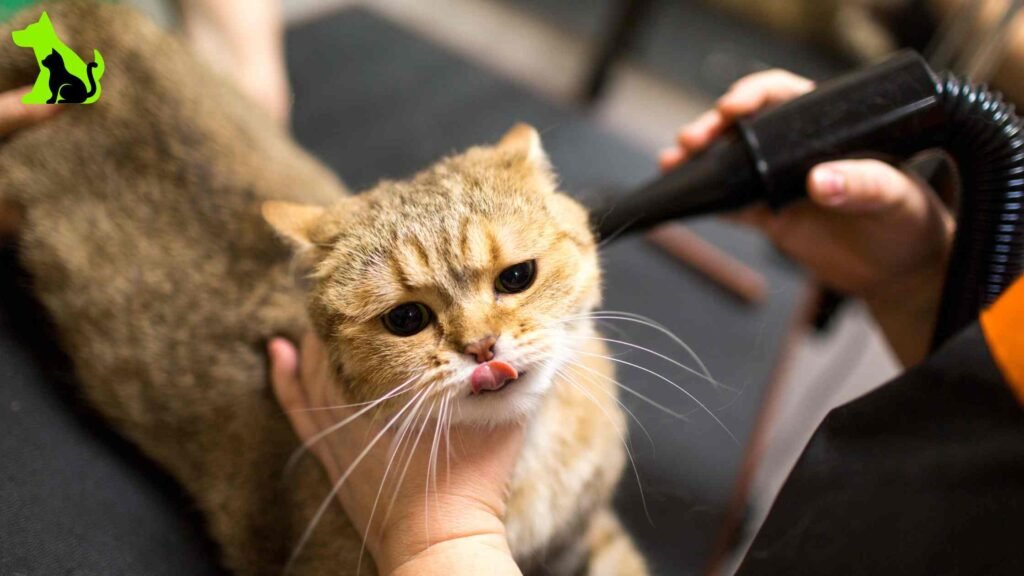
Credit: hellopetsinc.com
Choosing The Right Grooming Tools
Choosing the right grooming tools makes cat care easier and safer. Each cat has unique needs based on its coat and temperament. Using proper tools helps remove loose fur, reduce hairballs, and keep your cat comfortable. Quality tools also prevent skin damage and make grooming a pleasant time for both of you.
Brush Types For Different Coats
Different cat coats need different brushes. Short-haired cats benefit from soft bristle brushes. They remove loose hair gently without hurting the skin. Long-haired cats need slicker brushes. They help untangle knots and prevent mats. For cats with thick undercoats, use an undercoat rake. It removes dead fur and reduces shedding.
Selecting Nail Clippers
Choose nail clippers designed for cats. Small, sharp blades work best. Scissor-style clippers give more control and precision. Guillotine clippers are easier for beginners. Avoid using human nail clippers as they can split the nails. Keep a styptic powder nearby for quick stop of bleeding if you cut too deep.
Using Grooming Gloves
Grooming gloves are great for shy or anxious cats. They let you remove loose hair while petting your cat. Gloves have soft rubber tips that massage and clean the coat. They are easy to use and reduce hair flying around. Gloves also help with cats that don’t like brushes.
Preparing Your Cat For Grooming
Preparing your cat for grooming makes the process easier and less stressful. Cats can sense tension, so a calm start helps them relax. Taking time before grooming builds trust and cooperation. This preparation includes setting a peaceful space, making your cat feel safe, and choosing the best time for grooming.
Creating A Calm Environment
Choose a quiet room with little noise and few distractions. Soft lighting helps keep your cat calm. Avoid sudden sounds or quick movements near your cat. Keep grooming tools ready and within reach. A tidy space prevents your cat from feeling overwhelmed.
Getting Your Cat Comfortable
Spend a few minutes petting your cat before grooming. Speak in a soft, gentle voice. Let your cat explore the grooming tools to reduce fear. Reward calm behavior with treats or gentle praise. Watch your cat’s body language to know when to pause.
Timing Your Grooming Sessions
Pick a time when your cat is relaxed, like after a meal or nap. Keep sessions short, around 5 to 10 minutes. Stop if your cat shows signs of stress or discomfort. Regular, short grooming builds a positive routine. Consistency helps your cat adjust and enjoy grooming more.
Brushing Techniques
Grooming your cat at home involves gentle brushing techniques. Use a soft-bristle brush to remove loose fur. Regular brushing helps prevent mats and reduces shedding.
Brushing your cat at home can be a bonding experience. It keeps their coat healthy and reduces shedding. Understanding effective brushing techniques is crucial for a happy, well-groomed pet.Removing Loose Fur
Use a soft-bristled brush for this task. Gently stroke in the direction of hair growth. This removes loose fur and reduces shedding. Regular brushing helps keep your cat’s coat looking sleek.Preventing Hairballs
Brushing plays a key role in hairball prevention. Cats groom themselves by licking. This often leads to swallowing hair. Brush your cat regularly to minimize this. A slicker brush is effective for long-haired cats. It captures more loose hair, reducing hairballs.Dealing With Mats And Tangles
Mats can be uncomfortable for cats. Use a wide-toothed comb to gently tease them apart. Start from the edge of the mat, working slowly to avoid pulling. For stubborn mats, consider using a detangling spray. Regular brushing prevents tangles from forming.
Credit: www.purina.com
Bathing Your Cat Safely
Bathing your cat at home can be a calm and safe experience. Cats usually groom themselves well, but sometimes a bath is necessary. Knowing how to bathe your cat safely helps reduce stress for both of you. Use gentle products and calm movements to keep your cat comfortable.
When To Bathe Your Cat
Bathing is not needed often. Only bathe your cat if:
- They get very dirty or sticky.
- They have fleas or skin problems.
- Your vet recommends a bath.
- They are older and cannot groom well.
Regular brushing often removes dirt and loose fur. Avoid bathing too much. It can dry out your cat’s skin.
Step-by-step Bathing Guide
- Prepare warm water in a sink or tub.
- Use a small cup or sprayer to wet your cat slowly.
- Apply cat-safe shampoo and massage gently.
- Rinse thoroughly to remove all soap.
- Keep your cat calm with soft words and petting.
- Avoid water near ears, eyes, and nose.
Drying Tips To Keep Your Cat Cozy
- Wrap your cat in a soft towel immediately.
- Gently pat dry without rubbing.
- Use a second dry towel if needed.
- Keep your cat in a warm room.
- Do not use a hair dryer unless on low and quiet settings.
- Let your cat groom itself after drying.
Trimming Nails Without Stress
Trimming your cat’s nails doesn’t have to be a stressful experience for either of you. With patience and the right approach, you can make nail trimming a calm, even enjoyable part of your grooming routine. The key lies in how you handle your cat, the care you take to avoid causing pain, and the rewards you offer afterward.
How To Hold Your Cat
Start by finding a quiet, comfortable spot where your cat feels safe. Gently wrap your cat in a towel if they’re squirmy, leaving one paw exposed at a time. Hold the paw firmly but gently, pressing between the pads to extend the nails without causing discomfort.
Remember, your touch should be reassuring, not forceful. If your cat resists, pause and try again later rather than pushing through stress.
Avoiding Quick Cuts
Look closely at your cat’s nails under good lighting before you trim. Avoid cutting into the pinkish part inside the nail, known as the quick—it’s sensitive and bleeds easily. Trim only the sharp tip of the nail in small increments to prevent accidents.
If your cat has dark nails and the quick isn’t visible, trim little by little. It’s better to trim frequently and gently than to risk cutting too deep and causing pain.
Rewarding Your Cat Post-trimming
After trimming each paw, praise your cat softly and offer a favorite treat or a few minutes of playtime. Positive reinforcement helps your cat associate nail trimming with good things.
Over time, this can reduce anxiety and make future nail trims smoother. What kind of reward does your cat respond best to? Experiment with treats, toys, or cuddles to find what motivates them most.
Cleaning Ears And Eyes
Cleaning your cat’s ears and eyes is a delicate task that plays a big role in their overall health. Dirt, wax, and discharge can build up, causing discomfort or even infections. Taking time to gently clean these areas keeps your cat comfortable and helps you spot any potential problems early.
Safe Ear Cleaning Methods
Use a soft, damp cloth or a cotton ball slightly moistened with a vet-approved ear cleaner. Avoid using cotton swabs, as they can push debris deeper or harm your cat’s ear canal. Gently wipe the visible parts of the ear and never force anything inside.
Keep your cat calm by speaking softly and petting them during the process. If your cat resists, try cleaning just one ear at a time. Consistency helps your cat get used to the routine, making future cleanings easier for both of you.
Handling Eye Discharge
Eye discharge can be normal, but it’s important to clean it regularly to prevent irritation. Use a soft, damp cloth or a sterile gauze pad soaked in warm water. Wipe from the inner corner of the eye outward, using a fresh cloth or pad for each eye to avoid spreading any potential infection.
Keep your cat’s fur trimmed around the eyes to reduce buildup. If you notice persistent tearing or thick discharge, take note—it might be time for a vet visit.
Signs Of Infection To Watch For
- Redness or swelling in the ears or around the eyes
- Foul odor coming from the ears
- Excessive scratching or rubbing of the ears and eyes
- Thick, yellow, or green discharge
- Visible discomfort or sensitivity when touching these areas
Have you ever noticed your cat pawing at their ear more than usual? That could be a subtle sign of infection. Early detection makes treatment easier and prevents complications. Always consult your vet if you see any of these signs.
Maintaining Dental Health
Maintaining your cat’s dental health is a crucial part of grooming that often gets overlooked. Healthy teeth and gums not only prevent pain and infections but also contribute to your cat’s overall well-being. Paying attention to dental care at home can save you costly vet visits and keep your feline friend comfortable and happy.
Brushing Your Cat’s Teeth
Brushing your cat’s teeth might sound challenging, but with patience, it becomes manageable. Use a soft-bristled toothbrush designed for cats or a finger brush with pet-safe toothpaste. Never use human toothpaste—it contains ingredients harmful to cats.
Start slowly by letting your cat sniff and lick the toothpaste. Then gently lift their lip and brush in small circles, focusing on the gum line where plaque builds up. Consistency is key; aim for brushing a few times a week and watch your cat get used to the routine.
Dental Treats And Toys
Dental treats and toys can help reduce plaque and tartar between brushing sessions. Choose treats specifically formulated to promote oral health—they often have textures that scrape teeth clean or ingredients that fight bacteria.
- Look for treats approved by veterinary dental organizations.
- Offer chew toys made of safe materials that encourage biting and chewing.
- Rotate toys to keep your cat interested and engaged.
Keep in mind that treats should complement, not replace, brushing. Have you noticed your cat favoring certain toys or treats? Use those preferences to your advantage to support their dental care.
Recognizing Dental Problems
Early detection of dental issues can prevent serious complications. Watch for signs like bad breath, drooling, difficulty eating, pawing at the mouth, or red and swollen gums.
If your cat stops grooming or shows behavioral changes, dental pain might be the cause. Regularly check their mouth for loose or broken teeth and dark buildup.
Consult your vet promptly if you spot any of these signs. Do you know what a healthy cat’s gums look like? Checking regularly can make all the difference.

Credit: justcatsclinic.com
Making Grooming A Positive Experience
Making grooming a positive experience for your cat is key to keeping both of you stress-free. Cats can sense your mood, so staying calm and patient helps a lot. Turning grooming into a time your cat looks forward to can make daily care easier and safer.
Using Treats And Praise
Reward your cat with small treats during and after grooming sessions. This creates a link between grooming and something enjoyable.
Use gentle praise with a soft voice to reassure your cat. Simple words like “good kitty” can work wonders.
Try to find treats your cat loves but save them just for grooming time. This makes the reward special and motivates cooperation.
Reading Your Cat’s Body Language
Watch your cat’s ears, tail, and eyes closely. Flattened ears or a twitching tail usually mean your cat is uncomfortable or stressed.
If your cat freezes or tries to escape, pause and give some space. Pushing too hard can make your cat fearful of grooming.
Notice when your cat relaxes and purrs—these are signs grooming is going well. Adjust your approach based on these cues to keep the experience positive.
Building A Routine
Set a regular grooming schedule so your cat knows what to expect. Consistency helps reduce anxiety over time.
Keep sessions short at first, gradually increasing as your cat gets used to the process. Even five minutes can make a big difference.
Choose a quiet, comfortable spot where your cat feels safe. This helps your cat associate grooming with a calm environment.
Frequently Asked Questions
How Often Should I Groom My Cat At Home?
Groom your cat once or twice a week to keep their coat healthy. Long-haired cats may need daily grooming. Regular brushing prevents mats and reduces shedding.
What Tools Do I Need To Groom My Cat?
Use a soft-bristle brush, comb, nail clippers, and pet-safe wipes. Choose tools based on your cat’s fur type for best results. Having the right tools ensures safe and effective grooming.
How Can I Make Grooming Stress-free For My Cat?
Groom your cat in a quiet space and use treats as rewards. Be gentle and patient to build trust. Short, frequent sessions help your cat relax during grooming.
Can I Bathe My Cat At Home?
Bathing is rarely needed unless your cat is very dirty or has skin issues. Use lukewarm water and cat-specific shampoo. Always dry your cat thoroughly to prevent chills.
Conclusion
Grooming your cat at home keeps them healthy and happy. Regular brushing prevents mats and reduces shedding. It also helps you spot any skin problems early. Use gentle tools and go slow to keep your cat calm. Make grooming a fun and loving time for both of you.
With patience and care, your cat will enjoy looking and feeling great every day. Simple steps lead to a stronger bond and a cleaner, healthier pet. Try these tips and see the difference in your cat’s coat and mood.



Leave a Reply