
Are you looking for a fun and simple way to keep your cat entertained? Making felted cat toys is a perfect solution.
Not only are these toys soft and safe, but you can customize them to match your cat’s favorite shapes and colors. Imagine giving your furry friend a toy that you made with your own hands—watching them play with it will bring you both joy.
In this guide, you’ll discover easy steps to create felted cat toys that your cat will love. Ready to make something special? Let’s get started!
Credit: diydanielle.com
Materials Needed
Before you start making felted cat toys, gathering the right materials is crucial. The quality and type of materials you choose will affect the final look and durability of the toys. Let’s break down what you’ll need to get started.
Choosing Wool Roving
Wool roving is the main material for felting. Look for 100% wool roving, as synthetic blends won’t felt properly. Merino wool is soft and felts quickly, making it a favorite among crafters.
Think about the colors you want. Bright, natural, or pastel shades can change the toy’s appeal to your cat and your style. You might want to buy a few small packs to mix and match colors easily.
Essential Tools
- Felting Needles:These are special needles with barbs that tangle the wool fibers together. Having different sizes helps for shaping and detailing.
- Foam Pad or Felting Mat:This protects your work surface and your needles from breaking.
- Scissors:Sharp scissors are necessary to trim stray fibers and shape your toy accurately.
Do you have a comfortable workspace where you can sit and focus? Felting takes some patience, so setting up a dedicated spot can make the process more enjoyable.
Optional Decorations
Adding extras like small bells, feathers, or fabric scraps can make your cat toys more interesting. Just be sure any decorations are securely attached and safe for your cat to play with.
Wool threads or embroidery floss can add details like eyes or stripes. If you enjoy a bit of sewing, these small touches can personalize your toys and make them stand out.
Basic Felting Techniques
Basic felting techniques form the foundation for making soft, durable cat toys. These methods use wool fibers to create shapes and textures. Understanding these techniques helps craft toys that cats love to play with. Both wet felting and needle felting are popular choices among crafters. Each method offers unique benefits and creative possibilities.
Wet Felting Steps
Wet felting uses warm water and soap to bind wool fibers. First, lay out thin layers of wool in a flat shape. Sprinkle warm, soapy water over the wool. Gently press and rub the fibers in a circular motion. Continue until the wool starts to mat together. Rinse with clean water to remove soap. Squeeze out excess water without twisting. Let the felt dry completely before shaping or sewing.
Needle Felting Tips
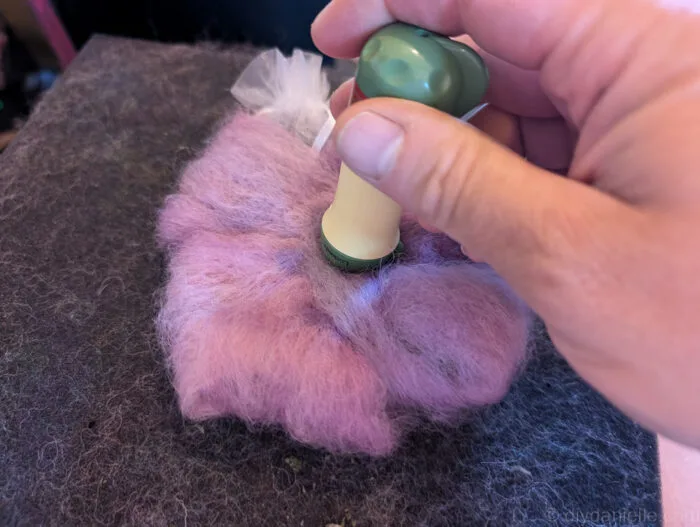
Needle felting uses a special barbed needle to tangle fibers. Start with a small ball or shape of wool. Hold the wool firmly and poke with the needle repeatedly. Use a foam pad underneath to protect surfaces and needles. Shape the wool by adding more fibers and felting carefully. Work slowly to avoid breaking the needle. Fine details can be added with thin layers and gentle pokes.
Safety Precautions
- Keep needles away from fingers to avoid injuries.
- Use a firm surface like a foam pad for needle felting.
- Work in a well-ventilated area to avoid inhaling fibers.
- Keep water temperature comfortable to prevent burns during wet felting.
- Store sharp tools out of reach of children and pets.
Simple Toy Designs
Simple toy designs make felted cat toys easy and fun to create. These toys use basic shapes and require minimal materials. They appeal to cats’ natural instincts to chase and bat objects. Crafting these toys also suits beginners and saves time.
Felted Balls
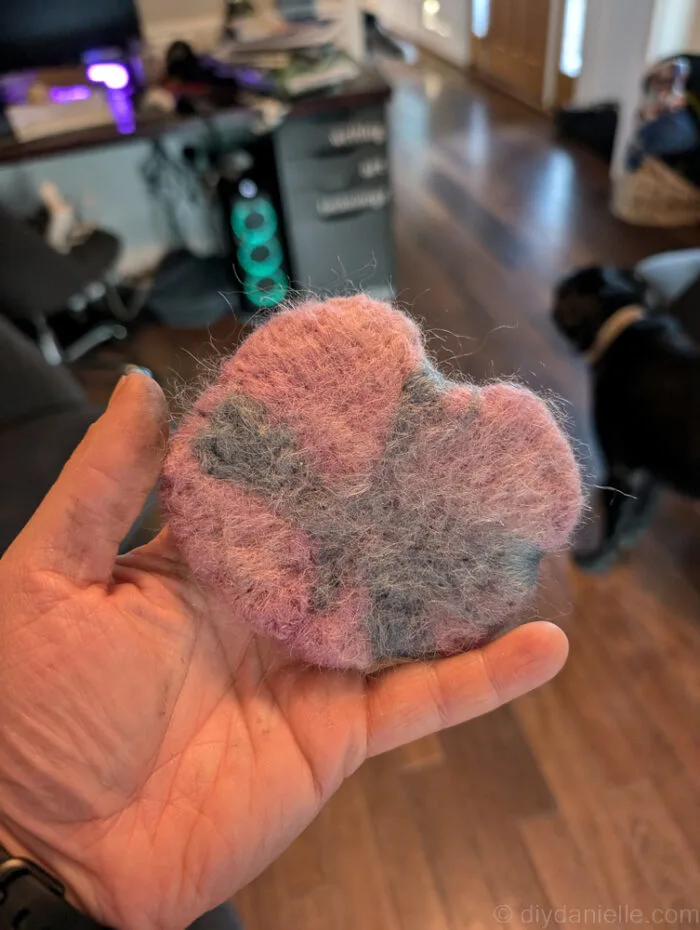
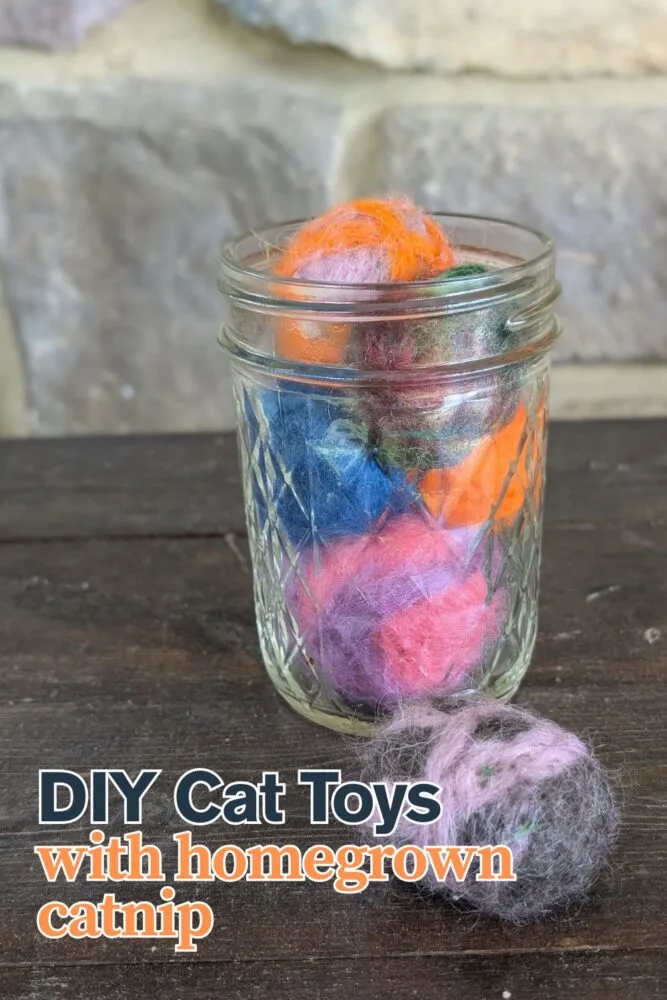
Felted balls are classic cat toys. They are soft, lightweight, and safe. Roll wool fibers into a small ball and felt by hand or with hot water. Add a few drops of catnip inside for extra fun. Felted balls come in many colors and sizes. Cats love to chase and toss them around.
Mini Mice
Mini mice mimic real prey and attract cats easily. Shape wool into a small oval for the body. Attach a tiny tail using a wool strand or yarn. Use felt or embroidery thread to add eyes and nose. These mini mice are perfect for interactive play. Cats enjoy batting and carrying them in their mouths.
Fish Shapes
Fish shapes are simple and charming cat toys. Form wool into a flat, elongated oval with a slight point at one end. Add fins and a tail with thin wool strips. Use small stitches or wool details for eyes. These toys fit well in cats’ paws. They also look cute on shelves or in gift boxes.
Adding Catnip
Sprinkle catnip inside your felted toy to attract and excite your cat. The scent encourages playful behavior and keeps cats interested longer. Use a small amount to avoid overwhelming their senses.
Adding catnip to your felted cat toys can turn them into irresistible playthings for your feline friends. Catnip is known for its euphoric effects on most cats, providing them with joy and entertainment. The process is simple, but it requires some attention to detail to ensure your toys are both safe and effective.Selecting Catnip
Choosing the right catnip is crucial for crafting the perfect toy. Look for organic catnip to ensure it’s free from pesticides. Freshness is key; opt for catnip that is vibrant in color and aromatic. Dried catnip is typically more potent than fresh catnip. Consider storing it in an airtight container to maintain its freshness. Have you ever noticed your cat’s excitement when you first open a new bag of catnip? That’s the freshness making a difference!Incorporating Catnip Safely
When adding catnip to your felted toys, safety should be your top priority. Use a modest amount to prevent overwhelming your cat. A small pinch is usually sufficient to attract your pet’s attention. Ensure the catnip is securely embedded within the toy. This prevents spillage and reduces the risk of your cat ingesting large quantities. You can sew a small pocket within the toy to hold the catnip securely. Finally, always supervise your cat during playtime. This allows you to observe their reaction and ensures they are enjoying the toy safely. Do you think your cat will enjoy a new felted toy with a hint of catnip? Try it out and watch the playful magic unfold!Decorating Your Toys
Decorating your felted cat toys adds personality and extra fun for your furry friend. It’s a chance to get creative and make each toy unique. Small details can turn a simple felt shape into a favorite plaything that catches your cat’s attention.
Using Embroidery
Embroidery lets you add patterns or tiny faces to your felt toys. Use colorful embroidery thread to create eyes, noses, or playful designs. Even simple stitches can give your toy character and charm.
Try stitching a little whisker pattern or a smile. It’s easy and doesn’t require special skills—just a needle and thread. You can also personalize toys with your cat’s initials or fun shapes like stars or paws.
Attaching Bells
Bells are a great way to add sound and excitement to your cat toys. Cats love toys that jingle as they bat them around. Sew a small bell securely inside or attach one to the outside for a gentle, teasing noise.
Make sure the bell is firmly attached to avoid any choking hazards. You can use a strong thread or thin wire to keep it safe. Have you noticed how a tiny bell can make your cat chase a toy longer?
Adding Feathers
Feathers bring natural movement and texture that cats find irresistible. Attach a few feathers to one end of your toy using needle and thread or a small drop of non-toxic glue. The fluttering feathers mimic prey and encourage playful pouncing.
Choose feathers that are soft and safe for pets, avoiding any sharp or brittle ones. Watch how your cat’s curiosity spikes when feathers wobble with every touch. Could a simple feather be the secret to endless playtime?
Credit: diydanielle.com
Care And Maintenance
Keeping your felted cat toys in good shape is key to ensuring your feline friend stays entertained and safe. Proper care not only extends the life of the toys but also prevents the buildup of dirt and germs that could harm your cat. Let’s dive into simple ways to clean your felt toys and know when it’s time to say goodbye to them.
Cleaning Felt Toys
Felt is delicate, so treating your cat’s toys gently is important. Hand washing with cool water and mild soap works best. Avoid hot water or harsh detergents as they can shrink or damage the felt.
After washing, press the toy gently between towels to remove excess water. Let it air dry completely before giving it back to your cat. Have you noticed your cat’s toy smelling musty or looking dirty? That’s a clear sign it’s time for a clean.
When To Replace Toys
Toys wear out faster than you might expect, especially if your cat is a heavy chewer. Check regularly for loose fibers, holes, or stuffing coming out. These can be dangerous if swallowed.
If the toy loses its shape or becomes too rough, it’s time to replace it. Remember, a worn-out toy doesn’t just lose appeal—it can also pose choking hazards. How often do you inspect your cat’s toys for damage? Making it a habit can keep playtime safe and fun.
Tips For Playtime
Playtime with your cat brings joy and strengthens your bond. Using felted cat toys makes play even more special. Simple tips can help make these moments fun and safe for both of you.
Encouraging Interaction
Invite your cat to play by moving the toy gently. Small, quick movements catch their attention. Hide the toy behind furniture to spark curiosity. Let your cat catch the toy sometimes to keep interest high. Change toys often to prevent boredom. Use toys that mimic prey to engage natural hunting instincts.
Safe Play Practices
Always supervise your cat during play. Check toys regularly for loose parts or damage. Remove toys that could cause choking or swallowing hazards. Store toys safely out of reach after play. Choose natural materials like wool to avoid harmful chemicals. Keep play sessions short to avoid overstimulation.
Credit: diydanielle.com
Frequently Asked Questions
What Materials Are Needed To Make Felted Cat Toys?
You need wool roving, warm soapy water, a bamboo mat, and cat-safe embellishments. These materials ensure safe, durable toys your cat will love.
How Long Does Felting Cat Toys Usually Take?
Felting cat toys typically takes 30 to 60 minutes. Time varies with toy complexity and drying time after felting.
Are Felted Cat Toys Safe For Cats?
Yes, felted cat toys made with natural wool and non-toxic materials are safe. Avoid sharp or small parts to prevent choking hazards.
Can I Add Catnip To Felted Toys?
Yes, adding dried catnip inside felted toys increases playtime fun and attracts cats naturally. Ensure the catnip is fresh and safe.
Conclusion
Making felted cat toys is fun and simple. You can create safe, soft toys with just a few materials. These toys keep your cat active and happy. Plus, crafting them saves money and reduces waste. Try different shapes and colors to find what your cat loves.
Enjoy the process and watch your cat play with joy. Start your felted toy project today and see the difference!

Leave a Reply