
Have you ever wondered if your cat is spending the right amount of time grooming? Grooming is more than just a habit for your furry friend—it’s a key part of their health and happiness.
But how much time should your cat really spend cleaning themselves? Knowing the answer can help you spot when something might be wrong and ensure your cat stays comfortable and healthy. Keep reading to discover the secrets behind your cat’s grooming routine and learn what’s normal—and what isn’t—for your beloved pet.
Cat Grooming Basics
Understanding the basics of cat grooming is essential to keep your feline friend healthy and happy. Grooming is more than just cleaning; it plays a vital role in your cat’s overall well-being. Knowing how much time cats typically spend grooming can help you spot any unusual behavior that might signal health issues.
Why Cats Groom Themselves
Cats groom themselves to stay clean and remove loose fur and dirt. This behavior also helps regulate their body temperature and reduce stress. Grooming stimulates natural oils in their skin, keeping their coat shiny and healthy.
Have you ever noticed your cat licking its paws and then rubbing its face? This is a common grooming pattern that helps clean areas hard to reach otherwise. When your cat grooms, it’s also creating a scent layer that marks its territory, which can make them feel safe and secure.
Normal Grooming Duration
Most cats spend about 30 to 50 percent of their waking hours grooming. This can add up to one or two hours a day, depending on the cat’s age, breed, and health. Long-haired cats often need more grooming time than short-haired cats to keep their fur free of tangles.
If you notice your cat grooming much more or less than usual, it’s worth paying attention. Excessive grooming might indicate allergies, stress, or skin problems. On the other hand, less grooming could mean your cat is feeling unwell or experiencing dental pain.
Have you tracked how much time your cat spends grooming? Observing this routine closely can help you understand your pet’s health better and intervene early if something feels off.
Credit: www.latimes.com
Factors Affecting Grooming Time
Grooming time varies for each cat. Several factors influence how long a cat spends cleaning itself daily. Understanding these factors helps pet owners provide better care. Grooming is not just about cleanliness; it also affects a cat’s health and comfort.
Breed Differences
Different cat breeds have different grooming needs. Long-haired cats spend more time grooming than short-haired cats. Breeds like Persians or Maine Coons need extra care to prevent mats. Short-haired breeds groom quickly but still need regular attention.
Age And Health
Young cats groom more often as they are active and healthy. Older cats may groom less due to arthritis or other health issues. Illness or pain can reduce grooming time. Some cats need help from owners to stay clean.
Environment And Lifestyle
Indoor cats usually stay cleaner and groom less. Outdoor cats face dirt and debris, increasing grooming time. Stressful environments can reduce grooming behavior. Cats in calm homes groom more regularly and thoroughly.
Signs Of Over-grooming
Recognizing signs of over-grooming in your cat is crucial to keeping them healthy and happy. Grooming is normal, but too much can signal underlying issues. Paying attention to these signs helps you act before serious problems develop.
Behavioral Indicators
You might notice your cat spending an unusual amount of time licking or biting the same spot. This repetitive behavior often points to stress, anxiety, or even boredom.
Other behaviors include:
- Restlessness or irritability
- Avoiding social interaction or hiding more than usual
- Excessive scratching or rubbing against furniture
Have you seen your cat suddenly obsess over grooming after a change in their environment? This can be a subtle clue that something is off.
Physical Symptoms
Over-grooming often leads to visible changes on your cat’s skin and fur. You may spot bald patches, redness, or scabs where your cat has over-licked.
Watch out for:
- Hair thinning or complete fur loss in certain areas
- Inflamed or raw skin spots
- Scabs, sores, or crusty skin
These signs not only affect your cat’s appearance but can also cause discomfort or pain. If you observe any of these symptoms, it’s time to consult your vet for a proper diagnosis and treatment plan.
Credit: www.latimes.com
When Grooming Time Is Too Short
Cats usually spend a good amount of time grooming themselves every day. This helps keep their fur clean and healthy. But sometimes, a cat may groom too little. When grooming time is too short, it can signal a problem.
Less grooming can mean the cat is not feeling well or is stressed. It can also cause issues with their coat and skin. Observing your cat’s grooming habits is important for their health.
Possible Causes
- Illness or pain that makes grooming uncomfortable
- Stress from changes in the environment or routine
- Obesity or physical problems limiting movement
- Dental issues causing pain while licking
- Old age reducing energy and flexibility
Potential Risks
- Matting and tangles in the fur
- Skin infections or irritation from dirt buildup
- Increased shedding and hair loss
- Parasite infestation like fleas or ticks
- Reduced comfort and well-being of the cat
Helping Your Cat Groom Properly
Cats spend a good amount of time grooming themselves. Sometimes, they need a little help to keep clean and healthy. Helping your cat groom properly supports their skin and fur. It also reduces hairballs and discomfort.
Simple grooming routines make a big difference. They keep your cat happy and looking great.
Brushing Techniques
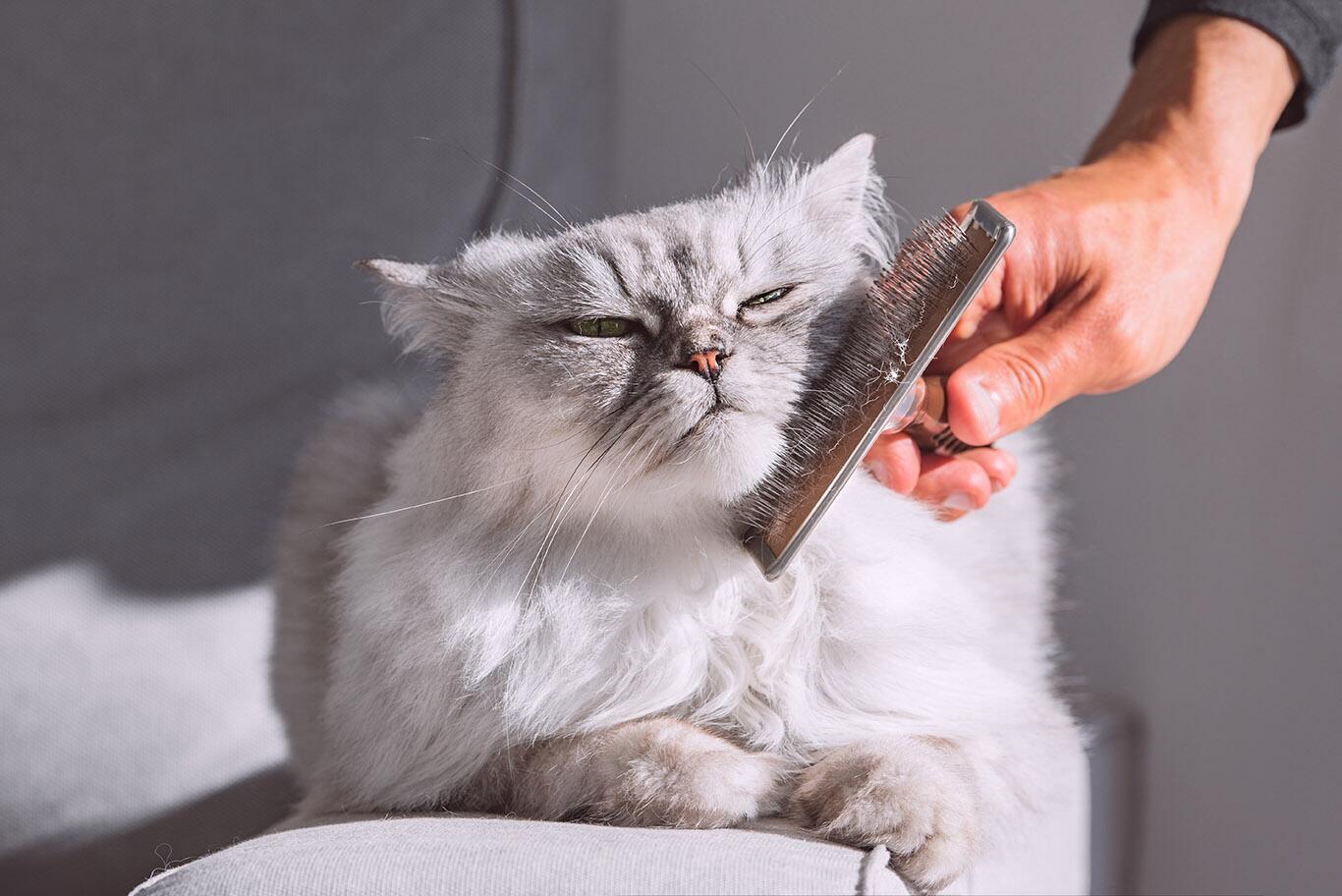
Brushing removes loose fur and dirt. Use a brush made for your cat’s fur type. Brush gently to avoid hurting your cat. Start from the head and move toward the tail. Pay attention to areas like behind the ears and under the legs. Brush regularly to prevent mats and tangles.
Bathing Tips
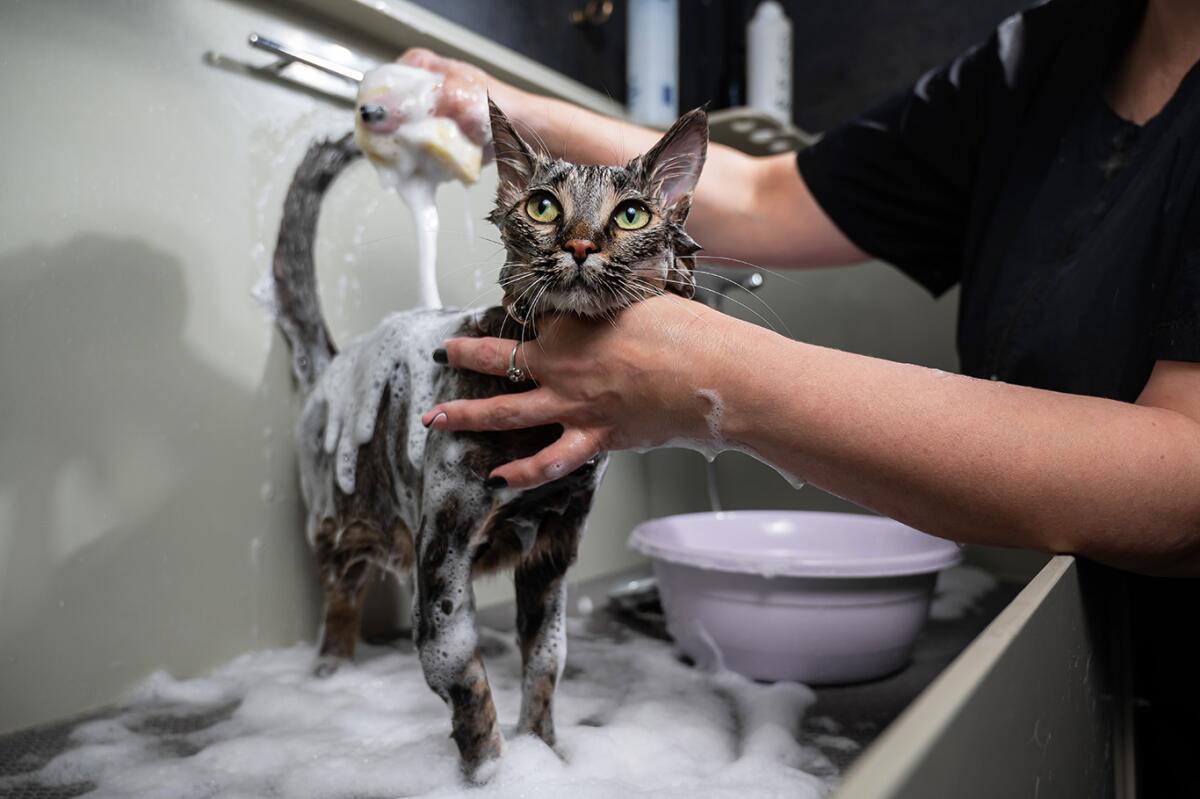
Cats usually clean themselves, but baths help if they are very dirty. Use warm water and cat-safe shampoo only. Keep water away from ears and eyes. Rinse well to remove all shampoo. Dry your cat with a soft towel. Keep baths short and calm to reduce stress.
Diet And Hydration
A good diet supports healthy skin and fur. Feed your cat high-quality food with essential nutrients. Omega-3 and omega-6 fatty acids improve coat shine. Fresh water keeps skin hydrated and soft. Check water bowls daily and refill often. Proper diet and water help your cat groom better naturally.

Credit: www.latimes.com
Consulting A Vet For Grooming Issues
Grooming is a vital part of a cat’s life. It helps them stay clean and healthy. Sometimes, a cat might groom too much or too little. This can be a sign of health issues. Consulting a vet can help identify the problem. It ensures your furry friend receives the right care.
When To Seek Help
If a cat grooms excessively, it might be stressed. Bald spots or irritated skin are warning signs. Grooming too little can also indicate a problem. If a cat avoids grooming, it might be in pain. It’s important to observe your cat’s behavior. Changes in grooming habits should prompt a vet visit.
What To Expect From Vet Visits
The vet will examine your cat thoroughly. They will check for any skin issues or parasites. Blood tests might be needed to rule out other problems. The vet may ask about your cat’s diet and environment. This helps in understanding any stress factors. Solutions might include medication or changes in routine.
Frequently Asked Questions
How Long Do Cats Groom Daily On Average?
Cats typically groom themselves for about 30-50 minutes each day. This routine helps keep their fur clean and healthy. Grooming also regulates body temperature and reduces stress. Time spent grooming can vary based on age, breed, and environment.
Why Do Cats Spend So Much Time Grooming?
Cats groom to remove dirt, loose fur, and parasites. Grooming also stimulates skin oils that keep their coat shiny. It serves as a calming activity to reduce anxiety and maintain social bonds with other cats.
Can Grooming Time Indicate A Cat’s Health?
Yes, changes in grooming habits often signal health issues. Excessive grooming may indicate skin problems or stress. Lack of grooming can show illness or pain. Monitoring grooming time helps catch health concerns early.
How Does Age Affect A Cat’s Grooming Time?
Older cats usually groom less due to arthritis or reduced mobility. Young cats and kittens tend to groom more frequently as they learn hygiene. Age-related changes in grooming help assess a cat’s well-being.
Conclusion
Cats usually spend about 15 to 30 minutes grooming daily. This helps keep their fur clean and healthy. Grooming also reduces stress and strengthens bonds with other cats. Watch your cat’s behavior for changes in grooming habits. Too little or too much grooming may signal health issues.
Regular brushing by owners can support their natural grooming. Remember, each cat is different, so grooming time may vary. Keep an eye on your cat’s comfort and coat condition. Good grooming habits lead to a happy, healthy cat.



Leave a Reply