
If you have a shorthair cat, you might wonder how often they really need grooming. It’s easy to think short fur means no fuss, but the truth is your cat’s coat still needs care to stay healthy and shiny.
Skipping grooming can lead to problems you don’t want to deal with, like mats or skin issues. You’ll discover the simple grooming routine your shorthair cat needs to feel comfortable and look their best. Keep reading to learn how often you should groom your furry friend and why it makes a big difference for both of you.
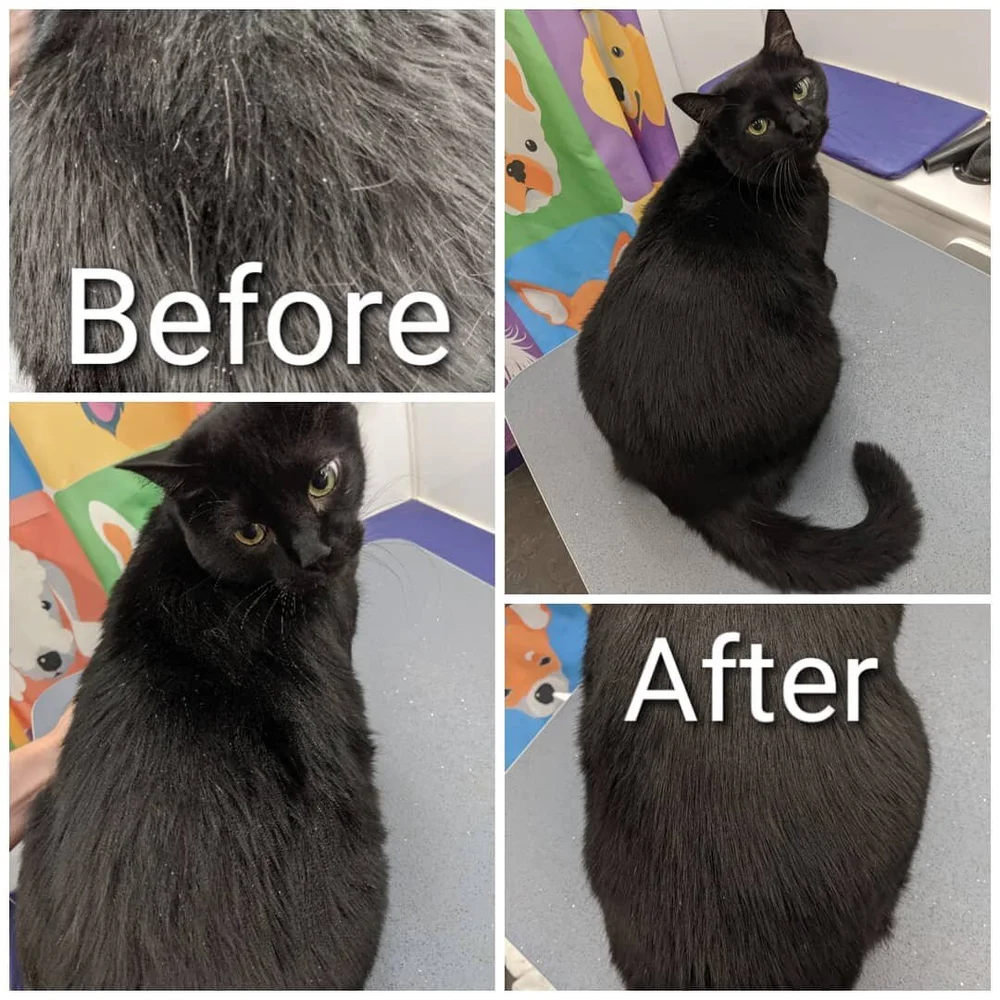
Credit: www.squeakycleangrooming.com
Grooming Needs Of Shorthair Cats
Understanding the grooming needs of shorthair cats helps you keep your feline friend healthy and comfortable. These cats generally require less maintenance than long-haired breeds, but regular care is still essential. Knowing what to expect from their coat and shedding patterns can guide you in setting a grooming routine that suits your pet’s lifestyle.
Coat Characteristics
Shorthair cats have sleek, dense fur that lies close to the skin. Their coat is usually smooth and less prone to tangling, which means fewer mats and less frequent brushing. However, the texture and thickness can vary based on breed, climate, and individual genetics.
Because the coat is shorter, dirt and debris are less likely to stick, but that doesn’t mean they don’t need grooming. Regular brushing helps remove loose hairs and stimulates natural oils, keeping the coat shiny and skin healthy. Have you noticed how a quick weekly brush can reduce hairballs and keep your cat more comfortable?
Natural Shedding Patterns
Shorthair cats shed year-round, but they tend to lose more fur during seasonal changes, especially in spring and fall. This natural shedding helps them adjust to temperature variations by replacing old fur with new growth. You might find fur on your furniture or clothes more often during these times.
Understanding your cat’s shedding cycle allows you to adjust grooming frequency accordingly. During heavy shedding seasons, daily brushing can prevent excessive fur buildup and reduce allergens in your home. Outside of these periods, a couple of sessions per week usually suffice to keep shedding under control.
Have you tried brushing your cat with a tool designed specifically for short fur? It can make a big difference in managing shedding and keeping your cat happy.

Credit: www.latimes.com
Recommended Grooming Frequency
Knowing how often to groom your shorthair cat helps keep their coat healthy and your home cleaner. Their short fur doesn’t mat as easily as longhair breeds, but regular care still matters. Setting a grooming routine tailored to their needs can prevent skin issues and strengthen your bond.
Weekly Brushing Benefits
Brushing your shorthair cat once a week removes loose hair before it ends up everywhere. This simple habit reduces shedding significantly and keeps fur shiny. It also gives you a chance to check for any lumps, bumps, or skin problems early.
When I started brushing my cat weekly, I noticed less hair on the sofa and fewer hairballs. Plus, my cat seemed to enjoy the attention, turning grooming into a relaxing time rather than a chore. Could a few minutes each week improve your cat’s comfort too?
- Use a soft bristle brush to avoid irritating the skin.
- Brush gently in the direction of hair growth.
- Focus on areas where shedding is heavier, like the back and neck.
Monthly Bathing Guidelines
Bathing shorthair cats isn’t necessary too often, but once a month can help if your cat gets particularly dirty or oily. Use a cat-specific shampoo to protect their sensitive skin and avoid over-drying the coat. Always rinse thoroughly to prevent irritation.
My cat once rolled in something sticky, and a quick bath saved the day without stressing her out. If you decide to bathe your cat, keep it calm and reward them afterward. Does your cat tolerate baths, or would you need to try other cleaning methods?
- Choose warm water to keep your cat comfortable.
- Keep bathing sessions short to reduce stress.
- Dry your cat completely with a towel, avoiding loud dryers.
Tools For Effective Grooming
Grooming shorthair cats requires the right tools. These tools make the process easier and more effective. Using good grooming tools keeps your cat’s coat healthy and shiny. It also reduces shedding and prevents hairballs. Having the right brushes and supplies creates a calm grooming experience for your cat.
Best Brushes For Shorthair Cats
Choose brushes designed for short fur. A slicker brush works well to remove loose hair and dirt. It has fine wire bristles that reach the undercoat. A rubber grooming brush helps massage the skin and spread natural oils. It also removes loose fur without hurting the cat. A bristle brush finishes grooming by smoothing the coat and adding shine. These brushes fit small hands and are gentle on the skin.
Additional Grooming Supplies
- Wide-tooth combs help detangle small knots and prevent mats.
- Pet-safe grooming wipes clean dirt from the fur between brushings.
- Nail clippers designed for cats keep claws trimmed and prevent scratches.
- Soft towels make drying easier after baths or wipe-downs.
- Cat-friendly ear cleaners keep ears free from wax and debris.
Using these supplies regularly supports your cat’s overall hygiene. It also strengthens the bond between you and your pet during grooming sessions.
Signs Your Cat Needs Extra Grooming
Cats that shed more than usual or have dull fur may need extra grooming. Noticeable mats or excessive scratching also signal grooming needs. Regular brushing keeps shorthair cats healthy and comfortable.
Understanding when your shorthair cat needs extra grooming is crucial for their health and happiness. While these cats are generally low-maintenance, certain signs indicate they need more attention. Recognizing these signs can help prevent discomfort and potential health issues.Excessive Shedding
Excessive shedding can be more than just an annoyance; it can hint at underlying issues. While some shedding is normal, especially during seasonal changes, a noticeable increase might signal stress or a nutritional deficiency. Regular grooming can help manage this, reducing fur around your home and keeping your cat comfortable.Matting And Tangles
Even shorthair cats can suffer from matting and tangles if not groomed regularly. These knots can be uncomfortable and may lead to skin issues if left untreated. Running your fingers through your cat’s coat can help you detect these early, allowing you to gently brush them out before they worsen.Skin Irritations
Does your cat scratch more than usual? This might indicate skin irritations that require attention. Grooming sessions are the perfect time to check for redness, bumps, or any abnormalities. Addressing these signs early can prevent more significant health problems and keep your cat’s skin healthy and itch-free. By staying vigilant and attentive to these signs, you ensure your feline friend remains in great shape. Grooming not only maintains their appearance but also strengthens the bond between you and your pet. Are you ready to make grooming a regular part of your cat care routine?Tips For Stress-free Grooming
Grooming your shorthair cat doesn’t have to be a battle. Making the experience stress-free benefits both you and your feline friend. The key lies in creating a calm setting and using positive techniques that encourage cooperation.
Creating A Calm Environment
Choose a quiet room where your cat feels safe and comfortable. Avoid loud noises or sudden movements that might startle them. Soft lighting and gentle music can help set a relaxing mood.
Try grooming sessions after your cat has eaten or had some playtime. A content cat is more likely to stay still and enjoy the attention. Keep all grooming tools within reach to avoid interruptions that might increase stress.
Positive Reinforcement Techniques
Use treats and gentle praise to reward your cat during and after grooming. This builds a positive association with the process. If your cat shows signs of discomfort, pause and offer affection before continuing.
Talk softly to your cat throughout the session to soothe them. You might be surprised how much your tone can influence their mood. Have you noticed how a calm voice can turn a tense moment into a trusting one?
Credit: pethelpful.com
Health Benefits Of Regular Grooming
Regular grooming offers many health benefits for shorthair cats. It keeps their skin and coat healthy. Grooming also helps prevent common problems that cats face daily. This simple routine supports their overall well-being and comfort.
Improved Skin Condition
Grooming removes dirt, dead skin, and loose hair. This helps the skin breathe better. It also reduces itching and irritation. Regular brushing spreads natural oils across the coat. These oils keep the skin soft and hydrated.
Reduced Hairballs
Shorthair cats swallow hair when they groom themselves. Brushing them often cuts down on loose hair they swallow. This lowers the chance of hairballs forming in their stomach. Fewer hairballs mean less vomiting and discomfort for your cat.
Early Detection Of Health Issues
Grooming lets you check your cat’s body closely. You can spot lumps, bumps, or wounds early. Changes in skin color or fur loss become noticeable. Early discovery of problems leads to faster treatment. This helps keep your cat healthier for longer.
Frequently Asked Questions
How Often Should I Groom My Shorthair Cat?
Shorthair cats typically need grooming once a week. This helps remove loose fur and reduces shedding. Regular brushing keeps their coat healthy and shiny. It also prevents hairballs and skin issues.
Can Shorthair Cats Groom Themselves Fully?
Shorthair cats groom themselves, but they still benefit from weekly brushing. Grooming by owners helps remove loose hair and dirt. It also strengthens the bond between you and your cat. Plus, it keeps the coat smoother and cleaner.
What Tools Are Best For Grooming Shorthair Cats?
A soft-bristle brush or rubber grooming mitt works best. These tools remove loose fur without irritating the skin. They are gentle and effective for short coats. Avoid harsh brushes that may cause discomfort or skin damage.
Does Grooming Reduce Shedding In Shorthair Cats?
Yes, regular grooming significantly reduces shedding. Brushing removes loose hair before it falls off. This helps keep your home cleaner. It also prevents hair from matting on your cat’s coat. Grooming is key to managing shedding effectively.
Conclusion
Shorthair cats need grooming regularly to stay healthy and clean. Brushing them once or twice a week works well. This helps remove loose hair and dirt easily. It also reduces hairballs and skin problems. Keep an eye on your cat’s coat for any changes.
A healthy cat feels happy and comfortable. Simple grooming can build a strong bond between you and your pet. Remember, a little care goes a long way in keeping your shorthair cat well-groomed and content.



Leave a Reply