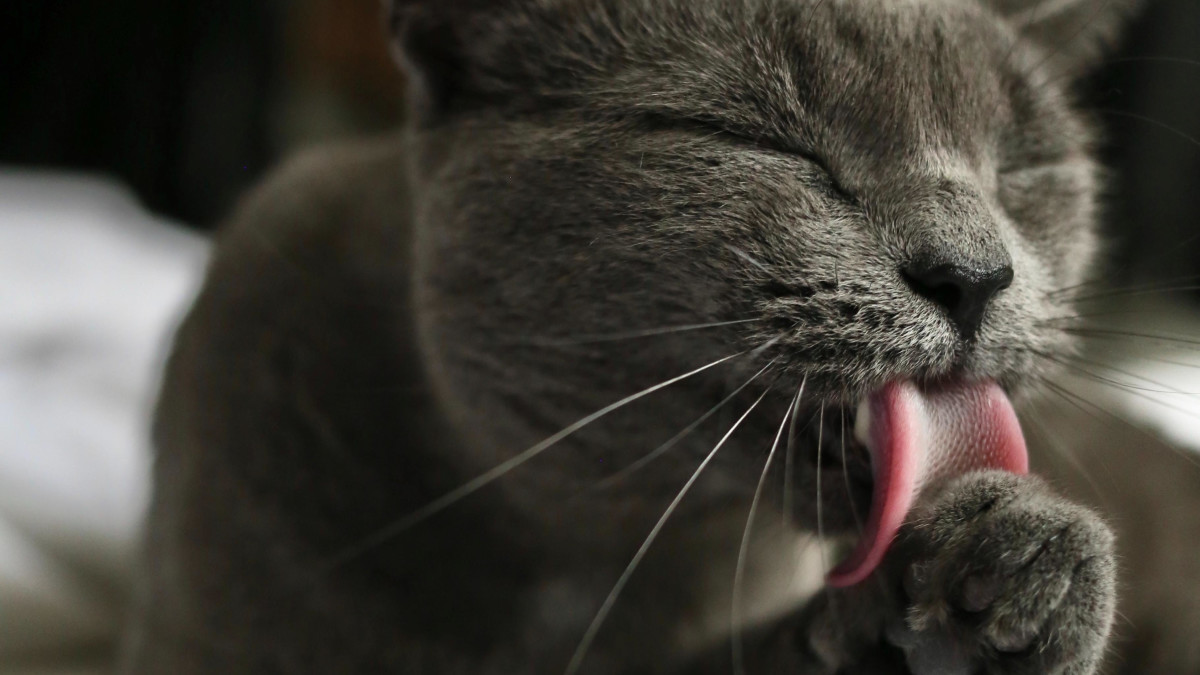
Have you noticed your cat spending hours licking and cleaning herself? You might be wondering, “Why is my cat grooming herself so much?” It’s natural to worry when you see your furry friend obsessively grooming, but there’s more to this behavior than just keeping clean.
Understanding why your cat grooms excessively can help you spot if something’s wrong or if it’s just her way of feeling comfortable. Keep reading, because what you learn could make a big difference in your cat’s health and happiness.

Credit: pennypaws.com
Normal Grooming Habits
Cats are known for their fastidious grooming habits. Grooming is a natural part of a cat’s daily life. It helps keep their fur clean and healthy. Understanding normal grooming habits helps identify if your cat is grooming too much or just enough.
Daily Grooming Routine
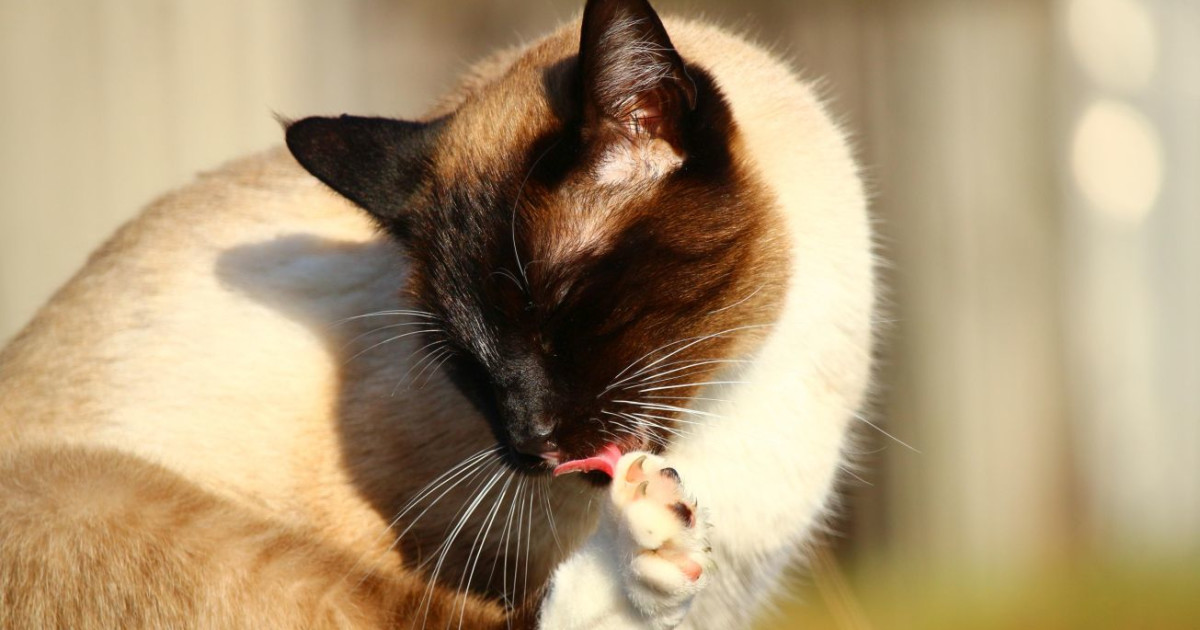
Cats spend a good part of their day cleaning themselves. They use their tongue to lick their fur gently. This removes dirt, loose hair, and parasites. Grooming also helps cats cool down on hot days. It keeps their fur smooth and shiny. Most cats groom several times a day, especially after eating or waking up.
Benefits Of Self-cleaning
Self-cleaning has many benefits for cats. It helps reduce shedding around the house. Grooming also spreads natural oils that protect the skin. This keeps their coat soft and waterproof. Grooming reduces stress by calming the cat. It can also prevent infections by keeping wounds clean. Overall, grooming keeps cats comfortable and healthy.
Credit: pethelpful.com
Signs Of Overgrooming
Overgrooming in cats can signal stress, allergies, or health problems. Recognizing signs early helps protect your cat’s skin and fur. Watch for changes in grooming habits and skin condition.
Identifying Excessive Licking
Excessive licking goes beyond normal cleaning. Your cat may lick one spot repeatedly or for long periods. The skin might look shiny or wet. You may notice bald patches or scabs. This behavior often leads to sore or irritated skin.
Common Areas Affected
Cats usually overgroom certain body parts. Check these areas for hair loss or redness:
- Belly
- Legs
- Chest
- Neck
- Base of the tail
These spots are easy to reach and common for overlicking. Regular checks can catch problems early.
Medical Causes
Excessive grooming in cats often signals an underlying medical issue that needs your attention. Your cat might be trying to soothe discomfort or irritation that you can’t immediately see. Understanding these medical causes can help you act quickly and get your feline friend the relief they deserve.
Skin Allergies And Irritations
Your cat’s skin might be reacting to something in their environment, food, or even grooming products. Allergies can cause redness, itching, and inflammation, leading your cat to groom more than usual. Have you noticed any new detergents, plants, or foods around your home that could be triggering this?
Sometimes, the cause is as simple as dry skin or minor irritants. But persistent scratching and licking could point to a deeper allergy problem that requires a vet’s diagnosis and treatment.
Parasites And Infections
Fleas, ticks, and mites are common culprits behind excessive grooming. These parasites cause intense itching, prompting your cat to lick and bite at affected areas. Even if you don’t see the bugs, tiny bites or eggs could be hiding in the fur.
Bacterial or fungal infections might also cause discomfort. These infections often develop in areas where the skin is broken from scratching or grooming, creating a painful cycle. If your cat’s grooming leaves bald patches or sores, it’s time to check for these issues.
Pain And Discomfort
Sometimes, grooming isn’t just about skin problems—your cat might be trying to manage pain. Arthritis, injuries, or internal discomfort can lead to focused grooming on specific body parts. Have you noticed your cat licking a single spot persistently or avoiding movement?
This behavior can be a subtle cry for help. Paying attention to where and how your cat grooms can give you clues about hidden pain that needs professional care.
Stress And Anxiety
Cats may groom themselves excessively due to stress and anxiety. This behavior often reflects their emotional state. Cats express anxiety through grooming, using it as a coping mechanism. Understanding the root causes can help alleviate their distress.
Triggers In The Environment
Cats are sensitive to changes in their surroundings. New furniture, moving homes, or even a new pet can trigger anxiety. Loud noises or unfamiliar visitors might also stress them. These environmental changes disrupt their routine, leading to excessive grooming.
Behavioral Responses
Stress can manifest in various behaviors. Over-grooming is one of them. Cats may lick themselves more to self-soothe. This behavior provides comfort, though it may lead to skin issues.
Identifying these responses helps in addressing their stress. Observing your cat’s grooming patterns can be insightful. It might reveal underlying anxiety or stressors affecting them.
Boredom And Lack Of Stimulation
Excessive grooming in cats can often be traced back to boredom and lack of stimulation. When your feline has little to occupy her time or challenge her mind, she may turn to grooming as a way to fill the void. This behavior might seem harmless, but it can indicate deeper frustration or stress.
Impact Of Indoor Life
Indoor cats often face a limited environment compared to their outdoor counterparts. Without varied sights, sounds, and smells, their world becomes monotonous. This lack of diversity can lead to repetitive behaviors like over-grooming.
Think about your own experience staying indoors for long periods—you might find yourself fidgeting or pacing. Similarly, your cat might lick and groom excessively just to keep herself busy. If you notice this pattern, it’s a sign that she needs more mental and physical outlets.
Encouraging Play And Engagement
Adding simple activities can make a big difference in your cat’s behavior. Try introducing interactive toys such as feather wands or laser pointers. These toys tap into her natural hunting instincts and keep her mind sharp.
Regular play sessions not only reduce boredom but also strengthen your bond with your cat. You can also rotate toys weekly to keep things fresh and exciting. Have you noticed how your cat’s mood improves after a good playtime? That’s a clue that stimulation helps curb over-grooming.
- Set aside at least 15 minutes twice daily for active play.
- Use puzzle feeders to challenge her brain during mealtimes.
- Create vertical spaces like cat trees or shelves to explore.
By addressing boredom with engaging activities, you help your cat feel fulfilled and reduce the urge to groom excessively. What new play ideas can you try today to brighten her indoor life?
)
Credit: www.northroadvet.com.au
Diet And Nutrition Impact
Your cat’s diet plays a significant role in how much she grooms herself. What she eats affects her skin health, coat condition, and overall comfort. If you notice excessive grooming, looking into her nutrition can reveal surprising causes and solutions.
Food Allergies
Food allergies can cause itching and irritation, leading your cat to groom excessively. Common allergens include beef, dairy, fish, and grains. If your cat starts licking or biting the same spot repeatedly, consider if her diet has changed recently.
Try an elimination diet under your vet’s guidance to spot the culprit ingredient. Switching to hypoallergenic or limited-ingredient food often reduces discomfort. Have you noticed any patterns between new foods and your cat’s grooming habits?
Nutritional Deficiencies
Deficiencies in essential nutrients like omega-3 fatty acids, vitamins, or minerals can cause dry, itchy skin. This discomfort pushes your cat to groom more to soothe herself. A dull or flaky coat is a red flag you shouldn’t ignore.
Adding supplements like fish oil or vitamin E may improve skin health and reduce grooming. Always check with your vet before making changes to avoid over-supplementing. What nutrients does your cat’s current food provide, and is it enough to keep her skin healthy?
When To See A Vet
Knowing when to take your cat to the vet is crucial if you notice excessive grooming. Sometimes, it’s more than just a quirky habit or a way to stay clean. Ignoring this behavior could mean missing an underlying health issue that needs attention.
Warning Signs
Watch for bald patches or raw, red skin where your cat grooms the most. Does your cat seem restless, biting or licking the same spot repeatedly? These are clear signals that something might be wrong.
If your cat suddenly starts grooming much more than usual, especially alongside scratching or hair loss, it’s time to get professional advice. Also, if you notice changes in appetite, energy levels, or bathroom habits, these signs add urgency.
Diagnostic Approaches
Your vet will start with a detailed physical exam, checking the skin and fur condition closely. They may perform skin scrapings or allergy tests to pinpoint irritants or infections.
Sometimes blood tests are necessary to rule out hormonal imbalances or other internal problems. Your vet might also ask about your cat’s environment and diet to identify stressors or allergens.
Have you considered keeping a diary of your cat’s grooming patterns? Sharing this with your vet can help them understand triggers and timing, leading to more accurate diagnosis.
Tips To Reduce Overgrooming
If your cat is grooming herself excessively, it can be a sign of stress, boredom, or even a skin issue. Helping her reduce overgrooming is essential not only for her comfort but also for her overall health. Here are some practical tips you can try to create a happier, calmer environment for your feline friend.
Environmental Enrichment
Adding variety to your cat’s environment can distract her from overgrooming. Try setting up climbing trees, cozy hiding spots, or interactive toys to keep her busy.
Rotate toys regularly to maintain her interest. Cats love challenges—puzzle feeders or toys that mimic prey can engage her natural instincts.
Have you noticed how your cat reacts to new objects? Sometimes, simple changes can make a big difference in her behavior.
Grooming Alternatives
If your cat is focused on grooming because she’s uncomfortable, try offering alternatives like gentle brushing. This can satisfy her grooming needs while reducing the urge to lick herself raw.
Use a soft brush and make grooming sessions a bonding time. You might find she enjoys the attention and it becomes a calming ritual.
Consider providing soft blankets or plush toys she can nibble on instead of her fur. These small swaps can redirect her energy productively.
Stress Reduction Techniques
Stress is a major trigger for overgrooming. Creating a peaceful space with minimal noise and traffic can help your cat relax.
Try pheromone diffusers or calming sprays designed for cats. These products can reduce anxiety and help curb excessive grooming.
Have you tried spending quiet time with your cat in a low-stress setting? Sometimes just your presence and gentle petting can soothe her nerves and reduce overgrooming.
Frequently Asked Questions
Why Is My Cat Grooming Herself Excessively?
Excessive grooming may signal stress, allergies, or skin irritation. It’s important to watch for hair loss or sores. Consult a vet if grooming seems obsessive or causes skin damage to ensure proper treatment.
Can Over-grooming Indicate Health Problems In Cats?
Yes, over-grooming can indicate health issues like parasites, infections, or allergies. It may also reflect emotional stress. Identifying the cause early helps prevent further complications and ensures your cat’s well-being.
How Does Stress Affect My Cat’s Grooming Habits?
Stress causes cats to groom more to self-soothe. Changes in environment or routine can trigger this behavior. Reducing stressors and providing comfort can help normalize grooming habits.
When Should I Worry About My Cat’s Grooming Behavior?
Worry if grooming leads to bald spots, wounds, or obsessive licking. These signs suggest medical or psychological problems. Prompt veterinary advice is crucial for diagnosis and treatment.
Conclusion
Cats groom themselves to stay clean and healthy. Sometimes, they groom more because of stress or health issues. Watching your cat closely helps you spot changes. If grooming seems too much, a vet visit is smart. Understanding why your cat grooms helps you care better.
A happy cat usually grooms just the right amount. Keep an eye on their habits for a healthy pet. Simple care and love make a big difference.



Leave a Reply