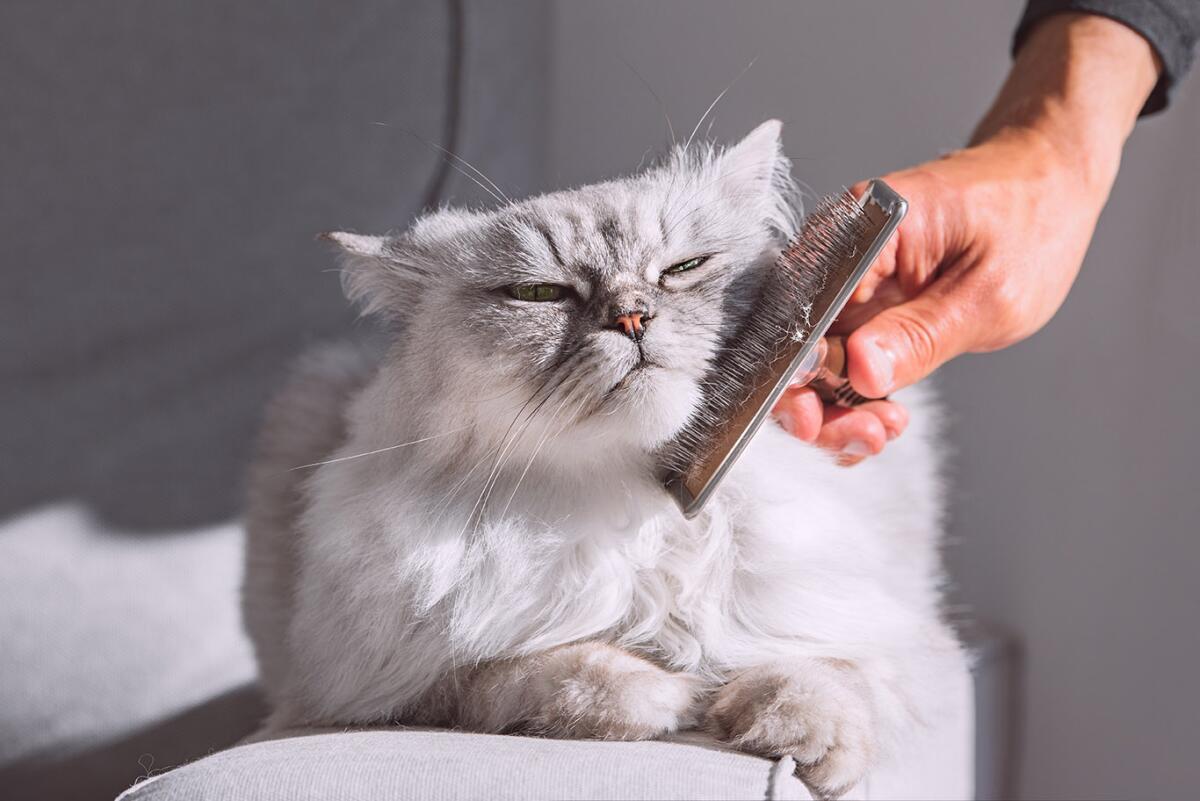
Do you want your cat grooming sessions to be smoother and more enjoyable for both you and your furry friend? Making your cat groom more willingly isn’t just about keeping them clean—it’s about building trust and strengthening your bond.
If your cat resists brushing or cleaning, you’re not alone. But don’t worry, there are simple, effective ways you can encourage your cat to cooperate without stress or struggle. Keep reading to discover easy tips that will transform grooming time into a calm, happy routine your cat will actually look forward to.
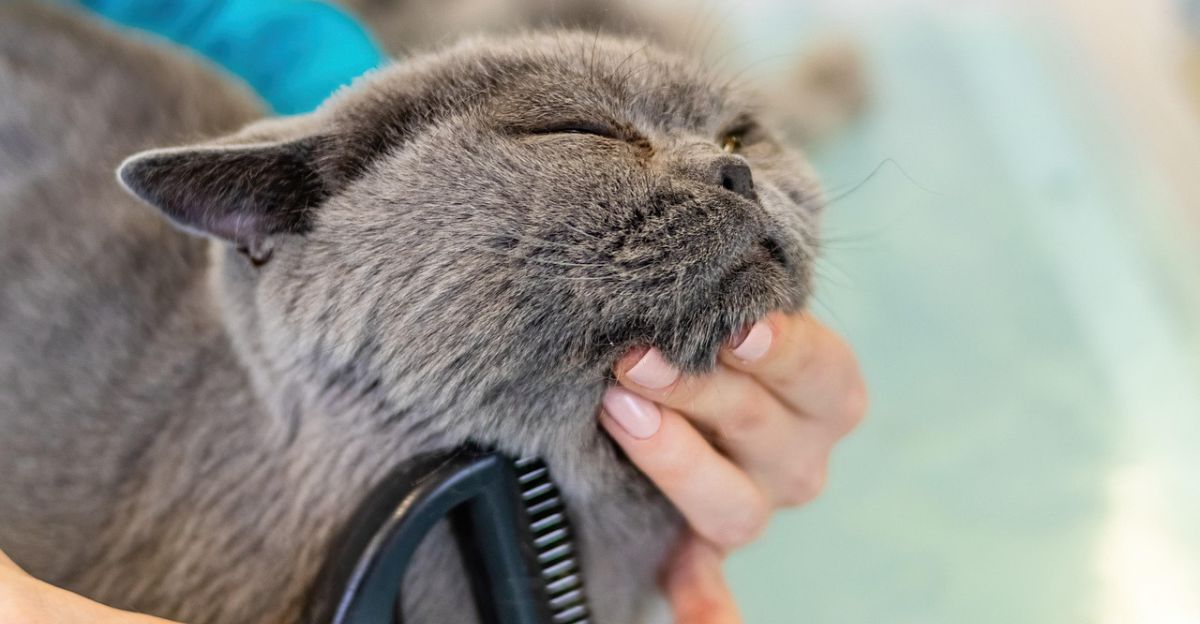
Credit: tryfurgo.com
Choose The Right Grooming Tools
Choosing the right grooming tools is essential to keep your cat comfortable and make grooming a pleasant experience for both of you. Using the wrong brush or comb can irritate your cat’s skin or fail to remove loose fur effectively. Knowing which tools suit your cat’s coat type can save time and reduce stress during grooming sessions.
Types Of Brushes And Combs
There are several grooming tools designed for different purposes. Slicker brushes have fine, short wires close together, great for removing loose hair and mats. Pin brushes work well for longer or thicker fur, helping to detangle and smooth the coat without pulling.
Combs come in metal or plastic and are perfect for spotting fleas or removing small tangles. A wide-toothed comb is gentle on sensitive skin, while a fine-toothed comb can reach deeper mats. You might find that using a combination of these tools gives the best results for your cat.
Selecting Groomers For Different Fur Types
Short-haired cats usually need a soft-bristle brush or a rubber grooming mitt to remove loose hair without irritating their skin. Long-haired cats require a slicker brush to untangle knots and a wide-toothed comb to prevent matting.
If your cat has thick or double-layered fur, consider a de-shedding tool designed to reach undercoat layers. These tools reduce shedding and keep your home cleaner. Have you noticed your cat’s coat texture changing over time? Adjusting your grooming tools accordingly can make a big difference.
)
Credit: www.northroadvet.com.au
Create A Calm Environment
Creating a calm environment helps your cat enjoy grooming sessions. Cats feel safer and more relaxed in quiet, peaceful settings. A calm space lowers stress and makes grooming easier for both of you.
Finding A Quiet Space
Choose a room with little noise and few distractions. Avoid busy areas with loud TVs or heavy foot traffic. A small, cozy spot works best. Let your cat explore the space before grooming. This helps them feel comfortable and ready.
Using Soothing Sounds And Scents
Soft background sounds can soothe your cat during grooming. Try gentle music or nature sounds at low volume. Avoid sudden or loud noises that may scare your cat.
Calming scents also help create a peaceful mood. Use a diffuser with cat-safe essential oils like lavender. Or place a clean cloth with your scent nearby. These smells make your cat feel safe and calm.
Establish A Grooming Routine
Establishing a grooming routine helps your cat feel calm and secure. Regular grooming keeps your cat’s coat healthy and reduces shedding. It also creates a strong bond between you and your pet. Consistency is key. Choose a time that fits your daily schedule and stick to it. This makes grooming a normal part of your cat’s day.
Best Times To Groom
Choose a quiet time when your cat is relaxed. Early morning or evening works well for many cats. After a nap is ideal because your cat is calm. Avoid grooming right after playtime or meals. Your cat may be too energetic or distracted then. Find a spot with good light and few distractions.
Frequency Based On Cat’s Needs
Short-haired cats may need brushing once a week. Long-haired cats benefit from daily grooming to prevent mats. Older cats or those with health issues may need gentler, shorter sessions. Pay attention to your cat’s reaction and adjust the frequency. Watch for signs like shedding, dandruff, or knots to guide you. Regular grooming helps spot problems early.
Handle Your Cat Gently
Gentle touch helps cats feel safe and relaxed during grooming. Soft strokes and calm voices encourage trust and cooperation. Patience is key to making grooming a positive experience for your cat.
Handling your cat gently is key to promoting grooming habits. Cats are sensitive creatures. They respond to touch and voice. A gentle approach builds trust. This makes your cat feel safe. Safety encourages more grooming. Use soft, calming tones. Your touch should be light and soothing.Techniques To Reduce Stress
Reducing stress in cats is essential. Create a calm environment. Lower the noise levels at home. Use soft music or nature sounds. Provide a cozy space for your cat. This can be a comfy bed or a quiet corner. Regular playtime also helps. It releases pent-up energy. This can lower stress and increase grooming.Recognizing Signs Of Discomfort
Recognize signs of discomfort in your cat. These include flattened ears or a twitching tail. Your cat may also hide or vocalize more. Pay attention to these cues. Stop and reassess the situation. Always ensure your cat is comfortable. Adjust your approach if needed.Incorporate Positive Reinforcement
Incorporating positive reinforcement helps your cat enjoy grooming sessions. It creates a pleasant experience and encourages good behavior. Using rewards and gentle praise shows your cat that grooming is safe and fun. This approach builds a strong bond and makes grooming easier over time.
Using Treats And Praise
Offer small treats during or right after grooming. This lets your cat link grooming with something positive. Use soft, tasty treats your cat loves. Speak softly and use calm words to praise your cat. Simple phrases like “good kitty” work well. Keep your tone gentle and happy to encourage your cat.
Building Trust Over Time
Trust grows slowly through regular, calm grooming sessions. Start with short sessions and increase time gradually. Watch your cat’s reactions and stop if it seems stressed. Be patient and consistent. Let your cat explore grooming tools before using them. Gentle touch and quiet voices build comfort and trust. Over time, your cat will look forward to grooming moments.
Address Common Grooming Challenges
Addressing common grooming challenges helps keep your cat healthy and comfortable. Regular grooming reduces stress for both you and your cat. Understanding common issues makes grooming easier and faster.
Dealing With Matting And Tangles
Mats and tangles cause discomfort and skin problems. Use a wide-toothed comb to gently remove tangles. Hold the fur close to the skin to avoid pulling. For tough mats, try a dematting tool or small scissors carefully. Regular brushing prevents mats from forming. Check areas like behind ears and under legs often.
Managing Shedding And Hairballs
Shedding is natural, but excess hair can cause hairballs. Brush your cat daily to remove loose fur. Choose a brush suitable for your cat’s coat type. Hairballs form when cats swallow loose hair during grooming. Feeding hairball control cat food helps reduce them. Keep fresh water available to support digestion. Watch for signs of hairball blockage and consult a vet if needed.
Know When To Seek Professional Help
Knowing when to seek professional help is key to keeping your cat’s grooming routine safe and effective. While many grooming tasks can be done at home, some issues need expert attention to avoid causing your cat discomfort or health problems. Recognizing these signs early can save you and your feline friend a lot of stress.
Identifying Grooming Issues Beyond Home Care
Not all grooming problems are simple tangles or dirt. If you notice persistent bald patches, unusual lumps, or your cat constantly scratching or biting a certain area, these could be signs of skin infections, allergies, or parasites.
Also, if your cat resists grooming more than usual or shows signs of pain during brushing, it’s a red flag. These behaviors often point to underlying health issues that require a professional’s evaluation.
Have you ever tried to trim your cat’s nails only to see them flinch or hide afterward? That hesitation might mean the nails are overgrown or infected—situations better handled by a vet or experienced groomer.
Choosing A Reliable Groomer Or Vet
Finding the right professional is just as important as recognizing when to seek help. Look for groomers or vets with solid reviews and experience handling cats, not just dogs.
Ask about their approach to calming nervous cats and whether they offer services like gentle nail trimming or fur detangling. A good groomer will listen to your concerns and tailor their care to your cat’s specific needs.
Don’t hesitate to visit the facility beforehand to check cleanliness and observe how staff interact with animals. Trust your instincts—your cat’s comfort and safety should always come first.

Credit: www.youtube.com
Frequently Asked Questions
How Often Should I Groom My Cat For Best Results?
Groom your cat at least once a week to maintain a healthy coat. Regular grooming reduces shedding and prevents matting. Adjust frequency based on your cat’s fur length and activity level for optimal care.
What Tools Do I Need For Cat Grooming?
Basic grooming tools include a slicker brush, comb, nail clippers, and grooming wipes. Choose tools suitable for your cat’s fur type. Quality tools ensure effective grooming and a comfortable experience for your cat.
How Can I Make Grooming Enjoyable For My Cat?
Use treats and gentle strokes to create positive associations. Start grooming slowly and praise your cat often. Consistency and patience help your cat feel relaxed and cooperative during grooming sessions.
Can Grooming Improve My Cat’s Health?
Yes, grooming removes dirt, reduces hairballs, and helps spot skin issues early. Regular grooming promotes better circulation and a shinier coat. It also strengthens the bond between you and your cat.
Conclusion
Grooming your cat can be simple and fun. Regular brushing keeps fur clean and healthy. It also helps reduce hairballs and shedding. Use gentle strokes to make your cat comfortable. Choose the right tools for your cat’s fur type. Pay attention to your cat’s mood during grooming.
Small, frequent sessions work best. Your cat will enjoy the bonding time. A well-groomed cat looks happy and feels good. Start today and see the difference!


Leave a Reply