Are you sure you’re feeding your cat the right way? Different cat breeds have different needs, and knowing how often to feed your furry friend can make a big difference in their health and happiness.
If you want your cat to stay energetic, maintain a healthy weight, and avoid common health problems, understanding the feeding schedule that suits their breed is key. Keep reading to discover exactly how often you should feed your pet cat breeds and why it matters more than you might think.
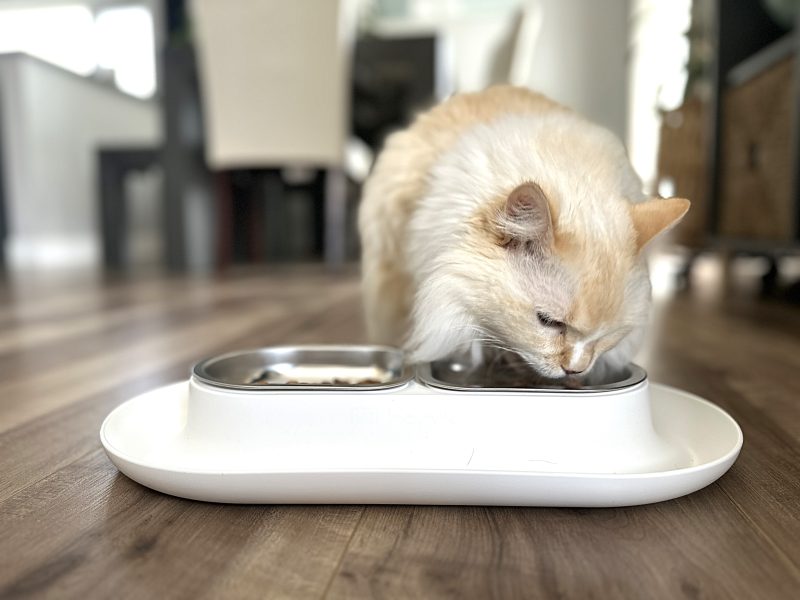
Credit: www.catster.com
Feeding Basics For Cats
Feeding your cat properly keeps it healthy and happy. Knowing the basics helps you provide the right nutrition. Different cat breeds have unique needs, but some rules apply to all. Understanding calories, meal timing, and food types is key. This section covers essential feeding basics for cats.
Daily Caloric Needs
Every cat needs a certain amount of calories each day. This depends on age, size, and activity level. Kittens and active cats need more energy. Older or less active cats need fewer calories to avoid weight gain. On average, a cat needs about 20 calories per pound daily.
- Kittens: 50-60 calories per pound
- Adult cats: 20-30 calories per pound
- Senior cats: 15-20 calories per pound
Meal Frequency Options
Cats can eat several small meals or a few larger ones. Free feeding means leaving food out all day. This suits cats that self-regulate well. Scheduled feeding means offering food at set times. Most cats do well with two to three meals daily. Meal frequency depends on your cat’s habits and your schedule.
Wet Vs Dry Food
Wet and dry food each have benefits. Wet food contains more moisture, helping keep cats hydrated. It often has fewer calories per serving. Dry food is convenient and helps keep teeth clean. It has a longer shelf life and is usually cheaper. Mixing both types can offer balanced nutrition and variety.
Factors Influencing Feeding Frequency
Feeding frequency for pet cats varies based on several important factors. Each cat’s needs differ depending on their unique characteristics and life situation. Understanding these factors helps provide proper nutrition and maintain a healthy weight. Here are key elements that influence how often you should feed your cat.
Age And Life Stage
Kittens need more frequent meals than adult cats. Their small stomachs require regular feeding throughout the day. Young cats usually eat three to four times daily. Adult cats can thrive on two meals per day. Senior cats may need special diets and adjusted feeding times. Life stage affects metabolism and energy needs, guiding feeding schedules.
Activity Level
Active cats burn more calories and need more food. Playful or outdoor cats often require extra meals or snacks. Less active cats benefit from fewer meals to prevent weight gain. Monitor your cat’s activity to balance food portions and feeding times. Adjust feeding frequency to match energy output.
Health Conditions
Health issues influence feeding routines significantly. Cats with diabetes may need consistent meal times. Cats with digestive problems might require smaller, more frequent meals. Overweight cats often need controlled portions and fewer meals. Always follow veterinary advice for cats with special health needs.
Feeding Guidelines For Popular Cat Breeds
Feeding your cat the right amount and type of food is crucial, especially when considering the unique needs of different breeds. Each popular cat breed has its own energy levels, size, and metabolism that affect how often and how much they should eat. Understanding these specifics helps you keep your feline friend healthy and happy.
Siamese Cats
Siamese cats are active and playful, so they usually need to eat more frequently than some other breeds. You might find that feeding them smaller meals three times a day works best to keep their energy steady. Pay attention to their lean body frame; they thrive on a diet rich in protein but low in fat.
Have you noticed your Siamese gets restless when it’s close to feeding time? That’s a sign they benefit from regular, scheduled meals.
Maine Coons
Maine Coons are one of the largest domestic cat breeds, so they require more calories daily. Feeding them twice a day with a balanced diet of wet and dry food can meet their nutritional needs. Since they are prone to obesity, portion control is key—don’t let their size fool you into overfeeding.
Think about how much space your Maine Coon takes up—does your cat’s feeding routine match their appetite and body size?
Persian Cats
Persians have a slower metabolism and tend to be less active indoors. Feeding them smaller, more frequent meals—about three times a day—helps prevent overeating and hairball issues. Including a diet rich in omega fatty acids supports their beautiful, long fur.
If your Persian seems sluggish, could adjusting meal portions or frequency boost their energy?
Bengal Cats
Bengals are highly energetic and muscular, which means they need a protein-heavy diet to maintain their stamina. Feeding them two to three times daily with high-quality, protein-rich food supports their active lifestyle. Keep an eye on their activity level to adjust portion sizes accordingly.
Have you tried varying your Bengal’s feeding schedule to match their bursts of energy during the day?
Credit: www.diamondpet.com
Adjusting Feeding For Weight Management
Feeding frequency varies by cat breed and activity level to help manage weight effectively. Smaller, active breeds may need more frequent, smaller meals. Larger or less active cats often do well with two meals daily to prevent overeating.
Adjusting Feeding for Weight Management Feeding your cat the right amount is crucial for maintaining a healthy weight. Just like humans, cats can easily gain weight if their diet isn’t carefully monitored. Ensuring your feline friend maintains an optimal weight can lead to a longer, healthier life.Recognizing Overfeeding
Overfeeding is more common than you might think. Signs like excessive weight gain, lethargy, and difficulty grooming can indicate your cat is consuming too many calories. Take a moment to observe your cat’s body shape—can you easily feel its ribs, or are they hidden under a layer of fat?Portion Control Tips
Portion control is key in managing your cat’s weight. Use a kitchen scale to measure your cat’s food instead of guessing. Divide meals into smaller portions throughout the day to prevent overeating. This not only helps with weight control but also keeps your cat happy and satisfied.Consulting Your Veterinarian
Your veterinarian can provide tailored advice for your cat’s dietary needs. They can recommend the right type of food and portion sizes based on your cat’s age, breed, and activity level. Don’t hesitate to schedule a consultation if you’re unsure how much to feed your pet.Special Feeding Considerations
Special feeding needs vary greatly among different cat life stages and health conditions. Understanding these needs helps keep cats healthy and happy. Feeding schedules and food types change as cats grow and age. Medical issues require careful attention to diet. Tailoring feeding plans supports your pet’s well-being over time.
Kittens Vs Adult Cats
Kittens need more frequent meals than adult cats. Their small stomachs hold less food at once. Feeding them four times a day supports growth and energy. Kitten food is rich in proteins and fats for development. Adult cats do well with two meals daily. Their metabolism slows, so less frequent feeding prevents weight gain.
Senior Cat Nutrition
Older cats require special nutrition to maintain health. Protein levels should stay high to preserve muscle mass. Senior cats may need fewer calories but more vitamins. Feeding smaller, frequent meals helps with digestion. Monitor water intake closely to avoid dehydration. Adjust feeding based on activity and health changes.
Feeding Cats With Medical Issues
Medical problems demand tailored feeding approaches. Kidney disease may require low-protein diets. Diabetic cats benefit from consistent, measured meals. Obese cats need controlled portions to lose weight safely. Always follow vet advice for specific conditions. Specialized food can support recovery and comfort.

Credit: www.whiskas.co.uk
Tips For Establishing A Feeding Routine
Establishing a feeding routine for your cat can make a big difference in their health and happiness. Cats thrive on predictability, and a consistent routine helps reduce stress and prevent overeating. Let’s look at practical tips that can help you create a feeding schedule tailored to your cat’s needs.
Consistent Feeding Times
Set specific times each day to feed your cat. Cats feel more secure when meals arrive on a regular schedule, so pick times that fit your daily routine and stick to them.
Try feeding your cat twice a day—once in the morning and once in the evening. This works well for most breeds and helps control portion sizes. Have you noticed how your cat reacts when you delay feeding? That’s a clear sign consistency matters.
Monitoring Eating Habits
Keep an eye on how much and how quickly your cat eats. Changes in appetite can signal health problems or stress. For example, if your usually eager eater suddenly picks at their food, it’s worth a closer look.
Take notes on your cat’s eating patterns. Are they finishing their meals or leaving food behind? This information helps you adjust portions and feeding frequency to suit their needs better.
Using Feeding Tools And Timers
Automatic feeders and timers are great for keeping feeding times consistent, especially if you have a busy schedule. These devices release a set amount of food at pre-set times, ensuring your cat never misses a meal.
Some feeders even portion out meals throughout the day, which can prevent overeating and boredom. Have you tried using a timer for your cat’s meals? It might surprise you how much easier feeding becomes.
Frequently Asked Questions
How Often Should I Feed My Cat Daily?
Most cats do well with two meals per day, spaced 8-12 hours apart. Kittens need more frequent feeding, around three to four times daily.
Does Cat Breed Affect Feeding Frequency?
Yes, some breeds have higher energy needs and may require more frequent meals. Consult breed-specific guidelines for accurate feeding schedules.
Can Free-feeding Harm My Cat’s Health?
Free-feeding can lead to overeating and obesity. Controlled meal times help maintain healthy weight and prevent digestive issues.
Should I Adjust Feeding For Indoor Vs Outdoor Cats?
Outdoor cats often need more calories due to higher activity. Indoor cats usually require fewer calories and less frequent feeding.
Conclusion
Feeding your cat the right amount keeps them happy and healthy. Different breeds need different feeding schedules. Watch your cat’s weight and energy to adjust meals. Fresh water is always important alongside food. Regular feeding helps avoid hunger and overeating problems.
Pay attention to your cat’s unique needs. A good feeding routine supports a long, healthy life. Keep learning about your pet’s diet for best care. Small changes can make a big difference in their health. Caring for your cat’s diet shows your love and respect.




Leave a Reply