Are you thinking about welcoming a cat into your home but worry about whether they’ll be happy staying indoors? Not all cats have the same needs or personalities when it comes to living inside.
Choosing the right breed can make all the difference for your cat’s happiness and your peace of mind. You’ll discover which cat breeds thrive indoors, enjoy cozy spaces, and love being close to you. Keep reading to find the perfect feline friend that fits your lifestyle and keeps your home full of purrs.
Credit: www.webbox.co.uk
Benefits Of Indoor Cats
Keeping cats indoors offers many benefits for both pets and owners. Indoor cats live in a safer, cleaner environment. They often enjoy longer, healthier lives. They behave better and cause less trouble around the house. Indoor living also helps protect nature and wildlife outside. Understanding these benefits helps in choosing the right cat breed for indoor life.
Health And Safety Advantages
Indoor cats face fewer risks from accidents and diseases. They avoid dangers like cars, predators, and harsh weather. Indoor cats have less chance of catching parasites or infections. Owners can control their diet and monitor health closely. Regular vet visits become easier with indoor pets. This care leads to fewer health problems and longer life spans.
Behavioral Benefits
Indoor cats show fewer behavioral issues such as aggression or marking. They feel secure in a controlled space. Cats enjoy interactive toys and climbing structures indoors. They form stronger bonds with their owners. Indoor cats tend to be calmer and less stressed. Providing mental stimulation keeps them happy and active.
Reduced Environmental Impact
Indoor cats do not hunt birds or small animals outside. This helps protect local wildlife populations. They avoid spreading diseases to wild animals. Indoor cats reduce pollution caused by roaming pets. Less roaming means fewer lost or injured cats. Caring for indoor cats supports a balanced ecosystem.
Traits Of Low-maintenance Cats
Choosing a low-maintenance cat breed can make indoor living more enjoyable for both you and your feline friend. These cats usually require less time and effort for grooming and behavior management, which is ideal if you have a busy lifestyle. Understanding their traits helps you pick a cat that fits well with your daily routine and living space.
Calm Temperament
Low-maintenance cats often have a calm temperament. They tend to be less hyperactive and more content with lounging around the house. This means fewer surprises like sudden bursts of energy or destructive scratching sessions.
I once cared for a British Shorthair, known for its laid-back nature. It stayed relaxed indoors and was happy with simple playtime, which made daily life stress-free. Would you prefer a cat that curls up quietly rather than zooming around nonstop?
Minimal Grooming Needs
Cats with short or fine coats usually require less grooming. Breeds like the American Shorthair or Russian Blue shed less and don’t need frequent brushing. This saves you from spending extra time on fur maintenance and reduces hair around your home.
If you dislike dealing with mats or hairballs, these breeds are a great match. Consider your willingness to groom before choosing a cat to avoid unexpected chores.
Adaptability To Indoor Life
Some cats adjust better to indoor living without stress or behavior issues. Breeds such as the Ragdoll or Scottish Fold tend to be comfortable in confined spaces and enjoy human company. This adaptability means they stay happy and healthy even without outdoor access.
Think about how your cat will handle being inside all day. Would you want a breed that thrives with indoor toys and interaction, or one that constantly craves outdoor adventures?
Sphynx
The Sphynx cat stands out with its unique hairless appearance and warm, suede-like skin. This breed thrives indoors where it can stay cozy and safe from the elements. Their affectionate nature makes them excellent companions for those ready to provide the attention they crave.
Personality And Care
Sphynx cats are known for their playful and social personalities. They love being around people and often follow their owners from room to room. If you enjoy an interactive pet that seeks constant companionship, the Sphynx could be a perfect match.
Because they lack fur, these cats feel colder than most breeds and appreciate warm blankets or heated beds. You’ll need to monitor their environment carefully to keep them comfortable, especially during cooler months. Their energy levels are high, so providing toys and playtime is essential to keep them happy.
Grooming Tips
Though hairless, Sphynx cats require regular grooming to maintain healthy skin. Their skin produces natural oils that would normally be absorbed by fur, so without it, they can get greasy or dirty quickly.
- Wipe their skin weekly with a damp cloth or give them a gentle bath every one to two weeks.
- Pay attention to skin folds, which can trap dirt and cause irritation.
- Trim their nails regularly to prevent scratches on their delicate skin.
- Keep their ears clean, as they tend to accumulate more wax than other cats.
Have you ever thought about how your pet’s care routine changes with their breed? The Sphynx challenges you to be more hands-on, but many owners find the bond grows stronger through this care. Are you ready to meet that challenge?
British Shorthair
The British Shorthair is a popular indoor cat breed. Known for its plush coat and round face, this breed is both charming and relaxed. Its easygoing nature makes it a great companion for families and individuals. Perfect for indoor living, the British Shorthair adapts well to apartment life.
Temperament And Activity Level
The British Shorthair is gentle and calm. It enjoys lounging around the house. This breed is not overly active. It prefers to watch the world from a cozy spot. They are affectionate but not overly demanding. Interaction with family members is appreciated. But they also enjoy their alone time.
Feeding And Maintenance
Feeding a British Shorthair requires attention to portion sizes. They can gain weight easily. A balanced diet with quality cat food works best. Regular grooming is simple and minimal. Their dense coat needs brushing once a week. This keeps their fur in top condition.
Ragdoll
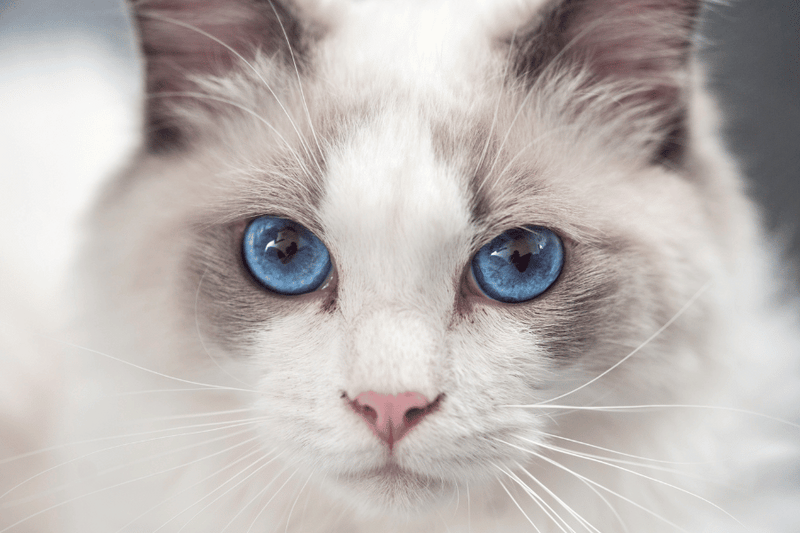
The Ragdoll cat is a favorite among indoor cat owners. Known for their calm and gentle nature, these cats adapt well to living inside your home. Their striking blue eyes and plush coats make them not only beautiful but also wonderful companions.
Affection And Playfulness
Ragdolls are famously affectionate. They often follow their owners from room to room, eager for attention and cuddles. If you want a cat that greets you at the door or curls up on your lap, a Ragdoll fits the bill perfectly.
Despite their laid-back reputation, they also enjoy playtime. Interactive toys and gentle games keep them engaged and healthy. Have you ever noticed how they seem to “go limp” when you pick them up? This unique trait makes their affectionate nature even more endearing.
Indoor Environment Needs
Ragdolls thrive in a calm and safe indoor environment. They don’t need a lot of space but do appreciate cozy spots to relax and high perches to observe their surroundings. Adding soft bedding and cat trees can make your home a paradise for them.
Keeping them indoors helps protect their beautiful coats and lowers the risk of accidents or diseases. You should provide plenty of stimulation, like puzzle feeders and rotating toys, to prevent boredom. How do you keep your indoor cat entertained throughout the day?
Scottish Fold
The Scottish Fold is a unique and charming cat breed known for its distinctive folded ears and round, expressive eyes. These cats are often quiet, affectionate, and adapt well to indoor living, making them a popular choice for people who want a loving companion inside their homes. If you’re considering adding a Scottish Fold to your family, understanding their behavior and health needs is essential.
Behavioral Traits
Scottish Folds are calm and enjoy spending time with their owners. They tend to be playful but not overly energetic, which suits indoor environments perfectly. You might notice your Scottish Fold curling up beside you or following you quietly around the house.
These cats are also known for their gentle nature. They usually get along well with other pets and children, making them great family cats. Have you ever seen a cat that seems to understand your mood? Scottish Folds have an intuitive side that helps them connect deeply with their humans.
Health Considerations
One important thing to know about Scottish Folds is their potential for cartilage-related health issues. The gene that causes their folded ears can also lead to joint problems. It’s crucial to monitor their mobility and watch for signs of discomfort or stiffness.
Regular vet checkups are a must to catch any issues early. You should also provide your cat with a soft, supportive bed to help ease any joint strain. Remember, keeping your Scottish Fold indoors can protect them from accidents and reduce exposure to infections, but you must stay alert to their unique health needs.
Russian Blue
The Russian Blue is a stunning cat breed known for its beautiful silver-blue coat and bright green eyes. This breed is quiet and gentle, making it a perfect choice for indoor living. Russian Blues enjoy calm environments and often form strong bonds with their owners. They adapt well to apartment life and indoor spaces, needing less outdoor activity than many other breeds.
Quiet Nature
Russian Blues are very calm and soft-spoken cats. They rarely meow loudly or demand attention. Their quiet nature makes them great for homes with noise sensitivity. They prefer peaceful surroundings and enjoy relaxing in cozy spots. This breed is gentle with children and other pets. Their shy but loving personality suits indoor life well.
Care Requirements
Russian Blues have short, dense fur that needs minimal grooming. Brushing once a week keeps their coat healthy and shiny. They do not shed excessively, which helps maintain a clean home. Provide a balanced diet to keep them fit and active. Regular playtime indoors helps them stay mentally and physically healthy. A few toys and scratching posts are enough to keep them entertained.
Credit: bowwowinsurance.com.au
Exotic Shorthair
The Exotic Shorthair is a gentle and calm cat breed. It has a plush coat and a round face that resembles a Persian cat. This breed adapts well to indoor living and enjoys a cozy home environment. Its sweet nature makes it perfect for families and quiet households.
Personality Highlights
- Affectionate and loving toward family members
- Quiet and calm, rarely vocal
- Playful but not overly active
- Enjoys being near people and lap time
- Adapts easily to indoor life
Maintenance And Grooming
- Short, dense coat requires regular brushing
- Brushing twice a week prevents matting
- Regular eye cleaning needed due to tear staining
- Routine nail trimming and dental care recommended
- Indoor environment helps maintain coat health
Persian
Persian cats are a popular choice for indoor living. Their calm nature makes them perfect for apartment life. These cats are known for their plush coats and round faces. They are affectionate and enjoy lounging around the house.
Temperament And Grooming
Persian cats have a gentle and laid-back temperament. They are friendly and easygoing, making them ideal for families. Regular grooming is important to maintain their long, luxurious fur. Brush their coat daily to prevent tangles and mats.
Bathing them occasionally will keep their fur clean and shiny. Persians also need their eyes cleaned regularly to avoid tear staining. Their grooming routine requires commitment, but it strengthens the bond between you and your cat.
Living Space Tips
Persians adapt well to indoor environments. They don’t need a lot of space to stay happy. Provide them with cozy spots to nap and observe their surroundings. Window perches are great for them to watch the world outside.
Interactive toys can keep them entertained and mentally stimulated. Ensure they have a quiet space for retreat when they need some alone time. A clean litter box and fresh water should always be available.
Tips For Keeping Indoor Cats Happy
Keeping indoor cats happy takes effort and care. They need mental and physical activities to stay healthy and joyful. A few simple steps can make a big difference in your cat’s life. Focus on creating a fun and safe home for your furry friend.
Enrichment Activities
Indoor cats need play and stimulation. Provide toys that mimic hunting, like feather wands and laser pointers. Puzzle feeders challenge their minds and slow down eating. Rotate toys often to keep interest high. Climbing structures and scratching posts offer exercise and stress relief. Spend time playing daily to strengthen your bond.
Safe Indoor Environment
Ensure your home is safe and comfortable. Keep windows closed or use secure screens to prevent escapes. Remove toxic plants and chemicals from reach. Provide cozy spots for naps, like soft beds or blankets. Maintain clean litter boxes in quiet, accessible places. Control room temperature to keep your cat comfortable year-round.
Regular Health Checks
Schedule vet visits at least once a year. Monitor your cat’s weight and behavior for changes. Regular vaccinations protect against diseases. Dental care prevents pain and infection. Check ears and eyes for signs of illness. Early detection helps avoid serious health problems.

Credit: bowwowinsurance.com.au
Frequently Asked Questions
Which Cat Breeds Adapt Well To Indoor Living?
Breeds like the Ragdoll, British Shorthair, and Scottish Fold thrive indoors. They are calm, affectionate, and require less outdoor stimulation. These cats adjust well to indoor environments, making them ideal for apartment or home living without outdoor access.
Are Indoor Cats Less Likely To Get Diseases?
Yes, indoor cats have a lower risk of catching infections and parasites. They avoid contact with other animals and outdoor hazards. This controlled environment keeps them healthier and often extends their lifespan compared to outdoor cats.
How Do Indoor Cat Breeds Stay Active Indoors?
Indoor cat breeds stay active with toys, climbing structures, and interactive play. Breeds like the Bengal and Siamese need mental stimulation and exercise. Providing scratching posts and puzzle feeders helps keep them physically and mentally fit indoors.
Do Indoor Cat Breeds Require Special Care?
Indoor cats need regular grooming, playtime, and mental engagement. Some breeds have specific dietary and health needs. Maintaining a clean litter box and providing fresh water are essential for their wellbeing indoors.
Conclusion
Choosing the right cat breed for indoor life makes a big difference. Some breeds enjoy staying inside and feel safe there. They need less space and can be happy without outdoor risks. Cats like the British Shorthair and Persian often prefer indoor living.
These breeds adapt well and stay healthy inside. Keep their environment fun and cozy to keep them active. Every cat is unique, so watch their behavior closely. Happy indoor cats make great companions and bring joy to any home.


Leave a Reply