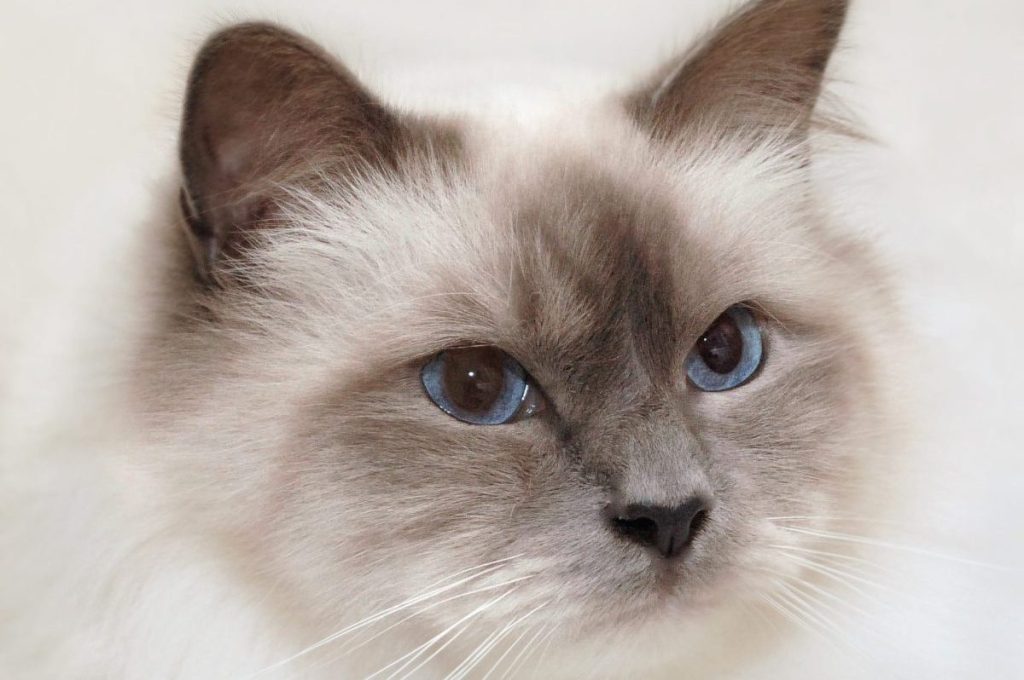
Are you passionate about Birman cats and want to turn that love into something more? Becoming a Birman cat breeder can be a rewarding experience, but it’s also a serious commitment.
You might wonder where to start, what skills you need, and how to ensure your cats are healthy and happy. This guide will give you clear, simple steps to help you become a successful Birman cat breeder. Keep reading, and you’ll discover what it takes to care for these beautiful cats and build a breeding program you can be proud of.
Getting Started With Birman Cats
Starting with Birman cats as a breeder is exciting and rewarding. These gentle cats have beautiful coats and sweet personalities. Before diving in, it is important to prepare carefully. Understanding the breed and setting up the right environment leads to success.
Choosing The Right Birman Cats
Select cats that show good health and temperament. Look for strong, clear markings and bright eyes. Choosing cats from reputable breeders helps ensure quality. Avoid cats with genetic problems or bad behavior. Healthy cats make healthier litters and better pets.
Researching Breed Standards
Study the official Birman breed standards closely. These standards describe ideal size, coat color, and eye shape. Knowing these helps you select breeding cats that meet expectations. It also guides you in recognizing faults and qualities. This knowledge is key to responsible breeding.
Essential Supplies And Setup
Create a clean and safe space for your Birman cats. Provide comfortable bedding and quiet areas for rest. Use quality food dishes and fresh water daily. Have grooming tools ready for their thick coats. Keep litter boxes clean and easy to access. A calm, organized environment supports healthy cats.
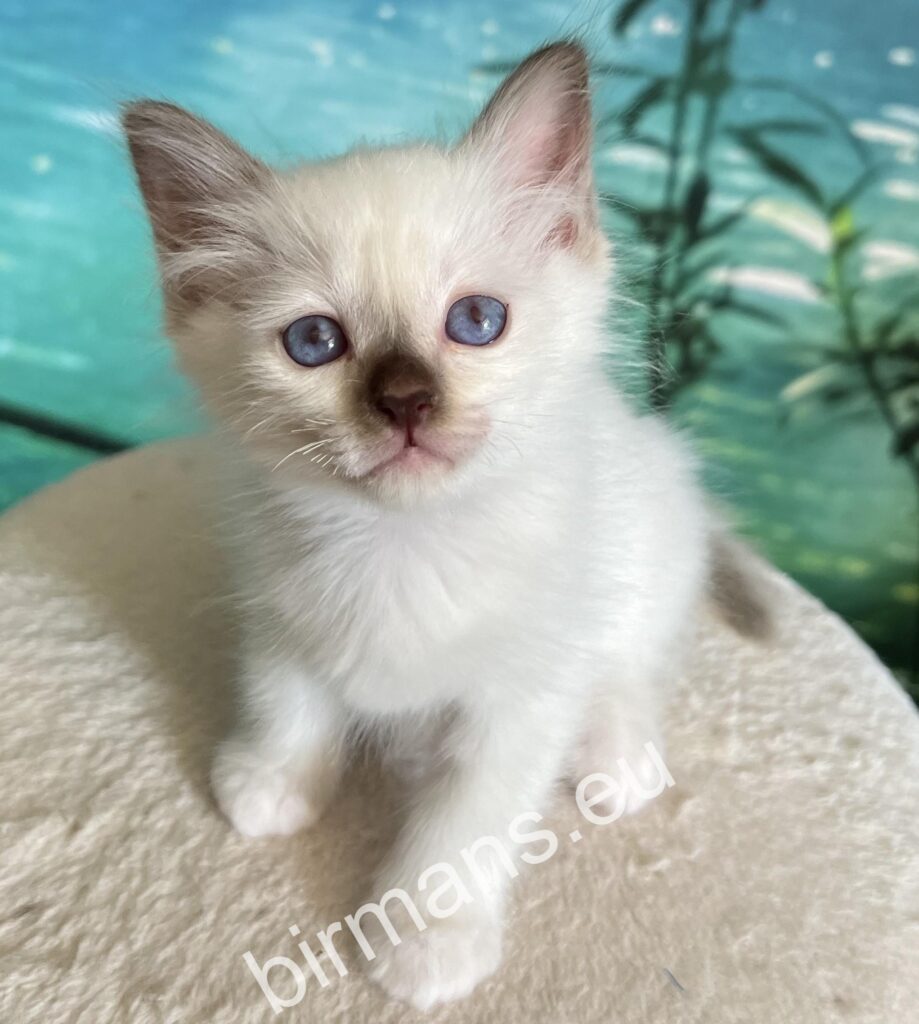
Credit: birmans.eu
Health And Genetics
Health and genetics play a vital role in becoming a successful Birman cat breeder. Healthy cats with strong genetics produce better kittens. Focus on these areas to maintain breed quality and well-being.
Screening For Common Health Issues
Birman cats can face specific health problems. Regular health screenings help catch issues early. Common concerns include:
- Hypertrophic Cardiomyopathy (HCM)
- Kidney disease
- Feline infectious diseases
- Dental problems
Work with a vet to perform tests before breeding. Keep detailed health records for every cat.
Understanding Genetic Traits
Birman cats have unique genetic traits like coat color and eye shape. These traits pass from parents to kittens. Knowing genetics helps predict kitten appearance and health.
Some traits to consider:
- Colorpoint patterns
- Eye color
- Coat texture
- Potential genetic disorders
Selecting Breeding Pairs
Choose breeding pairs carefully to keep the breed strong. Match cats with good health and complementary genetics. Avoid mating related cats to reduce risks of genetic diseases.
Consider these factors:
- Health clearances
- Genetic diversity
- Physical and behavioral traits
Proper selection improves the quality of future litters and supports breed standards.
Breeding Process
The breeding process is the heart of becoming a successful Birman cat breeder. It involves careful timing, understanding your cats’ natural behaviors, and providing attentive care throughout. Knowing the details can help you support your cats and improve the chances of healthy kittens.
Timing And Heat Cycles
Understanding your queen’s heat cycles is crucial. Birmans typically go into heat every two to three weeks during their breeding season, which usually lasts from spring to fall.
Watch for signs like increased vocalization, restlessness, and affectionate behavior. These signals tell you when she’s ready to mate.
Keep a detailed calendar of your queen’s cycles. This helps you predict the best time for mating and avoid unnecessary stress on your cats.
Mating Techniques
Creating a calm environment is essential for successful mating. Introduce the male and female gradually in a quiet space free from distractions.
Allow them to interact naturally but supervise closely to prevent any aggressive behavior. Sometimes, a few introductions over several days work better than rushing the process.
Some breeders use pheromone sprays or soft music to ease tension. Have patience; mating might not happen on the first encounter, and that’s perfectly normal.
Pregnancy Care For Queens
Once your queen is pregnant, her needs change significantly. Provide a high-quality diet rich in protein and essential nutrients to support her and the developing kittens.
Keep her environment clean, quiet, and comfortable to reduce stress. Regular gentle handling can help her stay calm and build trust with you.
Monitor her health closely. If you notice any unusual symptoms, such as loss of appetite or lethargy, contact your vet immediately. Are you prepared to provide the extra care your queen will need during this critical time?

Credit: birmans.eu
Raising Kittens
Breeding Birman cats requires learning about their care, health, and temperament. Understanding breed standards and finding healthy breeding pairs is essential. Patience and dedication help raise happy, healthy kittens.
Raising kittens as a Birman cat breeder is a rewarding journey filled with adorable moments and challenges. Each stage of a kitten’s development requires attention and care to ensure they grow into healthy, well-adjusted cats. From the delicate neonatal phase to the playful and curious weeks of socialization, every step is crucial. Let’s explore some key aspects of raising Birman kittens.Neonatal Care And Nutrition
In the first few weeks, kittens are incredibly fragile and need constant warmth and nourishment. It’s vital to ensure they are feeding well, whether from the mother cat or through bottle feeding if necessary. Regularly check their weight and keep track of their growth, which is a good indicator of their overall health. Ensure your kittens have a cozy, warm space to thrive. A heating pad can help maintain the necessary temperature. Make sure the area is clean and free from drafts to prevent illness.Socialization And Early Training
Socialization is a critical component in a kitten’s development. Introduce them gently to different sounds, people, and experiences in a controlled environment. This exposure helps them become well-adjusted pets. Consider engaging them with toys that encourage curiosity and play. Simple items like feather wands or small balls can stimulate their senses and improve their motor skills. Remember, patience is key during this phase.Monitoring Growth And Development
Keep a close eye on each kitten’s progress. Regular visits to the vet are essential to monitor their health and catch any issues early. Vaccinations and deworming are part of ensuring they grow up healthy. Track their milestones, such as opening their eyes, starting to walk, and eating solid foods. Each milestone is a small victory and a sign of healthy development. What unique traits or quirks do you notice as they grow? Observing these can help you understand and cater to their individual personalities. Raising Birman kittens is more than a task; it’s a commitment to nurturing tiny lives. With dedication and care, you can ensure these kittens grow into loving, beautiful companions.Legal And Ethical Responsibilities
Becoming a Birman cat breeder means taking on serious legal and ethical responsibilities. These duties protect the cats, buyers, and your reputation. Understanding your obligations ensures your breeding practices are both lawful and humane.
Licensing And Regulations
You must check local and national laws about breeding cats. Many places require a license to breed and sell animals legally. Failing to get proper permits can lead to fines or shutdowns.
Ask yourself: Have you contacted your local animal control or licensing office? They often provide clear guidelines on what paperwork you need.
Some regions also regulate the number of litters you can have annually. Make sure you follow these limits to avoid legal trouble and keep your cats healthy.
Ethical Breeding Practices
Ethics go beyond the law—they ensure your cats live happy, healthy lives. Only breed cats that meet Birman breed standards and are free from genetic diseases.
Never breed cats just for profit. Focus on improving the breed and the well-being of each kitten.
Ask yourself: Are you prepared to care for every cat and kitten you bring into the world? This includes finding responsible homes and providing lifelong support to owners.
Record Keeping And Documentation
Keeping detailed records is not optional; it’s essential. Maintain health records, vaccination history, and lineage for every cat you breed.
These documents protect you if disputes arise and help track genetic health issues over time.
Organize your records clearly and update them regularly. Digital tools or simple spreadsheets can make this easier and save you time.
Marketing And Selling Kittens
Marketing and selling Birman kittens requires more than just sharing cute photos. It involves building trust, finding the right homes, and setting clear terms. These steps help ensure your kittens go to caring owners and your breeding reputation grows.
Building A Reputation
Good breeders earn respect through honesty and care. Share detailed information about your cats’ health and temperament. Show pictures of your home and kitten care. Join cat breeding clubs and attend shows. Positive word-of-mouth brings serious buyers. Answer questions clearly and quickly. Always put the kittens’ welfare first.
Finding Suitable Homes
Choose homes that fit your kittens’ needs. Ask potential buyers about their lifestyle and experience. Explain the kitten’s care requirements and temperament. Meet buyers in person or use video calls. Avoid selling to people who want pets for wrong reasons. Trust your judgment and protect your kittens.
Pricing And Contracts
Set fair prices reflecting health tests, pedigree, and care costs. Research what other Birman breeders charge. Use contracts to clarify terms. Include health guarantees, spay/neuter agreements, and return policies. Make sure buyers understand their responsibilities. Clear contracts protect both breeder and buyer.
Continuous Learning And Networking
Continuous learning and networking are vital for any Birman cat breeder. The cat breeding world changes often. New health findings and breeding techniques appear regularly. Staying informed helps improve your breeding success and cat care.
Networking connects you with other breeders and experts. Sharing experiences and advice builds your knowledge. It also opens doors to resources and support. These connections create a stronger breeding community.
Joining Breeder Associations
Breeder associations offer many benefits. They provide access to breed standards and breeding guidelines. Members get educational materials and workshops. Associations also support ethical breeding practices.
Joining these groups helps you meet experienced breeders. They share valuable tips and advice. Some associations offer mentorship programs. This guidance can improve your breeding skills.
Attending Cat Shows
Cat shows are excellent for learning and networking. You see many Birman cats and meet their owners. Judges provide feedback that helps improve your cats’ quality.
Shows allow you to compare your cats with others. You learn about current trends and breeding goals. It is also a chance to make contacts in the breeding community.
Staying Updated On Breed Developments
New research and discoveries affect breeding decisions. Follow breed clubs, newsletters, and online forums. These sources share news on health, genetics, and best practices.
Regular updates help you avoid common breeding mistakes. They improve your cats’ health and well-being. Staying informed keeps your breeding program strong and responsible.

Credit: birmans.eu
Frequently Asked Questions
What Are The First Steps To Become A Birman Cat Breeder?
Start by researching Birman cat breed traits and care requirements. Gain experience with cats and connect with reputable breeders. Learn about breeding ethics, genetics, and necessary permits to ensure responsible breeding practices.
How Do I Ensure The Health Of Birman Breeding Cats?
Regular veterinary check-ups and vaccinations are essential. Test for genetic diseases common in Birmans. Provide a balanced diet, clean environment, and monitor behavior to maintain optimal health.
What Qualifications Or Licenses Do Birman Breeders Need?
Requirements vary by location but generally include a breeding license or permit. Joining cat breeding associations can provide certification and credibility. Always comply with local animal welfare laws.
How Can I Find Good Homes For Birman Kittens?
Screen potential buyers carefully to ensure responsible ownership. Use social media, breeder networks, and cat shows to connect with enthusiasts. Provide buyers with health records and care information.
Conclusion
Becoming a Birman cat breeder takes patience and care. Start by learning about the breed’s needs and health. Find good cats with strong pedigrees to breed. Keep your cats safe and happy every day. Know the rules about breeding and selling cats.
Stay ready to give kittens a loving home. Breeding cats is a big job but can bring joy. Take small steps, and keep learning as you go. You can build a rewarding experience with Birman cats.


Leave a Reply