Do you ever wonder if you really need to take your cat to the groomer? You might be asking yourself, “Can’t I just handle grooming at home?” It’s a common question, especially when your cat seems perfectly fine on its own.
But the truth is, regular grooming can make a big difference in your cat’s health and happiness. You’ll discover when professional grooming is a must, how it benefits your furry friend, and tips to keep your cat comfortable during the process.
Keep reading—your cat’s well-being depends on it!
Benefits Of Professional Grooming
Professional grooming offers more than just a neat appearance for your cat. It plays a vital role in maintaining their overall health and comfort. Let’s take a closer look at how expert care can benefit your feline friend.
Improved Coat Health
Regular grooming by a professional helps keep your cat’s coat clean and free from mats. Groomers use tools and techniques that reach deep into the fur, removing dirt and loose hair more effectively than typical home brushing.
This thorough care prevents painful tangles and skin irritation. Your cat’s coat will feel softer and look shinier, which means a happier, healthier pet.
Early Detection Of Health Issues
Professional groomers are trained to spot unusual signs such as lumps, bumps, or skin infections. These early warnings might go unnoticed during routine home care.
Finding these problems early can save your cat from discomfort and costly treatments later on. Have you ever wondered if your cat’s subtle changes might be something more serious?
Reduced Shedding And Allergens
Groomers help manage shedding by removing loose fur that would otherwise spread around your home. This can make a big difference in keeping your living space cleaner and reducing allergy symptoms.
Less shedding also means your cat stays more comfortable, especially during seasonal changes. Wouldn’t it be great to spend more time cuddling without worrying about fur everywhere?
Signs Your Cat Needs Grooming
Knowing when your cat needs grooming can save you from unexpected vet visits and keep your furry friend comfortable. Cats are usually good at cleaning themselves, but there are clear signs that show when professional grooming is necessary. Paying attention to these signs helps you decide if it’s time to book an appointment with a groomer.
Matted Fur And Tangles
Have you noticed clumps of fur that won’t brush out? Matted fur can pull on your cat’s skin and cause pain or irritation. If your cat starts grooming less or scratches more, check for mats in hard-to-reach areas like behind the ears or under the legs.
Ignoring mats can lead to skin infections. Professional groomers use special tools to safely remove these tangles without hurting your cat.
Excessive Shedding
Shedding is normal, but when it becomes excessive, it could mean your cat needs grooming. Thick fur can trap loose hair, which creates furballs and messy fur around your home. Regular grooming helps remove dead hair and reduces shedding.
Have you tried brushing your cat and still find fur everywhere? A groomer can do a thorough job, especially during seasonal changes when shedding spikes.
Unpleasant Odors
Does your cat have a strong smell that doesn’t go away with regular cleaning? Bad odors often come from dirt, oils, or even skin problems hidden under the fur. This is a sign that your cat needs a deep clean that only a professional groomer can provide.
Smells can also warn you about health issues like infections. Don’t wait too long—getting your cat groomed can improve both their hygiene and overall health.
At-home Grooming Tips
Grooming your cat at home keeps them clean and comfortable. Regular care helps reduce hairballs and prevents matting. It also strengthens your bond with your pet. Learning simple grooming tasks can save time and money. A calm, gentle approach makes grooming easier for both of you.
Brushing Techniques
Use a brush suited for your cat’s fur type. Brush in the direction of hair growth. Start with short strokes to avoid pulling on the fur. Focus on areas where mats form easily, like behind ears and under the legs. Regular brushing removes loose hair and dirt. It also helps spread natural oils for a shiny coat.
Bathing Your Cat Safely
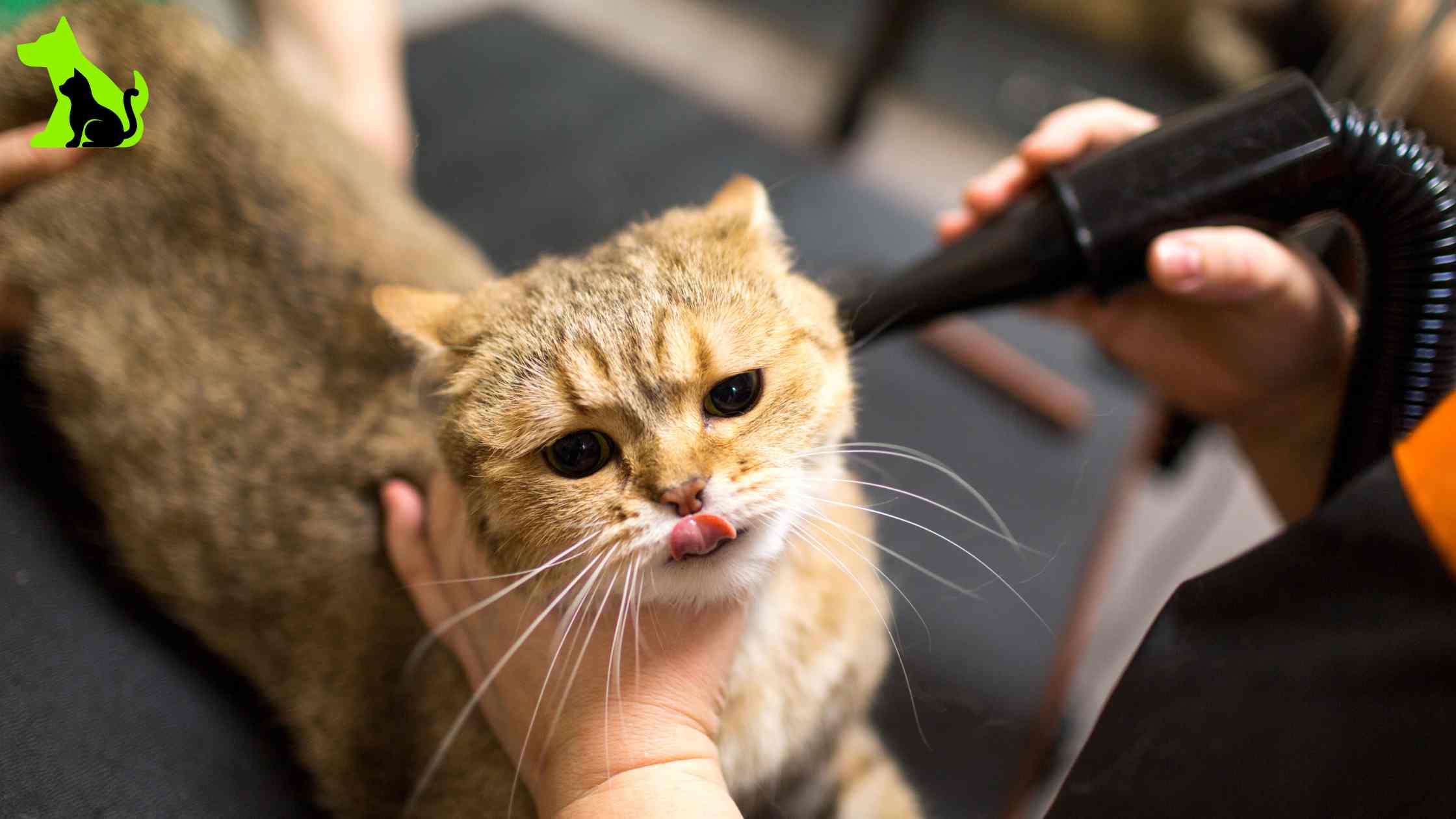
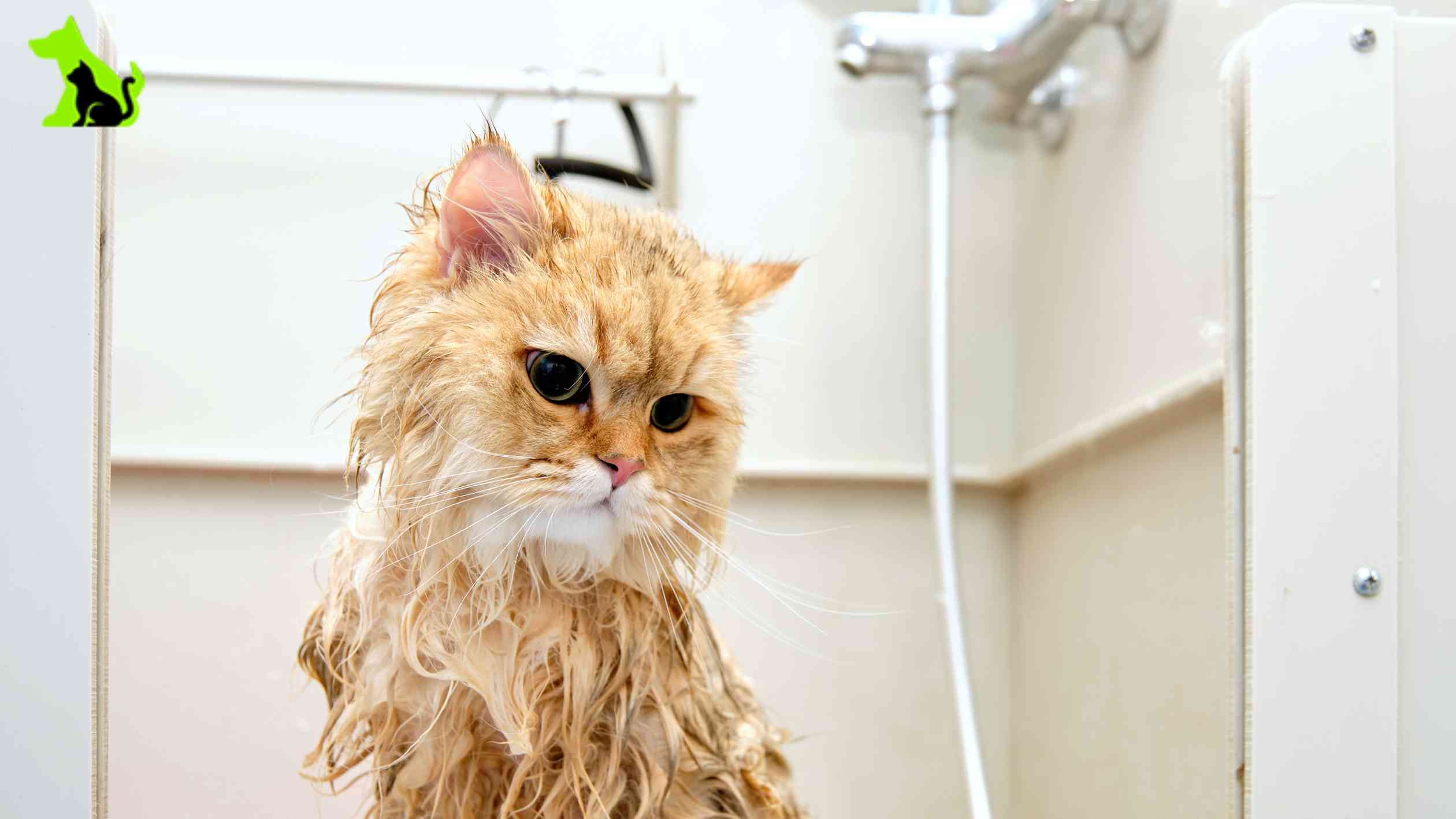
Choose a cat-safe shampoo without harsh chemicals. Use warm water, not hot or cold. Wet your cat gently, avoiding the face and ears. Apply shampoo and lather softly, then rinse thoroughly. Keep the bath short to reduce stress. Dry your cat with a towel and keep them warm until fully dry.
Nail Trimming Basics
Use nail clippers designed for cats. Hold your cat’s paw firmly but gently. Trim only the sharp tip to avoid the quick, which is sensitive. If unsure, trim small amounts at a time. Reward your cat with treats after trimming. Regular nail care prevents scratches and damage to furniture.
Credit: hellopetsinc.com
Choosing The Right Groomer
Choosing a groomer for your cat depends on your pet’s needs and comfort. Some cats require professional care for their fur and nails. Finding a gentle, experienced groomer helps keep your cat calm and safe.
Choosing the right groomer for your cat is a decision that shouldn’t be taken lightly. Not all groomers are created equal, and the safety and comfort of your furry friend should be your top priority. As a cat owner, you want to ensure that the groomer you choose is not only skilled but also compassionate and attentive to your cat’s needs.Credentials And Experience
Checking a groomer’s credentials and experience is crucial. A groomer with proper certification and training indicates they have the necessary skills to handle your cat with care. Look for certifications from recognized grooming schools or associations, and don’t hesitate to ask about their experience with cats specifically. Years of experience can also make a significant difference. A groomer who has worked with various cat breeds and temperaments will likely know how to manage different situations effectively. Remember, a well-experienced groomer can identify and address potential issues before they become problems.Handling And Safety Measures
Your cat’s safety is paramount. Inquire about the safety measures the groomer implements during grooming sessions. This includes how they handle cats, especially if your feline friend is anxious or uncooperative. Are there safety protocols in place for handling aggressive behavior? Do they use safe, cat-friendly products? These questions can help you gauge whether the groomer prioritizes your cat’s well-being. Additionally, consider visiting the grooming facility beforehand. Observing how the staff interacts with the animals can give you peace of mind about their handling practices. A clean, organized, and calm environment is a positive sign.Services Offered
Understanding the range of services offered by the groomer is equally important. While basic grooming might include bathing, brushing, and nail trimming, some cats may require more specialized care. Does the groomer offer additional services such as ear cleaning, teeth brushing, or flea treatments? Knowing this can help you determine if the groomer can meet your cat’s specific grooming needs. Customization is key. A good groomer will tailor their services to suit your cat’s unique requirements, ensuring a stress-free experience. Wouldn’t it be great to find a groomer who treats your cat like their own?How Often To Groom Your Cat
Knowing how often to groom your cat is key to keeping them healthy and happy. Grooming frequency isn’t one-size-fits-all; it depends on several factors like breed, age, and even the season. Understanding these can help you decide whether you need a professional groomer or if you can manage at home.
Breed And Coat Type Considerations
Cats with long or thick fur, like Persians or Maine Coons, usually need grooming more often—sometimes daily. Short-haired breeds like the American Shorthair require less frequent brushing, often once a week. If your cat has a double coat, regular grooming prevents matting and reduces shedding.
Have you noticed your cat’s fur matting or shedding more than usual? That’s a sign to increase grooming sessions.
Age And Health Factors
Older cats or those with health problems may struggle to groom themselves properly. Cats with arthritis or dental issues might avoid cleaning certain areas, leading to mats or skin problems. In such cases, more frequent grooming or professional help is essential to keep them comfortable.
Does your cat seem less active or miss spots while grooming? It’s a good idea to step in and offer extra care.
Seasonal Grooming Needs
Season changes affect your cat’s coat. In spring and fall, cats shed their undercoat more heavily, requiring more grooming to keep loose hair under control. During winter, grooming helps remove dead hair and prevents matting under thicker coats.
Adjust your grooming routine with the seasons to match your cat’s changing needs. Are you ready to change your grooming habits as the weather shifts?

Credit: www.latimes.com
Managing Grooming Stress
Grooming can be a stressful experience for many cats, especially if they aren’t used to being handled or taken to a groomer. Managing this stress is crucial not only for your cat’s well-being but also to make the grooming process smoother and safer. Understanding how to prepare your cat, use calming techniques, and care for them afterward can make a big difference.
Preparing Your Cat
Start by getting your cat used to touch and handling at home. Gently stroke their fur and paws daily to build comfort with being touched.
Introduce grooming tools slowly. Let your cat sniff and explore brushes or combs before you try to use them. This helps reduce fear of unfamiliar objects.
Keep grooming sessions short and positive. Stop before your cat gets upset and reward them with treats or playtime to create a positive association.
Calming Techniques
Use a quiet room for grooming where your cat feels safe and distractions are minimal. Soft music or white noise can help mask loud or sudden sounds.
Try pheromone sprays or diffusers designed for cats. These products mimic natural calming scents and can ease anxiety during grooming.
- Speak in a soft, soothing voice to reassure your cat.
- Take breaks if you notice signs of stress like growling or hiding.
- Use gentle, slow movements to avoid startling your cat.
Post-grooming Care
After grooming, give your cat a quiet space to relax and recover. They may feel vulnerable or tired, so offer a favorite blanket or bed.
Check for any skin irritation or cuts that may have happened during grooming. If you spot anything unusual, contact your vet promptly.
Reward your cat with playtime, treats, or extra affection. This helps them associate grooming with positive experiences and makes future sessions easier.
Credit: hellopetsinc.com
Frequently Asked Questions
Do Cats Need Professional Grooming Regularly?
Cats do not always need professional grooming. Regular brushing at home often keeps their coat healthy. Some cats with long hair or medical issues may benefit from a groomer’s care.
Can Grooming Prevent Cat Hairballs?
Yes, grooming helps reduce hairballs. Regular brushing removes loose fur, preventing cats from swallowing excess hair. This decreases hairball formation and improves overall digestive health.
Is Grooming Stressful For Cats?
Grooming can stress some cats if introduced suddenly. Gradual familiarization and gentle handling reduce anxiety. Professional groomers are trained to keep cats calm and comfortable during sessions.
How Often Should I Take My Cat To The Groomer?
Frequency depends on your cat’s breed and coat type. Long-haired cats may need grooming every 4 to 6 weeks. Short-haired cats usually require less frequent professional grooming.
Conclusion
Taking your cat to the groomer can help keep them clean and healthy. Some cats need regular grooming to avoid mats and skin problems. Others may do well with home care and brushing. Watch your cat’s behavior and coat condition to decide.
Choose a groomer who is gentle and experienced with cats. Your cat’s comfort and health should always come first. A little care goes a long way in keeping your cat happy. Think about what suits your cat best before making a choice.


Leave a Reply