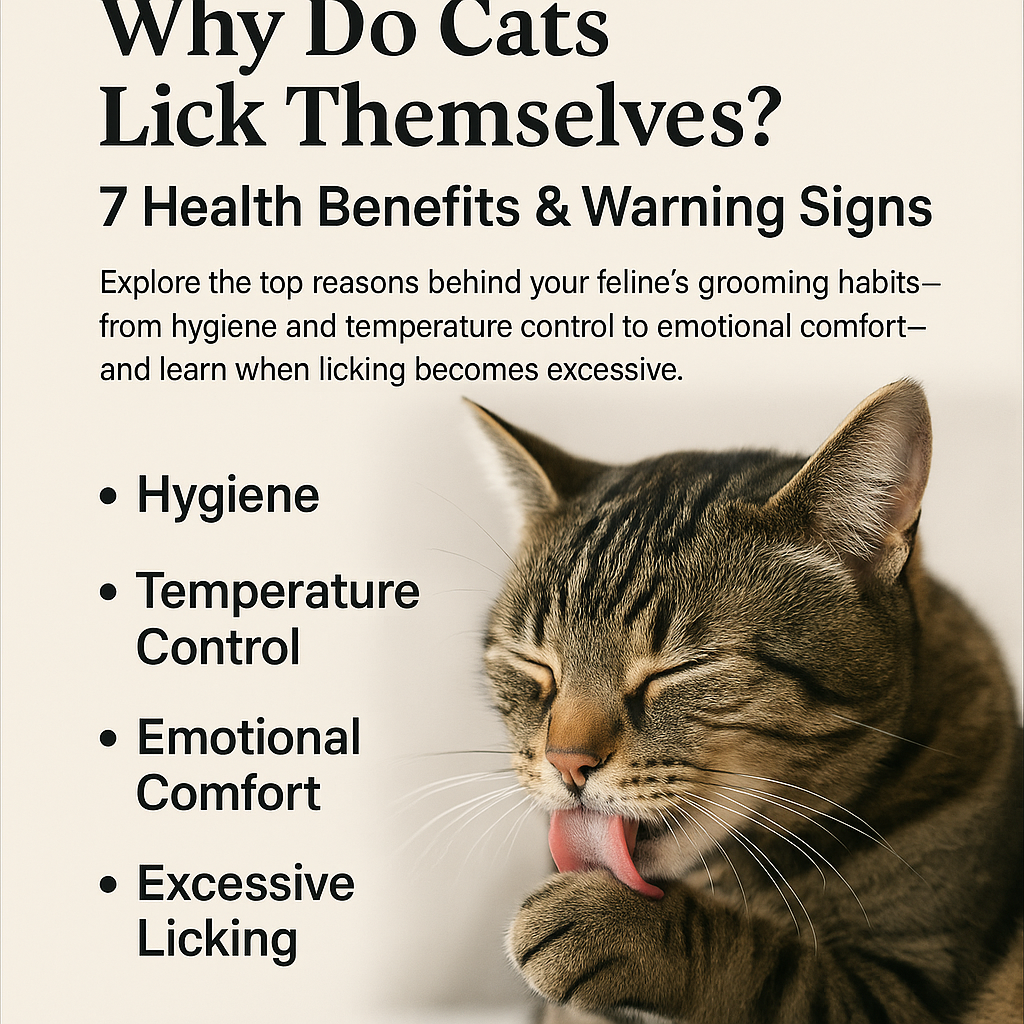
Have you ever watched your cat spend hours licking its fur and wondered, “Why do cats always groom themselves?” It’s more than just a quirky habit. Your feline friend’s grooming routine holds the key to its health, comfort, and even mood.
Understanding why your cat grooms so often can help you care for it better and deepen the bond you share. Keep reading to discover the surprising reasons behind this instinctive behavior and what it means for your furry companion.
)
Credit: www.northroadvet.com.au
Grooming Basics
Cats grooming themselves is more than just a cute habit—it’s a vital part of their daily routine. Understanding the basics of grooming helps you appreciate why your feline friend spends so much time cleaning. It’s not only about looking neat; grooming has deeper reasons tied to health, comfort, and communication.
How Cats Groom
Cats use their tongues as their primary grooming tool. Their tongues have tiny, hook-like structures called papillae that help remove dirt and loose fur effectively. When you watch a cat grooming, you’ll notice they lick their fur in long strokes, covering every inch from head to tail.
Besides licking, cats use their paws to clean hard-to-reach spots. They wet their paws with saliva and then rub their face and ears. This combination of licking and pawing keeps their coat clean and free from debris.
Frequency Of Grooming
Most cats groom themselves several times a day—some up to 50% of their waking hours. This frequent grooming helps regulate body temperature and keeps their skin healthy by distributing natural oils evenly. If you notice your cat grooming more than usual, it might signal stress or skin irritation.
Does your cat groom less often? Older cats or those with health issues may struggle to keep up with their grooming routine. Watching your cat’s grooming habits can give you clues about their well-being you might otherwise miss.

Credit: catcuddlezone.com
Health Benefits
Cats spend a significant part of their day grooming, and this habit goes far beyond just looking neat. Grooming plays a vital role in maintaining their overall health. Understanding these benefits can help you appreciate why your feline friend is so dedicated to self-care.
Skin And Coat Care
Grooming helps keep a cat’s skin clean and healthy by removing dirt, dead skin cells, and excess oils. This daily ritual prevents skin problems and keeps their coat shiny and smooth. Have you noticed how your cat’s fur looks healthier after a grooming session? That’s because licking spreads natural oils that protect and moisturize their skin.
Regular grooming also helps cats spot any bumps, cuts, or irritations early. If you watch closely, you might see your cat licking a particular spot more—this can be a sign they’re trying to soothe discomfort. Paying attention to these signs can help you catch skin issues before they worsen.
Parasite Control
Parasites like fleas and ticks can cause serious problems for cats. Grooming acts as a natural defense by physically removing some of these pests from their fur. Cats are surprisingly thorough, using their tongues to comb through even the hardest-to-reach areas.
Have you ever noticed your cat suddenly stop grooming or scratch more than usual? This can indicate a parasite problem. Watching your cat’s grooming habits can alert you early so you can take action, protecting both your pet and your home from infestations.
Temperature Regulation
Cats groom themselves not just to look neat but also to manage their body temperature. Their fur and skin play a crucial role in keeping them comfortable whether it’s hot or cold outside.
How Grooming Helps Cool Your Cat
When cats lick their fur, the saliva spreads across their coat and evaporates, which cools them down similar to how sweating works in humans. This natural cooling method is especially important on warm days or after active play.
If you watch your cat carefully, you might notice them grooming more when the weather heats up. This behavior helps them avoid overheating without needing to pant like dogs do.
Keeping Warm In Chilly Weather
Grooming also helps trap air close to the skin by keeping the fur clean and fluffy. This layer of air acts as insulation, helping your cat maintain body heat during colder temperatures.
A well-groomed coat means better protection against the cold. If your cat looks less interested in grooming, it could be a sign they are feeling unwell or stressed, which impacts their ability to regulate temperature effectively.
What You Can Do To Help Your Cat Stay Comfortable
- Regular brushing helps remove dirt and loose fur, supporting your cat’s natural grooming efforts.
- Ensure fresh water is always available to aid hydration, which supports temperature regulation.
- Provide a cozy spot with blankets in winter and a cool shaded area in summer to assist your cat’s comfort.
Have you noticed your cat grooming more during certain seasons? Observing these patterns can give you clues about their comfort and health, allowing you to make small changes that improve their wellbeing.

Credit: www.youtube.com
Stress Relief
Cats groom themselves to stay clean and calm. This behavior helps reduce their stress and keeps their fur healthy. Grooming also soothes cats, making them feel safe and comfortable.
Cats often groom themselves to manage stress. Grooming helps them feel calm and relaxed. It acts like a soothing ritual for them. This self-care routine can show their emotional state. Let’s explore how grooming provides stress relief.Calming Effects
Grooming releases endorphins in cats. These chemicals help them relax. Licking their fur creates a rhythm. This rhythm acts like meditation for cats. It distracts them from stress. Grooming can lower anxiety levels. This makes them feel more secure.Behavioral Indicators
Frequent grooming can show stress in cats. Watch for over-grooming. This might mean they feel anxious. Cats may groom more after changes at home. New pets or people can increase stress. Notice if they groom in specific areas. This could highlight stress triggers.Social And Communication Roles
Cats grooming themselves isn’t just about staying clean. It plays a key role in how they communicate and interact socially. Understanding these behaviors can help you see your cat’s grooming in a whole new light.
Scent Marking
When your cat grooms, it spreads natural oils from their skin all over their fur. These oils carry unique scents that act like a personal signature. This scent marking helps cats feel secure by reinforcing their presence in their territory.
Have you noticed your cat rubbing their face on furniture or even on you after grooming? That’s them sharing their scent and claiming their space. This behavior helps reduce stress by creating a familiar environment.
Bonding With Other Cats
Grooming isn’t just a solo activity; it’s a social tool too. Cats often groom each other in a behavior called allogrooming. This strengthens bonds, builds trust, and reduces tension between feline friends.
If you have more than one cat, watch for these grooming sessions. They indicate a positive relationship and help keep peace in multi-cat households. You might even see your cats take turns grooming each other’s hard-to-reach spots, showing care and affection.
When Grooming Becomes Excessive
Cats groom themselves to stay clean and comfortable. This behavior is normal and healthy. But sometimes, grooming can become too much. Excessive grooming may cause skin problems or hair loss. It can also signal stress or health issues. Recognizing when grooming is excessive helps protect your cat’s well-being.
Possible Causes
- Stress or anxiety due to changes or loud noises
- Skin allergies from food, fleas, or environment
- Pain or discomfort from injury or illness
- Parasite infestations like fleas or mites
- Boredom or lack of mental stimulation
- Hormonal imbalances or medical conditions
Signs To Watch For
- Hair loss or bald patches on the skin
- Red, irritated, or inflamed skin areas
- Frequent licking or biting the same spot
- Open sores or scabs from constant licking
- Changes in behavior such as hiding or aggression
- Excessive grooming lasting more than a few days
Frequently Asked Questions
Why Do Cats Groom Themselves So Frequently?
Cats groom frequently to keep their fur clean and free of parasites. It helps regulate their body temperature and reduce stress. Grooming also stimulates blood circulation and strengthens the bond with their scent.
How Does Grooming Benefit A Cat’s Health?
Grooming removes dirt, loose fur, and parasites from a cat’s coat. It prevents skin infections and promotes healthy fur growth. Grooming also helps cats stay cool and reduces the chance of overheating.
Can Grooming Be A Sign Of Stress In Cats?
Yes, excessive grooming can indicate stress or anxiety in cats. It may lead to bald spots or skin irritation. Monitoring grooming behavior helps identify emotional or medical issues early.
Do Cats Groom To Communicate With Other Cats?
Cats use grooming to share their scent and build social bonds. Mutual grooming, called allogrooming, strengthens friendships and establishes trust among cats. It’s an important part of feline social behavior.
Conclusion
Cats groom themselves to stay clean and healthy. This behavior helps them remove dirt and loose fur. Grooming also cools their body on hot days. It reduces stress and keeps their skin fresh. Cats show comfort and care through grooming.
Understanding this habit helps us care for them better. Watching a cat groom is calming and natural. Their self-care is part of what makes them special.


Leave a Reply