Have you ever looked into a cat’s eyes and wondered why their color seems to shift or change? It’s a fascinating sight that can make you question if some cat breeds truly have color-changing eyes.
If you’re curious about what causes this magical effect and whether it’s a special trait of certain cats, you’re in the right place. By the end of this article, you’ll understand the science behind those mesmerizing eyes and discover which breeds might surprise you with their unique gaze.
Ready to uncover the mystery? Let’s dive in!
Credit: wamiz.co.uk
Cat Eye Colors Explained
Cat eyes come in a stunning variety of colors. These shades can range from bright blue to deep amber. Understanding why cats have different eye colors helps explain some fascinating facts. The colors depend on factors like pigments and genetics. Some cats even show slight changes in eye color as they grow. This section breaks down how cat eyes get their unique hues and what causes the variations.
How Cat Eyes Get Their Color
Cat eye color comes from light reflecting inside the eye. The iris controls how much light enters. Its structure affects the color you see. The eye’s surface also changes color appearance. Lighting and angle can make eyes look different. Kittens often have blue eyes at birth. Their eye color may change as they age. This happens because pigments develop over time.
Role Of Melanin In Eye Color
Melanin is the pigment that gives color to eyes. More melanin makes eyes darker, like amber or brown. Less melanin results in lighter colors, like blue or green. Melanin also protects eyes from sunlight. It is found in the iris and skin around the eyes. The amount of melanin varies by breed and individual cats. This pigment is key to the wide range of cat eye colors.
Genetics Behind Eye Shades
Genes control the amount and type of melanin in eyes. Specific genes decide whether a cat has blue, green, or amber eyes. Some breeds have common eye colors due to inherited genes. For example, Siamese cats usually have blue eyes. Eye color genes work together in complex ways. This genetic mix creates unique shades in every cat.
Eye Color Changes In Cats
Cats have unique and beautiful eyes that often catch our attention. Their eye color can appear to change for several reasons. These changes do not always mean a health problem. Understanding why cat eyes shift in color helps owners appreciate these fascinating pets more.
Common Causes Of Eye Color Shifts
Eye color changes in cats can happen due to various reasons. Sometimes, it is a natural process. Other times, it might signal an eye issue. Common causes include:
- Changes in lighting or environment
- Eye infections or injuries
- Genetic factors
- Age-related development
- Health conditions affecting the eyes
Not all changes are permanent. Some shifts may only last a short time.
Age And Eye Color Development
Kittens are born with blue eyes. Their eye color changes as they grow. This process usually finishes by 3 to 4 months old. The final eye color depends on genetics. Some cats have green, yellow, amber, or copper eyes.
Eye color development is a gradual process. It reflects the amount of pigment in the iris. The more pigment, the darker the eyes become.
Impact Of Lighting And Environment
Light plays a big role in how cat eyes look. Bright light can make eyes appear lighter. Dim light can deepen eye color. Reflections from surroundings can also change eye appearance.
Changes in environment do not alter the actual color. They only affect how the eyes look to the human observer. This effect can be more noticeable in certain breeds and eye colors.
Breeds With Notable Eye Color Traits
Certain cat breeds are famous not just for their personalities or fur patterns, but also for their unique and sometimes changing eye colors. These eye traits can be a fascinating way to identify a breed or simply enjoy the beauty of your feline friend. Let’s look at some breeds known for their remarkable eye colors and what makes them stand out.
Siamese And Their Blue Eyes
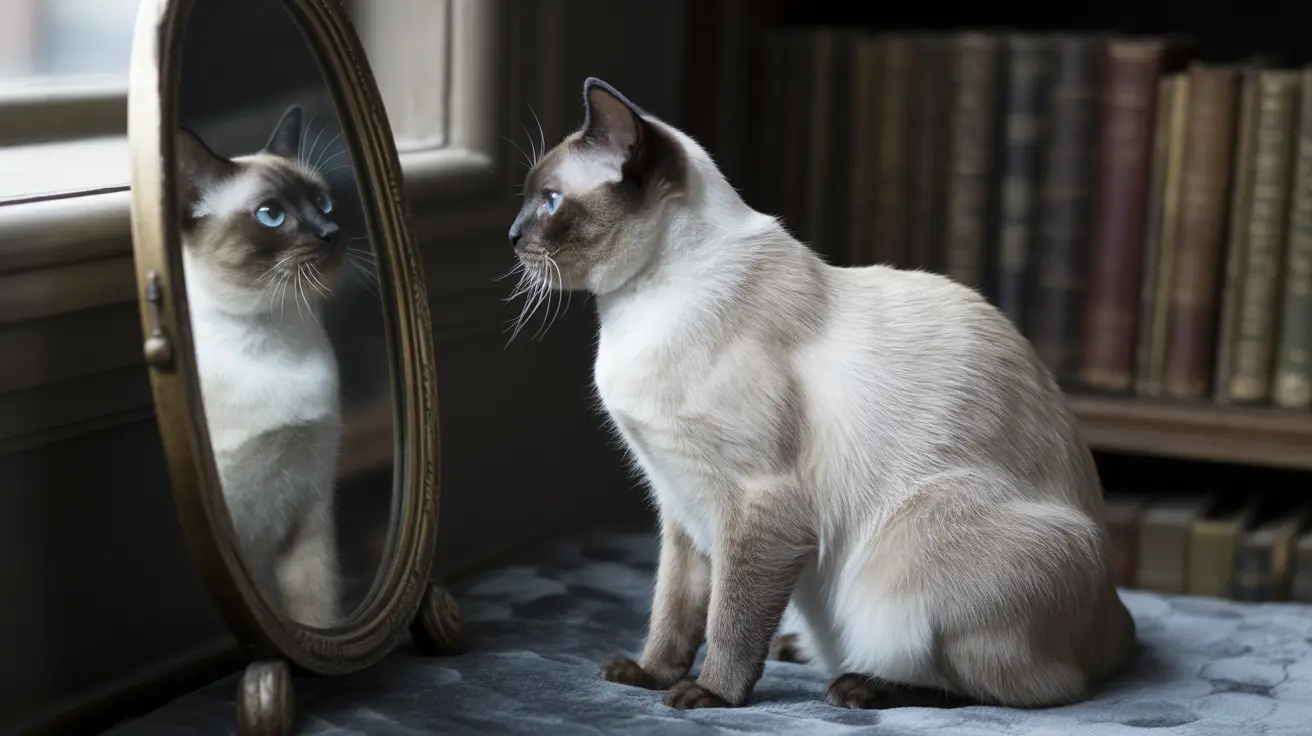
Siamese cats are instantly recognizable by their striking blue eyes. These eyes often appear almost translucent, giving the breed a captivating gaze. The blue color is linked to a gene that affects pigment production, so their eye color stays consistent throughout their lives.
You might wonder why their eyes are always blue and never change. This is due to a lack of melanin in the iris, which is why you won’t see the color shift that happens in some other breeds.
Burmese Eye Color Variations
Burmese cats are known for their warm, expressive eyes that range from yellow to amber. Unlike Siamese cats, their eye color can deepen as they age, often becoming richer and more intense. This subtle shift adds to their mysterious charm.
Have you noticed how a Burmese cat’s eyes seem to glow in certain lighting? This effect is due to a layer behind the retina called the tapetum lucidum, enhancing their night vision and making their eye color appear more vibrant.
Turkish Van And Odd-eyed Cats
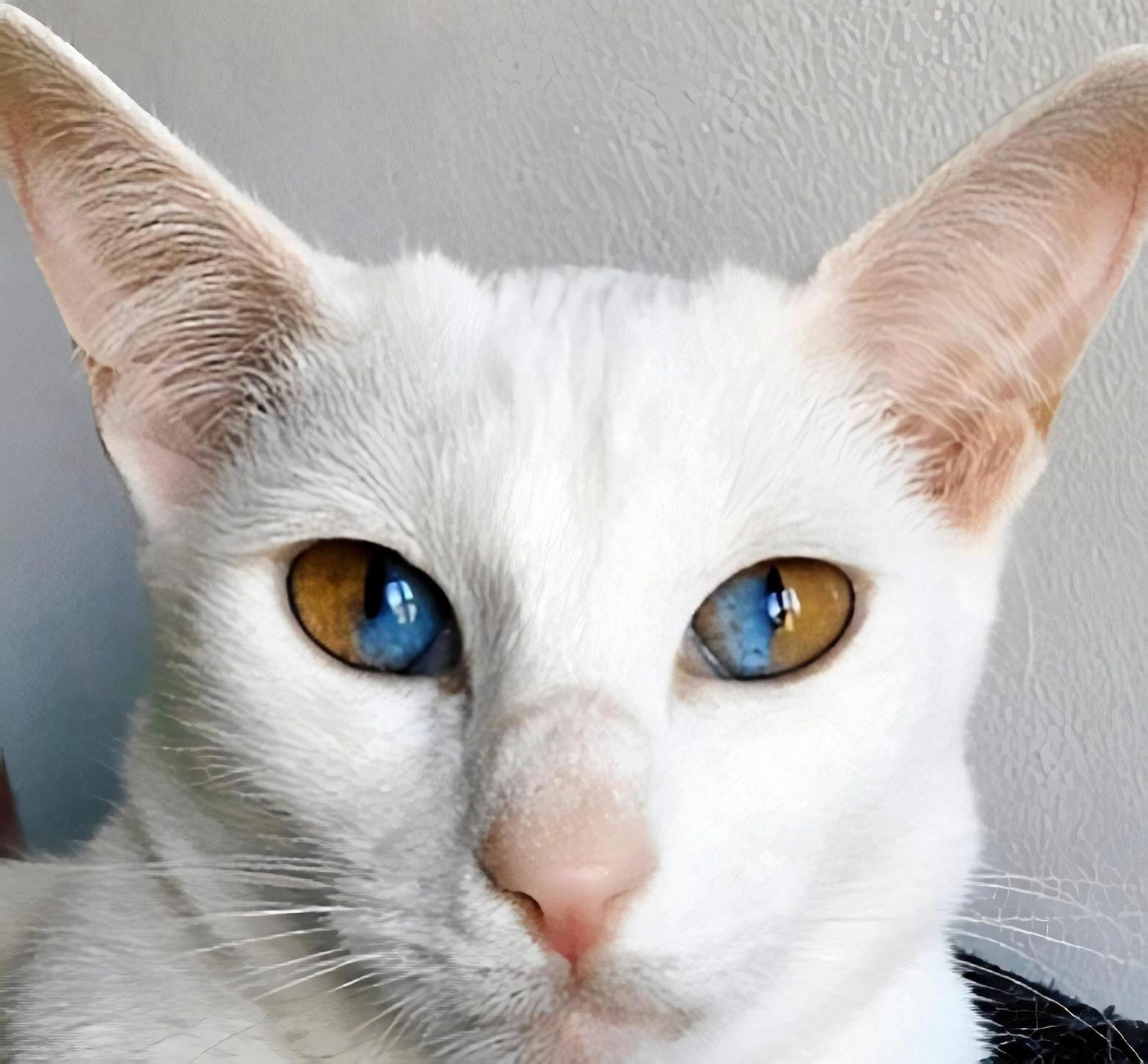
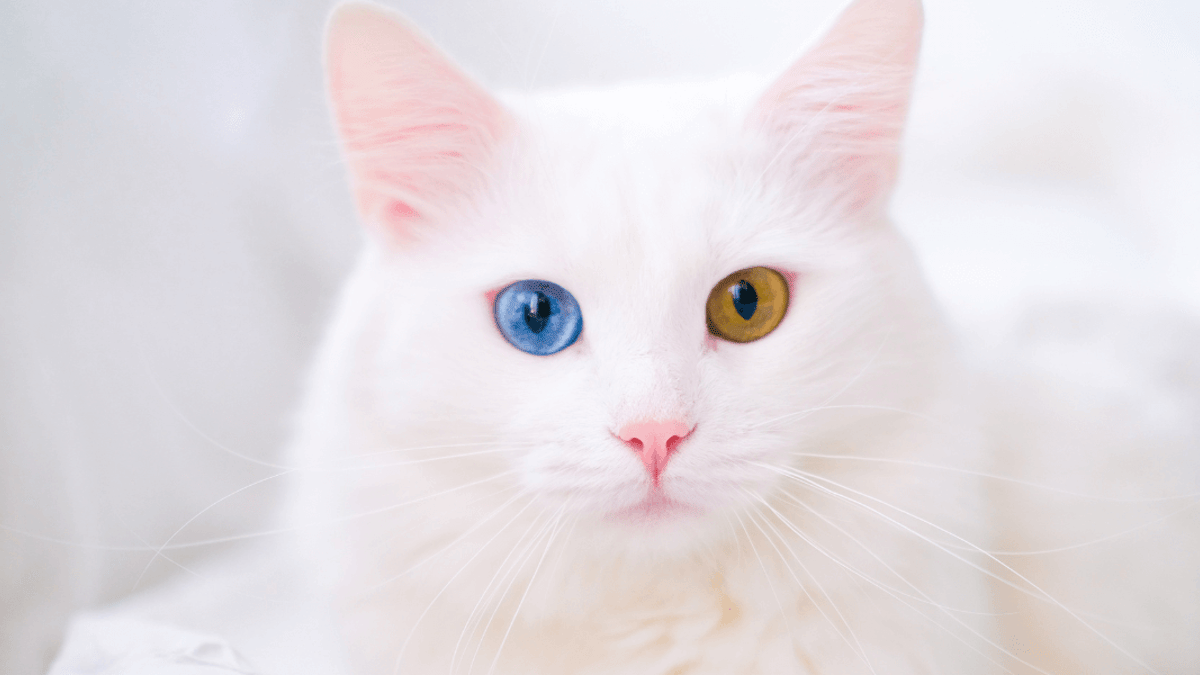
The Turkish Van breed often features the rare odd-eyed trait, where each eye is a different color—typically one blue and one amber or green. This striking difference is due to genetic factors affecting pigment distribution.
Odd-eyed cats can seem almost magical with their mismatched gaze. If you’re lucky to meet one, you might find their eyes hint at a personality just as unique as their appearance.
Health Factors Affecting Eye Color
Cats captivate us with their fascinating eyes, often changing in color. While genetics play a role, health can also impact eye color. Various health factors might cause these changes, making it crucial for cat owners to stay informed.
Eye Diseases That Alter Color
Certain eye diseases can change a cat’s eye color. Uveitis, an inflammation of the eye, is a common cause. It can make eyes appear red or cloudy. Cataracts might also affect eye color, leading to a milky appearance. Glaucoma increases pressure in the eye, changing eye color to a bluish tint. These conditions require prompt veterinary attention.
Injury And Eye Pigmentation
Injuries can lead to changes in eye pigmentation. Trauma may cause bleeding in the eye, altering its color. Scratches or foreign objects can damage the eye, affecting its natural hue. Persistent changes following an injury need a vet’s examination.
When To See A Vet
Contact a vet if your cat’s eye color changes suddenly. Signs like redness, swelling, or discharge need immediate attention. Early intervention can prevent serious health issues. Regular check-ups help maintain your cat’s eye health. Keep an eye out for any changes, ensuring your feline friend’s well-being.
Myths About Color Changing Eyes
Many cat lovers are fascinated by the idea that some breeds have eyes that change color. This belief has sparked curiosity and some confusion. Let’s clear up what’s true and what’s not about cats and their eye colors.
Common Misconceptions
One popular myth is that certain cat breeds naturally have eyes that change color as they age. People often think breeds like Siamese or Bengal cats can shift their eye color dramatically. However, in reality, most cats have a stable eye color after they mature.
Another misconception is that a sudden change in eye color signals a magical or unique trait. In truth, such changes can indicate health issues like infections or injuries. If you notice your cat’s eyes changing color, it’s important to check with a vet rather than assume it’s normal.
Some also believe that eye color changes depending on the cat’s mood or environment. While lighting can affect how eyes appear, the actual color stays consistent. So, the idea that your cat’s eyes “reflect their feelings” by changing color is more poetic than factual.
Separating Fact From Fiction
Eye color in cats is primarily determined by genetics and the amount of pigment in the iris. Once a kitten’s eyes open, their color can shift slightly, usually settling by 12 weeks old. After this period, dramatic color changes are rare and often signal something else.
If you’ve ever seen a cat whose eyes seem to glow or look different in certain lights, that’s due to a layer called the tapetum lucidum. This helps cats see better in the dark but does not change the eye color itself. Understanding this can help you avoid mistaking natural reflections for color changes.
Have you ever noticed your cat’s eyes looking different in photos or under various lighting? That’s a perfect example of how perception can trick us. Your cat’s eyes might seem to change color, but it’s usually a reflection of light, not a real shift in pigmentation.
Knowing these facts helps you appreciate your cat’s eyes for what they truly are. Next time you hear about a breed with “color changing eyes,” you can share the real story and keep your feline friend healthy by watching for real signs of eye problems.
Credit: www.petscare.com
Tips For Appreciating Cat Eye Colors
Appreciating the vibrant and sometimes changing colors of your cat’s eyes can deepen your bond and add to your enjoyment of their unique beauty. Cat eye colors can shift slightly depending on their mood, health, or lighting conditions, which makes observing them all the more fascinating. Paying attention to how you view and capture these colors can help you see details you might otherwise miss.
Best Lighting For Eye Color Viewing
Natural light is your best friend when it comes to seeing the true colors of your cat’s eyes. Soft, indirect sunlight brings out the full range of shades without causing glare or harsh reflections. Avoid bright, direct light that can wash out colors or create distracting shadows.
Try observing your cat’s eyes during different times of the day. Morning light often reveals cooler tones, while evening light can enhance warmer hues. Have you noticed how your cat’s eyes sometimes sparkle differently depending on the room’s lighting?
Photography Tips For Capturing Eyes
Capturing your cat’s eye color on camera can be tricky but rewarding. Use a camera or phone with a good macro mode to get close-up shots that highlight the details. Focus on the eyes to make them the centerpiece of your photo.
Avoid using flash, as it can cause red-eye or unnatural reflections that hide the true color. Instead, position your cat near a window or in shaded outdoor areas for soft, even lighting. Patience is key—wait for moments when your cat is calm and still to get the sharpest images.
- Use a steady hand or tripod to reduce blur
- Experiment with angles to catch different light reflections
- Try editing photos slightly to adjust brightness without altering color

Credit: jennywilsons.medium.com
Frequently Asked Questions
Do Some Cat Breeds Have Naturally Changing Eye Colors?
Yes, some cat breeds, like Siamese and Burmese, show eye color changes as they mature. This shift occurs due to pigment development and light reflection changes in their eyes.
Why Do Kittens’ Eyes Change Color Over Time?
Kittens are born with blue eyes that change as melanin develops. This process usually completes by 3 months, revealing their permanent eye color based on genetics.
Can A Cat’s Eye Color Change Due To Health Issues?
Yes, eye color changes can signal health problems like infections, glaucoma, or uveitis. Always consult a vet if you notice sudden or unusual eye color changes.
Is It Possible For Adult Cats To Change Eye Color?
Adult cats rarely change eye color naturally. If you see changes, it might indicate health issues, so a vet checkup is recommended to rule out problems.
Conclusion
Certain cat breeds do show changes in eye color as they grow. This change usually happens when kittens open their eyes for the first time. Some breeds keep their eye color, while others shift shades over time. These changes depend on genetics and age.
Eye color can also vary with light and mood. Knowing this helps cat lovers understand their pets better. Every cat is unique, with its own eye color story. Watching these changes can be fun and surprising.

Leave a Reply