Are you wondering when it’s the right time to switch your kitten from baby food to adult cat food? Feeding your furry friend the right diet at the right time is key to their health and happiness.
Too early or too late could affect their growth and energy levels. You’ll discover the perfect moment to make this important change, so your kitten can thrive as they grow into a strong, healthy adult cat. Keep reading to learn the signs to watch for and expert tips that make this transition smooth and stress-free for both you and your pet.
Credit: www.purina.com
Kitten Growth Stages
Understanding your kitten’s growth stages helps you decide the right time to switch to adult cat food. Each stage demands different nutrients for healthy development. Paying close attention to these phases ensures your kitten thrives and grows into a strong adult cat.
Newborn To Weaning
During the first 4 weeks, kittens rely entirely on their mother’s milk. It provides all the nutrition they need to build immunity and grow rapidly. At this stage, introducing solid food is not necessary and can even be harmful.
By about 4 weeks, kittens start exploring soft, wet food alongside nursing. This gradual introduction prepares their digestive system for more complex nutrients. Have you noticed how curious kittens become when they first taste food? That’s a sign they’re ready to start weaning.
Post-weaning Development
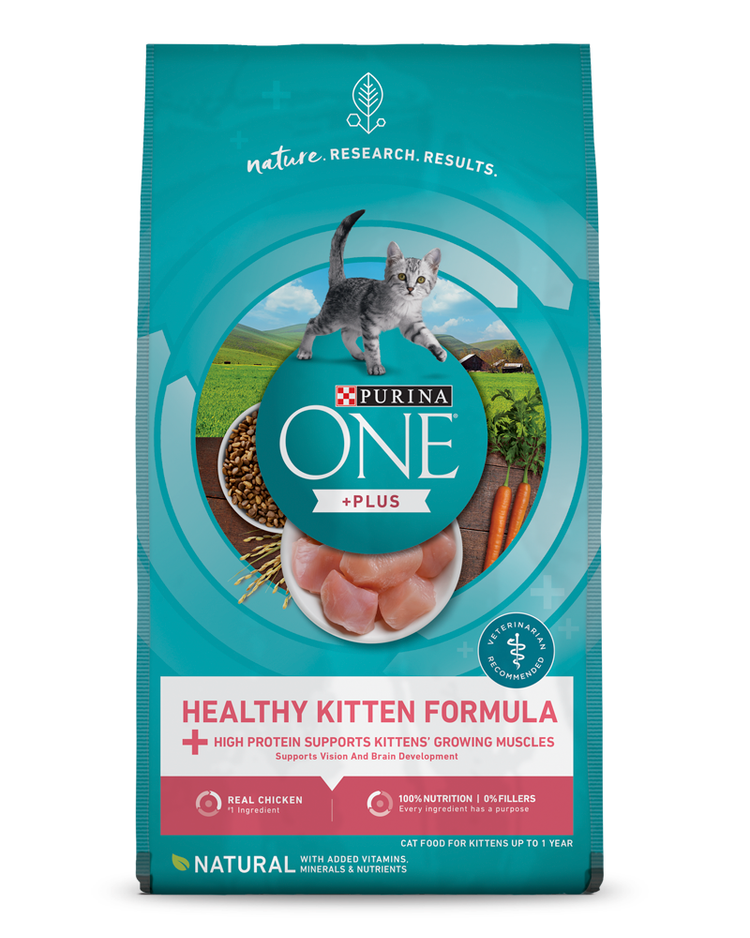
From 5 to 8 weeks, kittens transition fully to solid food. Their bodies demand more protein and calories to support rapid muscle and bone growth. Kitten-specific food is vital here because adult food lacks the extra nutrients they need.
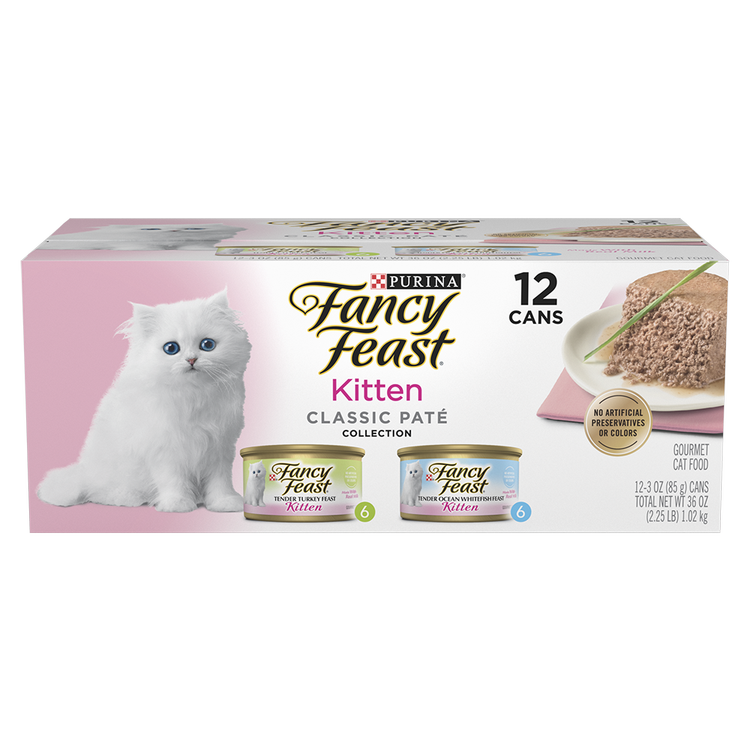
Offering a mix of wet and dry kitten food during this period encourages healthy eating habits. You might find your kitten prefers one texture over the other—listen to their preferences but keep nutrition your priority. How often do you check the food label for essential nutrients like taurine and DHA?
Transition To Juvenile Stage
Between 4 and 6 months, kittens slow their growth but still require nutrient-rich food. This is the time to prepare for the switch to adult cat food. Slowly blending adult food with kitten food over a few weeks helps your kitten adjust without digestive upset.
Notice your kitten’s energy levels and weight during this transition. If they seem sluggish or lose weight, it might mean the diet isn’t meeting their needs yet. Are you ready to adapt feeding routines as your kitten becomes less of a baby and more of a young cat?
Nutritional Needs Of Kittens
Kittens have unique nutritional needs that differ significantly from adult cats. Their bodies grow rapidly, demanding specific nutrients to support development, energy, and overall health. Understanding these needs helps you decide the right time to switch their food and ensures they thrive during this critical stage.
High Protein Requirements
Kittens need more protein than adult cats because protein fuels muscle growth and supports their developing organs. A diet rich in high-quality animal protein sources like chicken, turkey, or fish is essential. Have you noticed how active and playful your kitten is? That energy comes from protein helping build strong muscles.
Feeding your kitten lower-protein adult food too early can slow their growth and reduce muscle strength. Aim for kitten food with at least 30% protein content to meet these needs effectively.
Essential Vitamins And Minerals
Vitamins and minerals play a crucial role in your kitten’s bone development, immune system, and overall health. Nutrients like calcium, phosphorus, vitamin A, and taurine are especially important. Taurine, for example, is vital for heart and eye health, which you might not see immediately but is critical long-term.
Adult cat food often lacks the higher levels of these nutrients required for kittens. Ensuring your kitten’s diet includes these essentials helps prevent deficiencies and supports healthy growth.
Caloric Intake For Growth
Kittens burn a lot of calories just by growing and exploring. Their metabolism is faster than adult cats, so they need more calories per pound of body weight. Feeding them enough calories helps maintain their energy and supports rapid development.
Adult cat food usually doesn’t provide enough calories for a kitten’s busy lifestyle. If you notice your kitten losing weight or appearing lethargic, it might be time to check their calorie intake and adjust their food accordingly.
Differences In Adult Cat Food
Switching your kitten to adult cat food is more than just a simple change in packaging. Adult cat foods differ significantly from kitten formulas in ways that affect your cat’s health and well-being. Understanding these differences helps you decide the right time to make the transition and choose the best food for your feline friend.
Nutrient Composition Changes
Kitten food is packed with higher levels of protein and fat to support rapid growth and development. Adult cat food, on the other hand, contains balanced nutrients to maintain health without encouraging excess weight gain. Have you noticed how your kitten’s energy needs slow down? That’s because adult cats require fewer calories but still need essential vitamins and minerals to stay active and strong.
Calorie Density Variations
Kitten formulas are calorie-dense to fuel their boundless energy and growing bodies. Adult cat food reduces calorie content to prevent obesity, which can lead to health problems like diabetes and joint issues. When you feed your adult cat food too early, you risk overfeeding calories, causing unnecessary weight gain. How carefully are you monitoring your cat’s weight during this food change?
Ingredient Adjustments
Ingredients in adult cat food are selected to support long-term health, often including supplements for joint care and digestive health. Some adult foods reduce certain ingredients that kittens need in excess, like calcium, to avoid developmental issues. You might find adult foods with added fiber to help with digestion—something kittens don’t require as much. Does your cat’s current food support their specific health needs at their age?
Credit: www.purina.com
Signs To Switch To Adult Food
Kittens typically transition to adult cat food around one year old. Look for signs like reduced growth rate and increased activity. These indicate it’s time to switch to a diet that meets adult nutritional needs.
Understanding when to transition your kitten to adult cat food is crucial. This shift ensures they receive the right nutrients at every life stage. Recognizing signs that indicate readiness for adult food helps make this transition smoothly. Let’s explore these signs.Age Milestones
Kittens typically reach a key age milestone at 12 months. At this point, their nutritional needs change. Kitten food is high in calories. It’s designed for growth and development. Adult cats require fewer calories. Transitioning around this age helps prevent weight gain.Behavioral And Physical Indicators
Observe your kitten’s behavior and physical changes. Increased activity or decreased appetite may signal a need for change. Notice any changes in their fur or weight. These may indicate they’re ready for adult food. Watch for signs of maturity, like less playful behavior.Veterinary Recommendations
Consult your veterinarian for personalized advice. They can assess your kitten’s growth and health. Vets provide guidance on the right time to switch. They consider factors like breed, health, and lifestyle. A vet’s insight ensures a smooth dietary transition.How To Transition Diets Safely
Transitioning a kitten from kitten food to adult cat food requires care and patience. Sudden changes can upset their stomach or cause refusal to eat. A smooth diet shift helps maintain health and encourages acceptance of new food.
Gradual Food Introduction
Start by mixing a small amount of adult cat food with kitten food. Increase the adult food portion slowly over 7 to 10 days. Watch your kitten’s reaction to the new taste and texture. This gentle switch helps avoid digestive problems.
Monitoring Health And Weight
Check your kitten’s weight regularly during the transition. Keep an eye on their energy and stool quality. Any sudden changes in appetite, vomiting, or diarrhea need prompt attention. Healthy weight and bright eyes indicate a good diet adjustment.
Dealing With Food Preferences
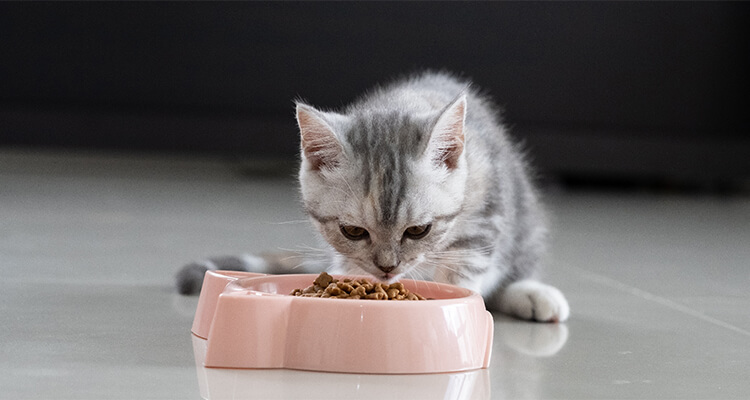
Kittens may reject adult food at first. Try warming the food slightly to enhance aroma. Offer different textures like pate or chunks to find a favorite. Patience and persistence often lead to acceptance of the new diet.
Credit: www.whiskas.co.uk
Potential Risks Of Early Or Late Switching
Switching a kitten to adult cat food at the right time is very important. Changing food too early or too late can cause problems for your cat’s health. Understanding the risks helps keep your cat strong and healthy.
Nutritional Deficiencies
Kitten food has more nutrients for growth than adult food. Feeding adult food too early may cause missing vitamins and minerals. This can lead to weak bones and poor immune health. Waiting too long to switch can also cause imbalances. The kitten might get too many calories and fats, leading to weight problems.
Digestive Issues
Kitten stomachs are sensitive and need special food. Switching to adult food too fast or too late can cause upset stomachs. This includes diarrhea, vomiting, or constipation. Gradual change helps the digestive system adjust. A sudden switch can shock the stomach, causing discomfort.
Impact On Growth And Development
Proper food supports strong muscles and brain growth. Switching to adult food early can slow down development. The kitten may not grow as expected. Waiting too long may cause the kitten to gain unhealthy weight. Balanced nutrition during kittenhood sets the foundation for a healthy adult cat.
Choosing The Right Adult Cat Food
Choosing the right adult cat food is key to your cat’s health after kittenhood. Adult cat food provides the nutrients needed for energy and maintenance. It supports a healthy weight and strong immune system. Selecting the best food depends on several important factors.
Age-appropriate Formulas
Adult cat food formulas differ from kitten food. They contain fewer calories since adult cats are less active. Proteins and fats are balanced for maintenance, not growth. Check the label to confirm the food is for adult cats. Avoid kitten formulas once your cat reaches about one year old.
Quality Ingredients
High-quality ingredients ensure better nutrition and digestion. Look for real meat or fish listed first in the ingredients. Avoid foods with too many fillers like corn or wheat. Natural vitamins and minerals support overall health. Avoid artificial colors, flavors, and preservatives for a cleaner diet.
Special Dietary Needs
Some cats need special diets based on health issues. Weight control formulas help overweight cats stay fit. Sensitive stomach diets reduce digestive problems. Cats with allergies need limited ingredient foods. Always consult a vet if your cat has special needs before switching food.
Expert Tips For Feeding Kittens
Feeding kittens the right way sets the foundation for their health and happiness. Knowing how often to feed them, how much to give, and ensuring they stay hydrated can make a big difference in their growth. Here are some expert tips to help you get it right.
Feeding Frequency
Kittens have small stomachs and high energy needs, so they require more frequent meals than adult cats. Typically, feeding your kitten three to four times a dayworks best until they reach about six months old.
As they grow, you can gradually reduce meal frequency to twice a day. Have you noticed how your kitten’s appetite changes during growth spurts? Adjust feeding times to match their hunger cues but avoid leaving food out all day to prevent overeating.
Portion Control
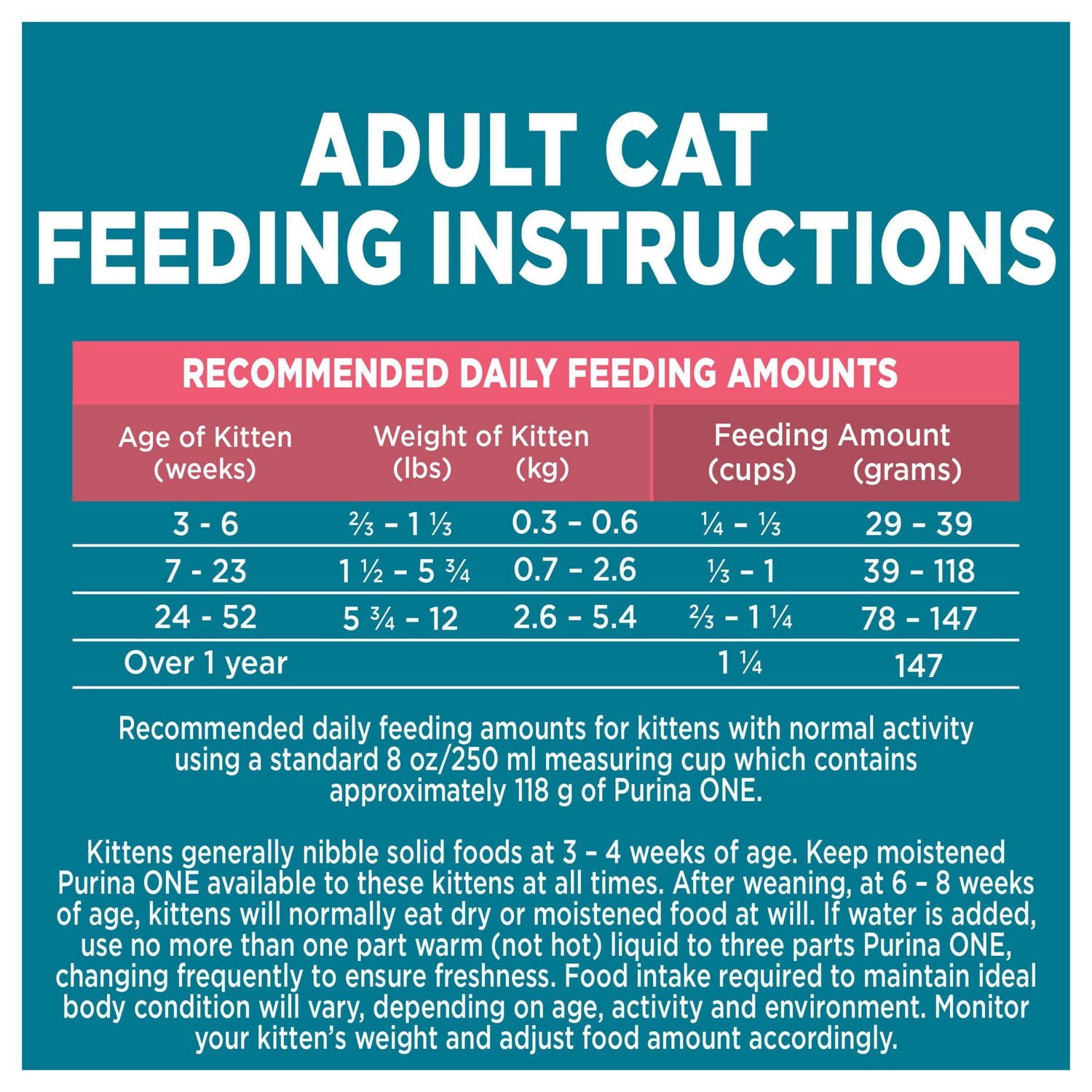
Overfeeding can lead to weight issues, while underfeeding can stunt your kitten’s growth. Use the feeding guidelines on your cat food packaging as a starting point, but observe your kitten’s body condition closely.
Try measuring portions with a kitchen scale or a standard measuring cup to be precise. If your kitten seems too thin or is gaining too much weight, tweak the portion size accordingly. Remember, consistency helps your kitten develop a healthy eating routine.
Hydration Importance
Water is just as crucial as food. Kittens can dehydrate quickly, especially if they eat mostly dry kibble.
Make fresh water available at all times and change it daily. You might even encourage drinking by adding a pet fountain or offering wet food occasionally. Have you thought about how hydration affects your kitten’s energy and coat health? Keeping water accessible supports their overall well-being and digestion.
Frequently Asked Questions
When Should I Switch My Kitten To Adult Cat Food?
Switch your kitten to adult cat food around 12 months old. This age marks the end of rapid growth. Adult food supports maintenance rather than growth. Transition gradually over 7-10 days to avoid digestive issues.
Why Not Feed Adult Food To Kittens Early?
Adult cat food lacks essential nutrients kittens need for growth. Kittens require higher protein, fat, and calorie content. Feeding adult food too soon can stunt development and weaken immunity. Kitten food supports healthy bones and brain development.
How To Transition Kitten To Adult Cat Food Safely?
Mix increasing amounts of adult food with kitten food over 7-10 days. Monitor your kitten’s appetite and stool quality during transition. Gradual change prevents digestive upset and encourages acceptance of new food. Always provide fresh water.
What Are Signs My Kitten Is Ready For Adult Food?
A kitten ready for adult food is about one year old. Growth slows and energy needs stabilize at this stage. They may show less interest in high-calorie kitten food. Consult your vet if unsure about timing or health.
Conclusion
Feeding your kitten adult cat food is a key step in growth. Most cats switch food around one year old. Watch their weight and energy to know the right time. Choose quality adult food with needed nutrients. Changing food slowly helps avoid stomach upset.
Healthy eating supports a long, happy life for your cat. Trust your pet’s needs and enjoy each stage together.


Leave a Reply