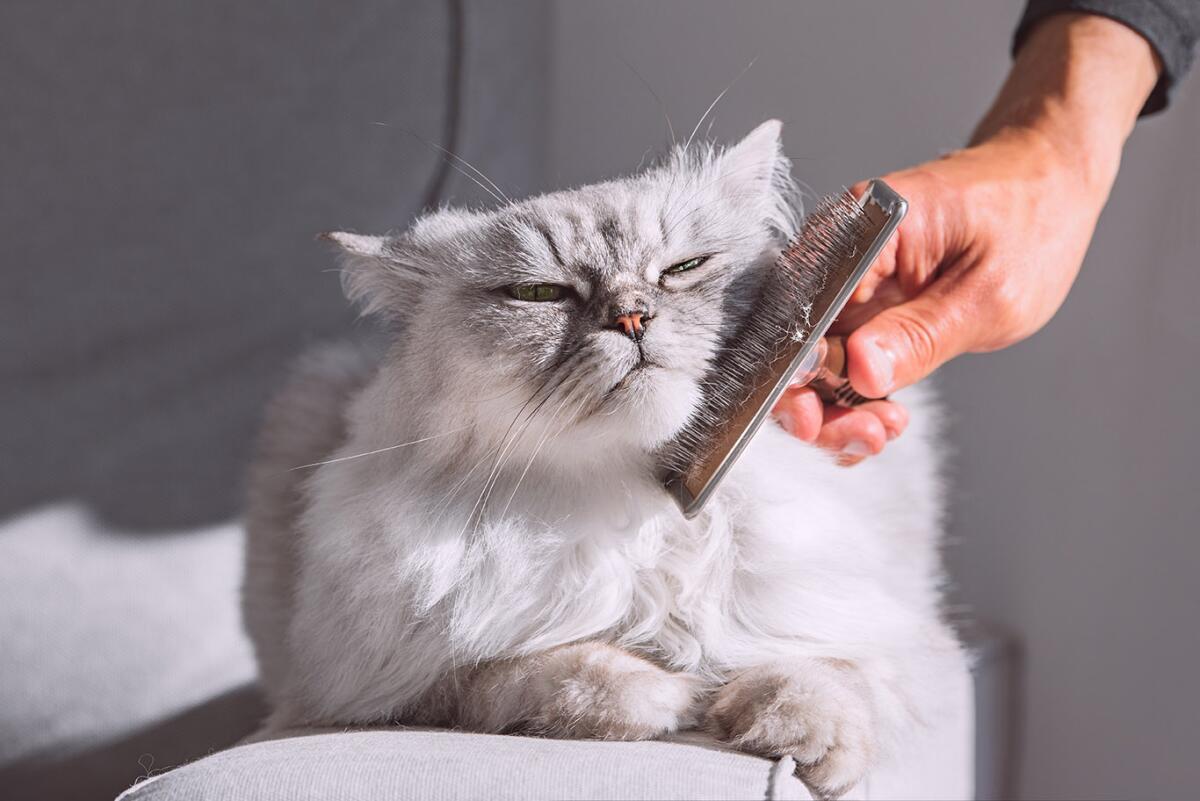
If you have a longhaired cat, you might wonder, “Should I groom my furry friend regularly?” The answer isn’t just a simple yes or no. Grooming can make a big difference in your cat’s health and happiness.
But it can also feel like a lot of work if you don’t know where to start. You’ll discover why grooming matters, how it can prevent common problems, and easy tips to keep your cat looking and feeling great. Ready to become the best cat caretaker your longhaired friend deserves?
Keep reading—you’ll be glad you did.
Benefits Of Grooming Longhaired Cats
Grooming longhaired cats offers many benefits beyond just keeping them clean. Regular brushing helps maintain their coat’s health and comfort. It also reduces problems like shedding and mats. Grooming creates a chance to bond and understand your cat better. Here are key benefits of grooming your longhaired cat.
Improved Coat Health
Brushing removes dirt and loose fur from your cat’s coat. It spreads natural oils that keep the fur shiny and soft. A healthy coat protects your cat’s skin from dryness and irritation. Regular grooming helps spot skin problems early. This keeps your cat comfortable and less likely to scratch.
Reduced Shedding
Longhaired cats shed more fur than shorthaired ones. Grooming catches loose hairs before they fall around your home. This means less fur on furniture and clothes. It also helps prevent hairballs that can upset your cat’s stomach. Brushing often reduces the amount of fur your cat swallows.
Prevention Of Mats And Tangles
Mats form when fur twists and sticks together. They can pull on your cat’s skin and cause pain. Mats may hide skin infections or parasites. Grooming breaks up tangles before they become mats. This keeps your cat’s coat smooth and comfortable. Regular brushing saves your cat from painful grooming sessions.
Enhanced Bonding Experience
Grooming builds trust between you and your cat. It is a quiet time for both of you to relax. Many cats enjoy gentle brushing and petting. This shared activity reduces stress and strengthens your connection. Grooming helps you learn your cat’s likes and dislikes. It creates a routine that your cat can look forward to.
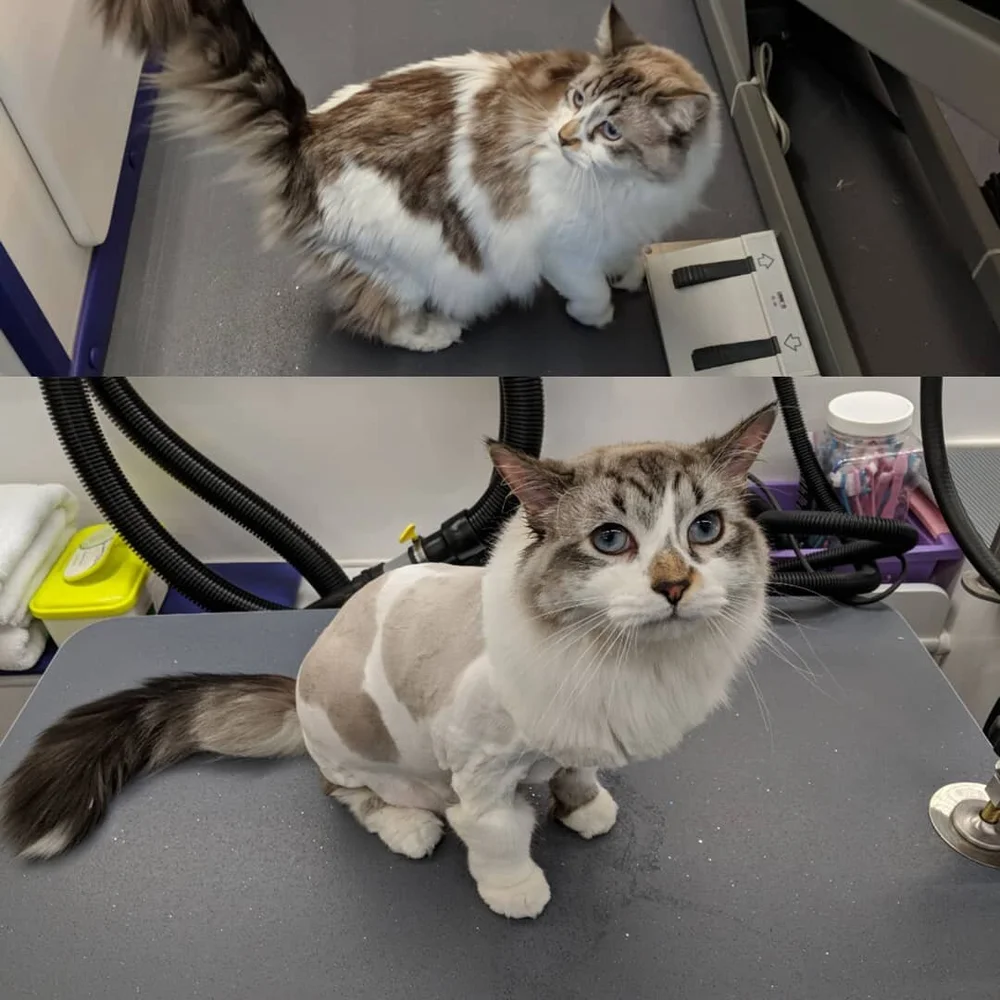
Credit: www.squeakycleangrooming.com
Choosing The Right Grooming Tools
Choosing the right grooming tools is essential for keeping your longhaired cat healthy and comfortable. The right equipment makes the grooming process easier and less stressful for both you and your furry friend. It’s important to know which tools work best for different grooming needs.
Combs And Brushes
Longhaired cats need brushes and combs designed to gently detangle their fur without pulling. A wide-toothed comb helps remove mats and prevent knots, while a slicker brush reaches the undercoat to reduce shedding. You might find that using both tools in combination works best for your cat’s specific coat.
Have you noticed your cat avoiding grooming? Using softer bristles or smaller combs can help make the experience more pleasant for them. Always be gentle and patient to avoid causing discomfort.
Nail Clippers And Trimmers
Keeping your cat’s nails trimmed prevents scratching injuries and damage to your furniture. Choose clippers designed specifically for cats; they often have a safety guard to avoid cutting the quick. If your cat is nervous, try trimming just one or two nails at a time to build their tolerance.
Consider using a nail grinder if your cat dislikes clippers—it smooths the nails without pressure. How do you handle nail trimming without stressing your cat? Finding the right tool can make all the difference.
Shampoos And Conditioners
Longhaired cats benefit from shampoos and conditioners made for sensitive skin and long fur. Avoid harsh chemicals; opt for gentle, hypoallergenic formulas that keep the coat shiny and soft. Conditioner can help reduce tangles, making brushing easier afterward.
Have you tried using dry shampoos or waterless sprays between baths? These can be a quick fix to keep your cat fresh without a full wash. Always test a small area first to avoid allergic reactions.
Grooming Frequency And Routine
Grooming a longhaired cat requires a regular schedule to keep its coat healthy and shiny. Long fur can easily tangle and form mats without proper care. Setting a grooming routine helps prevent discomfort and skin problems. It also strengthens the bond between you and your cat. Below are key parts of a grooming routine to consider.
Daily Brushing Tips
Brush your cat every day to stop mats from forming. Use a wide-toothed comb or a soft-bristle brush. Focus on areas behind the ears, under the legs, and around the neck. These spots often get tangled first. Brush gently to avoid hurting your cat. Take short breaks if your cat feels restless. Reward your cat with a treat or praise after brushing.
Bathing Schedule
Bathe your longhaired cat every 4 to 6 weeks. Use a shampoo made for cats to protect their skin. Before bathing, brush to remove loose hair and dirt. Make sure the water is warm but not hot. Rinse thoroughly to remove all shampoo. Dry your cat with a soft towel and keep it warm afterward. Avoid over-bathing as it can dry out the skin.
Nail Care Routine
Trim your cat’s nails every 2 to 3 weeks. Use a nail clipper designed for cats. Hold your cat’s paw gently and press the toe pad to extend the nail. Cut only the sharp tip, avoiding the pink quick inside. If unsure, trim a little at a time. Regular nail care prevents scratches and damage to furniture. Praise your cat to make nail trimming easier next time.
Handling Common Grooming Challenges
Grooming a longhaired cat can be tricky due to tangles and mats. Regular brushing helps prevent discomfort and keeps the coat healthy. Patience and gentle care make grooming easier for both you and your cat.
Handling the grooming of a longhaired cat can seem like an art, filled with its own set of challenges. Whether it’s dealing with their thick, luscious fur or managing their sometimes quirky behavior, grooming your feline friend requires patience and skill. Many cat owners face common hurdles, but with a little know-how, you can turn grooming time into a bonding experience rather than a dreaded chore.Dealing With Mats And Tangles
Mats and tangles are often inevitable with longhaired cats. They not only look messy but can also cause discomfort for your cat. Regular brushing is key. Use a wide-toothed comb to gently work through these areas. If you come across stubborn mats, consider using a detangling spray or seek professional grooming help to prevent hurting your cat.Managing Shedding Seasons
Shedding can seem never-ending, particularly during certain seasons. Stay ahead of the fur storm by brushing your cat more frequently. Invest in a high-quality brush designed for longhaired cats. A regular grooming routine will help keep your home fur-free and your kitty’s coat healthy. Have you noticed any specific patterns in your cat’s shedding?Calming A Nervous Cat
A nervous cat can make grooming a daunting task. Creating a calm environment is crucial. Play soothing music or use calming pheromone sprays to help ease their anxiety. Offer treats and gentle words of encouragement. Your patience and a relaxed approach can go a long way in helping your cat feel at ease. How do you ensure your cat feels safe during grooming sessions?Health Signs To Watch During Grooming
Grooming your longhaired cat is more than just keeping their fur tangle-free. It’s an opportunity to check their overall health closely. Paying attention to subtle signs during grooming can help you catch potential problems early.
Skin Irritations And Parasites
Look closely for red, inflamed, or flaky patches on your cat’s skin. These areas could mean allergies, infections, or flea bites. Parasites like fleas and ticks often hide under thick fur, so part the coat and examine the skin carefully.
If you spot tiny black specks or your cat scratches more than usual, it’s time to act. Regular grooming helps you notice these irritations before they turn into serious issues.
Unusual Lumps Or Bumps
While grooming, feel your cat’s body for any lumps or bumps that weren’t there before. Some might be harmless fatty deposits, but others could signal infections or tumors. Early detection can make a big difference in treatment options.
Don’t ignore any new or changing growths. Note their size, shape, and texture, and share this information with your vet during your next visit.
Changes In Coat Texture
Pay attention to how your cat’s fur feels. Is it becoming dull, greasy, or unusually dry? Changes in coat texture can indicate underlying health problems like nutritional deficiencies or skin diseases.
A healthy coat should feel soft and smooth. If you notice patches of thinning or excessive shedding, ask yourself if something in your cat’s routine or environment has changed recently.
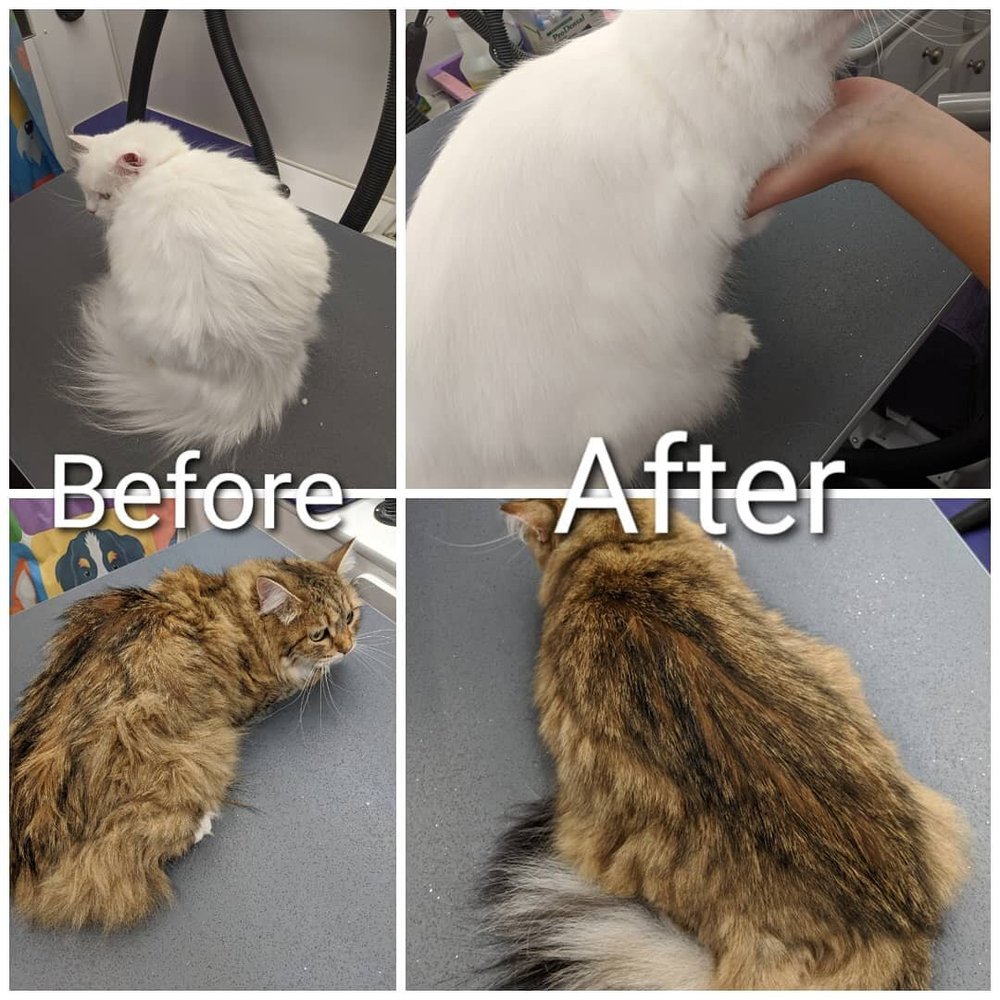
Credit: www.squeakycleangrooming.com
When To Seek Professional Grooming Help
Knowing when to seek professional grooming help for your longhaired cat can save you both time and stress. Some grooming challenges require specialized skills and tools that only a professional groomer possesses. Recognizing these moments ensures your cat stays comfortable and healthy without unnecessary discomfort.
Complex Mats And Tangles
When mats become thick and close to the skin, they can cause pain and skin problems. Trying to remove these yourself might hurt your cat or worsen the matting. Professional groomers have the right tools and experience to safely cut or detangle mats without injuring your pet.
If your cat’s fur feels like a tight knot or you notice bald patches under tangled fur, it’s time to get expert help. Attempting to groom severe mats at home could lead to scratches or stress for both of you.
Special Health Conditions
Cats with health issues like arthritis, obesity, or skin infections need gentle and careful grooming. Your cat might resist grooming due to discomfort or limited mobility. Professionals understand how to handle sensitive cats and adjust grooming techniques to avoid causing pain.
Have you noticed your cat hiding during grooming or reacting aggressively? These signs may indicate underlying health problems that require a vet’s advice and a groomer trained to work with special needs cats.
Stress-free Grooming Alternatives
If your cat becomes anxious or aggressive during grooming, consider professional services that offer calm, stress-free environments. Many groomers use calming sprays, quiet rooms, and slow, patient handling to keep cats relaxed.
Would you rather avoid the struggle and make grooming a positive experience? Professional groomers can provide alternatives like shorter sessions, frequent breaks, or even sedation when necessary to protect your cat’s well-being.

Credit: www.latimes.com
Frequently Asked Questions
How Often Should You Groom A Longhaired Cat?
Longhaired cats need grooming at least 3-4 times a week. Regular brushing prevents mats, reduces shedding, and keeps their coat healthy. Frequent grooming also helps you check for skin issues and keeps your cat comfortable.
Can Grooming Reduce Hairballs In Longhaired Cats?
Yes, grooming significantly reduces hairballs. Brushing removes loose fur before your cat ingests it. Regular grooming helps maintain a clean coat and reduces the frequency of hairballs, promoting better digestion and comfort for your cat.
What Tools Are Best For Grooming Longhaired Cats?
Use a wide-tooth comb, slicker brush, and dematting tool. These tools gently remove tangles and loose fur without hurting your cat. Choose grooming tools designed specifically for longhaired cats for best results.
Is Professional Grooming Necessary For Longhaired Cats?
Professional grooming is recommended every few months. Groomers can handle tough mats and give your cat a thorough cleaning. Regular professional care complements your home grooming routine and keeps your cat’s coat in top shape.
Conclusion
Grooming a longhaired cat takes time and patience. It helps keep their coat clean and free from mats. Regular brushing reduces shedding and hairballs. Cats enjoy gentle grooming when done right. It also strengthens your bond with your pet. Choose tools that work best for your cat’s fur.
Start grooming slowly and make it a routine. Healthy fur means a happy cat. So, yes, grooming a longhaired cat is worth it. Your cat will thank you with a soft, shiny coat.


Leave a Reply