Are you wondering if it’s okay to give your adult cat kitten food? You’re not alone.
Many cat owners ask this question because they want the best for their furry friends. But is kitten food really safe or healthy for adult cats? Understanding the difference can help you make the right choice for your pet’s health and happiness.
Keep reading to discover what you need to know before switching your cat’s diet.
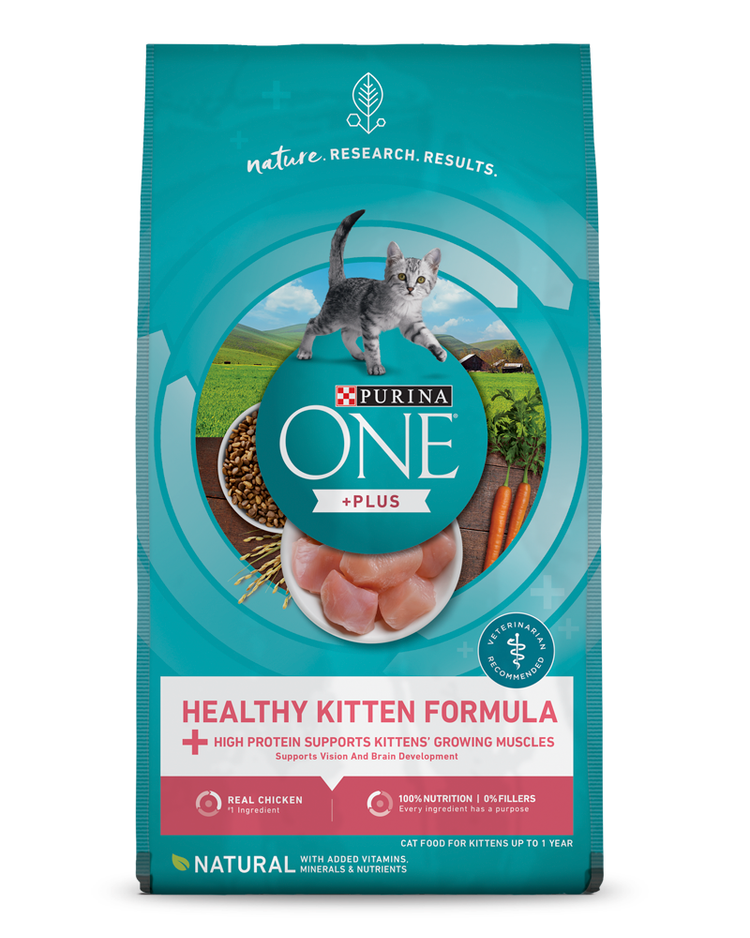
Credit: www.purina.com
Why Cats Need Different Nutrition
Cats grow and change fast. Their bodies need different types of food at different stages. Feeding adult cats with kitten food is not always the right choice. Each life stage has special nutritional needs. These needs help cats stay healthy and active.
Nutritional Needs Of Kittens
Kittens grow quickly. Their bodies need a lot of energy and nutrients. Kitten food is rich in protein and fat. It supports strong muscles and brain development. Kittens also need extra vitamins and minerals. These help build bones and keep their immune system strong.
Adult Cat Dietary Requirements
Adult cats need balanced nutrition to maintain health. Their energy needs are lower than kittens. Adult cat food has less fat and calories. It contains the right amount of protein to keep muscles strong. Adult food also supports healthy skin and coat. It helps prevent weight gain and health issues.
Key Differences Between Kitten And Adult Food
- Kitten food has more calories to support growth.
- Higher protein and fat in kitten food for energy.
- Adult food focuses on balanced nutrition and weight control.
- Different vitamin and mineral levels for each age group.
- Texture and size of food pieces may differ for easier eating.
Benefits Of Feeding Kitten Food To Adult Cats
Feeding kitten food to adult cats can offer several benefits. Kitten food is specially designed to support growth and development. Its rich nutrients and higher energy content can also aid adult cats under certain conditions.
Higher Protein And Fat Content
Kitten food contains more protein and fat than adult cat food. These nutrients help maintain muscle mass and support healthy skin. Adult cats with active lifestyles may benefit from this extra nutrition.
Boosting Energy Levels
The extra calories in kitten food provide more energy. This boost helps active or outdoor adult cats stay lively. It can also support cats recovering from illness or surgery.
Support For Cats With Health Issues
Adult cats with health problems might need richer food. Kitten food offers essential nutrients that aid healing and strength. It can improve appetite and support immune function during recovery.
Potential Risks Of Kitten Food For Adults
Feeding adult cats kitten food might seem harmless or even beneficial at first glance. Kitten food is packed with nutrients designed to support rapid growth, but adult cats have different dietary needs. Offering kitten food regularly to your adult cat can lead to several health issues you might not expect.
Excess Calories And Weight Gain
Kitten food contains more calories than adult cat food because kittens need extra energy for growth. If your adult cat eats this calorie-dense food every day, it can quickly gain weight.
Excess weight can lead to problems like diabetes, joint pain, and heart issues. Have you noticed your cat getting a bit rounder after switching to kitten food? That could be a sign the calories are too much for their slower metabolism.
Digestive Upset And Allergies
Kitten food formulas differ from adult cat diets in fat content and ingredient types. Some adult cats might experience digestive upset like diarrhea or vomiting when fed kitten food regularly.
Also, kitten food might trigger allergies if it contains ingredients your cat isn’t used to. If your cat suddenly scratches more or has skin issues, the diet could be the cause.
Imbalanced Nutrient Intake
Adult cats require a balanced mix of nutrients that kitten food doesn’t always provide in the right proportions. For example, too much calcium or protein in kitten food can strain adult cats’ kidneys and liver over time.
Feeding kitten food to adults can also mean missing out on certain nutrients tailored for mature cats’ health needs. Do you want your cat to get the right fuel for a healthy adult life? Then sticking to adult-specific food is important.
When To Consider Kitten Food For Adults
Adult cats usually need a diet that supports their mature bodies. Yet, there are times when kitten food might be necessary. Kitten food is rich in proteins and calories, which can benefit certain adult cats. Here are scenarios where feeding kitten food to adult cats makes sense:
Growing Or Recovering Cats
Some adult cats may still be growing or recovering from illness. They require extra nutrients for energy and growth. Kitten food is high in calories and nutrients, aiding in faster recovery and growth. If your cat is underweight, kitten food can help it gain necessary weight.
Senior Cats Needing Extra Nutrition
Senior cats might face challenges in maintaining their weight. They often need more calories and nutrients. Kitten food can provide these extra nutrients. It helps older cats maintain energy levels and overall health. Always monitor their health and adjust their diet accordingly.
Veterinarian Recommendations
Consulting a veterinarian is crucial before making dietary changes. They can provide tailored advice based on your cat’s health needs. Vets might recommend kitten food for specific health conditions. Always follow professional advice for the best care of your feline friend.
Tips For Transitioning Between Foods
Changing a cat’s food requires care and patience. Sudden switches can upset your cat’s stomach and cause refusal to eat. A smooth transition helps your cat adjust to new tastes and nutrients. Follow these tips to make the change easy and stress-free for your pet.
Gradual Introduction Techniques
Start by mixing a small amount of new food with the current food. Increase the new food portion slowly over 7 to 10 days. This gradual mix helps your cat get used to the new flavor and texture. Avoid sudden changes, which may cause digestive problems.
Monitoring Your Cat’s Reaction
Watch your cat closely during the transition. Look for signs like vomiting, diarrhea, or loss of appetite. If your cat shows any discomfort, slow down the transition pace. Also, check for any allergic reactions such as itching or swelling. Keeping a food diary can help track changes in behavior or health.
Adjusting Portion Sizes
Measure portions carefully to avoid overfeeding or underfeeding. Adjust the amount of new food based on your cat’s appetite and weight. Smaller, more frequent meals may ease digestion. Consult your vet if unsure about the right portion size. Proper portions support a healthy transition and maintain your cat’s weight.

Credit: www.purina.com
Alternatives To Kitten Food For Adult Cats
If you’re wondering about alternatives to feeding adult cats kitten food, there are several options that can meet your cat’s nutritional needs without overloading them with calories or nutrients meant for growing kittens. Adult cats have different energy requirements and health concerns that should guide your feeding choices. Let’s look at some practical alternatives to keep your feline friend healthy and satisfied.
Senior Or Special Diet Formulas
As cats age, their dietary needs change. Senior cat foods are specially designed to support joint health, kidney function, and overall vitality. These formulas often contain controlled protein levels and added antioxidants that benefit older cats.
If your cat has health issues like allergies or kidney disease, special diet formulas can be a lifesaver. These are tailored to address specific conditions, helping you avoid the risks of feeding kitten food that might be too rich or unbalanced for your cat’s health status.
Homemade Balanced Meals
Preparing homemade meals can give you full control over what your cat eats. You can use quality ingredients like cooked chicken, fish, and vegetables, but it’s crucial to ensure the meal is balanced with the right proteins, fats, and vitamins.
Many cat owners find that homemade meals improve their cat’s digestion and coat quality. Have you tried mixing cooked turkey with pumpkin puree and a pinch of taurine supplement? Small tweaks like this can make a big difference in your cat’s health.
Supplements To Enhance Nutrition
If your adult cat’s diet lacks certain nutrients, supplements can fill the gaps. Omega-3 fatty acids support skin and coat health, while probiotics aid digestion. These can be added to regular adult cat food to boost overall nutrition.
Be cautious with supplements—too much of certain vitamins or minerals can harm your cat. Consulting your vet before adding supplements ensures you’re providing benefits, not risks. What supplements do you think could make your cat’s diet better?
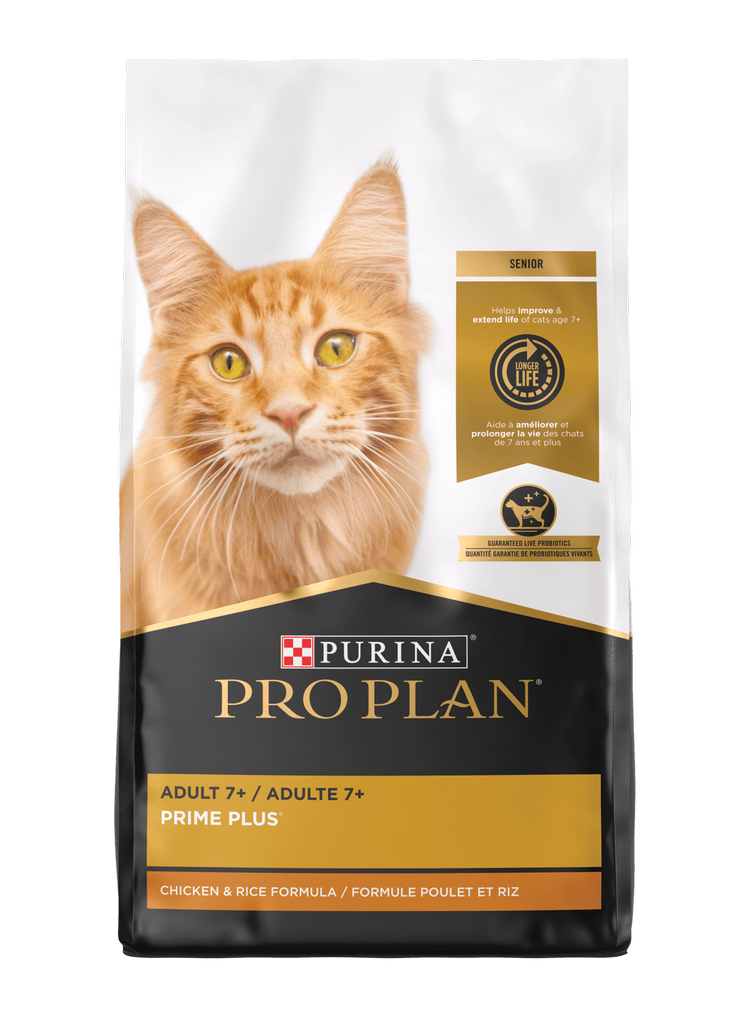
Credit: www.purina.com
Frequently Asked Questions
Can Adult Cats Eat Kitten Food Safely?
Adult cats can eat kitten food occasionally but it’s not ideal long-term. Kitten food has higher calories and nutrients meant for growth, which may cause weight gain in adults.
What Happens If Adult Cats Eat Kitten Food Regularly?
Regularly feeding kitten food to adult cats can lead to obesity and digestive issues. Kitten food is richer and can cause an imbalance in adult cats’ nutritional needs.
Is Kitten Food Better For Adult Cats’ Health?
Kitten food is not better for adult cats’ health. Adult cats need a balanced diet formulated for their age to maintain healthy weight and energy levels.
Can Kitten Food Help An Older Cat Regain Weight?
Kitten food can help underweight older cats gain weight due to its higher calorie content. However, consult a vet before making dietary changes for senior cats.
Conclusion
Adult cats can eat kitten food for short times. Kitten food has more calories and nutrients. This helps kittens grow fast but may cause weight gain in adults. Feeding adult cats kitten food daily is not best. Choose food made for your cat’s age.
Watch your cat’s health and weight closely. Always ask your vet if you’re unsure. Good food keeps cats happy and strong. Simple choices make a big difference.

Leave a Reply