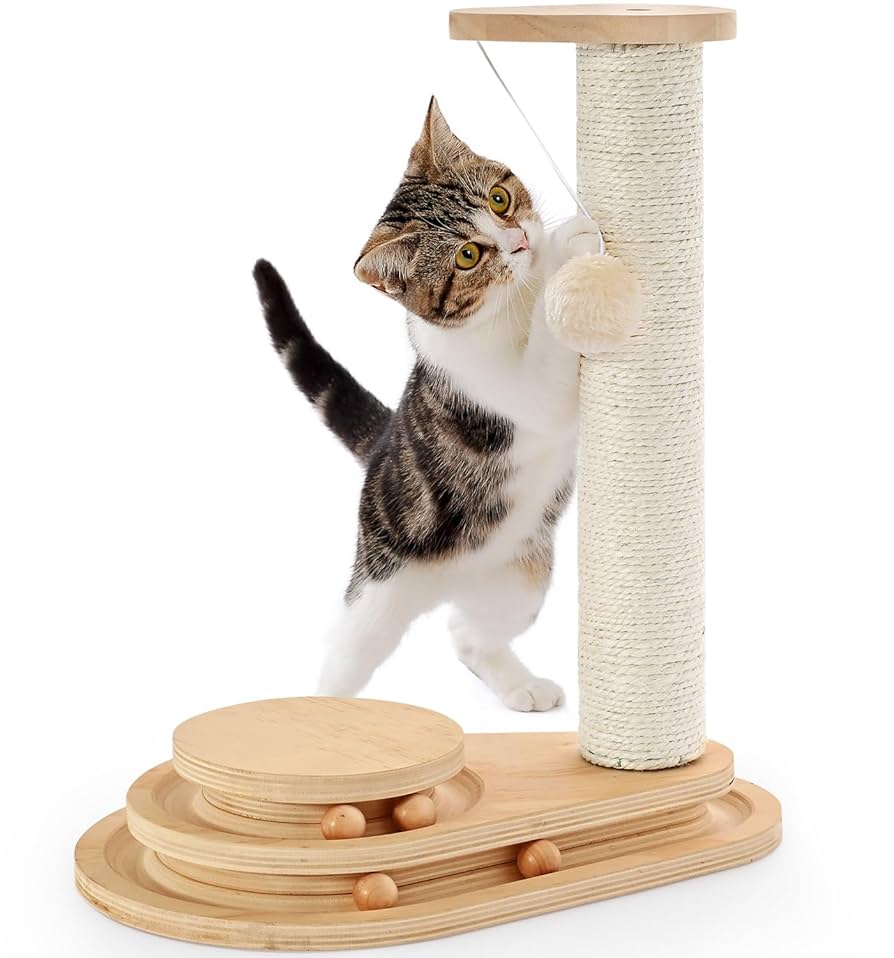
Are you looking for a fun and affordable way to keep your cat entertained and happy? Making scratch toys for your cat is easier than you think, and it’s a great way to show your furry friend some love.
Not only will these homemade toys save you money, but they will also keep your cat active and prevent unwanted scratching on your furniture. In this guide, you’ll discover simple steps to create safe, engaging scratch toys that your cat will adore.
Ready to make your cat’s playtime more exciting? Let’s dive in!

Credit: www.cat-advocate.com
Benefits Of Scratch Toys
Scratch toys offer more than just fun for your cat—they play a crucial role in their health and happiness. These toys help channel your cat’s natural scratching instincts into positive outlets. Let’s look at the real benefits that make scratch toys a must-have in any cat-friendly home.
Keeping Cats Active
Scratch toys encourage your cat to move and stretch their muscles regularly. Cats need physical activity to stay healthy, and scratching helps them exercise their paws and claws. Have you noticed how your cat becomes more playful and agile after spending time with a scratch toy?
Regular activity from scratching prevents obesity and related health issues. It’s a simple way to keep your feline friend fit without complicated routines. Plus, active cats tend to sleep better and show fewer behavioral problems.
Protecting Furniture
One of the biggest challenges cat owners face is scratched-up furniture. Scratch toys provide a dedicated spot for your cat’s scratching needs, protecting your sofas, chairs, and curtains. You can save money and avoid frustration by giving your cat an appealing alternative.
Try placing the scratch toy near your cat’s favorite resting spots. This makes it easy for them to switch from scratching furniture to the toy. You’ll quickly notice less damage around your home.
Mental Stimulation
Scratching isn’t just physical—it’s a mental exercise too. Scratch toys keep your cat engaged and curious by offering different textures and angles to explore. This mental challenge helps reduce boredom, which can lead to destructive behavior.
Have you seen your cat’s intense focus when exploring a new scratch toy? That concentration sharpens their senses and keeps their mind active. Providing a variety of scratch toys can keep your cat entertained and mentally sharp for years.

Credit: www.youtube.com
Materials You’ll Need
Gathering the right materials makes crafting scratch toys for cats easier and safer. This section covers items found around the house, safe craft supplies, and tools for assembly. Use materials that are sturdy and non-toxic for your cat’s well-being.
Common Household Items
- Cardboard boxes or tubes
- Old towels or fabric scraps
- Wooden blocks or small planks
- Paper towel rolls
- String or yarn
Safe Craft Supplies
- Non-toxic glue or adhesive
- Sisal rope or twine
- Natural fiber fabrics like cotton or jute
- Child-safe paint or markers (optional)
- Soft stuffing material
Tools For Assembly
- Scissors with sharp blades
- Hot glue gun (use with caution)
- Stapler or staple gun
- Measuring tape or ruler
- Needle and thread for sewing
Simple Scratch Toy Ideas
Creating scratch toys for cats does not have to be complex or costly. Simple materials can make excellent scratch toys that keep your cat happy and active. These ideas use common household items and can be made quickly.
Each toy provides texture and durability, encouraging natural scratching behavior. Cats enjoy different surfaces, so offering variety is key to their interest. Try these easy-to-make scratch toys to protect your furniture and entertain your cat.
Cardboard Scratch Pads
Cardboard is a favorite for cats to scratch. It is soft enough to dig claws into but tough enough to last. To make a scratch pad, gather several layers of corrugated cardboard.
- Cut the cardboard into rectangles or circles.
- Stack and glue the pieces together firmly.
- Wrap the edges with tape for durability.
- Place the pad flat on the floor or lean it against a wall.
Change the pad when it wears out. Cats love the texture and the sound of scratching cardboard.
Rope-wrapped Posts
Rope-wrapped posts are simple and sturdy scratch toys. Use a wooden dowel or a thick cardboard tube as the base. Wrap it tightly with sisal or jute rope.
- Secure the rope ends with hot glue or strong tape.
- Attach the post vertically to a stable base for balance.
- Place it where your cat likes to scratch.
The rough rope feels great on cat claws and lasts longer than fabric.
Fabric And Sisal Mats
Fabric and sisal mats offer a flat surface for scratching. Use old canvas or burlap fabric combined with sisal twine to create the mat. Sew or glue sisal strips onto the fabric in rows or patterns.
- Cut the fabric to a size your cat prefers.
- Attach a non-slip backing to keep the mat steady.
- Place the mat in cozy or high-traffic areas.
These mats are easy to clean and provide a varied texture your cat will love.
Step-by-step Instructions
Gather simple materials like cardboard, fabric, and string to create fun scratch toys for cats. Follow clear steps to cut, assemble, and secure each part safely. Watch your cat enjoy a homemade toy made just for them.
Creating scratch toys for your feline friend can be a delightful and rewarding experience. Not only does it allow you to recycle materials, but it also provides your cat with endless entertainment. Follow these easy steps to craft the perfect scratch toy for your furry companion.Preparing Materials
Start by gathering all the materials you’ll need. Cardboard is a popular choice, as its texture is perfect for scratching. Gather a few boxes or leftover pieces to cut into strips. You might also want some sturdy fabric, like burlap, to cover the base. Have strong glue, scissors, and a ruler on hand for precise cutting. If you’re using wood, sand it down to prevent splinters. Make sure everything is pet-safe and non-toxic.Assembling The Toy
Begin by cutting your cardboard into strips, each about 2-3 inches wide. Stack them together, securing with glue to form a dense block. Alternatively, wrap fabric around a wooden post and secure it tightly. Ensure your structure is stable by attaching it to a heavy base or platform. Test the assembly’s stability by applying gentle pressure. You wouldn’t want it to topple over when your cat gets playful!Adding Catnip Or Toys
Enhance the toy’s appeal by sprinkling catnip between the cardboard layers. This will attract your cat and encourage scratching. Consider attaching a small toy, like a bell or feather, to the top. Cats love interactive elements that stimulate their hunting instincts. Remember, the goal is to make the toy irresistible. What small tweak could make your cat’s day even more exciting? By following these steps, you’ll provide your cat with a fun, engaging toy that also meets their natural scratching needs. Happy crafting!Customizing Toys For Your Cat
Customizing scratch toys for your cat makes playtime more exciting and satisfying for them. Each cat has unique preferences, so tailoring toys to fit their specific likes can boost their engagement and keep them entertained longer. You’ll notice a big difference when you adjust the toy to match your cat’s personality and habits.
Adjusting Size And Shape
Think about your cat’s size and claw reach when choosing the toy’s dimensions. A large cat might need a sturdier, bigger scratching post, while a smaller cat or kitten prefers something compact and easy to handle. You can even create different shapes—like flat boards, curved surfaces, or towers—to see what your cat enjoys most.
Have you observed your cat’s favorite scratching spots around the house? Mimicking those shapes or sizes in the toys you make can encourage your cat to use them more often.
Choosing Favorite Textures
Texture is crucial for scratch toys. Cats often prefer rough or fibrous materials like sisal, cardboard, or carpet. Try mixing textures to find the one your cat loves best—some cats enjoy a combination of soft and rough surfaces.
I once swapped out a soft fabric for a sisal wrap on a homemade toy, and my cat immediately started using it daily. What textures does your cat respond to when you pet or brush them?
Incorporating Interactive Elements
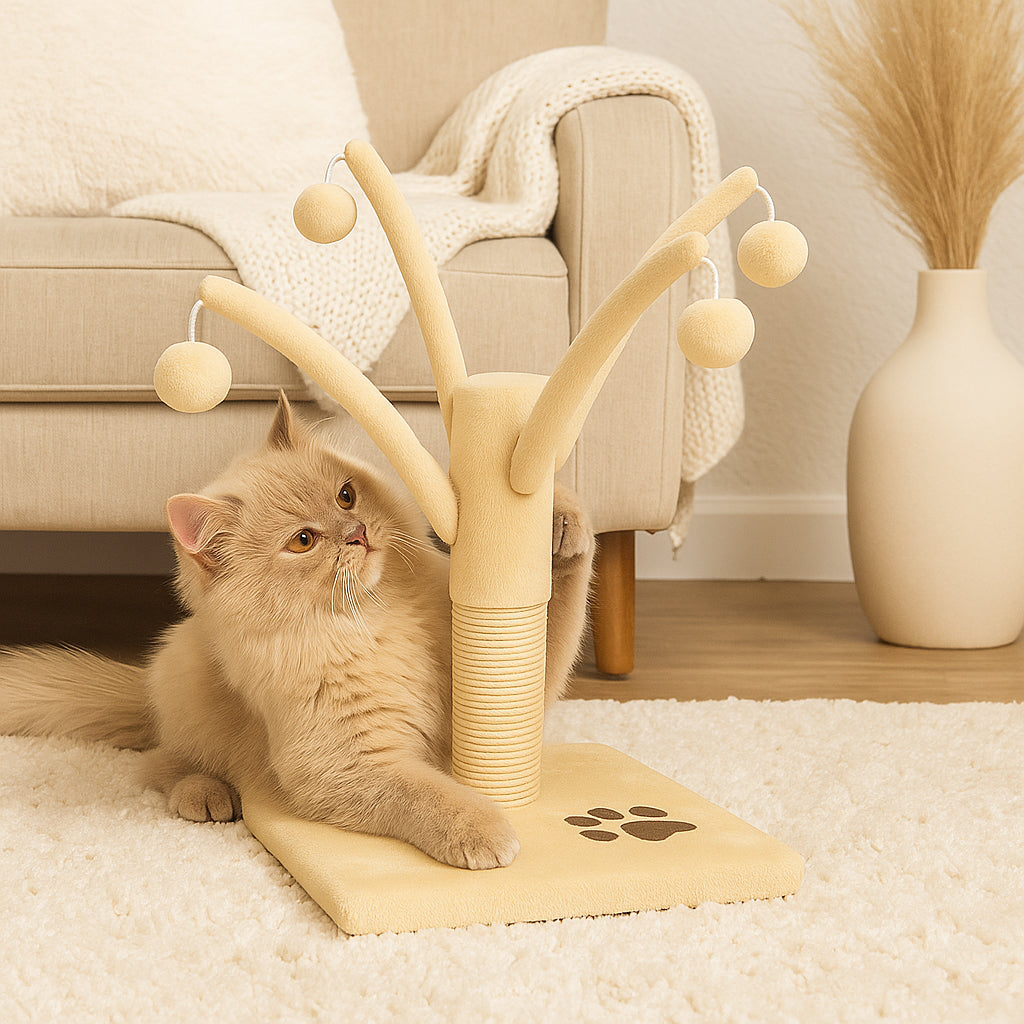
Adding interactive parts can keep your cat interested longer. Think about attaching dangling feathers, bells, or small balls to the scratch toy. These elements stimulate your cat’s hunting instincts and encourage play.
You might also include hidden treats or catnip pockets to reward your cat’s curiosity. What small surprises could you add that would make your cat pounce on the toy every time?
Credit: majesticpet.com
Maintaining And Replacing Scratch Toys
Maintaining and replacing scratch toys is essential to keep your cat engaged and healthy. Over time, scratch toys wear out and lose their appeal, which might cause your cat to look for other, less desirable surfaces to scratch. Staying on top of cleaning and knowing when to swap out toys ensures your feline friend stays happy and your home stays scratch-free.
Cleaning Tips
Regular cleaning helps keep scratch toys inviting for your cat. Use a vacuum or lint roller to remove fur and debris from fabric or sisal surfaces. For wooden parts, wipe them down with a damp cloth and mild soap to avoid buildup of dust and dirt.
Avoid harsh chemicals that could harm your cat or leave strong odors. Instead, try natural cleaners like diluted vinegar or baking soda solutions. Cleaning not only refreshes the toy but also helps you spot any damage early.
When To Replace
How do you know it’s time to replace a scratch toy? Look for frayed or broken materials that could be unsafe. If the sisal is worn down to the base or the structure wobbles, it’s a sign the toy has reached the end of its life.
Also pay attention to your cat’s interest level. If they stop using a scratch toy despite your encouragement, it might be time for a new one. Remember, fresh textures and shapes can reignite your cat’s scratching enthusiasm.
Encouraging Use
Encouragement can make all the difference in how your cat uses a scratch toy. Sprinkle catnip or place toys near your cat’s favorite resting spots to catch their attention. Sometimes, moving the toy to a different room can spark curiosity.
Try playing with your cat around the scratch toy using interactive toys like feathers or laser pointers. Your involvement helps your cat associate the scratch toy with fun and comfort. What small changes could you make to keep your cat coming back to their scratch toy?
Safety Tips For Diy Cat Toys
Making scratch toys for cats at home is fun and rewarding. Safety must be a top priority. Unsafe toys can harm your cat or cause accidents. Follow these safety tips to keep your furry friend happy and secure.
Avoiding Hazardous Materials
Choose only non-toxic materials for your cat’s toys. Avoid plastics that can break into sharp pieces. Skip small parts that your cat might swallow. Use natural fabrics like cotton or sisal for scratching surfaces. Stay clear of paint or glue with harmful chemicals.
Supervision During Play
Watch your cat while it plays with new DIY toys. Some toys can fall apart or create choking risks. Be ready to take the toy away if it breaks. Supervision helps you spot dangers early and prevent injuries. It also shows your cat the toy is safe and fun.
Inspecting For Wear And Tear
Check toys regularly for signs of damage. Look for loose threads, broken parts, or sharp edges. Repair or replace worn toys quickly. Damaged toys can hurt your cat’s paws or mouth. Regular inspection keeps playtime safe and enjoyable.
Frequently Asked Questions
What Materials Are Best For Making Cat Scratch Toys?
Use natural materials like sisal rope, cardboard, and untreated wood. These are safe and durable for cats to scratch and play with.
How Do I Make A Scratch Toy Safe For My Cat?
Avoid toxic glues, sharp edges, and small parts. Use pet-safe materials and ensure all parts are securely attached.
Can Homemade Scratch Toys Keep Cats Entertained?
Yes, homemade toys stimulate cats mentally and physically. They provide a fun, engaging alternative to store-bought toys.
How Often Should I Replace Diy Cat Scratch Toys?
Replace toys when worn out or damaged. Regular replacement keeps cats interested and prevents injury from broken parts.
Conclusion
Making scratch toys for cats is fun and saves money. Use simple materials found at home. Cats enjoy toys that are safe and easy to scratch. Changing toys often keeps cats interested and active. Building toys yourself shows love and care for your pet.
Try different designs to see what your cat likes best. Happy cats mean happy homes. Start creating today and watch your cat play joyfully.

Leave a Reply