If you’ve ever wondered what happens when you feed a kitten adult cat food, you’re not alone. You want the best for your furry friend, but sometimes it’s easy to mix up their meals.
Feeding your kitten the wrong food can affect their growth, health, and energy levels. You’ll discover the surprising effects of adult cat food on kittens and why choosing the right diet matters more than you think. Keep reading to make sure you’re giving your kitten the best start in life.
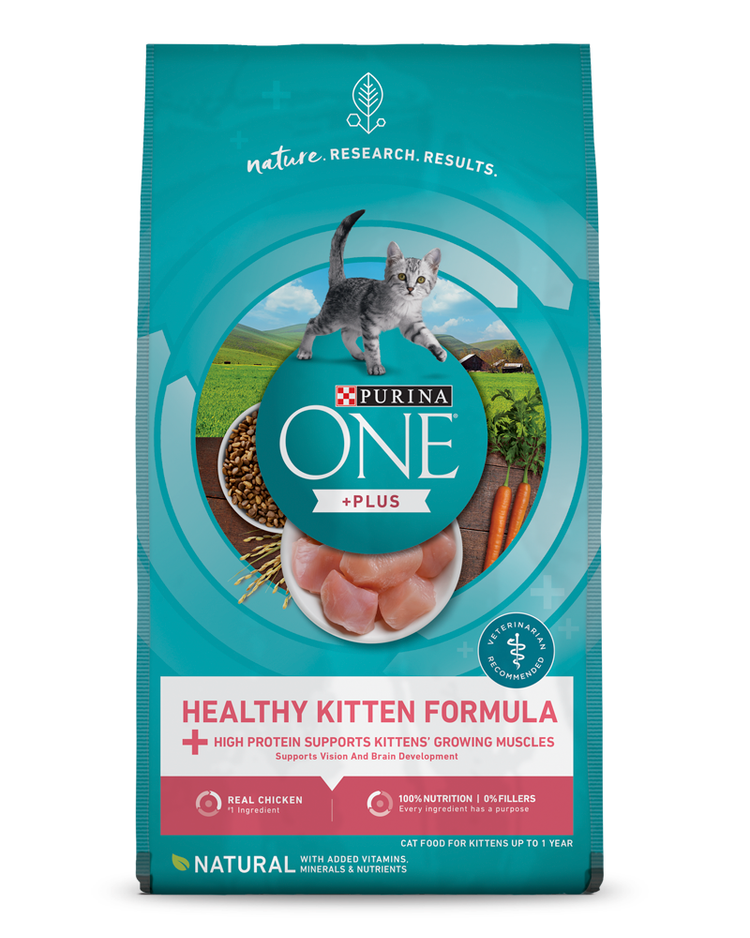
Credit: www.purina.com
Kitten Nutritional Needs
Understanding your kitten’s nutritional needs is crucial for their healthy growth and development. Kittens require more than just food; they need a balanced diet tailored to their rapid growth phase. Feeding them adult cat food might seem convenient, but it often misses the mark on what their bodies demand at this stage.
Essential Nutrients For Growth
Kittens need higher amounts of protein and fat compared to adult cats. Protein supports muscle development, while fat provides the energy needed for their active lifestyle. Key nutrients like taurine, DHA, and calcium are vital for eye health, brain development, and strong bones.
Without these nutrients in the right amounts, kittens can develop health problems or grow slower than expected. Have you ever noticed your kitten lacking energy or not growing as quickly? That could be a sign their diet isn’t meeting these essential needs.
Calorie Requirements
Kittens burn calories faster than adult cats due to their playful nature and growth spurts. They need significantly more calories per pound of body weight. Feeding them adult cat food, which is often lower in calories, may leave them hungry or cause them to miss out on vital energy.
Think about how often you need to eat snacks when you’re busy and active. Kittens are no different—they require frequent, nutrient-dense meals to keep up. Ignoring their calorie needs can stunt their growth and reduce their vitality.
Differences From Adult Cats
Adult cat food is formulated to maintain health, not to fuel growth. It usually contains less protein, fat, and specific vitamins that kittens require. Feeding adult food to kittens can lead to nutrient deficiencies that affect their immune system and organ development.
Have you ever tried to build something without the right tools? Feeding a kitten adult food is similar—they don’t get the “tools” they need for healthy growth. Your kitten’s diet should be as unique as their needs during this crucial stage.
Ingredients In Adult Cat Food
Understanding the ingredients in adult cat food is crucial if you’re considering feeding it to your kitten. Adult cat food is formulated with different nutritional needs in mind, which can affect your kitten’s growth and health. Let’s break down what’s typically inside adult cat food and why it matters for your young feline friend.
Protein And Fat Content
Adult cat food usually contains lower protein and fat levels compared to kitten food. Kittens require more protein to support their rapid growth and muscle development.
If you feed your kitten adult food, they might not get enough of these vital nutrients. This can slow their growth and reduce their energy levels. Have you noticed your kitten seeming less playful or active? It might be linked to what they’re eating.
Vitamin And Mineral Levels
Vitamins and minerals in adult cat food are balanced for maintenance, not growth. Essential nutrients like calcium and phosphorus are often lower in adult formulas.
Kittens need higher amounts of these minerals to build strong bones and teeth. Feeding adult food could lead to nutritional gaps that impact your kitten’s development. How confident are you that your kitten’s food covers all their vitamin needs?
Additives And Preservatives
Adult cat food may contain different types and amounts of additives and preservatives. These ingredients help keep the food fresh longer but can sometimes be harsher on a kitten’s sensitive digestive system.
Some additives might cause mild stomach upset or allergies in younger cats. Paying attention to ingredient lists can help you avoid unnecessary additives that don’t benefit your kitten.
Impact On Kitten Health
Feeding a kitten adult cat food can have serious consequences on their health. Kittens have unique nutritional needs that support rapid growth and development. Ignoring these needs can lead to immediate and long-term problems that affect their well-being.
Digestive Issues
Adult cat food is often richer and denser than kitten food, which can be hard on a kitten’s sensitive digestive system. You might notice vomiting, diarrhea, or constipation if your kitten consumes adult food regularly. These symptoms occur because their digestive enzymes and gut bacteria are not yet equipped to handle the adult formula.
Have you ever seen a young kitten struggle with upset stomachs? It’s a clear sign their diet isn’t matching their needs. You want your kitten’s tummy to be comfortable, not a source of distress.
Nutrient Deficiencies
Kittens require higher levels of certain nutrients like protein, fat, calcium, and vitamins to support their growth. Adult cat food usually contains lower amounts of these essential nutrients. Feeding your kitten adult food can cause deficiencies that slow down their development and weaken their immune system.
- Low protein intake may lead to poor muscle growth.
- Insufficient calcium can affect bone strength.
- Inadequate vitamins may impair vision and brain development.
Think about how crucial these nutrients are for a kitten’s first months. Can you afford to risk their health by feeding them the wrong food?
Growth And Development Concerns
Proper growth depends on balanced nutrition tailored for kittens. Adult cat food lacks the precise balance of calories and nutrients needed during this critical stage. Feeding your kitten adult food can stunt their growth, causing smaller size and weaker bones compared to those fed kitten-specific diets.
When I switched my kitten too early to adult food, I noticed she was less energetic and smaller than her siblings. This made me realize how important the right food is during their early life. Your kitten deserves the best start—don’t let adult food slow their progress.
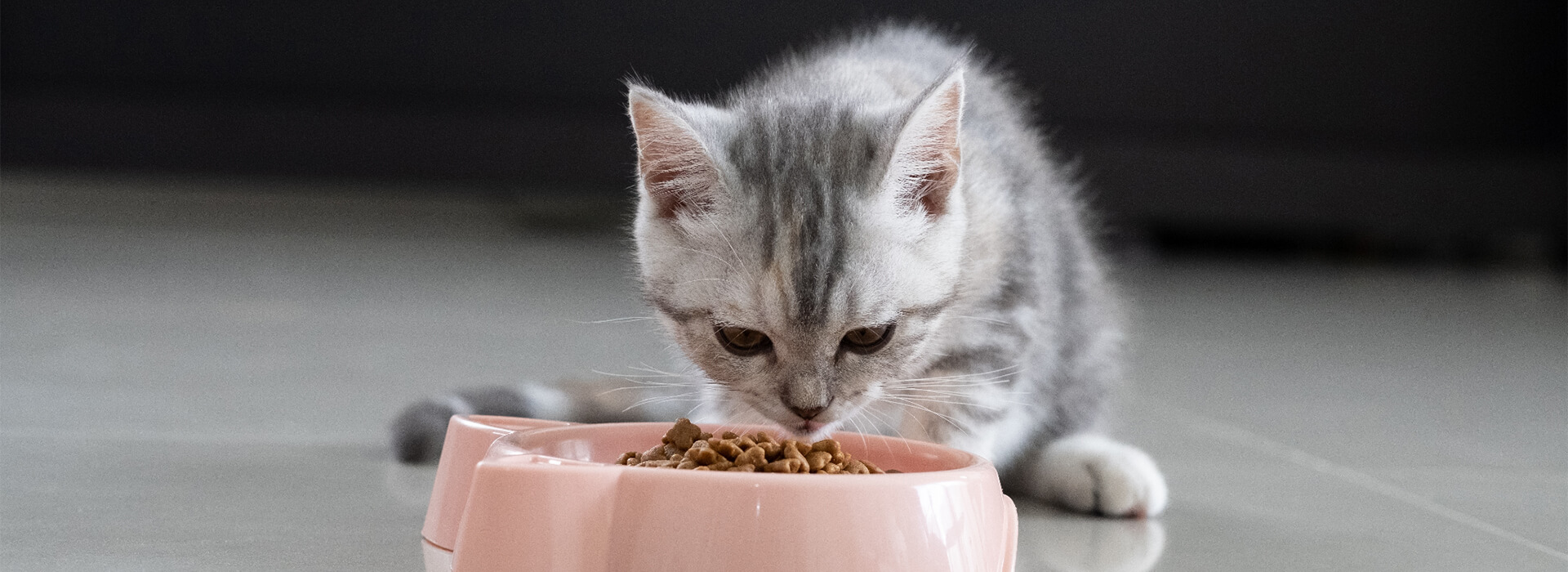
Credit: www.whiskas.co.uk
Long-term Risks
Feeding a kitten adult cat food can cause nutrient gaps that harm growth. Over time, this may lead to weak bones and poor health. Kittens need special food to support their developing bodies properly.
Feeding a kitten adult cat food may seem harmless. Yet, it poses several long-term risks. Young kittens require specific nutrients for healthy growth. Adult cat food lacks these essential nutrients. Over time, this can lead to serious health issues.Weakened Immune System
Kittens need vital vitamins and minerals. These elements boost their immune system. Adult cat food often falls short in these nutrients. A weakened immune system makes kittens prone to infections. They might catch colds or other illnesses easily.Behavioral Changes
Diet affects behavior in many animals, including kittens. A poor diet can lead to lethargy. Kittens may become less playful and active. It might also cause anxiety or aggression. Proper nutrition helps maintain a kitten’s energy and mood.Potential Chronic Conditions
Feeding adult cat food to kittens can cause long-term health issues. They may develop chronic conditions like obesity or diabetes. Inadequate nutrition can also impact bone development. This might lead to joint problems in adulthood. Proper kitten food supports healthy growth and prevents these issues.Signs Your Kitten Needs Different Food
Kittens need special nutrition to grow strong and healthy. Adult cat food lacks some important nutrients for kittens. Feeding adult food to kittens may cause problems over time. Watch for signs that your kitten needs different food. These signs can help you choose the right diet for your kitten’s growth and energy.
Weight Loss Or Poor Weight Gain
Kittens should gain weight steadily as they grow. Feeding adult cat food can slow down their weight gain. Some kittens might even lose weight. This happens because adult food has fewer calories and less protein. Check your kitten’s weight often. If your kitten is not gaining weight or losing it, the food might not be right.
Lethargy And Low Energy
Kittens are usually very playful and active. Adult cat food may not meet their high energy needs. Low energy and sluggish behavior could appear. Your kitten may sleep more and play less. Lack of energy is a clear sign the food lacks nutrients. Kittens need food that fuels their busy, growing bodies.
Coat And Skin Problems
Healthy kittens have soft, shiny fur and clear skin. Poor nutrition from adult food can cause dryness or dullness. You might see flaky skin or hair loss. These problems show your kitten’s food lacks essential fats and vitamins. A proper kitten diet supports skin health and a glossy coat.
Transitioning To Adult Food Safely
Transitioning your kitten to adult cat food is a crucial step in their growth journey. Making this change safely ensures they get the right nutrients without upsetting their digestion. It’s not just about swapping bowls; it’s about caring for your kitten’s health and comfort during this shift.
When To Switch
Your kitten should start moving to adult food around 9 to 12 months old. This timing depends on their breed and growth rate. Larger breeds might need more time, while smaller ones may be ready sooner.
Watch your kitten’s behavior and energy levels. Are they still growing rapidly, or have they slowed down? These clues can help you decide the best moment to switch.
Gradual Food Changes
Sudden changes can upset your kitten’s stomach. To avoid this, mix a small amount of adult food with their kitten food at first.
- Start with 25% adult food and 75% kitten food for 3 days.
- Increase to 50% adult food and 50% kitten food for the next 3 days.
- Move to 75% adult food and 25% kitten food for another 3 days.
- Finally, feed 100% adult food.
This slow transition helps their digestive system adjust without causing diarrhea or vomiting. Have you noticed how your kitten reacts when trying new foods? Patience here makes a big difference.
Monitoring Health During Transition
Keep an eye on your kitten’s appetite and stool quality. Any sudden refusal to eat or changes in bathroom habits could signal a problem.
Look for signs like lethargy, vomiting, or diarrhea, which may mean the new food isn’t agreeing with them. If you spot these, pause the switch and consult your vet.
Remember, your kitten relies on you to guide them through this change smoothly. How confident do you feel about recognizing subtle health changes during this phase?
Choosing The Right Kitten Food
Choosing the right food for your kitten is crucial to support its rapid growth and development. Kittens have different nutritional needs compared to adult cats, so feeding them the appropriate diet can make a big difference in their health and energy levels. Understanding what to look for and how to select the best options will help you give your kitten a strong start in life.
Reading Labels
Look closely at the ingredients on the packaging. Kittens need food rich in protein and fat to fuel their growth. Check for real meat as one of the first ingredients rather than fillers like corn or wheat.
Also, make sure the label states the food is formulated specifically for kittens or labeled as “growth” formula. This ensures the presence of essential nutrients like DHA, calcium, and vitamins that adult cat food might lack.
Consulting A Veterinarian
Your vet is an invaluable resource when deciding what to feed your kitten. They can recommend diets based on your kitten’s breed, health status, and lifestyle.
Don’t hesitate to ask about transitioning from kitten food to adult food. Your veterinarian’s advice can prevent nutritional mistakes and help avoid digestive issues or developmental delays.
Top Recommended Brands
Brands like Royal Canin, Hill’s Science Diet, and Blue Buffalo offer highly rated kitten formulas. These brands invest in research and quality control to meet kitten nutritional needs.
Trying a few trusted brands can help you see which one your kitten prefers and tolerates best. Remember, the goal is balanced nutrition that supports their energy and growth, not just what’s most affordable or convenient.
Credit: www.pd.com.au
Frequently Asked Questions
What Happens If Kittens Eat Adult Cat Food?
Kittens may not get enough nutrients from adult cat food. This food lacks essential proteins and fats needed for growth. Feeding it long-term can lead to poor development and health issues.
Can Adult Cat Food Harm A Kitten’s Growth?
Yes, adult cat food can harm a kitten’s growth. It lacks vital vitamins and minerals kittens need. This may result in weak bones, poor immunity, and slower development.
When Should You Switch A Kitten To Adult Cat Food?
Switch to adult cat food after your kitten is 12 months old. By then, their growth slows, and nutritional needs change. Consult your vet for the best transition time.
Is Adult Cat Food Suitable For Kitten’s Digestive System?
Adult cat food is harder for kittens to digest. Kittens need easily digestible, nutrient-rich food to support their immature digestive system. Feeding adult food may cause stomach upset or diarrhea.
Conclusion
Feeding a kitten adult cat food can cause health issues. Kittens need more nutrients for growth and energy. Adult food may lack important vitamins and proteins. This can slow their development and make them weak. Always choose food made just for kittens.
It helps them grow strong and stay healthy. Remember, proper nutrition builds a happy, active cat. Take care with their diet from the start. Small choices now make a big difference later.

Leave a Reply