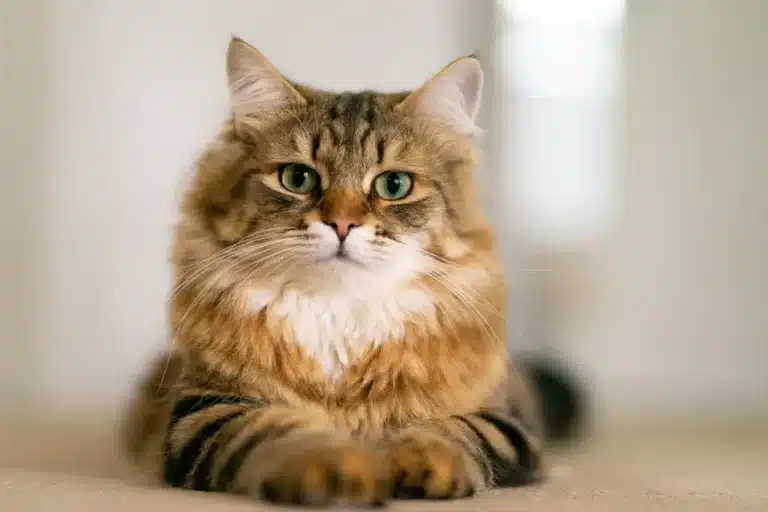
If you have a Siberian cat, you know how special they are. Their thick, beautiful fur needs the right care to stay soft and healthy.
Grooming your Siberian cat isn’t just about looks—it helps keep them comfortable and happy. But how do you do it the right way? This guide will show you simple, effective steps to keep your furry friend looking great and feeling their best.
Keep reading to discover easy tips that make grooming a breeze for both you and your cat.
Siberian Cat Coat Characteristics
The Siberian cat has a unique coat that protects it in cold climates. This breed’s fur is thick and water-resistant. It helps them stay warm during harsh winters. Understanding their coat is key to proper grooming. Knowing the texture and shedding habits makes care easier and more effective.
Fur Texture And Length
The Siberian coat has three layers. The soft undercoat traps heat close to the body. The middle layer adds extra insulation. The top coat has long, glossy guard hairs. These hairs repel water and dirt. Their fur is medium to long in length. It feels dense but silky to touch. This thick coat needs gentle brushing to avoid damage.
Seasonal Shedding Patterns
Siberian cats shed more in spring and fall. This is when their coat changes for the weather. The undercoat loosens and falls out naturally. Shedding helps them stay cool or warm. Regular grooming reduces loose fur around the house. It also prevents mats from forming in their coat. Brushing several times a week is best during these seasons.

Credit: www.petscare.com
Choosing The Right Grooming Tools
Choosing the right grooming tools is essential to keep your Siberian cat’s thick, luxurious coat healthy and shiny. Using the wrong tools can cause discomfort or even damage to their fur and skin. Understanding which tools suit different parts of their coat helps you groom effectively and enjoy the process together.
Brush Types For Different Fur Layers
Your Siberian cat has a dense double coat with a soft undercoat and longer guard hairs on top. This means you’ll need more than one type of brush to handle each layer properly.
- Slicker Brush:Perfect for removing loose fur and preventing mats in the undercoat. It gently detangles without pulling too hard.
- Bristle Brush:Great for smoothing the guard hairs and distributing natural oils, giving your cat’s coat a healthy shine.
- Undercoat Rake:Designed specifically for thick undercoats, this tool reaches deep to remove dead hair and reduce shedding.
Have you noticed your cat’s fur mats forming in specific spots? Using these brushes strategically can keep those areas free from tangles and skin irritation.
Combs And Nail Clippers
While brushes handle the fur, combs and nail clippers are vital for detailed grooming and health maintenance. A wide-tooth comb helps you spot hidden mats early, especially behind ears and under legs.
- Fine-Tooth Comb:Use this to gently work through any stubborn tangles and check for fleas or debris.
- Nail Clippers:Keeping your Siberian’s nails trimmed prevents scratching and injury. Choose clippers designed for cats, with a sharp, precise blade for clean cuts.
Trim nails carefully to avoid the quick, the sensitive part inside the nail. Have you ever accidentally hurt your cat’s paws? Using the right clippers and proper technique can make a big difference.
Daily Grooming Routine
Keeping a Siberian cat well-groomed requires a daily routine. This helps maintain their thick, beautiful coat and prevents skin problems. A short daily grooming session strengthens your bond and keeps your cat comfortable. It also stops mats and tangles from forming, which can cause pain.
Brushing Techniques
Use a wide-toothed comb or a soft-bristle brush. Start brushing from the head and move toward the tail. Brush gently in the direction of hair growth. Focus on areas that shed more, like the neck and belly. Spend a few minutes brushing each day to remove loose fur. This reduces hairballs and keeps the coat shiny.
Checking For Mats And Tangles
Run your fingers through the fur after brushing. Look closely for any knots or tight clumps. Pay special attention behind the ears, under the legs, and near the tail. Gently separate small mats with your fingers or a mat splitter. Avoid pulling hard to prevent hurting the cat. If mats are large, trim carefully or ask a groomer for help.
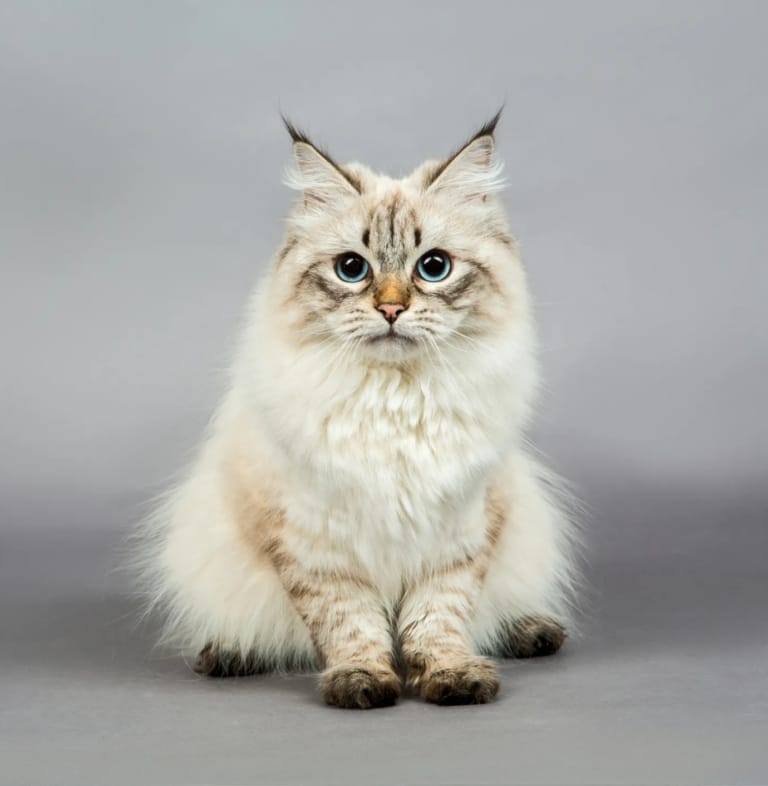
Credit: vogdog.com
Bathing Your Siberian Cat
Grooming your Siberian cat involves gentle bathing to keep its coat clean and healthy. Use lukewarm water and a cat-friendly shampoo. Make sure to rinse thoroughly to remove all soap residue.
Bathing your Siberian cat can be an enjoyable experience if done correctly. These majestic felines are known for their thick, water-repellent coats, which means they don’t require frequent baths. However, periodic bathing can help maintain their lush fur and keep them comfortable. Understanding the right techniques ensures your Siberian cat stays clean and happy without the stress.Frequency And Timing
Determining how often to bathe your Siberian cat depends on their lifestyle. Indoor cats may need fewer baths compared to those that venture outside. Ideally, a bath every few months should suffice unless they have rolled in something unpleasant. Consider the seasons when planning bath time. During shedding seasons, a bath can help manage excess fur. However, avoid over-bathing as it can strip their natural oils, leading to dry skin.Safe Shampoo Selection
Choosing the right shampoo is crucial for your Siberian cat’s skin health. Look for shampoos specifically formulated for cats, as human products can be too harsh. Opt for hypoallergenic options to minimize any risk of irritation. Check for natural ingredients that nourish the skin and coat. Ingredients like aloe vera or oatmeal are gentle and soothing. Always conduct a patch test before full use to ensure your cat doesn’t have an allergic reaction. Engaging with your Siberian cat during bath time can strengthen your bond. Have you ever noticed how your cat seems more relaxed when you remain calm? Your demeanor can significantly influence their comfort level during a bath.Maintaining Skin Health
Maintaining your Siberian cat’s skin health is essential for their overall well-being. Healthy skin supports a shiny coat and prevents discomfort caused by itching or infections. Paying close attention to your cat’s skin can save you from costly vet visits and keep your furry friend happy and active.
Identifying Common Skin Issues
Watch for redness, dryness, or flaky patches on your cat’s skin. These signs often indicate irritation or allergies. If you notice your Siberian scratching more than usual or grooming excessively, it might be a signal that something is wrong.
Another common problem is hot spots—these are moist, irritated areas caused by scratching or biting. You might also see small bumps or scabs that could be a sign of parasites like fleas. Regularly checking your cat’s skin can help you catch these problems early.
Preventive Care Tips
Brushing your Siberian’s coat regularly removes dead hair and distributes natural oils, which keeps the skin moisturized. Use a gentle brush designed for long-haired cats to avoid scratching their skin.
Bathing your cat occasionally with a mild shampoo made for felines can reduce dirt and allergens on the skin. Make sure to rinse thoroughly and dry your cat well to prevent irritation.
- Feed a balanced diet rich in omega-3 and omega-6 fatty acids to support skin health.
- Keep your home clean to reduce exposure to dust and allergens.
- Use flea control products recommended by your vet to prevent parasite-related skin issues.
Have you ever noticed your Siberian grooming less or more than usual? These changes can hint at underlying skin discomfort. Paying attention to such behaviors will help you act quickly and keep your cat comfortable.
Diet And Coat Quality
The diet of a Siberian cat plays a key role in maintaining its thick, beautiful coat. A balanced diet supports healthy fur by providing essential nutrients. Without proper nutrition, the coat can become dull and brittle. Feeding the right foods helps keep the fur soft, shiny, and strong.
Quality proteins and fats are especially important. These nutrients help the skin produce oils that protect the fur. Hydration also matters. Moisture in the diet helps prevent dry skin, reducing shedding and irritation. Paying attention to your cat’s diet improves coat health naturally and visibly.
Nutritional Needs For Healthy Fur
Siberian cats need a high-protein diet to build strong fur. Proteins supply the amino acids that form keratin, the main fur component. Look for cat food with real meat listed first. Avoid fillers like corn or wheat that offer little benefit.
Healthy fats like omega-3 and omega-6 keep the skin hydrated. These fats reduce inflammation and improve shine. A diet rich in vitamins A, E, and B-complex supports skin repair and fur growth. Minerals like zinc and copper also play a vital role in coat quality.
Supplements That Help
Sometimes food alone does not provide enough nutrients. Supplements can fill these gaps and boost coat health. Fish oil capsules are a popular choice for omega-3 fatty acids. They help reduce shedding and add shine.
Biotin supports fur strength and reduces hair loss. It is often added to commercial cat supplements. Consult a vet before starting any new supplement. Too much of certain vitamins or minerals can cause harm.
Probiotics improve digestion, helping your cat absorb nutrients better. This indirectly benefits the coat by enhancing overall health. A well-fed Siberian cat will show its beauty through a thick, glowing coat.
Handling Seasonal Changes
Seasonal changes affect a Siberian cat’s coat and grooming needs. Their thick fur adapts to temperature shifts. Adjusting grooming routines helps keep them healthy and comfortable all year.
Adjusting Grooming In Winter
During winter, a Siberian cat grows a dense undercoat. This helps keep warmth but can mat easily. Brush your cat more often to prevent tangles. Use a wide-tooth comb to reach the undercoat gently.
Check for dry skin or flakes. Apply a moisturizing pet spray if needed. Keep the brushing sessions calm and short. This avoids stress and builds trust.
Managing Summer Shedding
In summer, Siberian cats shed their thick undercoat. Shedding can be heavy and messy. Brush daily to remove loose fur and reduce hairballs. A slicker brush works well for this task.
Keep your cat hydrated and cool. A healthy diet helps the coat stay shiny. Regular grooming also supports skin health and comfort during hot months.
When To Visit The Vet
Knowing when to visit the vet for your Siberian cat is crucial for maintaining a healthy and beautiful coat. Regular grooming helps, but some issues require professional attention. Ignoring early signs can lead to discomfort or serious health problems for your furry friend.
Signs Of Coat Or Skin Problems
Watch for unusual hair loss or bald patches that don’t improve with regular brushing. Your cat may scratch or lick excessively, which could signal irritation or parasites.
Look out for red, inflamed, or scaly skin. These symptoms often point to allergies, infections, or fungal issues. If your Siberian’s coat feels greasy or has an unpleasant odor, it’s time to get a vet’s opinion.
Have you noticed your cat’s fur becoming dull or matted despite your grooming efforts? This might mean an underlying health concern affecting their skin or coat quality.
Professional Grooming Advice
Veterinarians can recommend specific shampoos or treatments tailored to your Siberian’s skin condition. They also offer advice on how often your cat should be bathed or brushed, depending on their lifestyle and coat health.
Sometimes, professional grooming combined with vet care can prevent more serious problems. A vet might suggest supplements or dietary changes to improve coat shine and strength.
Don’t hesitate to ask your vet about the best grooming tools and techniques. Their insights will help you keep your Siberian’s coat soft, clean, and healthy all year round.

Credit: www.siberianreinhardt.com
Frequently Asked Questions
How Often Should I Groom My Siberian Cat?
Siberian cats need grooming 2-3 times a week. Regular brushing prevents matting and reduces shedding. During heavy shedding seasons, daily grooming is ideal to keep their coat healthy and clean.
What Tools Are Best For Grooming A Siberian Cat?
Use a slicker brush and a wide-toothed comb. These tools help remove loose fur and detangle knots gently. Avoid harsh brushes to protect their soft, dense coat.
Can Grooming Reduce Siberian Cat Shedding?
Yes, regular grooming significantly reduces shedding. Brushing removes loose hair before it falls off. It also helps maintain a healthy skin and coat, minimizing hair around your home.
How Do I Prevent Mats In My Siberian Cat’s Fur?
Brush your Siberian’s fur regularly, focusing on areas prone to tangles. Use a detangling spray if needed. Promptly remove any small mats before they worsen to keep the coat smooth.
Conclusion
Grooming a Siberian cat keeps its coat healthy and shiny. Regular brushing stops mats and reduces shedding. Clean ears and trimmed nails prevent discomfort and infections. A calm, gentle approach makes grooming easier for both you and your cat. Patience and care build trust over time.
Enjoy the bonding moments during each grooming session. Your Siberian will look great and feel happy. Keep these simple steps in your routine for a well-groomed pet.


Leave a Reply