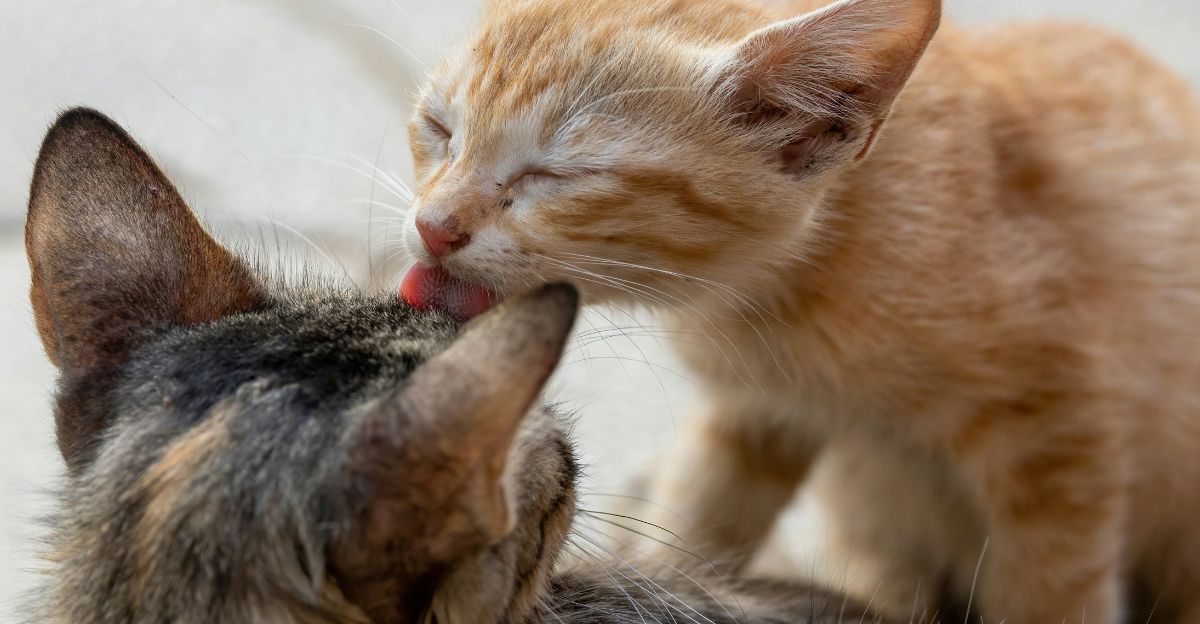
Have you ever watched cats gently licking each other and wondered why they do it? It’s more than just keeping clean.
When cats groom each other, they’re sharing a special bond that goes beyond what meets the eye. Understanding this behavior can give you a deeper look into your cat’s feelings and social life. Keep reading, because what you’ll learn might surprise you and help you connect with your furry friend in a whole new way.

Credit: catcuddlezone.com
Social Bonding
Social bonding is a key reason why cats groom each other. This behavior goes beyond simple hygiene—it helps cats build trust and maintain peaceful relationships. When you watch cats gently licking one another, you’re witnessing a silent conversation of friendship and care.
Strengthening Relationships
Grooming is a powerful way cats show they care. It reduces tension and calms nerves, making group living more comfortable. Have you noticed how your cats often groom after a play session? This act helps repair any friction and keeps their connection strong.
When cats groom each other, they share their unique scent. This creates a shared identity within the group. You can think of it as a natural way to say, “We belong together.”
Family Connections
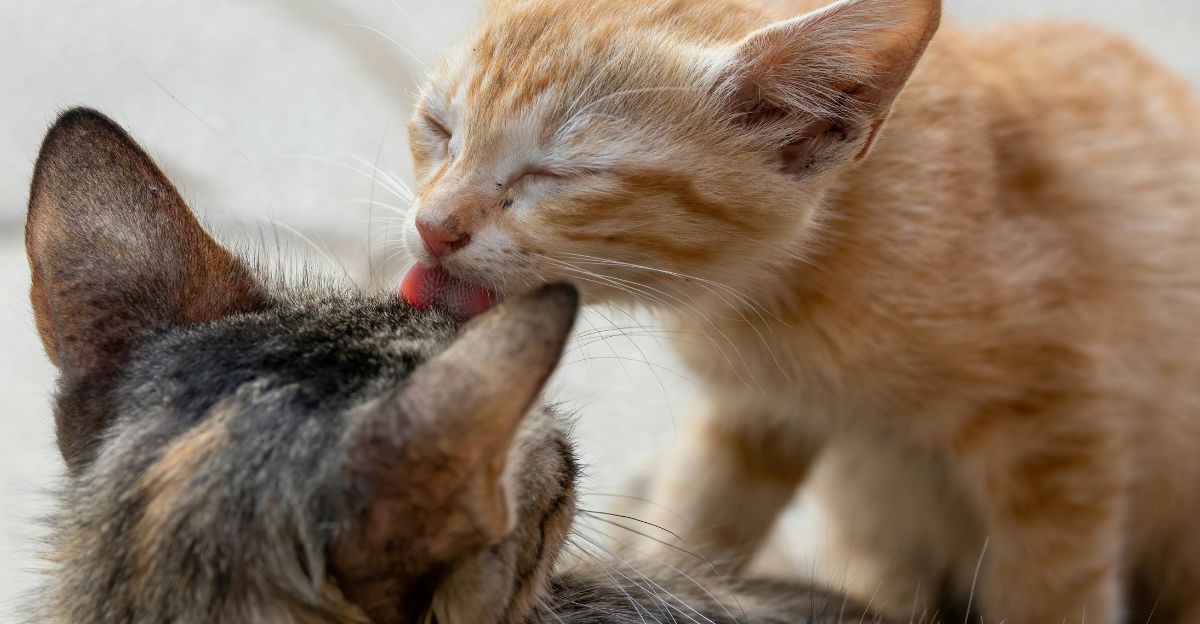
Mother cats often groom their kittens, teaching them essential skills and offering comfort. This grooming builds a deep bond that lasts a lifetime. Even adult cats from the same family continue this behavior to reinforce their close ties.
Think about your own cats—do they groom their siblings or close companions? This behavior signals a safe and loving environment. It’s nature’s way of keeping family units united and secure.

Credit: basepaws.com
Mutual Grooming Benefits
Mutual grooming is more than just a social activity for cats. It offers key health and comfort benefits. Cats use this behavior to care for each other, building trust and bonds. The act helps them reach difficult areas and maintain cleanliness.
Accessing Hard-to-reach Spots
Cats cannot easily clean every part of their bodies alone. Areas like the back of the head and neck are tough to reach. Grooming each other solves this problem. One cat helps the other by licking and cleaning these spots. This keeps their fur smooth and free of dirt. It also prevents skin problems caused by missed spots.
Reducing Parasites
Mutual grooming helps control parasites such as fleas and ticks. Cats use their tongues to remove these pests from each other’s fur. This lowers the risk of skin irritation and infections. Regular grooming also helps spot parasites early. Removing them quickly prevents bigger infestations. This natural cleaning keeps both cats healthier and more comfortable.
Stress Relief And Comfort
When cats groom each other, it’s more than just keeping clean. This behavior plays a key role in reducing stress and providing comfort. Understanding why your cats engage in this mutual grooming can reveal much about their emotional state and social bonds.
Calming Effect
Mutual grooming helps cats relax by lowering their stress levels. The gentle licking releases endorphins, which act like natural stress relievers. Have you noticed how your cats seem calmer and more content after grooming each other?
This calming effect is similar to how humans might enjoy a soothing touch or massage. It helps them feel safe and secure in their environment. If your cat is anxious, encouraging gentle interaction with a feline friend might be a good way to ease their nerves.
Building Trust
When cats groom one another, they’re showing trust and acceptance. This act is a silent way of saying, “I feel safe with you.” You can see this especially in cats that live together and have formed strong bonds.
Trust doesn’t happen overnight—it’s built through consistent positive interactions like grooming. If your cats start grooming each other, it’s a clear sign they are comfortable and connected. Think about how you feel when someone takes time to care for you; it’s a similar feeling for cats.
Territory Marking
Cats grooming each other is more than just a cute behavior—it plays a key role in how they mark their territory. Through mutual grooming, cats leave behind scents that communicate important information to others. This scent marking helps them establish a shared space and avoid conflicts.
Sharing Scent
When cats groom each other, they transfer their unique scents from one fur coat to another. This creates a blended smell that signals to other animals that these cats belong to the same group. It’s like a natural way of saying, “This is our territory.”
If you watch a pair of cats grooming, notice how thorough they are. They focus on areas with scent glands, such as the head and neck. This shows how important scent sharing is to them.
Group Identity
The mixed scent from grooming helps cats recognize who belongs in their group. It reduces chances of fights because cats can tell if another cat is part of their community or an outsider. This sense of belonging makes them feel safe.
Think about your own pets: have you seen how calm cats are when they are around familiar scents? Grooming strengthens this feeling, reinforcing the bond between cats.
Behavioral Signals
Cats groom each other to build trust and strengthen their bond. This behavior also helps keep their fur clean and free of pests. Grooming shows care and friendship within their group.
Cats grooming each other is a fascinating behavior. It serves various purposes beyond just cleanliness. Observing these interactions reveals much about their social structures. Through grooming, cats communicate important behavioral signals. These signals often indicate their social dynamics and intentions. Understanding these signals can deepen our bond with our feline friends.Submission And Hierarchy
Grooming helps establish and maintain social order among cats. A dominant cat often grooms a more submissive one. This action reinforces the hierarchy within their group. The submissive cat accepts grooming as a sign of respect and acknowledgment. This behavior keeps the peace and strengthens social bonds. It ensures that each cat knows its place within the group.Invitation To Play
Grooming can also signal a playful intent. A cat may groom another to invite it to play. This grooming is usually gentle and brief. It indicates a desire for friendly interaction. After grooming, cats might engage in playful chasing or wrestling. These playful sessions help maintain their physical health. They also strengthen the emotional connection between the cats.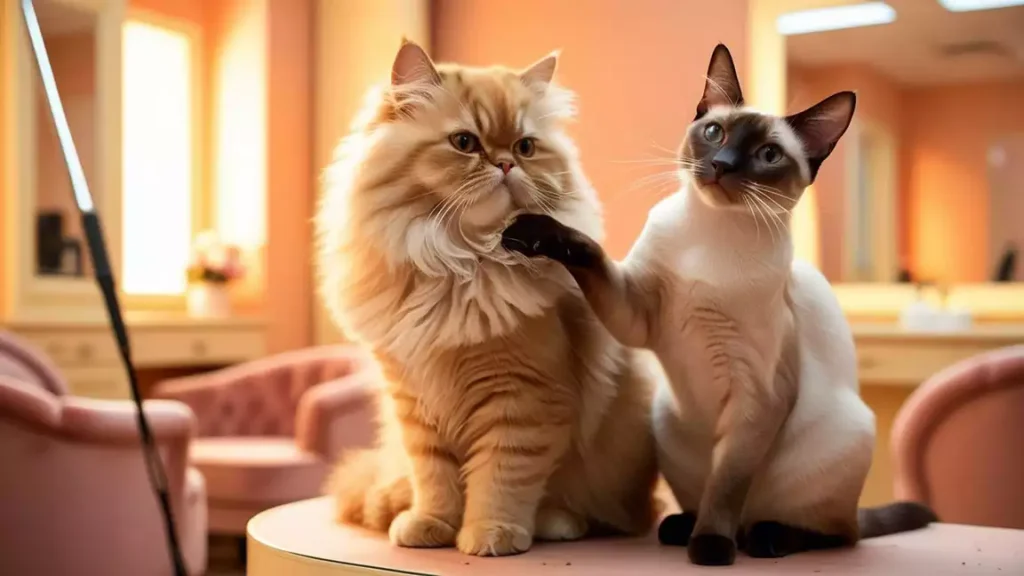
Credit: catgroomerla.com
Frequently Asked Questions
Why Do Cats Groom Each Other Regularly?
Cats groom each other to strengthen social bonds and show affection. It helps maintain group harmony and reduces stress. This behavior also assists in cleaning hard-to-reach areas and sharing scents, which promotes a sense of belonging within the group.
How Does Mutual Grooming Benefit Cats?
Mutual grooming helps cats build trust and friendships. It reduces anxiety and promotes relaxation. Grooming also keeps their coats clean and healthy by removing dirt and parasites. Overall, it supports both physical and emotional well-being.
Is Grooming A Sign Of Cat Friendship?
Yes, grooming is a clear sign of friendship among cats. It indicates trust and comfort with one another. Cats usually groom those they feel close to, reinforcing their social connections within their group or family.
Can Grooming Reduce Stress In Cats?
Absolutely, grooming lowers stress in cats by releasing calming hormones. It creates a soothing environment and strengthens social bonds. This shared activity helps cats feel safe and secure in their surroundings.
Conclusion
Cats groom each other to build trust and friendship. It helps keep their fur clean and healthy. This behavior also reduces stress and shows care. Grooming creates strong bonds in their group. Watching cats groom is a sign of comfort and safety.
Understanding this helps us appreciate their natural habits. It reminds us that cats have their own way to connect. Caring for cats means respecting these social moments too.

Leave a Reply