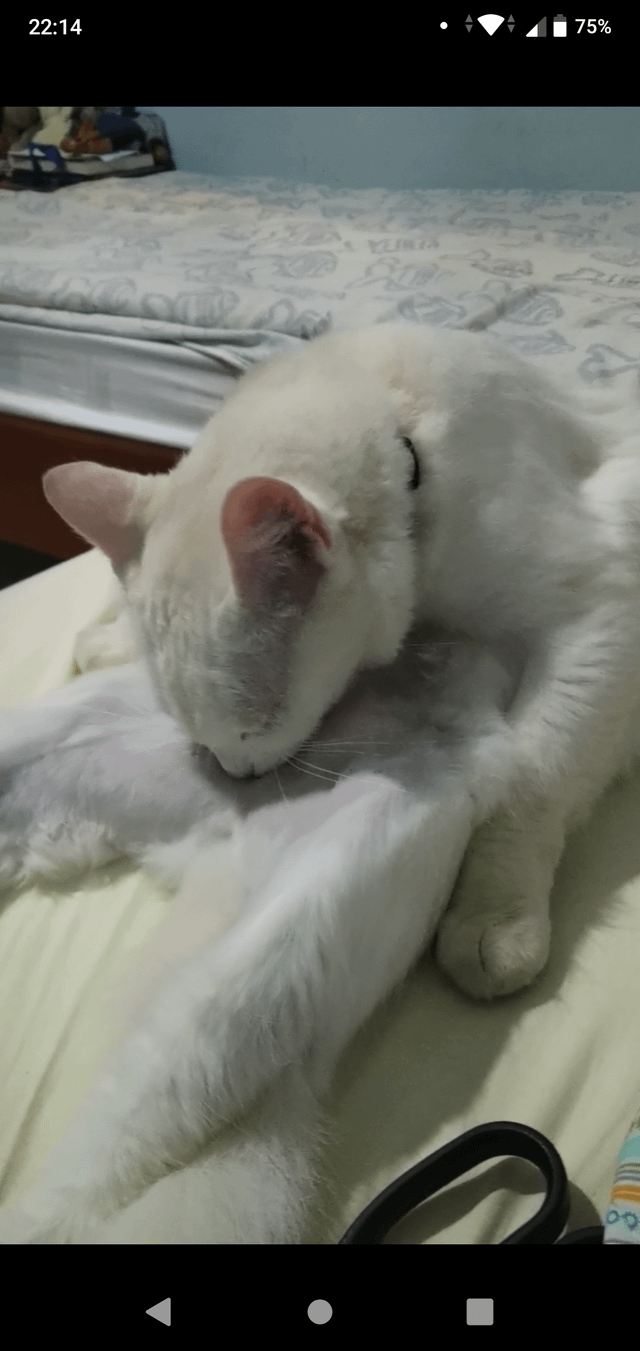
Have you ever noticed your cat grooming himself so loudly that it catches your attention? It might seem unusual or even a bit concerning.
You might wonder, “Is something wrong with my furry friend? ” Understanding why your cat grooms himself loudly can reveal important clues about his health and emotions. Keep reading, because by the end of this article, you’ll know exactly what’s behind those noisy grooming sessions—and how you can help your cat feel more comfortable and happy.
Credit: www.reddit.com
Normal Grooming Sounds
Cats often groom themselves to stay clean and comfortable. Grooming helps remove dirt and loose hair. It also spreads natural oils across their fur. This process is usually quiet or makes soft noises. Understanding these normal sounds helps you know when your cat feels well.
Normal grooming sounds show your cat is relaxed. They can include gentle licking and soft purring. These noises mean your cat enjoys the grooming routine. Paying attention to these sounds can help spot any changes early.
Typical Grooming Noises
- Soft licking sounds as the cat cleans its fur.
- Gentle purring, showing comfort and relaxation.
- Light scratching noises from claws on fur or skin.
- Quiet smacking from the tongue moving quickly.
These sounds are part of a normal grooming session. They do not usually cause concern and show healthy behavior.
When Sounds Are Unusual
- Loud or harsh noises like growling or hissing.
- Repeated coughing or gagging during grooming.
- Sounds of distress, such as yowling or crying.
- Excessive scratching or biting that seems painful.
Unusual sounds may signal discomfort or health problems. Your cat might have skin irritation or an injury. Dental issues can also cause strange grooming noises. Watching your cat closely helps catch these problems early.
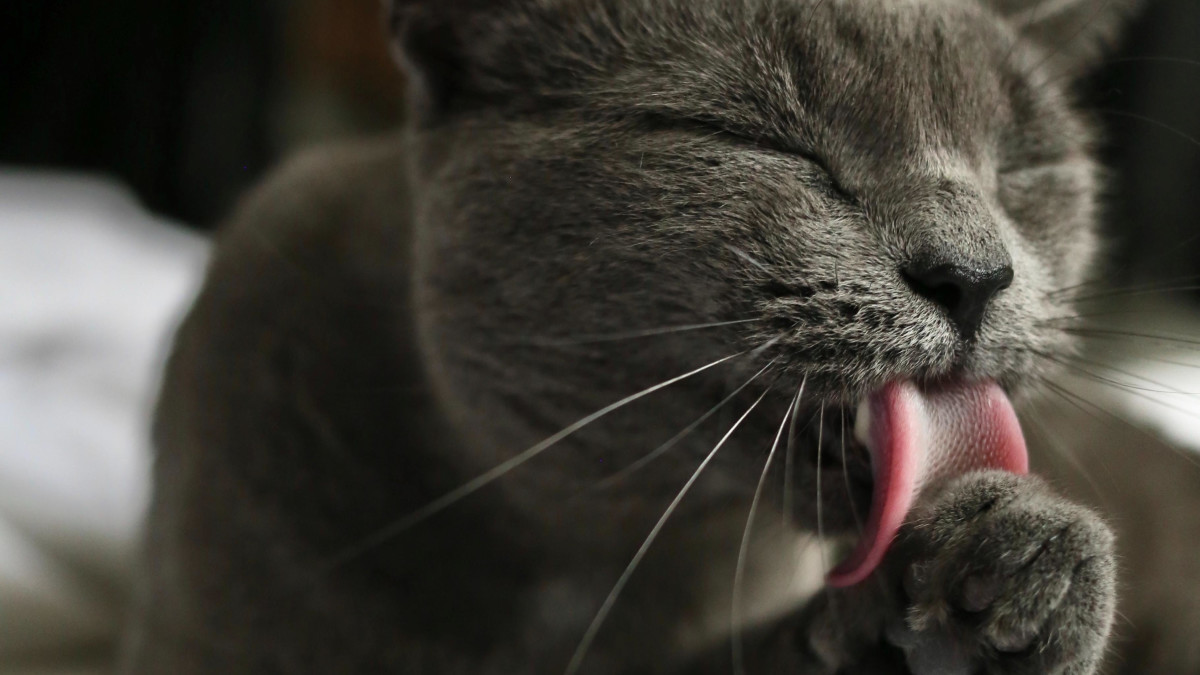
Credit: pethelpful.com
Stress And Anxiety
Stress and anxiety can change how your cat grooms itself. Grooming is a natural way for cats to stay clean and calm. Sometimes, stress makes grooming louder or more intense than usual. This behavior can be your cat’s way of coping with uncomfortable feelings.
How Stress Affects Grooming
Stress can make your cat lick more often and more loudly. It may also cause your cat to groom one spot repeatedly. This can lead to bald patches or skin irritation. Loud grooming sounds happen when your cat uses more force or speed. This behavior helps your cat release tension. It is a sign your cat feels uneasy or scared.
Common Stress Triggers
- Changes in the home, like moving or new furniture
- Introduction of new pets or people
- Loud noises such as fireworks or construction
- Being left alone for long periods
- Unfamiliar smells or environments
Knowing these triggers helps you reduce your cat’s stress. A calm environment can lower loud grooming and improve your cat’s well-being.
Health Issues
Health issues often cause cats to groom themselves loudly. This behavior can signal discomfort or pain. Paying attention to these signs helps catch problems early. Loud grooming might mean your cat struggles with skin, pain, or parasites.
Skin Irritations And Allergies
Cats with skin irritations often lick or scratch loudly. Allergies to food, dust, or pollen cause redness and itchiness. Constant grooming tries to soothe these areas. Watch for bald patches or scabs. These signs show your cat needs help.
Pain And Discomfort
Pain from arthritis or injuries makes grooming noisy. Cats may lick sore spots more than usual. This behavior is a way to ease discomfort. Sudden loud grooming can indicate a new injury. Observe your cat’s movements for stiffness or limping.
Parasites And Infections
Parasites like fleas cause intense itching and loud grooming. Infections from bacteria or fungi also create irritation. Cats groom aggressively to remove pests or clean wounds. Check for fleas, ticks, or unusual skin smell. Treating parasites quickly prevents bigger health problems.
Behavioral Reasons
Cats have unique grooming habits. Sometimes, they groom themselves quite loudly. This behavior often puzzles cat owners. Understanding the reasons behind this can help in addressing it. Behavioral factors often play a significant role in loud grooming habits. Let’s explore some common behavioral reasons.
Attention-seeking Grooming
Cats sometimes groom loudly to get attention. They know their owners respond to noise. This behavior might develop if a cat feels neglected. Loud grooming becomes a way to draw their owner’s focus. Responding with affection or playtime can help reduce this behavior.
Compulsive Grooming Habits
Some cats develop compulsive grooming habits. This can lead to loud, repetitive grooming. Stress or anxiety often triggers this behavior. Changes in the household or routine can be stress factors. Providing a calm environment and routine can help alleviate this. Toys and interactive play also help distract the cat from compulsive habits.
Environmental Factors
Environmental factors play a big role in how your cat grooms itself. Changes around your cat can make it groom more loudly than usual. These changes might cause your cat to feel uneasy or stressed. Understanding these triggers helps you support your pet better.
Noisy Surroundings Impact
Loud noises can startle your cat. Traffic, construction, or loud music might make your cat feel uneasy. Grooming loudly can be a way to cope with this stress. It is a self-soothing behavior. Your cat may also be trying to drown out the noise. This reaction shows how sensitive cats are to sound.
Changes In Routine
Cats like routine and predictability. A change in feeding times, cleaning schedules, or visitors can upset them. This upset can lead to louder grooming as a comfort action. Your cat might feel unsafe or anxious. Loud grooming helps them regain a sense of control. Keeping a steady routine can reduce this behavior.
When To Consult A Vet
Noticing your cat grooming himself loudly can be puzzling, but it’s important to know when this behavior signals a need for professional help. Cats often groom to keep clean and soothe themselves, but loud or excessive grooming might indicate discomfort or health issues. Understanding when to consult a vet helps you act quickly and ensures your furry friend stays healthy and happy.
Signs Of Serious Problems
Watch closely for signs that go beyond normal grooming. If your cat is grooming loudly and obsessively, it might be due to pain or irritation.
- Visible skin issues:Redness, swelling, sores, or hair loss can mean infections or allergies.
- Behavior changes:Increased restlessness, hiding, or aggression might point to discomfort.
- Excessive vocalization:Loud grooming sounds combined with meowing or yowling can indicate distress.
- Loss of appetite or lethargy:These symptoms often accompany underlying health problems.
I once noticed my cat licking his paw loudly and relentlessly. A quick vet visit revealed a minor infection that needed antibiotics. Ignoring it could have made the infection worse.
Preparing For The Vet Visit
Preparing well can make the vet visit smoother for both you and your cat. Gather any observations about your cat’s grooming habits.
- Note when the loud grooming started and any other symptoms you see.
- Record changes in behavior, eating, or litter box use.
- Take photos or videos if possible—these can help the vet understand the problem better.
Bring your cat’s medical history, including vaccination records and any ongoing treatments. This info helps the vet make a faster, accurate diagnosis.
Ask yourself: Have I noticed any triggers or patterns in my cat’s loud grooming? Sharing this can reveal clues about the cause and speed up the healing process.
Tips To Calm Loud Grooming
Loud grooming can be unsettling for both you and your cat. Understanding how to calm this behavior helps create a peaceful home. Here are practical tips to ease your cat’s noisy self-cleaning moments.
Creating A Relaxing Space
Your cat’s environment plays a big role in how they groom. A quiet, cozy spot encourages calm behavior. Try placing a soft bed in a low-traffic area where your cat feels safe and undisturbed.
Consider adding a few familiar blankets or toys. These comfort items can reduce stress and make grooming less frantic. Have you noticed if your cat grooms loudly more in busy or noisy areas?
Using Soothing Products
Products like calming sprays or pheromone diffusers can reduce anxiety in cats. These scents mimic natural signals that promote relaxation. Using these in your cat’s favorite space can lower the intensity of grooming sessions.
Make sure to choose products labeled safe for cats. Always observe your pet’s reaction to new scents. If your cat seems more relaxed, the product is doing its job.
Engaging Your Cat
Sometimes loud grooming comes from boredom or pent-up energy. Regular playtime helps your cat burn off excess energy and reduces stress. Use interactive toys like feather wands or laser pointers to keep your cat active and entertained.
Try short play sessions throughout the day. This can help your cat feel mentally and physically satisfied, leading to quieter grooming habits. How often do you play with your cat daily?
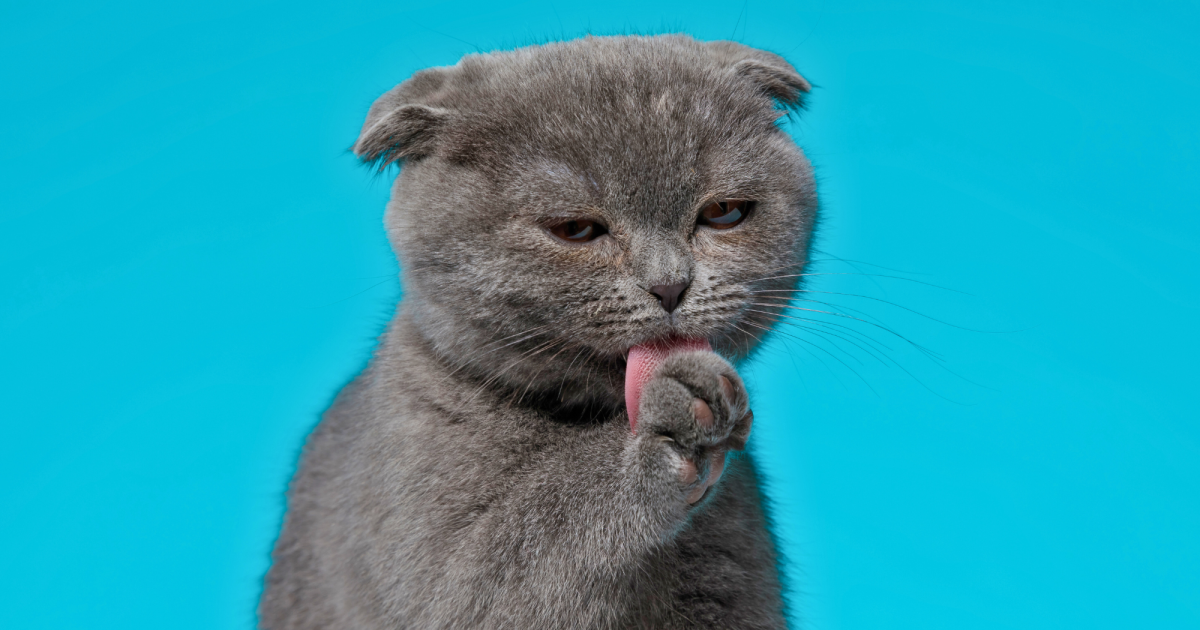
Credit: pethelpful.com
Frequently Asked Questions
Why Does My Cat Groom Loudly?
Cats groom loudly due to the sound of their tongue scraping fur. This noise varies with fur length and grooming intensity. Loud grooming is normal and shows thorough cleaning.
Is Loud Grooming A Sign Of Stress In Cats?
Sometimes, loud grooming indicates stress or anxiety. Cats may groom excessively to self-soothe. Observe for other stress signs and consult a vet if needed.
Can Loud Grooming Indicate Health Problems?
Yes, loud grooming can signal skin issues or pain. Cats may groom more loudly if irritated or itchy. Regular vet check-ups help detect underlying health problems.
How To Reduce Loud Grooming Noises In Cats?
Provide regular brushing to reduce loose fur. This lowers grooming time and sound. Keep your cat comfortable and stress-free to minimize excessive grooming noises.
Conclusion
Cats grooming loudly can mean many things. Sometimes, they feel stressed or itchy. They may want your attention or feel uncomfortable. Watching your cat closely helps you understand its needs. Keep their skin and fur healthy with regular care. If loud grooming lasts long, ask a vet for advice.
Remember, your cat’s comfort matters most. Stay patient and gentle. Your cat will thank you with love and trust.



Leave a Reply