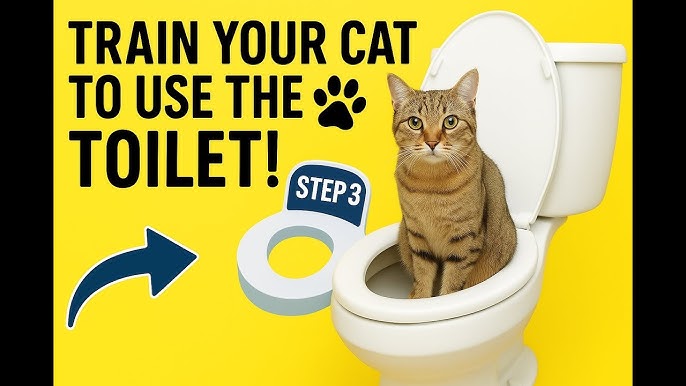
Imagine never having to scoop your cat’s litter box again. No more mess, no more smell, and no more constant refills.
Sounds like a dream, right? But what if you could actually teach your cat to use the toilet instead? Yes, your cat can learn this surprising skill, and it’s easier than you think. You’ll discover simple, step-by-step tips to potty train your cat to the toilet.
By the end, you’ll have a cleaner home and a happier cat. Ready to transform your daily routine? Let’s dive in!
Benefits Of Toilet Training Cats
Training your cat to use the toilet offers more than just convenience. It transforms daily routines and can improve hygiene for both you and your feline friend. Understanding these benefits might inspire you to start toilet training your cat today.
Save Money On Litter And Supplies
One of the biggest advantages of toilet training your cat is cutting down on litter costs. Cat litter can get expensive over time, especially if you have multiple cats. By teaching your cat to use the toilet, you eliminate the need to constantly buy and replace litter.
Additionally, you reduce the mess around your home. No more tracking litter across floors or cleaning clumps from carpets. This saves you time and effort in daily cleaning.
Improve Home Hygiene And Reduce Odors
Toilet training helps keep your home cleaner and fresher. Traditional litter boxes can sometimes harbor odors that are hard to control. Using the toilet means waste is flushed away immediately, cutting down on unpleasant smells.
You also avoid the risk of bacteria spreading from litter boxes. This can be especially important if you have children or guests who are sensitive to strong odors or allergens.
Encourage Your Cat’s Natural Instincts And Confidence
Teaching your cat to use the toilet taps into their natural curiosity and intelligence. It can be a stimulating challenge that boosts their confidence. Many cats take pride in mastering new skills, which can strengthen your bond with them.
Have you noticed how some cats love to explore and learn? Toilet training offers a positive outlet for this behavior, keeping your cat mentally sharp and engaged.
Save Space And Reduce Clutter
Litter boxes can take up a surprising amount of space, especially in smaller homes or apartments. Switching to toilet training frees up that area for other uses. You can reclaim a corner or room and make your living space feel more open.
Without a litter box, you also avoid clutter from litter bags, scoops, and cleaning products. This can make your home look tidier and more organized.
Preparing Your Cat And Bathroom
Preparing your cat and bathroom is the first key to successful toilet training. This phase sets a calm and familiar space for your cat. It helps your pet feel safe and reduces stress during the change.
Start by making your bathroom inviting and accessible. Your cat needs to explore the new area at its own pace. Patience is vital here.
Choosing The Right Bathroom Setup
Select a bathroom your cat can easily reach. Avoid busy or noisy rooms. The toilet should be stable and comfortable for your cat to sit on.
Keep the bathroom clean and dry. Remove any strong smells or chemicals that might scare your cat. A quiet, warm bathroom works best.
- Use a step stool or ramp if the toilet is high.
- Keep the litter box nearby initially.
- Ensure good lighting without glare.
Introducing The Toilet Environment
Let your cat explore the bathroom freely for several days. Watch your cat’s reactions without forcing anything.
Place treats or toys near the toilet to create positive feelings. Allow your cat to sit on the closed toilet seat before moving forward.
Gradually replace the litter box with a training seat over the toilet. This helps your cat get used to the new spot.
Step-by-step Toilet Training Process
Teach your cat to use the toilet by gradually moving its litter box closer to the toilet seat. Replace the litter box with a training seat, then slowly reduce litter until your cat adapts to using the toilet. Patience and consistency are key throughout the process.
Potty training your cat to use the toilet can be a rewarding and somewhat unexpected journey for both you and your feline friend. It requires patience, consistency, and a bit of creativity. By breaking it down into manageable steps, you can gradually introduce your cat to this new way of doing their business. Let’s dive into the step-by-step toilet training process that will transform your bathroom routine.Gradual Litter Box Relocation
Begin by moving your cat’s litter box closer to the bathroom. This change should happen over several days or weeks, depending on how comfortable your cat is with the transition. Slowly shift the litter box closer to the toilet, allowing your cat to get used to the new location. Once the litter box is next to the toilet, elevate it slightly. You can use books or a sturdy box to raise the box a few inches every few days. This helps your cat adjust to the height of the toilet.Using A Training Seat On The Toilet
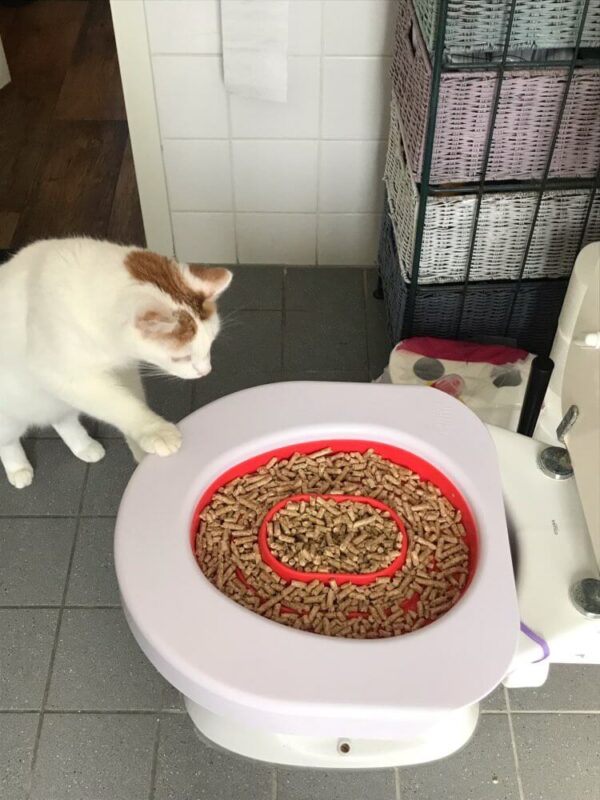
After your cat is comfortable with the elevated litter box, it’s time to introduce a training seat on the toilet. Several products are available that fit over your toilet seat and hold litter. This step helps your cat associate the toilet with their litter box. Ensure the training seat is stable and secure. A wobbly seat might scare your cat and set back your progress. Remember, the goal is to build confidence, not fear.Reducing Litter Gradually
As your cat gets used to the training seat, gradually reduce the amount of litter. Start by removing a small amount each day. This encourages your cat to use the toilet water instead of relying on litter. Monitor your cat’s behavior closely during this stage. If they seem hesitant or stressed, consider slowing down the process. Every cat is different, and adjusting at their pace is crucial.Encouraging Balance And Comfort
Cats need to feel secure and balanced on the toilet seat. Encourage your cat by praising them or offering a small treat when they successfully use the toilet. You might notice your cat experimenting with different positions to find comfort. Let them explore; it’s part of their learning process. Have you ever thought about how adaptable your cat can be? With patience and encouragement, your cat can master the art of toilet use, leaving you both with a more convenient and cleaner bathroom experience.
Credit: www.walmart.com
Common Challenges And Solutions
Potty training your cat to use the toilet is a rewarding process, but it comes with its own set of challenges. Understanding these obstacles and knowing how to address them will help you stay patient and effective. Let’s look at some common issues and practical solutions that can keep your training on track.
Dealing With Resistance
Your cat may resist the new routine because the toilet is unfamiliar and less comfortable than their litter box. To ease this, introduce changes gradually. Start by placing the litter box near the toilet, then slowly raise its height over several days.
Watch your cat’s behavior closely. If they hesitate or seem stressed, pause and give them time to adjust. Sometimes, using treats or gentle encouragement helps them associate the toilet with positive experiences.
Handling Accidents
Accidents are normal during toilet training. Instead of reacting with frustration, clean the area thoroughly to remove any lingering smells that might attract your cat back to the same spot. Use enzymatic cleaners designed for pet stains.
If accidents happen frequently, consider whether your cat might not be ready to progress to the next stage or if the toilet setup is uncomfortable. Reverting to a familiar step for a few days can build confidence and reduce accidents.
Maintaining Hygiene
Keeping the toilet clean is essential for both your health and your cat’s willingness to use it. Flush after every use and clean the seat regularly to avoid odors and stains. You can also keep a small brush nearby for quick touch-ups.
Ensure the toilet lid is always up and the bathroom door remains open. This keeps the environment inviting and prevents your cat from feeling trapped or confused about where to go.
Tips For Long-term Success
Consistency and patience are keys to long-term success in toilet training your cat. The process takes time and effort. Small, steady steps help your cat adjust comfortably. Using positive methods and watching your cat’s habits keeps the training smooth. Adjusting to your cat’s pace avoids stress and setbacks.
Positive Reinforcement Techniques
Reward your cat with treats or praise after each success. Use soft, calm words to encourage good behavior. Avoid punishment to keep your cat happy and motivated. Consistent rewards build trust and make training enjoyable. Small rewards work best for steady progress.
Monitoring Your Cat’s Behavior
Watch your cat’s signals and habits closely. Note any signs of stress or discomfort. Observe how your cat reacts to each training stage. Adjust your approach if your cat seems confused. Regular checks help catch problems early and keep training on track.
Adjusting Training Pace
Move forward only when your cat is ready. Slow down if your cat shows signs of stress. Repeat steps if needed to build confidence. Every cat learns at its own speed. Patience ensures a smoother and lasting toilet training experience.
Credit: advantia.com.au
When To Seek Professional Help
Potty training a cat to use the toilet is a rewarding but sometimes challenging task. While many cats adapt quickly, there are moments when progress stalls or issues arise that you can’t seem to fix on your own. Knowing when to seek professional help can save you time, stress, and ensure your cat’s wellbeing.
Signs That Your Cat May Need Expert Assistance
Watch for persistent accidents outside the litter box or toilet, even after consistent training efforts. If your cat shows signs of stress, like hiding or aggressive behavior, it could indicate anxiety related to potty training.
Health problems might also interfere with training. If your cat urinates frequently, strains, or seems in pain, consult a veterinarian immediately.
How A Veterinarian Can Help During Potty Training
A vet can rule out medical issues such as urinary tract infections, kidney problems, or bladder stones that might cause your cat to avoid the toilet. They can also provide advice on managing stress-related behaviors that affect training.
Sometimes, a vet’s guidance on diet, hydration, and medication can improve your cat’s comfort and willingness to learn new habits.
When To Consult A Cat Behaviorist
If your cat’s behavior doesn’t improve despite addressing medical concerns, a cat behaviorist can analyze environmental triggers and emotional factors. They offer tailored strategies to encourage positive toilet habits.
Behaviorists can also support you in managing setbacks without frustration, helping maintain a healthy bond with your cat throughout the process.
Questions To Ask Yourself Before Seeking Help
- Have I given my cat enough time to adjust to each training step?
- Am I consistent with the training routine every day?
- Have I ruled out any health issues by consulting a vet?
- Is my cat showing signs of anxiety or discomfort?
If you answer “no” to any of these, professional advice might be the missing piece to your training puzzle.

Credit: www.amazon.com.au
Frequently Asked Questions
How Long Does Toilet Training A Cat Take?
Toilet training a cat typically takes 4 to 8 weeks. Consistency and patience are key. Gradually move the litter box closer to the toilet each week to ease the transition.
What Supplies Do I Need For Cat Toilet Training?
You need a special cat toilet training seat, a regular litter box, flushable litter, and patience. These tools help your cat adjust comfortably to using the toilet.
Can All Cats Learn To Use The Toilet?
Most cats can learn, but some may resist due to personality or anxiety. Older cats might take longer or prefer the litter box. Observe your cat’s comfort throughout training.
How Do I Prevent Accidents During Toilet Training?
Keep the training area clean and quiet. Reward your cat for successful attempts. Gradually reduce litter until the cat uses the toilet without hesitation.
Conclusion
Potty training your cat takes time and patience. Stay calm and consistent every day. Celebrate small wins to keep motivated. Remember, some cats learn faster than others. Use gentle encouragement, not force or punishment. Watch your cat’s behavior closely for signs of progress.
Toilet training can save space and reduce litter mess. Enjoy the process and bond with your pet. With care, your cat can learn this new skill. Keep trying, and success will come.



Leave a Reply