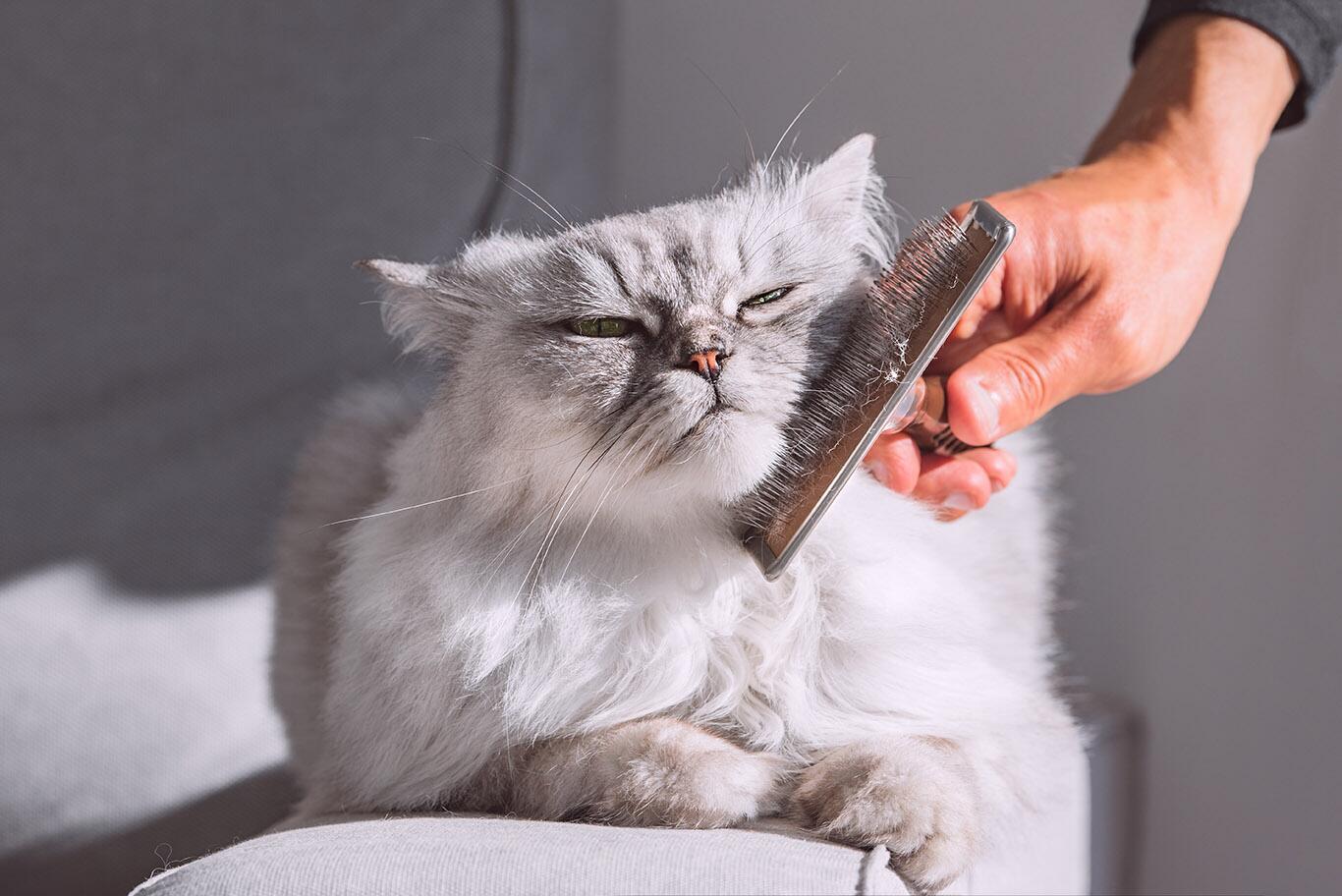
Have you ever wondered what really happens when your cat gets groomed? It’s more than just a quick brush or a bath.
Grooming can change how your cat feels, looks, and even behaves. If you want to understand the surprising benefits and what to expect during the process, keep reading. By the end, you’ll know exactly why grooming is important for your furry friend and how it can strengthen your bond.
Don’t miss out on these insider tips to make grooming easier and more enjoyable for both you and your cat!

Credit: www.angiesmobilepetstyling.com
Why Grooming Matters
Grooming is more than just keeping a cat clean. It plays a key role in their health and happiness. Regular grooming helps prevent skin problems and removes loose fur. It also strengthens the bond between you and your pet.
Natural Grooming Instincts
Cats have a natural urge to groom themselves. They use their tongues to clean their fur and skin. This action removes dirt and parasites. Grooming also helps regulate their body temperature. It soothes them and reduces stress.
But some cats may not groom enough. Old age or illness can make grooming hard. Sometimes, cats over-groom and cause skin damage. Understanding these instincts helps owners support their cats better.
Common Grooming Challenges
Some cats face challenges with grooming. Long-haired cats may get mats and tangles. These can pull the skin and cause pain. Cats with arthritis may find grooming painful. This can lead to poor hygiene and skin issues.
Shedding can be a big problem too. Loose fur can build up and create hairballs. Regular brushing reduces shedding and discomfort. Grooming tools and gentle care make a big difference.
Credit: www.squeakycleangrooming.com
Physical Benefits Of Grooming
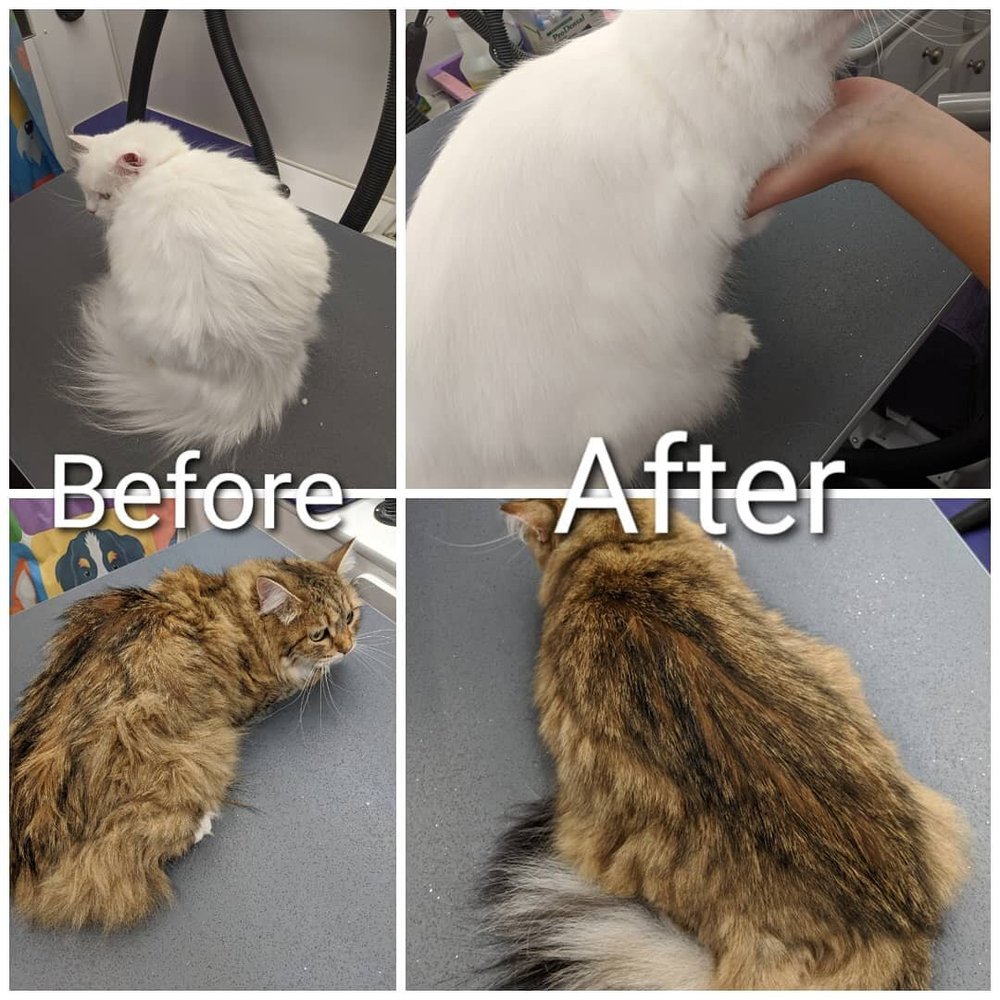
Grooming your cat does more than keep them looking neat. It directly impacts their physical health in ways you might not expect. Regular grooming sessions can transform your cat’s coat, skin, and overall well-being.
Healthier Coat And Skin
Grooming removes dirt, debris, and loose fur from your cat’s coat, allowing their skin to breathe better. This process helps distribute natural oils evenly, making their fur shiny and soft. Have you noticed how a well-groomed cat often looks more vibrant and feels smoother to the touch?
Reduced Hairballs And Shedding
Brushing your cat regularly cuts down on the amount of fur they swallow during self-grooming. This significantly lowers hairball formation, which can cause discomfort and digestive issues. Plus, less shedding means your home stays cleaner, and your allergies might get a break too.
Early Detection Of Health Issues
While grooming, you get a close-up view of your cat’s body that’s hard to achieve otherwise. You might spot unusual lumps, skin irritations, or parasites early on. Catching these problems sooner can lead to quicker treatment and better outcomes for your furry friend.
Emotional And Behavioral Perks
Cats often feel calmer and happier after grooming. It helps reduce stress and stops bad behavior like scratching or biting. Grooming also strengthens the bond between you and your cat.
Cats experience emotional and behavioral benefits from grooming sessions. The process goes beyond mere cleanliness. It offers a comforting and bonding experience. Cats feel more relaxed and confident. Grooming provides a chance to connect with their owners.Stress Relief And Relaxation
Grooming helps cats reduce stress levels. The gentle strokes calm their nerves. This leads to a state of relaxation. Cats often purr when groomed. It signals contentment and peace. Grooming mimics their natural grooming habits. This makes them feel secure and safe.Bonding With Owners
Grooming strengthens the bond between cats and owners. It creates a shared experience. Owners show care through grooming. Cats respond with affection. They trust their owners more. This trust deepens their relationship. Grooming time becomes quality time together.Improved Mood And Confidence
Cats feel happier after grooming. Their mood improves visibly. They gain a sense of well-being. Clean fur boosts their confidence. They move with more grace and pride. Grooming gives them a fresh outlook. Cats enjoy showing off their well-groomed appearance.How Grooming Impacts Cat Hygiene
Grooming plays a vital role in maintaining a cat’s hygiene. It keeps their coat clean and healthy. Regular grooming removes dirt and parasites. It also prevents painful mats and tangles. These benefits help cats feel comfortable and look their best.
Removal Of Dirt And Parasites
Grooming clears away dirt from a cat’s fur. Dust, pollen, and debris get trapped in their coat. Brushing removes these particles effectively. It also helps catch parasites like fleas and ticks early. Removing parasites prevents skin infections and irritation. Clean fur supports healthy skin underneath. Grooming acts as a simple but powerful hygiene tool.
Prevention Of Mats And Tangles
Mats form when fur knots tightly together. They can cause pain and skin problems. Grooming breaks up these knots before they worsen. It smooths the coat and keeps it soft. Preventing mats reduces the chance of sores and infections. Regular brushing encourages natural oil distribution. This keeps fur shiny and prevents dryness.
Tools And Techniques For Grooming
Grooming your cat is more than just a routine; it’s a way to keep them healthy and comfortable. Using the right tools and techniques makes a big difference in how your cat feels during grooming sessions. It also helps you avoid common pitfalls that can cause stress or even injury.
Choosing The Right Brushes
Not all brushes work for every cat. The type of coat your cat has—short, long, curly, or dense—affects the brush you should pick.
- Slicker brushesare great for removing loose fur and preventing mats in long-haired cats.
- Bristle brusheswork well for short-haired cats by distributing natural oils and improving shine.
- Deshedding toolshelp reduce shedding by reaching the undercoat without damaging the top layer.
Have you noticed how your cat reacts to different brushes? Some cats prefer softer bristles, while others enjoy a firmer brush. Paying attention to their comfort can make grooming a positive experience.
Safe Nail Trimming Practices
Trimming your cat’s nails can be intimidating, but safety is key for both of you. Use sharp, specialized nail clippers designed for cats to avoid crushing the nail.
- Hold your cat gently but firmly to reduce sudden movements.
- Trim only the sharp tip, avoiding the pink quick inside the nail to prevent pain and bleeding.
- If you accidentally cut the quick, use styptic powder or cornstarch to stop bleeding immediately.
Do you know what to do if your cat struggles during nail trims? Offering treats and breaks can ease their anxiety and help you gain their trust over time.
Common Grooming Myths Debunked
Many cat owners hesitate to groom their pets regularly because of common myths that can actually harm their feline friends. It’s important to separate fact from fiction to provide the best care. Let’s clear up some misunderstandings about cat grooming that might be holding you back.
Cats Don’t Need Regular Grooming
Some believe cats groom themselves perfectly and don’t need any help. While cats are good at self-cleaning, they can miss areas like under the legs or around the tail. Regular grooming helps remove loose fur and prevents painful hairballs.
I once ignored grooming my long-haired cat, thinking she managed fine. Soon, she developed mats that caused discomfort and skin issues. After starting weekly brushing sessions, she seemed happier and less itchy.
Do you know your cat’s coat type and grooming needs? Short-haired cats need less frequent brushing, but all cats benefit from occasional grooming to check for parasites or skin problems.
Grooming Causes Stress
It’s easy to assume that grooming stresses out cats, but the real cause is often how grooming is done. Rushing through it or using the wrong tools can make your cat anxious. Gentle, slow sessions with positive reinforcement turn grooming into a bonding time.
Try observing your cat’s reactions and stop if they seem uncomfortable. Many cats even start to seek grooming as a way to relax once they associate it with calm and care.
Have you tried breaking grooming into short, frequent sessions? This approach often reduces stress and helps your cat get used to the routine without fear.
Signs Your Cat Needs Grooming
Knowing when your cat needs grooming is important for their health. Cats hide discomfort well. Watch for clear signs they need help with fur care. Grooming keeps their coat clean and skin healthy. It also helps prevent painful problems.
Visible Matted Fur
Matted fur is a strong signal your cat needs grooming. It looks like tangled clumps or knots in their coat. These mats can pull the skin and hurt your cat. They trap dirt and moisture, leading to skin infections. Check areas like behind ears, under legs, and around the neck. Regular brushing stops mats from forming and keeps fur soft.
Excessive Scratching Or Shedding
Scratching more than usual shows your cat might have skin trouble. It can mean dry skin, allergies, or parasites. Too much shedding often points to poor grooming habits or stress. Look for bald patches or irritated skin. Grooming helps remove loose hair and soothes itchy spots. It also spreads natural oils, improving fur condition.
Credit: hellopetsinc.com
Frequently Asked Questions
What Are The Benefits Of Grooming Cats Regularly?
Regular grooming removes dirt, loose fur, and prevents matting. It improves skin health and reduces hairballs. Grooming also helps detect skin issues early and strengthens the bond between cat and owner.
How Does Grooming Affect A Cat’s Behavior?
Grooming calms cats and reduces stress. It can improve mood and prevent aggressive behavior caused by discomfort. Cats often feel more comfortable and confident after grooming sessions.
Can Grooming Prevent Common Cat Health Problems?
Yes, grooming helps spot fleas, ticks, and skin infections early. It reduces shedding and prevents hairballs. Regular grooming supports overall health by keeping the coat and skin clean.
How Often Should Cats Be Groomed?
Cats with short fur need grooming once a week, while long-haired cats require daily brushing. Older or sick cats may need more frequent grooming to maintain coat health.
Conclusion
Grooming helps cats stay clean and healthy. It removes dirt, loose fur, and prevents mats. Cats feel more comfortable and less itchy after grooming. It also helps you spot any skin problems early. Regular grooming builds trust between you and your cat.
It can calm nervous or stressed cats too. Overall, grooming supports your cat’s well-being and happiness. Simple, gentle care makes a big difference. Keep grooming a part of your cat’s routine for best results.



Leave a Reply