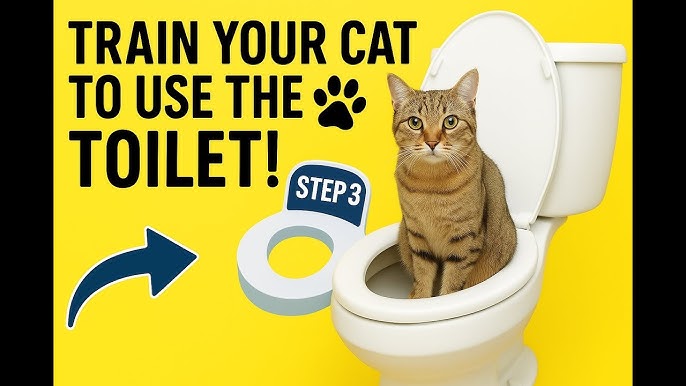
If you’ve ever wished your cat could use the toilet like a person, you’re not alone. Training a cat to potty might sound tricky, but with the right steps, you can make it happen.
Imagine saving money on litter, keeping your home cleaner, and enjoying a closer bond with your furry friend. This guide will show you exactly how to train your cat to potty, using simple tips that really work. Ready to change your cat’s habits and make your life easier?
Keep reading—you’re about to discover the secrets to success.
Choosing The Right Litter Box
Choosing the right litter box is a key part of training your cat to use the potty. The box you select affects your cat’s comfort and willingness to use it consistently. It’s not just about picking any box; it’s about finding one that fits your cat’s size, preferences, and your living space.
Size And Type Options
Your cat needs enough room to turn around and dig comfortably. Small boxes can feel cramped and discourage use, especially for larger breeds. Think about a box that is at least 1.5 times the length of your cat from nose to tail.
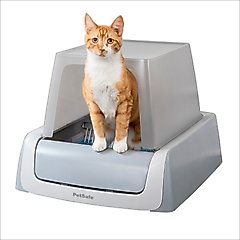
Open litter pans allow easy access and reduce odor buildup but might not suit shy cats. Covered boxes provide privacy but can trap smells, making some cats avoid them. Watching your cat’s behavior around different types can help you decide what they prefer.
Placement Tips
Where you place the litter box matters just as much as the box itself. Cats like quiet, low-traffic areas away from their food and water. Avoid noisy appliances or places with sudden loud sounds that might scare your cat away.
Try to keep the box on a stable surface and easily accessible. If you have multiple cats, consider multiple boxes spread out to prevent territorial disputes. Have you noticed your cat’s favorite hiding spots? Those can be clues to ideal box locations.
Litter Material Choices
The type of litter can make or break your potty training efforts. Clumping litter is popular because it’s easy to scoop and keeps the box cleaner. However, some cats dislike the texture or scent.
Natural litters like paper, wood pellets, or corn-based options can be gentler on sensitive paws and better for the environment. Try different materials to see which your cat prefers—some cats show clear favorites or dislikes.
Remember, sudden changes in litter type can confuse your cat. Gradually mix the new litter with the old to help them adjust smoothly.
Preparing Your Cat
Preparing your cat to use the potty is more than just placing them near a litter box. It’s about setting up a space where they feel safe and learning to understand their natural signals. You need to get your cat comfortable and aware before training can really begin.
Creating A Comfortable Environment
Start by choosing a quiet, low-traffic area for the potty spot. Cats dislike noise and distractions when doing their business.
Use a litter box or potty tray that’s easy for your cat to enter and exit. If your cat is older or has mobility issues, a box with lower sides works best.
Keep the area clean—cats are very particular about hygiene. Scoop daily and wash the box weekly with mild soap.
Adding a familiar scent can help. Try placing a piece of your cat’s bedding nearby to make the area smell safe.
Recognizing Signs Your Cat Needs To Go
Watching your cat’s behavior can give you clues about when they need to potty. Do they sniff the floor or start scratching around a certain spot?
Some cats pace or meow softly before they go. You might notice them heading to a corner or the litter box area.
By noticing these signals, you can gently guide your cat to the potty spot. Timing is key—catch them early to build a clear connection between their urge and the right place.
Introducing The Litter Box
Introducing the litter box helps your cat learn where to go potty. Place it in a quiet, easy-to-find spot for best results. Cats feel comfortable using a clean and cozy space.
Introducing a litter box to your cat is a crucial step in the potty training process. This step sets the foundation for your feline friend to understand where they should do their business. Making this introduction smooth and stress-free can lead to quicker success and a happier household.Initial Exposure Strategies
Start by placing the litter box in a quiet, accessible area. Cats prefer privacy when doing their business, so a low-traffic corner of a room works best. Avoid placing it near their food and water bowls to keep things hygienic. Consider using a litter box with low sides for kittens or older cats to easily step in and out. The box should be visible to your cat but not in the middle of a busy walkway. You want your cat to feel safe and undisturbed. Let your cat explore the box at their own pace. You can gently place them inside the box and see how they react. If they jump out, don’t worry; give them time to get used to it.Encouraging Exploration
Sprinkle a small amount of litter on the floor near the box. This can trigger your cat’s curiosity and encourage them to investigate further. Once they start sniffing around, gently guide them towards the box. Use treats or toys to create positive associations with the litter box. Reward your cat when they show interest or step inside. This encourages them to return to the box on their own. Observe their behavior and look for signs that they need to go. If they start sniffing the floor or scratching, gently guide them to the box. This reinforces the idea that the litter box is the right place for them. Remember, patience is key. Every cat is different, and some may take longer to adapt. Have you tried different types of litter to see which one your cat prefers? Finding the right texture can make a big difference in their willingness to use the box.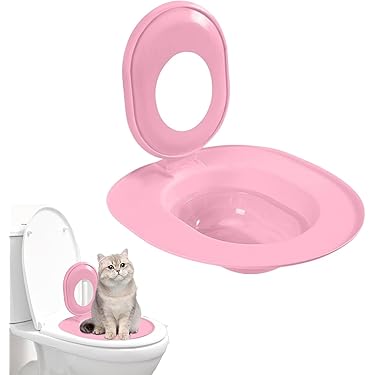
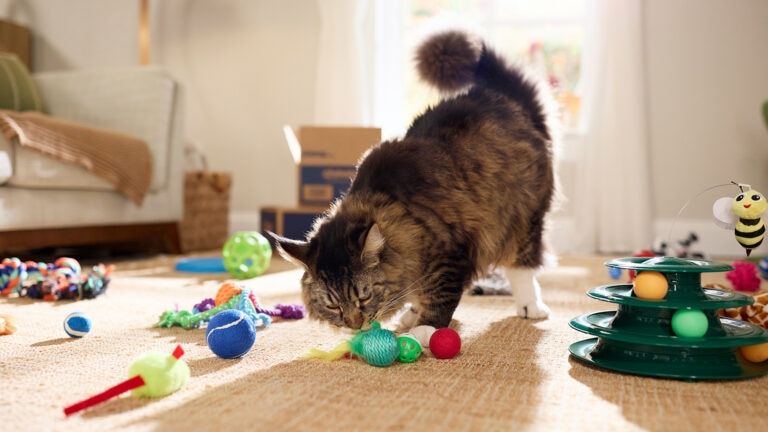
Credit: www.amazon.com
Establishing A Routine
Establishing a routine is key to training a cat to use the potty. Cats feel safe and secure when their day follows a pattern. This makes it easier for them to learn new habits, like using the litter box properly. Consistency helps your cat know what to expect and when.
Scheduled Feeding Times
Feed your cat at the same times every day. This controls when your cat needs to go to the bathroom. Regular meals create a predictable digestion cycle. It helps your cat develop a natural potty schedule. Avoid free feeding, which can confuse your cat’s routine.
Regular Litter Box Visits
Place your cat in the litter box after meals and naps. Cats often need to go after eating or waking up. Gently guide your cat to the box to build a habit. Keep the litter box clean and in a quiet place. This encourages your cat to use it regularly.
Positive Reinforcement Techniques
Positive reinforcement techniques are essential when training your cat to use the potty. Cats respond well to encouragement and rewards, which help them associate the desired behavior with something pleasant. This approach builds trust and makes the training process smoother for both you and your feline friend.
Using Treats And Praise
Offering treats immediately after your cat uses the potty correctly creates a clear connection between the behavior and the reward. Choose small, tasty treats that your cat loves, and give them right away to keep the timing perfect.
Along with treats, use gentle praise like a soft voice or petting to reinforce good behavior. Cats may not understand words, but they recognize tone and affection. Have you noticed how your cat perks up with a kind word? That reaction is your key to effective praise.
Avoiding Punishment
Punishing your cat for accidents can cause stress and confusion, making potty training much harder. Cats don’t link punishment to a specific action the way humans do, so scolding or rubbing their nose in messes won’t teach them what you want.
Instead, focus on redirecting your cat calmly and providing consistent positive reinforcement. If accidents happen, clean them thoroughly to remove any lingering smell that might encourage repeat behavior. How often do you think your cat’s accidents might be a call for patience rather than discipline?
Handling Accidents
Accidents are a natural part of training your cat to use the potty. How you handle these slip-ups can make a huge difference in your cat’s learning process. Instead of getting frustrated, focus on quick and effective ways to clean and gently guide your cat back on track.
Cleaning Tips
Cleaning accidents quickly is key to preventing repeat offenses in the same spot. Use an enzyme-based cleaner to completely remove the smell. Regular household cleaners often leave traces that cats can still detect, which may encourage them to go there again.
Wear gloves and blot the area rather than rubbing it, so the stain doesn’t spread. Wash any fabrics involved in warm water with a little baking soda to neutralize odors. Have cleaning supplies ready in places where accidents are more likely to happen for faster response.
Redirecting Behavior
If your cat misses the potty, gently pick them up and place them in the correct spot. This shows them where you want them to go without causing fear or stress. Reward them with a treat or gentle praise when they use the right place afterward.
Observe if your cat tends to have accidents at certain times or locations. You can then move the potty closer or adjust its position to make it more accessible. Sometimes, small changes in environment or schedule can prevent accidents entirely.
Advanced Tips For Difficult Cats
Training a cat to use the potty can be tough, especially with cats that show resistance. These advanced tips help with difficult cats. They focus on reducing stress and checking for health issues. Patience and care make a big difference in success.
Addressing Fear And Anxiety
Cats may avoid the potty due to fear or anxiety. Create a calm space around the potty area. Use soft lighting and reduce loud noises nearby. Let the cat explore the potty without pressure.
Use gentle words and slow movements to build trust. Offer treats and praise when the cat shows interest. A stress-free environment encourages learning.
- Place the potty in a quiet, safe spot.
- Keep the area clean to avoid unpleasant smells.
- Use pheromone sprays to calm anxious cats.
- Give the cat time to adjust at its own pace.
Consulting A Veterinarian
Health problems can affect potty training success. Visit a vet if the cat shows unusual behavior. Check for urinary tract infections or digestive issues.
The vet can provide advice tailored to your cat’s needs. Sometimes medication or special diets help improve potty habits. Early medical help prevents worsening problems.
- Schedule a health check before starting training.
- Discuss any changes in behavior or appetite.
- Follow the vet’s advice on medication or treatment.
- Keep track of the cat’s potty habits for the vet.
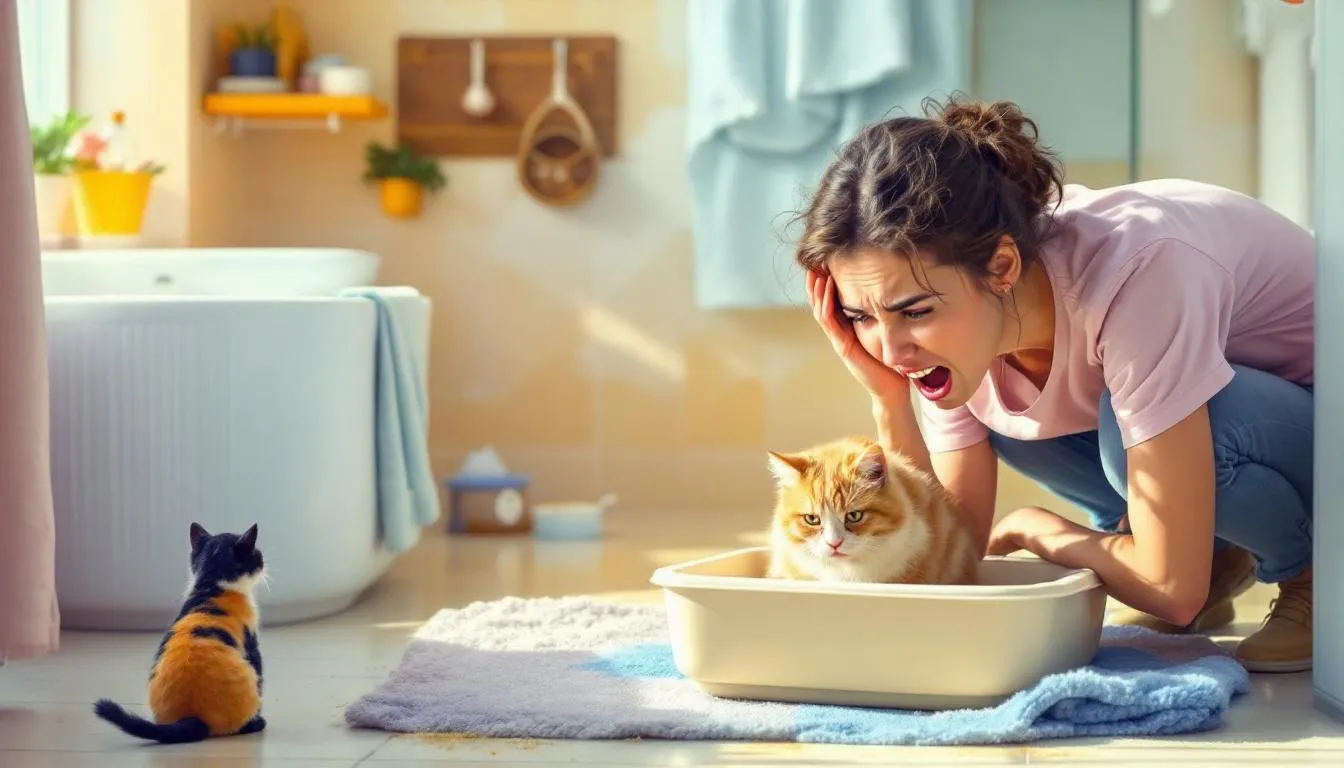
Credit: www.chewy.com
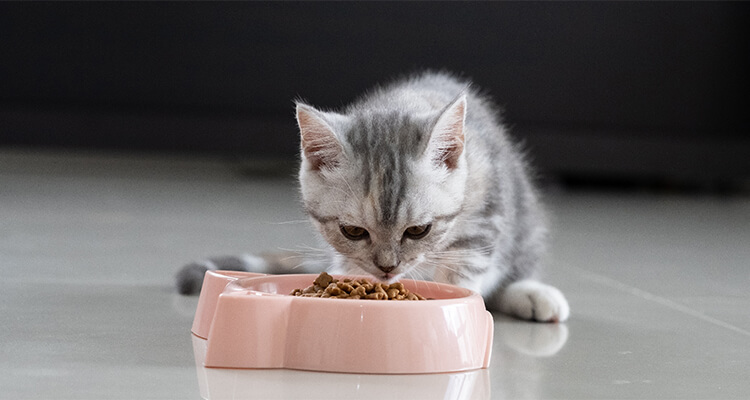
Credit: www.amazon.com
Frequently Asked Questions
How Long Does It Take To Train A Cat To Potty?
Training a cat to potty typically takes 2 to 4 weeks. Consistency and patience are key during this period. Regularly reward your cat for using the litter box. Avoid punishment to keep training positive and effective.
What Supplies Are Needed For Cat Potty Training?
You need a litter box, cat litter, and cleaning supplies. Choose a litter box that suits your cat’s size. Use unscented, clumping litter for easy cleaning. Keep the area clean to encourage consistent potty use.
Can All Cats Learn To Use The Litter Box?
Most cats can learn to use the litter box. Kittens adapt quickly, while older cats may need more time. Some cats with health issues might face challenges. Consult a vet if your cat struggles despite training efforts.
How To Handle Accidents During Cat Potty Training?
Clean accidents immediately with enzyme-based cleaners to remove odors. Avoid scolding your cat, as it can cause stress. Redirect your cat gently to the litter box. Consistent positive reinforcement helps prevent future accidents.
Conclusion
Training a cat to use the potty takes time and patience. Start with small steps and stay consistent every day. Reward your cat with praise and treats for good behavior. Expect some accidents but keep calm and try again. Watching your cat learn is a rewarding experience.
Remember, every cat learns at its own pace. Stay positive and enjoy the process together. This simple training can make life cleaner and easier for you both. Keep practicing, and soon your cat will use the potty confidently.

Leave a Reply