If you care about your cat’s health, especially their kidneys, choosing the right food is crucial. Kidney problems are common in cats, and what you feed them can make a big difference in how they feel and live.
You want to give your furry friend meals that support their kidneys and keep them strong. You’ll discover which cat foods help protect kidney health and why they work. Keep reading to learn how to make the best choices for your cat’s well-being.
Kidney Health And Cats
Keeping your cat’s kidneys healthy is key to their overall well-being. Kidneys filter waste, balance fluids, and regulate important minerals in your cat’s body. If these organs don’t work well, your cat can quickly feel unwell and lose energy.
How Kidneys Affect Feline Wellness
Your cat’s kidneys do more than just clean the blood. They control blood pressure and help produce hormones that keep bones strong and blood healthy. When kidneys struggle, your cat may lose appetite, become dehydrated, or have trouble moving around.
Think about your own body—when your kidneys don’t work, you feel tired and sick. Cats experience similar issues, but they can’t tell you what’s wrong. That’s why understanding kidney health is so important for you as a pet owner.
Signs Of Kidney Problems In Cats
Spotting kidney issues early can make a big difference. Watch for these signs:
- Increased thirst and urination
- Weight loss and poor appetite
- Vomiting and diarrhea
- Lethargy or weakness
- Bad breath or mouth ulcers
If your cat shows any of these symptoms, it’s time to visit the vet. Early detection helps manage the problem before it gets worse. Have you noticed any changes in your cat’s habits recently? Paying attention can save their life.
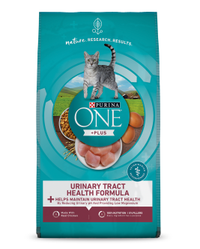
Credit: www.purina.com
Key Nutrients For Kidney Support
Supporting your cat’s kidney health through diet is more than just picking any renal-friendly food on the shelf. Understanding the key nutrients that protect and nurture the kidneys helps you make smarter choices. These nutrients work together to reduce kidney workload and prevent further damage, which is crucial for cats with kidney issues or those at risk.
Low Protein And Phosphorus
Reducing protein in your cat’s food lowers the kidneys’ filtering burden. But it’s not about cutting protein completely—quality matters. High-quality, easily digestible proteins help maintain muscle without overwhelming the kidneys.
Phosphorus control is equally important. Excess phosphorus can worsen kidney damage. Look for foods labeled “low phosphorus” to keep levels in check and support kidney function.
Importance Of Omega-3 Fatty Acids
Omega-3 fatty acids, especially EPA and DHA found in fish oils, play a strong role in slowing kidney damage. They reduce inflammation in kidney tissues, which can improve your cat’s comfort and long-term health.
Adding omega-3-rich cat food or supplements can make a noticeable difference. Have you noticed how your cat feels after adding a fish oil supplement? Many owners report better energy and coat condition, which hints at overall improved well-being.
Hydration Benefits In Cat Food
Kidneys need plenty of water to flush out toxins efficiently. Wet cat food naturally increases hydration compared to dry kibble, supporting kidney function.
If your cat isn’t a big water drinker, switching to wet food or adding water to their meals can help. Proper hydration may slow kidney decline and make a real difference in quality of life.
Types Of Cat Food For Kidney Care
Caring for your cat’s kidneys starts with the right food. Choosing the best type of cat food can support kidney function and improve your cat’s quality of life. Understanding the differences between food types will help you make an informed choice that suits your cat’s specific needs.
Wet Vs Dry Food Impact
Wet food contains more moisture, which helps keep your cat hydrated—a key factor in kidney health. Cats with kidney issues often struggle with dehydration, so wet food can be a simple way to increase their water intake without extra effort.
Dry food is convenient and can help maintain dental health, but it usually has less moisture. If you prefer dry food, you might need to add water or broth to encourage hydration. Have you noticed whether your cat drinks enough water on its own?
Prescription Diets
Prescription diets are specially formulated to support kidney health. They typically have lower protein, phosphorus, and sodium levels, which reduce stress on the kidneys.
These diets are often recommended by vets and come with clear feeding guidelines. If your vet suggests a prescription diet, it’s worth trying, as it’s designed with your cat’s specific kidney condition in mind.
Natural And Holistic Options
Natural and holistic cat foods focus on high-quality ingredients without artificial additives. Many include antioxidants, omega fatty acids, and herbs that may support kidney function.
Choosing these options can feel more like feeding your cat a balanced, healthy diet rather than a medical treatment. Would your cat benefit from a diet that combines natural ingredients with kidney care?
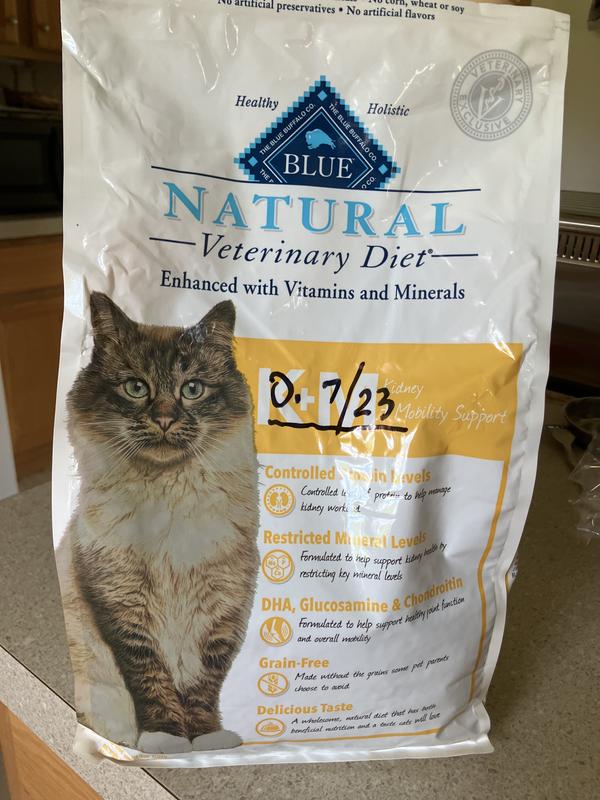
Credit: www.chewy.com
Top Cat Food Brands For Kidney Health
Cats with kidney issues need food low in protein and phosphorus. Brands offering balanced nutrition help support kidney health and improve quality of life. Choosing the right formula can ease kidney strain and keep your cat active.
Top cat food brands for kidney health offer specialized nutrition. These foods are crafted to support feline kidney function. They are essential for cats with kidney issues. Choosing the right brand can improve your cat’s quality of life.Popular Veterinary Recommendations
Veterinarians often suggest specific brands for kidney health. These brands are formulated with lower phosphorus levels. They also contain balanced protein to reduce kidney strain. Prescription diets from Hill’s, Royal Canin, and Purina Pro Plan are top choices. These brands are trusted for their scientific research and quality.Highly Rated Commercial Brands
Some commercial brands also cater to kidney health. Blue Buffalo Natural Veterinary Diet and Iams have special formulas. They focus on reducing phosphorus and protein intake. These brands offer tasty options that cats enjoy. Reviews often highlight their effectiveness and palatability.Budget-friendly Choices
Affordable options for kidney health are available too. Look for brands like Nutro and WholeHearted. These offer balanced nutrition at a lower cost. They still focus on important dietary needs for kidney health. Many cat owners find them effective and economical. Choosing the right cat food can make a big difference. Always consult with a veterinarian for personalized advice.Feeding Tips For Cats With Kidney Issues
Feeding cats with kidney issues requires care and attention. Their diet plays a key role in managing their health. Proper feeding habits can ease symptoms and support kidney function. Here are important tips to help with feeding cats who have kidney problems.
Portion Control And Meal Frequency
Offer small meals several times a day. This helps cats digest food easily. Large meals can strain their kidneys and cause discomfort. Divide daily food into 3 to 4 portions. Keep portions consistent to avoid overeating. Monitor your cat’s weight to adjust portions if needed.
Encouraging Appetite In Sick Cats
Kidney issues often reduce a cat’s hunger. Use warm food to enhance smell and taste. Try soft or wet food, easier to eat and digest. Avoid strong-smelling foods that might repel your cat. Hand feeding or gentle petting during meals can also help. Keep fresh water available at all times.
Monitoring And Adjusting Diet
Track your cat’s response to the diet daily. Look for changes in appetite, weight, and energy. Consult a vet regularly to review the diet plan. Adjust protein, phosphorus, and sodium levels as advised. Maintain a balance that supports kidney health without causing harm.
Supplements And Additives
Supplements and additives can play a crucial role in supporting your cat’s kidney health. While diet forms the foundation, adding the right supplements may help reduce kidney stress and improve overall well-being. However, it’s essential to understand which additives truly benefit kidney function and which could be harmful.
Probiotics And Antioxidants
Probiotics help balance your cat’s gut bacteria, which can indirectly ease the workload on their kidneys by reducing toxin buildup. Antioxidants, like vitamins E and C, combat oxidative stress that damages kidney cells.
Some commercial kidney-support diets include these ingredients, but you can also find supplements designed specifically for cats with kidney concerns. Have you noticed your cat’s energy levels improve after adding a probiotic? It’s a sign their body is responding well.
Herbal Support Options
Certain herbs, such as milk thistle and dandelion, have natural properties that may support kidney function and detoxification. These herbs have been used traditionally to promote liver and kidney health in animals.
Be cautious, though— not all herbs are safe for cats, and dosages matter greatly. Always research or discuss with a vet before introducing herbal supplements, since some can interact with medications or worsen kidney problems.
When To Consult A Vet
Adding supplements without guidance can sometimes do more harm than good, especially with delicate organs like kidneys. If your cat shows signs of kidney issues—like increased thirst, changes in urination, or decreased appetite—it’s time to seek professional advice.
Your vet can recommend specific supplements, tailor doses, and monitor your cat’s progress. Have you ever tried a supplement on your own and wondered if it was helping? A vet’s input ensures you’re making safe, effective choices for your furry friend’s kidney health.
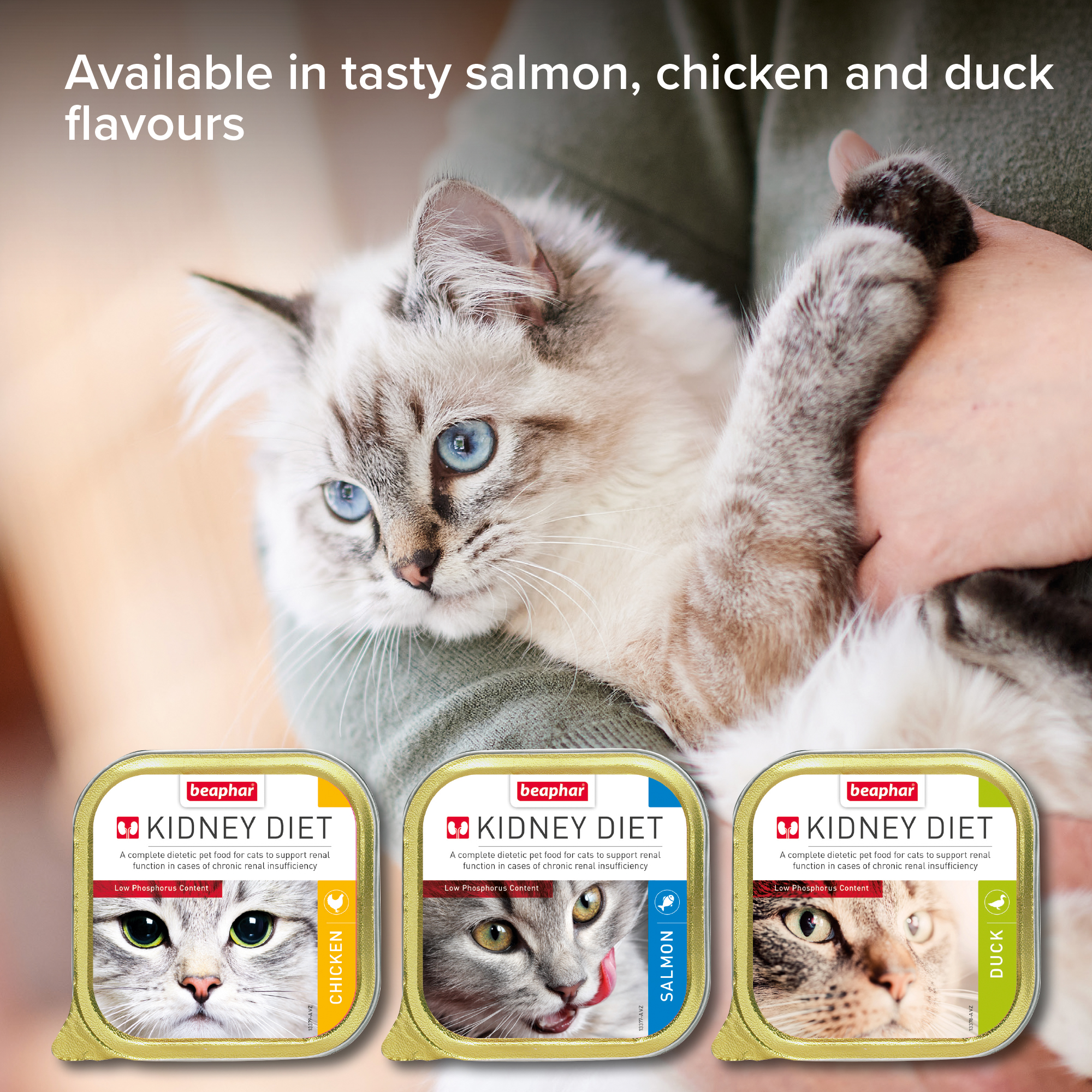
Credit: www.beaphar.co.uk
Frequently Asked Questions
What Ingredients Support Cat Kidney Health?
Ingredients like omega-3 fatty acids, antioxidants, and high-quality protein support kidney health. Low phosphorus and sodium are crucial to reduce kidney strain. These help maintain kidney function and improve overall cat wellbeing.
Can Special Cat Food Slow Kidney Disease?
Yes, specially formulated kidney diets can slow chronic kidney disease progression. These foods have controlled protein, phosphorus, and sodium levels. They reduce kidney workload and help manage symptoms effectively.
Is Homemade Cat Food Good For Kidneys?
Homemade cat food can support kidneys if properly balanced. It should have limited protein, low phosphorus, and essential nutrients. Consulting a vet ensures the recipe meets kidney health needs safely.
How Does Hydration Affect Kidney Health In Cats?
Proper hydration helps flush toxins and supports kidney function. Wet cat food increases water intake, reducing kidney stress. Always provide fresh water alongside food for optimal kidney health.
Conclusion
Choosing the right cat food supports kidney health well. Foods low in phosphorus and protein help slow kidney damage. Wet food keeps cats hydrated and aids kidney function. Always check labels for quality ingredients and nutrients. Regular vet visits ensure your cat stays healthy longer.
A healthy diet makes a big difference in kidney care. Small changes can improve your cat’s life today. Keep your cat happy and healthy with smart food choices.



Leave a Reply