Are you wondering if your adult cat can eat kitten soft food? It’s a common question among cat owners, and the answer might surprise you.
Feeding your cat the right food is key to keeping them healthy and happy. But what happens if you only have kitten food on hand, or if your cat seems to prefer the soft texture? You’ll discover the truth about adult cats and kitten soft food, what you need to watch out for, and how to make the best choice for your furry friend.
Keep reading to find out what you should really be feeding your cat.
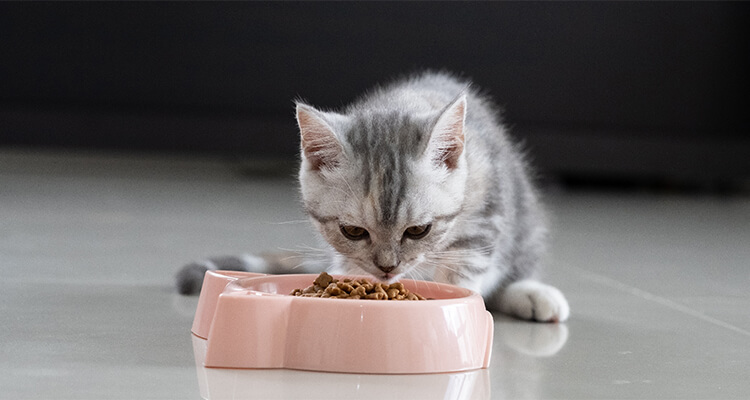
Credit: www.whiskas.co.uk
Nutritional Needs Of Adult Cats
Understanding the nutritional needs of adult cats is key when deciding if they can eat kitten soft food. Adult cats have different dietary requirements than kittens, which affects the type of food they should consume. Knowing these differences helps you choose the best option for your cat’s health and happiness.
Protein And Fat Requirements
Adult cats still need a good amount of protein, but not as much as growing kittens. Kitten food usually contains higher protein and fat levels to support rapid growth and energy demands.
If your adult cat eats kitten soft food regularly, they may get more fat and protein than necessary. This can lead to unwanted weight gain or digestive upset. Have you noticed changes in your cat’s weight or energy after switching foods?
Vitamins And Minerals
Vitamins and minerals in adult cat food are balanced to maintain health, while kitten food often has extra nutrients for development. Excess nutrients aren’t always harmful but may cause imbalances over time.
For example, kitten food might have more calcium for bone growth, which adult cats don’t need in large amounts. Pay attention to how your cat responds to different foods and consult your vet if you’re unsure.
Caloric Intake Differences
Kittens burn more calories because they are growing and active. Adult cats have lower calorie needs and require food that matches their energy levels.
Feeding your adult cat kitten soft food could mean extra calories that lead to obesity. Have you measured your cat’s daily calorie intake lately? Adjusting portions or switching food types might help keep your cat fit and healthy.
Ingredients In Kitten Soft Food
Kitten soft food is specially designed to meet the unique needs of growing cats. Its ingredients differ noticeably from adult cat food. Understanding these differences can help you decide if it’s appropriate for your adult cat to eat kitten soft food.
Higher Protein Content
Kitten soft food contains more protein compared to adult cat food. Protein is crucial for kittens because it supports rapid muscle and tissue development. Your adult cat might find this extra protein beneficial, especially if they are very active or recovering from illness.
However, too much protein over time can strain your cat’s kidneys. Have you noticed your cat’s energy levels or muscle tone changing? This might help you decide if the higher protein content in kitten food suits your cat.
Increased Fat Levels
Fat provides essential energy for kittens, so kitten soft food usually has higher fat content. This helps support their fast growth and busy playtime. For adult cats, this extra fat can lead to weight gain if they don’t burn it off.
If your cat is less active or prone to weight issues, feeding them kitten food regularly might not be the best choice. You could monitor their weight and adjust their diet accordingly.
Additional Nutrients For Growth
Kitten soft food is enriched with vitamins and minerals that support bone development and immune health. Nutrients like calcium, phosphorus, and DHA are commonly added for this purpose. Adult cats don’t need as much of these growth-specific nutrients, so their food has lower levels.
Feeding your adult cat kitten food occasionally probably won’t harm them. But consistently providing these extra nutrients might disrupt their balanced diet. Have you checked your cat’s nutritional needs with your vet recently?
Suitability Of Kitten Food For Adults
Many cat owners wonder if adult cats can eat kitten soft food. Kitten food is specially designed for growing kittens. It contains higher levels of protein and fat. But is it suitable for adult cats? Let’s explore the factors involved.
Digestibility Factors
Kitten food is formulated for easy digestion by young cats. Adult cats may also find it digestible. This is because of its soft texture and high moisture content. These features can be gentle on an adult cat’s stomach. Especially for those with dental issues or sensitive digestion.
Potential Health Benefits
Kitten food is rich in essential nutrients. It includes higher amounts of protein and fat. These nutrients can benefit an underweight or sick adult cat. The increased calorie content can support energy levels. It can also help in weight gain and muscle maintenance.
Risks Of Overnutrition
Feeding adult cats kitten food may lead to overnutrition. This is due to the higher calorie content. Overnutrition can result in weight gain and obesity. It can also increase the risk of other health issues. Monitoring portion size is crucial. Consulting a vet is advised if considering this option.
When To Consider Feeding Kitten Food To Adults
Adult cats usually eat adult cat food for balanced nutrition. Kitten food has more calories and nutrients for growth. Yet, certain situations call for feeding kitten food to adult cats. This section explains when this choice makes sense.
Recovery From Illness Or Surgery
After illness or surgery, cats need extra energy to heal. Kitten food offers higher protein and fat levels. These nutrients support tissue repair and boost strength. Soft texture also helps cats eat easily during recovery.
Senior Cats With Special Needs
Older cats may lose weight or muscle mass. They might have trouble chewing hard food. Kitten food provides more calories in a gentle form. This helps seniors maintain health and body condition. It supports energy needs without forcing large meals.
Transitioning Between Foods
Changing a cat’s diet can be tricky. Kitten food’s appealing taste and texture can ease this process. Mixing kitten and adult food helps cats adjust smoothly. This reduces stress and avoids appetite loss during change.
Alternatives To Kitten Soft Food For Adults
Choosing the right food for your adult cat can be challenging, especially if you’re considering alternatives to kitten soft food. While kitten food is formulated for growth and high energy needs, adult cats have different nutritional requirements. Luckily, there are several options that provide balanced nutrition tailored specifically for adult cats without relying on kitten formulas.
Adult Cat Wet Food Options
Wet food designed for adult cats offers excellent hydration and typically contains the right balance of proteins and fats for maintenance. These foods come in a variety of flavors and textures, which can keep your cat interested in their meals. Look for labels that specify “complete and balanced” for adult cats to ensure your pet gets all essential nutrients.
Have you noticed how some cats prefer pate while others like chunks in gravy? Offering a mix can keep mealtime exciting and prevent picky eating habits. Plus, wet food can be easier to digest for cats with dental issues or sensitive stomachs.
Balanced Dry Food Choices
Dry food for adult cats is convenient and helps keep teeth cleaner through gentle abrasion during chewing. Choose options that list high-quality protein sources at the top of the ingredients list. Avoid foods with excessive fillers like corn or wheat, which provide little nutritional value.
Consider your cat’s activity level and weight when selecting dry food. If your cat is less active, look for formulas labeled “light” or “weight control” to prevent obesity. Does your cat have allergies or sensitivities? Grain-free or limited ingredient diets might be worth trying.
Homemade Diet Considerations
Preparing homemade meals for your adult cat can be rewarding, but it requires careful planning to meet all their nutritional needs. You must include the right balance of proteins, fats, vitamins, and minerals. Consulting a veterinarian or pet nutritionist is essential before making the switch.
Many cat owners find success with simple recipes that include cooked chicken, rice, and small amounts of vegetables. However, cats are obligate carnivores, so meat should always be the main ingredient. Have you thought about how to supplement essential nutrients like taurine, which are critical for cat health?
Exploring these alternatives can help you find the best fit for your adult cat’s diet. What changes have you noticed when switching your cat from kitten food to adult options?

Credit: www.purina.com
Tips For Feeding Adult Cats Soft Food
Feeding adult cats soft food requires attention and care. Some adult cats enjoy kitten soft food due to its texture and flavor. However, not all kitten formulas suit adult cats perfectly. Follow these tips to ensure your cat stays healthy and happy with soft food.
Portion Control
Kitten soft food is richer and higher in calories. Overfeeding can cause weight gain in adult cats. Serve smaller portions than you would for a kitten. Measure the food to avoid free feeding. Adjust portions based on your cat’s activity and body condition.
Monitoring Weight And Health
Check your cat’s weight regularly to catch changes early. Watch for signs of digestive upset or allergies. Soft food can be rich, so observe energy levels and coat condition. Visit a vet if your cat loses weight or shows health issues.
Introducing New Foods Gradually
Switching to soft food should be slow and gentle. Mix a small amount of soft food with the regular diet. Increase the soft food portion over several days. This helps prevent stomach upset and picky eating. Always offer fresh water alongside soft food.

Credit: www.amazon.com
Frequently Asked Questions
Can Adult Cats Eat Kitten Soft Food Safely?
Yes, adult cats can eat kitten soft food safely. It is richer in calories and nutrients, suitable for kittens but not harmful for adults. However, it is best to feed adult cats food formulated for their age to avoid excess calorie intake.
What Are The Differences Between Adult And Kitten Cat Food?
Kitten food contains more protein, fat, and calories to support growth. Adult cat food has balanced nutrients for maintenance. Kitten food may lead to weight gain if fed long-term to adults. Choose food based on your cat’s life stage for optimal health.
Will Feeding Kitten Food To Adult Cats Cause Weight Gain?
Feeding kitten food regularly to adult cats can cause weight gain. Kitten food is calorie-dense to support growth, which may be excessive for adult cats. Occasional feeding is fine, but a diet formulated for adults is better for weight management.
Can Adult Cats Digest Kitten Soft Food Easily?
Yes, adult cats can digest kitten soft food easily. Kitten food is designed to be highly palatable and digestible. However, the higher fat and calorie content may not be ideal for adult cats’ long-term digestion and weight control.
Conclusion
Adult cats can eat kitten soft food occasionally without harm. Kitten food has extra nutrients for growth, which adults do not always need. Feeding it regularly may cause weight gain or upset stomach. Always watch your cat’s reaction to new food.
Balanced diet matters most for your cat’s health. Consult a vet for the best feeding advice. Keeping your cat happy and healthy is the goal. Variety in food helps maintain good nutrition and interest. Safe feeding habits build a strong bond between you and your pet.


Leave a Reply