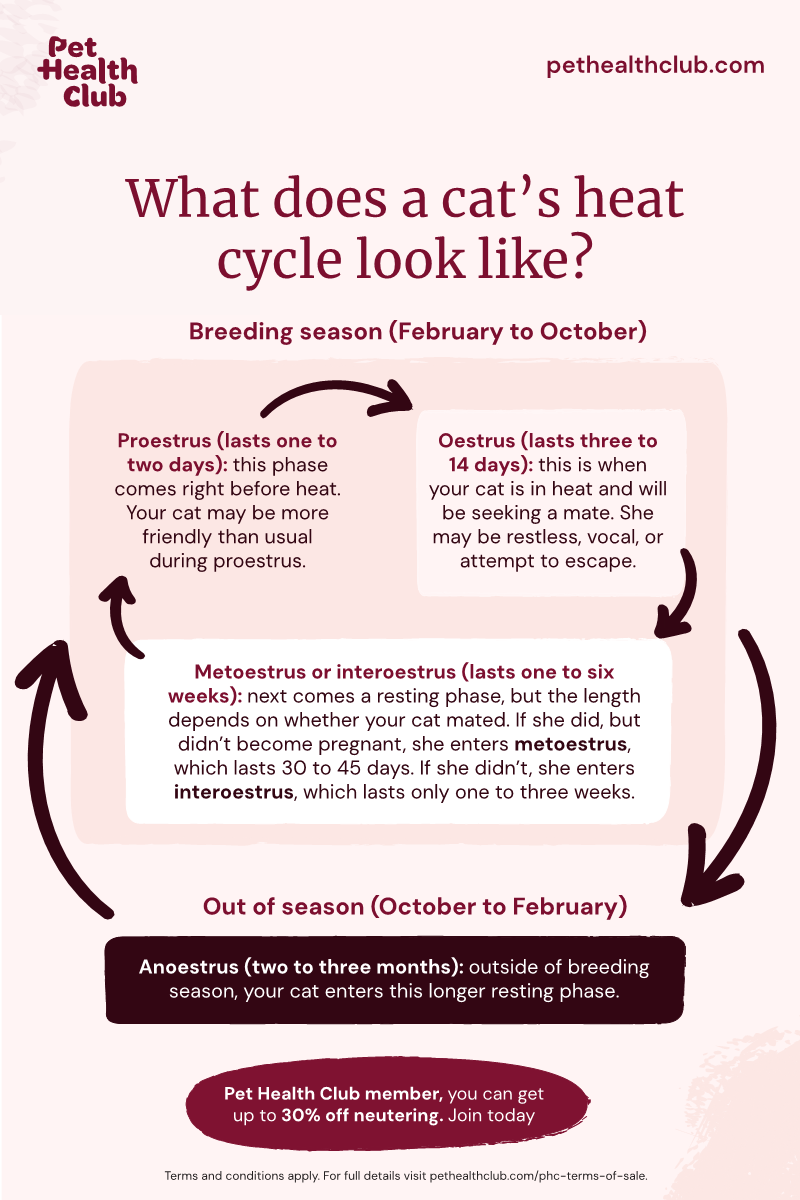
Are you curious about when your cat is most likely to go into heat? Understanding the time frame of the cat breeding season can help you plan better for your pet’s health and behavior.
Whether you want to prepare for kittens or simply know what to expect, knowing the right timing is key. You’ll discover exactly when cats enter their breeding season and what signs to watch for. Keep reading to learn how this knowledge can make a difference for you and your feline friend.

Credit: dremmanuelfontaine.com
Cat Breeding Cycles
Understanding your cat’s breeding cycles can help you better care for her during these times. Cats don’t breed year-round; their reproductive system follows specific patterns influenced by environment and health. Recognizing these cycles is key to managing your cat’s well-being and making informed decisions about breeding or spaying.
Seasonal Patterns
Cats are generally seasonal breeders, with their cycles triggered by daylight length. Most female cats enter heat during spring and summer when days are longer. However, indoor cats exposed to artificial light might experience heat cycles throughout the year.
Have you noticed your cat becoming more active or vocal as seasons change? This often signals the start of her breeding season. Understanding this can help you prepare for her needs or decide on breeding timing.
Frequency Of Heat
A female cat can go into heat every two to three weeks during breeding season if she isn’t pregnant. Each heat cycle lasts about 4 to 7 days but can vary. This frequency means you might notice repeated signs of estrus if she isn’t bred or spayed.
Remember, frequent heat cycles can be stressful for your cat and may increase the risk of health issues. Keeping track of her cycles helps you provide comfort and decide on the best care approach.
Signs Of Estrus
During estrus, cats show clear behavioral and physical signs. You might see your cat rubbing against furniture, vocalizing loudly, or adopting a mating posture with her rear raised. She may also become more affectionate or restless.
Recognizing these signs early can help you manage your cat’s comfort and avoid unwanted pregnancies. Have you ever observed these behaviors and wondered what they meant? Paying attention to these clues makes a big difference in your cat’s health management.
Factors Influencing Breeding Season
The time frame of a cat’s breeding season doesn’t follow a strict calendar. It shifts based on several factors that influence when a cat is most fertile and ready to mate. Understanding these factors helps you predict and manage your cat’s breeding cycle more effectively.
Breed Variations
Different cat breeds have different breeding patterns. Some breeds, like Siamese or Burmese, tend to have longer breeding seasons, while others might breed only during specific months. This variation affects when you might expect your cat to go into heat and be receptive to mating.
For example, outdoor cats with mixed breeds often show more extended and frequent cycles compared to purebreds kept indoors. Knowing your cat’s breed can give you clues about her unique breeding timeline.
Environmental Impact
Light and temperature play a huge role in triggering a cat’s breeding season. Cats are seasonal breeders, often influenced by the length of daylight they experience. Longer daylight hours in spring and summer usually stimulate more frequent heat cycles.
If your cat spends most of her time indoors under artificial lighting, her breeding season might not follow natural patterns. Have you noticed changes in your cat’s behavior as the seasons change? That’s her body responding to the environment.
Age And Health
A cat’s age and overall health strongly affect her ability to breed. Young cats typically start cycling around 5 to 9 months old, but the timing can vary. Older cats or those with health issues may have irregular or fewer heat cycles.
Keeping your cat healthy with proper diet and regular vet visits supports a consistent and safe breeding season. Have you tracked your cat’s health alongside her breeding behavior? It’s a key factor that many overlook but makes a big difference.
Timing And Duration
Understanding the timing and duration of a cat’s breeding season is key if you’re planning to care for or breed cats responsibly. The breeding season influences when your cat will go into heat, how long each heat lasts, and the breaks between cycles. Knowing these details helps you prepare better and manage your cat’s health and behavior effectively.
Typical Breeding Months
Most cats enter their breeding season during the warmer months, usually starting in early spring and lasting until late fall. This period generally runs from February to October, but it can vary depending on your cat’s environment and breed.
Cats living indoors or in controlled climates might experience breeding cycles year-round. Have you noticed your cat acting differently during certain months? That’s often when they’re in season.
Length Of Heat Periods
A cat’s heat period typically lasts between 4 to 7 days. During this time, your cat may become more vocal, affectionate, or restless, signaling she’s ready to mate.
If you’ve ever cared for a cat in heat, you know how intense their behavior can get. Watch for signs like rolling on the floor, rubbing against objects, or frequent meowing—these all indicate the heat phase.
Intervals Between Cycles
After a heat period, if the cat does not become pregnant, she usually goes out of heat for about 1 to 2 weeks before returning to the next cycle. This cycle can repeat multiple times throughout the breeding season.
Some cats may have shorter or longer intervals, depending on factors like age, health, and environment. Keeping track of these cycles can help you predict when your cat will be in heat again and manage her needs accordingly.
Managing Breeding Season
Cat breeding season usually begins in early spring and lasts until late fall. This period varies with climate but often spans several months each year. Understanding this timing helps in managing cats effectively during their reproductive phase.
Managing the breeding season for cats requires careful attention. Owners must ensure their cats’ well-being during this time. This period can be stressful for both cats and their owners. It’s important to understand the needs and responsibilities involved. Proper management can lead to a healthy and happy breeding season.Care During Heat
Cats in heat require extra care and attention. They may become more vocal and restless. Providing a calm environment can help soothe them. Ensure they have access to food and water at all times. Regular grooming can also reduce stress and discomfort.Preventing Unwanted Pregnancies
Spaying is the most effective way to prevent unwanted pregnancies. If spaying isn’t an option, keep the cat indoors during heat. This limits her contact with male cats. Supervise outdoor time closely if she must go outside. Consider using pet-safe barriers or enclosures.Veterinary Guidance
Regular vet visits are crucial during the breeding season. A vet can provide health checks and necessary vaccinations. They can also offer advice on managing heat symptoms. Discuss any concerns with your vet to ensure your cat’s health.Implications For Cat Owners
Understanding the time frame of the cat breeding season is crucial for every cat owner. It affects your cat’s behavior, your home environment, and your future plans. Knowing what to expect helps you handle this period smoothly and make responsible decisions.
Behavioral Changes
Your cat’s behavior can change dramatically during the breeding season. Female cats in heat may become more vocal, restless, and affectionate, while males might start roaming or marking territory. You might notice more scratching, yowling, or attempts to escape outdoors.
These behaviors can be stressful for both you and your cat. Have you observed your cat pacing or meowing more than usual? Recognizing these signs early lets you prepare and respond calmly.
Planning For Kittens
If you decide to breed your cat, timing is everything. The breeding season typically occurs from early spring to late fall, so you need to plan for the arrival of kittens accordingly. This includes arranging a safe, quiet space for the mother and preparing for increased care and attention.
Think about whether you have the time and resources to care for a litter. Are you ready for vet visits, feeding, and socializing the kittens? Planning ahead can prevent surprises and ensure the health and safety of both the mother and her babies.
Spaying And Neutering Benefits
Spaying or neutering your cat can prevent the challenges of the breeding season entirely. It stops unwanted litters and reduces many behavioral issues like roaming, spraying, and yowling. This procedure also lowers the risk of certain health problems, such as infections and cancers.
Many cat owners notice a calmer, more content pet after spaying or neutering. Have you considered how this might improve your cat’s quality of life and your peace of mind? Taking this step is a responsible choice that benefits both you and your feline friend.
Credit: animals.howstuffworks.com

Credit: www.purina.com
Frequently Asked Questions
When Does The Cat Breeding Season Start And End?
Cat breeding season typically starts in early spring and ends in late fall. This period varies by location and climate. It usually lasts from February to September in most regions, aligning with warmer weather and longer daylight hours that stimulate reproductive cycles.
How Long Does A Single Cat Heat Cycle Last?
A cat’s heat cycle usually lasts between 4 to 7 days. If she does not mate, the cycle can repeat every 2 to 3 weeks during breeding season. This frequent cycling continues until the cat becomes pregnant or the season ends.
Can Cats Breed Year-round In Warm Climates?
Yes, in warm climates, cats can breed year-round. Lack of cold weather and consistent daylight means they don’t have a defined breeding season. This can lead to multiple litters throughout the year if no interventions are made.
What Factors Influence The Timing Of Cat Breeding Season?
Daylight length and temperature mainly influence cat breeding season. Longer daylight and warmer weather trigger hormonal changes in cats. Indoor cats with artificial lighting may cycle differently, sometimes breeding outside typical seasonal patterns.
Conclusion
Cat breeding season usually lasts from early spring to late fall. Most cats go into heat several times during this period. Understanding this helps pet owners prepare for changes in behavior. It also guides responsible breeding and care decisions. Knowing the time frame helps keep cats healthy and happy.
Breeding outside these months is less common and less effective. Remember, each cat may vary slightly in timing. Stay observant and provide proper care throughout the season. This knowledge supports better pet management all year round.



Leave a Reply