
If you have a Bengal cat, you know how special they are. But do you know when it’s the right time to switch your Bengal from kitten food to adult cat food?
Feeding your cat the right food at the right time is key to their health and happiness. Making the switch too early or too late can affect their energy, growth, and overall well-being. You’ll discover the signs to look for and the best way to make the transition smoothly.
Keep reading to ensure your Bengal gets the nutrition they need at every stage of life.

Credit: www.tippaws.com
Growth Stages Of Bengal Cats
Bengal cats grow quickly during their early months. Their diet needs change as they develop. Understanding their growth stages helps decide when to switch to adult food. Each stage requires specific nutrients to support health and energy.
Kitten Development Milestones
Bengal kittens open their eyes around 7 to 10 days old. They start walking at about 3 weeks. By 4 weeks, they become more curious and playful. Teeth begin to appear at 3 to 4 weeks. This stage needs high protein and fat for rapid growth.
Transition From Weaning To Solid Food
Weaning begins at 4 weeks with soft, wet food. Gradually, kittens try more solid food between 5 and 8 weeks. By 8 weeks, they eat mainly solid food. Nutrient-rich kitten food supports their fast development during this phase. Switching too early to adult food can cause nutrition gaps.
Credit: www.petco.com
Signs Bengal Cats Are Ready For Adult Food
Knowing the signs that Bengal cats are ready for adult food helps ensure their health. Kittens need extra nutrients to grow, but adult cats require a different diet. Switching at the right time supports energy, digestion, and overall well-being. Observe your Bengal cat closely to spot these important changes.
Physical Indicators
- Steady growth slows down after six to twelve months.
- Teeth become fully developed and stronger.
- Muscle tone improves and body looks leaner.
- Coat appears thicker and shinier with maturity.
- Weight stabilizes and stops increasing rapidly.
Behavioral Changes
- Less playful bursts and more calm behavior.
- Eating habits shift from frequent small meals to fewer, larger ones.
- Increased interest in exploring surroundings carefully.
- Sleeping patterns become longer and deeper.
- Less dependence on mother or siblings for comfort.
Nutritional Needs Of Adult Bengal Cats
Bengal cats have unique dietary needs as they grow. Their active nature demands a balanced diet. Understanding their nutritional needs is essential for their health.
Protein And Fat Requirements
Adult Bengal cats need high protein diets. Protein supports muscle development and energy. Choose quality protein sources like chicken or fish. Fat is also crucial. It provides energy and supports skin and coat health. Look for diets with healthy fats like omega-3 and omega-6.
Essential Vitamins And Minerals
Vitamins and minerals are vital for Bengal cats. They support immune system health and bone strength. Calcium and phosphorus are important for strong bones. Taurine is essential for heart and eye health. Always ensure your cat’s diet includes these nutrients.
Choosing The Right Adult Cat Food
Choosing the right adult cat food for your Bengal is crucial as it impacts their health, energy, and overall happiness. Your Bengal’s diet needs to support their active lifestyle and unique nutritional needs. Understanding the differences between available food types and what ingredients to prioritize will help you make the best choice.
Wet Vs Dry Food Options
Wet food contains more moisture, which helps keep your Bengal hydrated, especially if they don’t drink much water. It often has a richer aroma and texture that many cats find appealing.
Dry food, on the other hand, is convenient and helps maintain dental health by reducing plaque buildup. It’s also easier to store and can be left out for longer periods without spoiling.
Think about your cat’s preferences and lifestyle. Does your Bengal enjoy crunching dry kibble or prefer the softness of wet food? Sometimes, a mix of both can provide balanced benefits.
Quality Ingredients To Look For
Your Bengal’s adult food should list a high-quality protein source as the first ingredient, like chicken, turkey, or fish. Cats are obligate carnivores, so protein is essential for their muscle maintenance and energy.
Look for foods without fillers like corn, soy, or wheat, which provide little nutritional value and may cause allergies. Ingredients like taurine, an essential amino acid, must be included to support heart and eye health.
Have you checked the ingredient list of your cat’s current food lately? A little awareness can make a big difference in your Bengal’s well-being.
How To Transition To Adult Food Smoothly
Transitioning your Bengal cat to adult food requires care and patience. Sudden changes can upset their stomach or cause refusal to eat. A smooth switch helps your cat adjust comfortably to the new diet. Follow gentle steps to make this change easier for your feline friend.
Gradual Food Mixing Technique
Start by mixing a small amount of adult food with your cat’s current kitten food. Increase the adult food portion slowly over 7 to 10 days. This gradual mix helps your cat get used to new flavors and textures.
- Day 1-3: 25% adult food, 75% kitten food
- Day 4-6: 50% adult food, 50% kitten food
- Day 7-9: 75% adult food, 25% kitten food
- Day 10: 100% adult food
Observe your Bengal’s eating habits during this period. Avoid rushing the process to prevent food refusal or stress.
Monitoring For Digestive Issues
Watch for signs of digestive upset such as vomiting, diarrhea, or constipation. These can indicate your cat’s intolerance to the new food. Minor changes in stool are normal but lasting problems need attention.
- Check stool consistency daily
- Notice any changes in appetite
- Observe energy levels and behavior
If digestive issues persist beyond a few days, consult a veterinarian. Early action ensures your Bengal stays healthy during the food transition.
Common Feeding Mistakes To Avoid
Feeding Bengal cats the right food at the right time is important. Mistakes in feeding can cause health problems and stress. Knowing which common feeding mistakes to avoid helps keep your Bengal healthy and happy.
Many cat owners make errors that affect their cat’s growth and well-being. Avoiding these mistakes ensures a smooth transition to adult food. It also supports your Bengal’s energy needs and nutritional balance.
Overfeeding And Obesity Risks
Overfeeding is a common error when switching to adult food. Bengal cats are active but can gain weight quickly. Extra calories lead to obesity, which brings health issues like diabetes and joint pain.
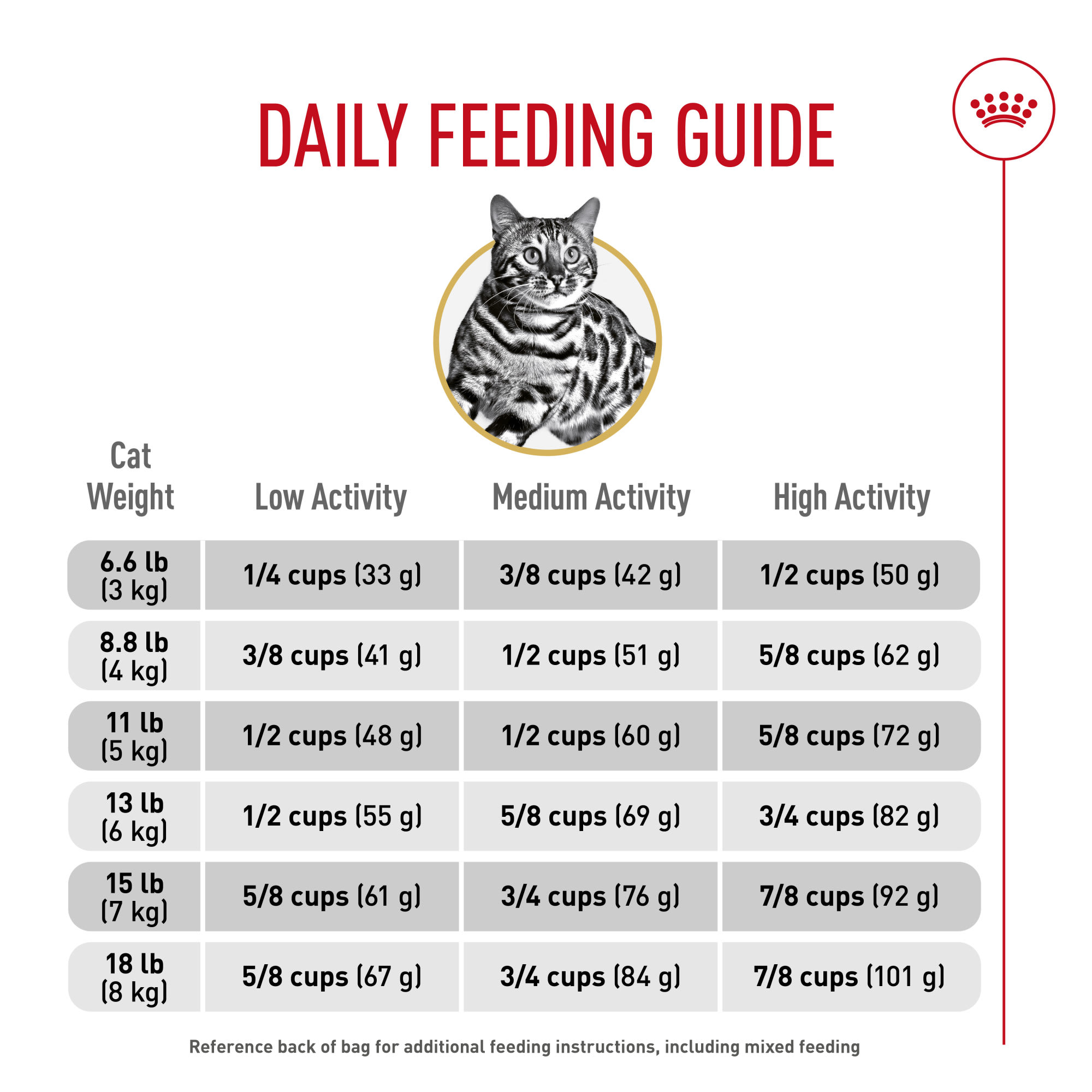
Measure food portions carefully. Follow feeding guidelines on the food package. Watch your cat’s weight regularly. Adjust food amounts if your Bengal starts gaining too much weight. Avoid free-feeding to control intake better.
Ignoring Individual Cat Preferences
Each Bengal cat has unique food tastes and needs. Ignoring these preferences can cause refusal to eat or digestive upset. Some cats prefer dry food, others like wet or mixed textures.
Observe your cat’s reactions to new foods. Introduce adult food slowly, mixing it with kitten food at first. Offer a variety of flavors and textures. Respect your cat’s likes and dislikes to ensure they eat well and stay healthy.
Special Considerations For Bengal Cats
Bengal cats have unique needs compared to other breeds. Their diet should match their lifestyle and health to keep them strong and happy. Special care is important when deciding the right time to switch to adult food.
Activity Level And Metabolism
Bengals are very active and playful. They burn energy faster than many cats. Their high metabolism needs more calories and nutrients. Adult food for Bengals should have enough protein and fat. This supports their muscle strength and energy levels. Feeding low-calorie food may leave them hungry and weak.
Health Conditions Affecting Diet
Bengal cats may face health issues like allergies or digestive problems. These conditions affect how they digest food. Some adult foods contain grains or fillers that cause issues. Choosing a diet with limited ingredients helps avoid reactions. Always watch for signs of discomfort or changes in appetite. Consult a vet if health problems appear before switching foods.
Credit: www.petscare.com
Frequently Asked Questions
When Should I Switch My Bengal Cat To Adult Food?
Switch your Bengal cat to adult food at about 12 months old. This age supports their growth and energy needs. Consult your vet for personalized advice based on your cat’s health and activity level.
What Are The Signs Bengal Cats Need Adult Food?
Signs include slower growth, reduced playfulness, and stable weight. Adult food suits their mature metabolism and nutrient needs. Watch for changes in behavior or digestion that may indicate a dietary update.
How Does Adult Food Benefit Bengal Cats?
Adult food provides balanced nutrients for maintenance and health. It supports muscle tone, coat condition, and energy levels. Proper nutrition helps prevent obesity and promotes longevity in Bengal cats.
Can I Mix Kitten And Adult Food During Transition?
Yes, gradually mix adult food with kitten food over 7-10 days. This helps your Bengal adjust without digestive upset. Slowly increase adult food proportion until fully transitioned.
Conclusion
Switching to adult food helps keep your Bengal cat healthy. Watch their growth and behavior for signs to change food. Usually, cats need adult food after one year old. Adult food supports energy and body needs better. Always choose good quality food made for cats.
Changing food slowly helps avoid stomach problems. Pay attention to your cat’s appetite and weight. A happy, active Bengal cat shows the right diet. Feeding well today means a strong cat tomorrow.




Leave a Reply