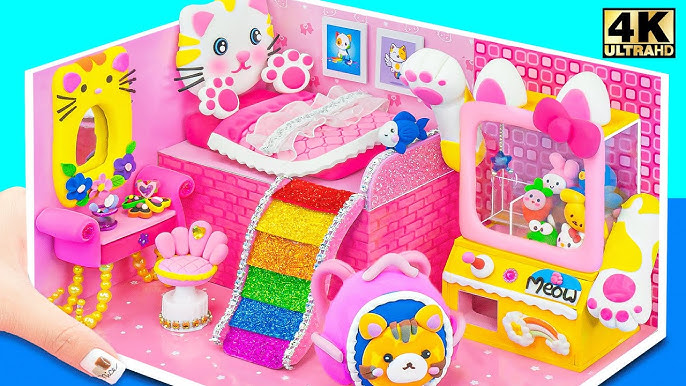
Are you looking for a fun and affordable way to spoil your cat? Imagine giving your furry friend a cozy hideaway that you made yourself.
Making a DIY cat toy house is easier than you think, and your cat will love having a special place to play and relax. In this guide, you’ll discover simple steps and clever tips to create a toy house that suits your cat’s personality and keeps them entertained for hours.
Ready to make your cat’s day? Let’s get started!

Credit: www.youtube.com
Choosing Materials
Choosing the right materials is key to making a DIY cat toy house that lasts and keeps your feline friend safe. The materials you pick affect not only the durability of the house but also how comfortable and secure your cat feels inside. Let’s look at options that balance safety, durability, and budget.
Safe And Durable Options
Safety should be your top priority. Avoid materials that could splinter, break easily, or contain harmful chemicals. Natural wood, like pine or plywood, offers strength and a smooth finish if sanded well. It’s sturdy enough to handle your cat’s playful jumps and scratches.
Non-toxic paint or sealants protect the wood and ensure no harmful fumes or substances harm your pet. Cardboard can work but only if it’s thick and free from sharp edges or staples. Fabric-covered foam or soft cushions provide comfort without risk.
Budget-friendly Choices
Creating a cozy spot for your cat doesn’t have to be expensive. Cardboard boxes from around your house make excellent bases—they’re lightweight and easy to cut. You can reinforce them with tape or glue for extra durability.
Old blankets or towels add softness without extra cost. Look for scrap wood or pallets, often available free or cheap, but be sure to clean and smooth them before use. Small thrift store finds like baskets can also serve as a sturdy frame with minimal investment.
Designing The House
Designing your DIY cat toy house is where creativity meets your cat’s comfort. This step shapes how inviting and functional the house will be for your feline friend. Thinking carefully about size and features ensures your cat will love spending time in their new space.
Selecting The Right Size
Your cat’s size and personality should guide the dimensions of the house. A cramped space may discourage your cat from exploring, while an overly large house can feel unsafe or overwhelming.
Measure your cat from nose to tail and consider their favorite sleeping positions. A cozy nook where they can curl up snugly is usually best.
Don’t forget to leave enough room for toys or scratching posts if you plan to add those. Have you noticed how your cat likes to stretch or hide? Use those habits to choose a size that fits their lifestyle.
Incorporating Cat-friendly Features
Think about what your cat enjoys most. Do they love to climb, scratch, or observe from a high perch? Adding ramps, scratching pads, or windows can make the house more engaging.
- Soft bedding:Adds comfort and warmth.
- Multiple entrances:Makes the space feel safe with escape routes.
- Ventilation holes:Keeps air fresh inside the house.
- Interactive elements:Small dangling toys or tunnels encourage play.
Try to use materials that are safe and easy to clean. Your cat will appreciate a space that feels personal and stimulating. What features does your cat respond to the most at home?
Building The Structure
Start by choosing sturdy materials like cardboard or wood for a safe cat toy house. Cut pieces to fit together, then secure them with glue or tape to form the basic shape. Ensure openings are large enough for your cat to enter and explore comfortably.
Building a DIY cat toy house can be a rewarding project. Creating a cozy space for your feline friend is exciting. Start with a solid plan for the structure. Focus on stability and safety to ensure your cat enjoys its new home.Cutting And Assembling Parts
Begin by gathering materials like cardboard or wood. Use a saw or a utility knife for cutting. Measure twice before cutting to ensure accuracy. Cut out panels for walls, floors, and ceilings. Assemble the parts using glue or nails. Ensure all parts fit snugly. This prevents any wobbling or gaps.Ensuring Stability And Safety
Check that the structure stands firmly. Add extra support if needed. Use brackets or additional panels to reinforce. Ensure there are no sharp edges or nails exposed. Sand down any rough surfaces to avoid injuries. Make sure it’s sturdy enough for your cat’s activities. Test its stability by gently shaking the structure. If it stands firm, it’s ready for your cat’s playtime.Adding Comfort And Fun
Adding comfort and fun to your DIY cat toy house transforms it from a simple shelter into a cozy playground your cat will love. Cats are naturally curious and love to explore new textures and interactive features. Making sure your cat’s toy house is both comfortable and engaging encourages them to spend more time inside, reducing boredom and promoting healthy play.
Soft Bedding Ideas
Comfort starts with soft bedding that makes your cat feel safe and warm. Use materials that are easy to clean but still plush, like fleece blankets or memory foam pads. You can even recycle old sweaters or towels to create a snug sleeping spot.
Consider layering different textures to see what your cat prefers. Some cats love the softness of faux fur, while others like a cooler cotton surface. Try switching bedding materials occasionally to keep things fresh and interesting for your feline friend.
Have you noticed your cat curling up in a specific spot? Mimic that softness inside the toy house for instant appeal. Adding a small pillow or a rolled-up blanket can also make the space inviting without much effort.
Interactive Elements
Interactive parts make the cat toy house a source of endless fun. Attach dangling toys like feathers or bells that move with the slightest touch. This stimulates your cat’s hunting instincts and keeps them entertained for hours.
Adding tunnels or hidden compartments can turn the house into an exciting maze. Cats love to peek out and pounce, so think about creating small openings or flaps that encourage exploration. You might even attach a scratching pad on the side to combine play and grooming.
Have you tried placing treat puzzles inside? It’s a great way to keep your cat mentally sharp while they explore the house. Simple DIY puzzles made from cardboard or small boxes can be integrated easily and refreshed regularly to maintain interest.
Personalizing The Toy House
Personalizing the toy house makes it more than just a play area for your cat. It transforms the space into a cozy, inviting spot that feels uniquely theirs. Adding your own touch can enhance your cat’s interest and comfort, turning the toy house into their favorite hangout.
Decorating Tips
Use safe, non-toxic paints or markers to add color and patterns that match your home or your cat’s personality. Stickers or fabric scraps can bring texture and visual appeal without much effort.
Think about adding small pillows or soft blankets inside for comfort. Cats love cozy spots, so choosing fabrics that are soft and easy to clean is key.
- Use removable decorations to change the look whenever you want.
- Include hanging toys or feathers on strings to add playful elements.
- Place the house near a sunny window or your favorite spot to encourage use.
Customizing For Your Cat’s Preferences
Observe how your cat plays and rests to tailor the toy house to their habits. Do they prefer climbing or hiding? Add ramps, platforms, or cozy cubbies accordingly.
Consider your cat’s favorite toys or scents. Tucking in a few familiar toys or sprinkling a little catnip inside can make the toy house irresistible.
Think about your cat’s size and activity level. A small kitten might enjoy a snug, enclosed space, while a larger or more active cat may want more room to stretch or jump.
What unique quirks does your cat have? Do they like watching birds or need a quiet retreat? Personalizing these details can make a big difference in how much they enjoy their new toy house.

Credit: www.youtube.com
Maintenance And Cleaning
Keeping your DIY cat toy house clean and well-maintained is key to ensuring your feline friend stays happy and healthy. Cats are sensitive to smells and dirt, so regular cleaning can prevent unwanted odors and keep the materials in good shape. Plus, a tidy cat house invites your pet to use it more often, making all your hard work truly worthwhile.
Easy Cleaning Methods
Start by removing any loose debris like fur, feathers, or bits of stuffing. Use a handheld vacuum or a lint roller to pick up hair quickly from fabric surfaces. Wipe down hard surfaces, such as wood or plastic, with a damp cloth and mild soap to avoid any harmful residues.
If your cat house has removable cushions or fabric covers, wash them in cold water with a gentle detergent. Air dry to keep the fabric from shrinking or losing shape. For tough stains, a mixture of baking soda and water works well as a natural cleaner without harsh chemicals.
Tips For Longevity
Inspect your cat toy house weekly for any damage like loose threads, splinters, or broken parts. Repair small tears or scratches promptly to prevent them from getting worse. Reinforcing corners with extra glue or tape can keep the structure sturdy and safe for your cat.
Consider rotating toys and cushions inside the house to reduce wear and tear in one spot. Avoid placing the house in direct sunlight or damp areas to prevent fading and mold growth. Have you noticed how a little upkeep can extend the life of your cat’s favorite hangout? It really pays off.
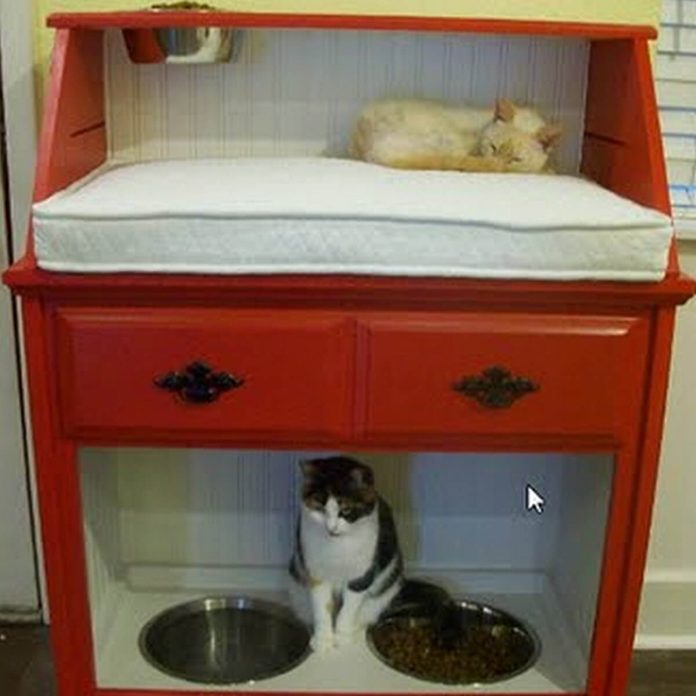
Credit: www.familyhandyman.com
Frequently Asked Questions
What Materials Are Needed For A Diy Cat Toy House?
You need cardboard, scissors, non-toxic glue, fabric scraps, and cat-safe paint. Optional items include string, feathers, and bells for added fun.
How Long Does It Take To Make A Cat Toy House?
Creating a DIY cat toy house typically takes 1 to 2 hours. Time varies based on design complexity and drying time for glue or paint.
Is It Safe To Use Household Items For Cat Toys?
Yes, but ensure all materials are non-toxic and safe for cats. Avoid small parts that could be swallowed or cause choking hazards.
How Can I Make The Cat Toy House More Engaging?
Add interactive elements like dangling feathers, scratch pads, or hidden treats. These features keep your cat entertained and encourage play.
Conclusion
Building a DIY cat toy house brings joy to both you and your pet. It saves money and provides a fun project to try. Your cat will love having a special place to play and rest. Use safe materials and keep your cat’s comfort in mind.
Small steps can create a big difference in your cat’s happiness. Start with simple designs and add new features over time. Enjoy watching your cat explore and enjoy the new toy house you made. This project strengthens your bond and keeps your cat active.


Leave a Reply