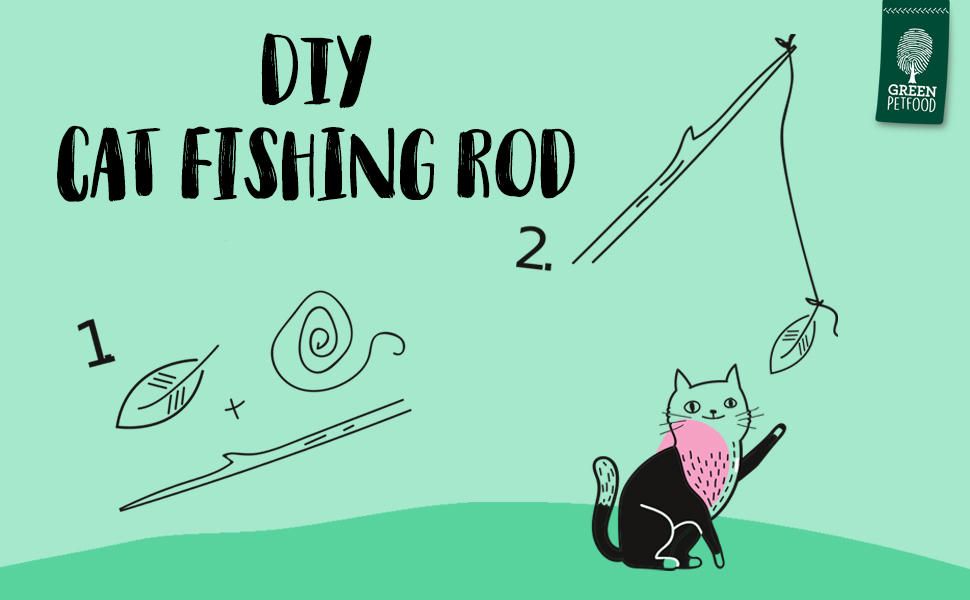
If you want to keep your cat entertained and happy without spending a lot of money, making your own wood dowel cat toy is a perfect solution. You’ll be surprised how simple it is to create a safe, fun toy that your furry friend will love chasing and batting around.
Plus, by crafting it yourself, you can customize the toy to fit your cat’s personality and play style. Keep reading, and you’ll discover step-by-step how to make this engaging toy that will keep your cat busy for hours.
Credit: www.petscare.com
Materials Needed
Gathering the right materials is key to making a safe and fun wood dowel cat toy. This section covers the basics you will need to start your project. Quality materials ensure durability and keep your cat interested in the toy.
Choosing The Right Wood Dowels
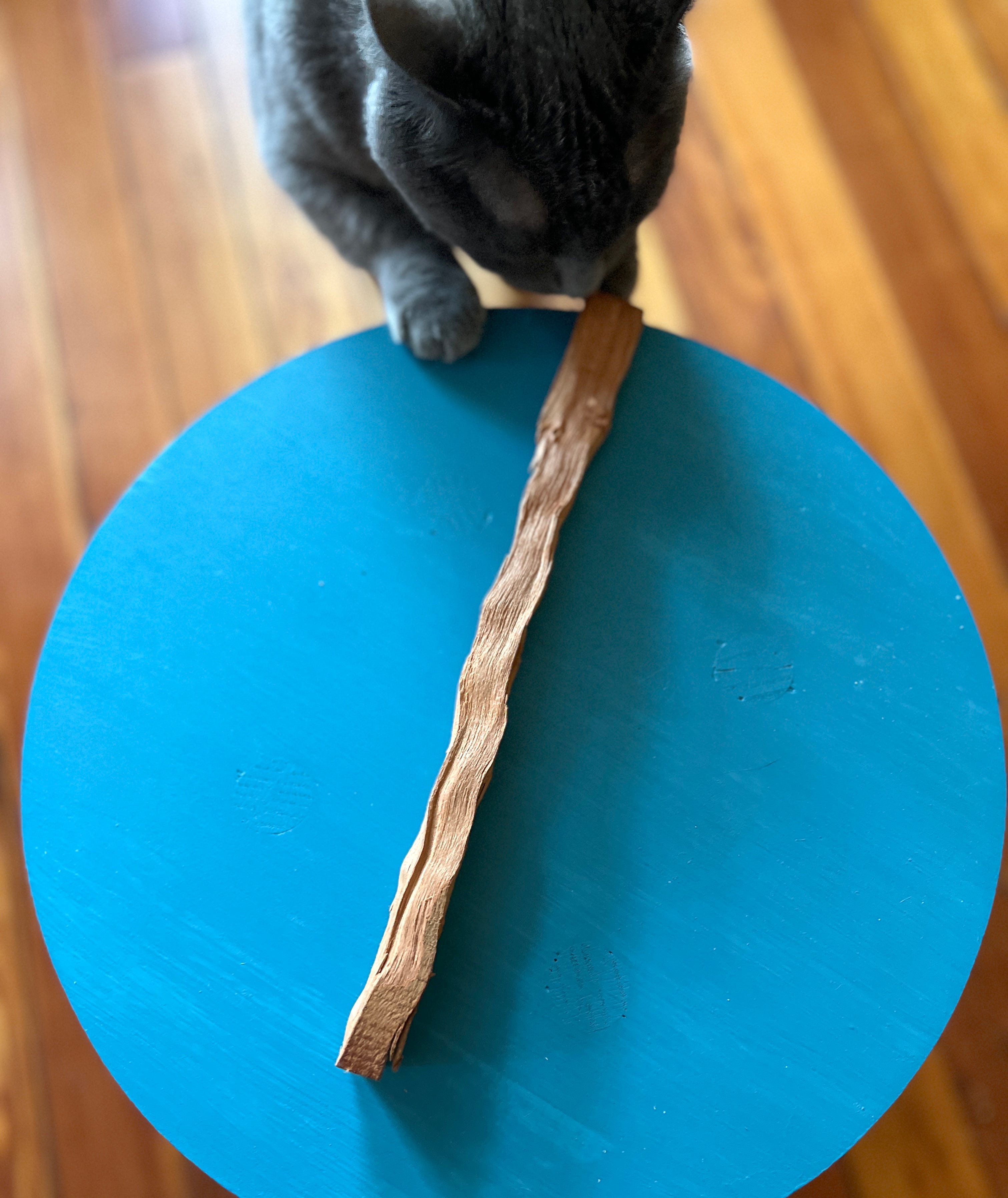
Pick wood dowels that are smooth and free of splinters. Soft woods like pine or basswood work well. Avoid treated or painted dowels to keep the toy safe. The diameter should be easy for your cat to grab but not too small to swallow. Length can vary, but 6 to 8 inches is a good size for play.
Additional Supplies
- Non-toxic wood glue for assembling parts
- Sandpaper to smooth any rough edges
- Natural cotton string or yarn for attaching feathers or bells
- Small bells or feathers to add sound and movement
- Scissors to cut string or yarn
- Drill or awl to make holes in the dowel
Preparing The Wood Dowels
Preparing the wood dowels is a crucial step in creating a safe and enjoyable cat toy. The right preparation ensures the dowels are the perfect size and smooth enough for your cat to play with without risk of splinters or injury. Let’s break down how to get your dowels ready.
Cutting To Size
Start by deciding how long you want each dowel piece to be. Typically, 4 to 6 inches works well for a cat toy—long enough to bat around but short enough to handle easily.
Use a fine-tooth saw for a clean cut. This prevents rough edges that could hurt your cat or cause the wood to splinter.
Measure twice before cutting to avoid waste. Have you ever cut a piece too short and wished you had an extra inch? Taking your time here saves you from those little frustrations.
Sanding Edges Smooth
After cutting, the edges will likely feel rough. Sanding these edges smooth is essential to protect your cat’s paws and mouth.
Use medium-grit sandpaper first to remove any splinters, then finish with fine-grit for a silky touch. Running your fingers over the edges as you sand helps you feel any rough spots you might miss visually.
Don’t forget to sand the entire surface lightly. Cats love to chew and scratch, so a smooth surface keeps the toy safe and more enjoyable.
Adding Play Elements
Including feathers, bells, or small balls makes the toy more fun and interesting for cats. These elements encourage playful behavior and keep cats engaged longer. Simple additions create a lively and interactive experience.
Adding play elements to your wood dowel cat toy can transform a simple stick into an engaging and stimulating plaything for your feline friend. Cats are naturally curious and love toys that challenge their instincts. By adding a few interactive features, you can create a toy that captivates your cat’s attention and encourages them to play for hours.Attaching Feathers And Bells
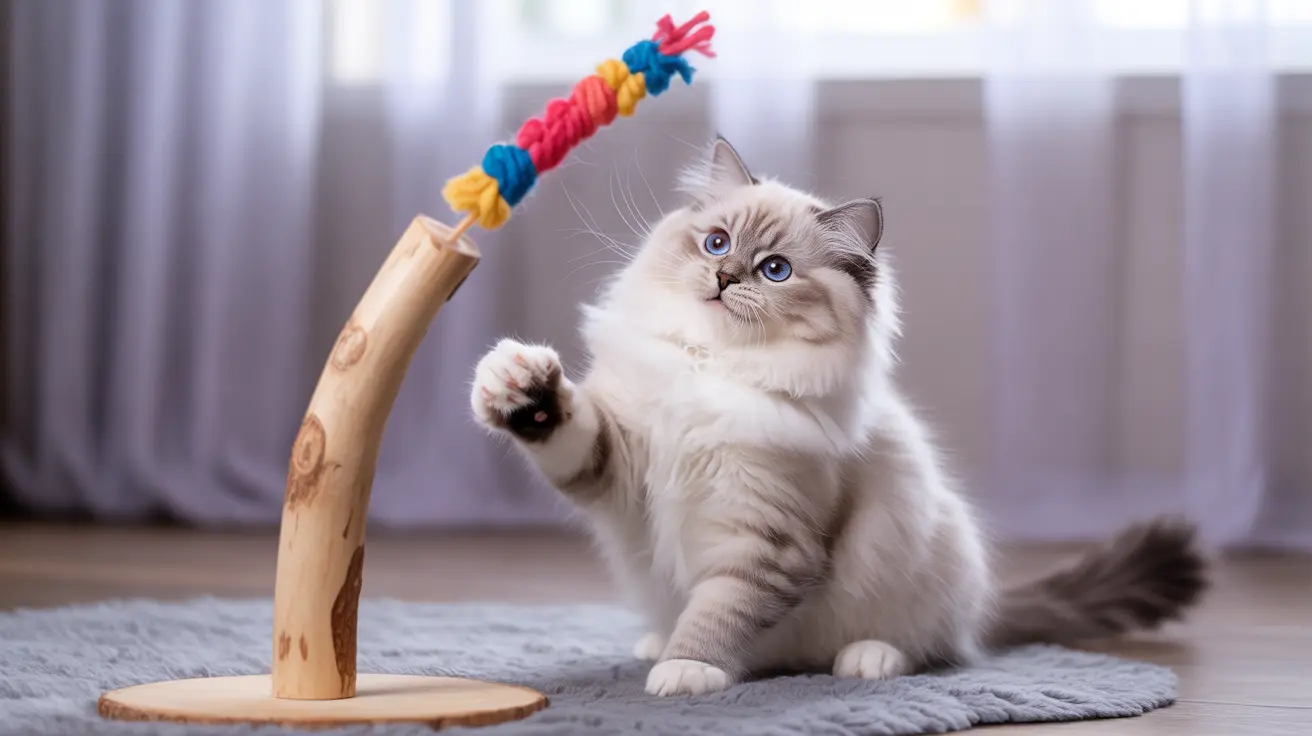
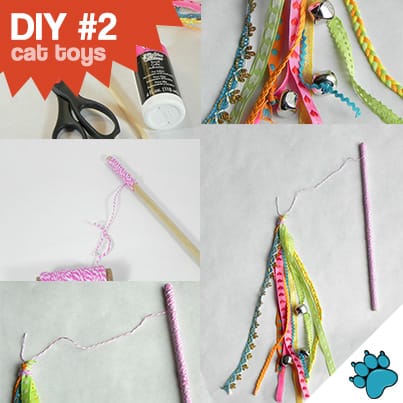
Attaching feathers and bells can turn an ordinary dowel into an irresistible cat magnet. Feathers mimic the movement of birds, triggering your cat’s hunting instincts. Secure a cluster of colorful feathers to one end of the dowel using non-toxic glue or strong thread. Bells add an auditory element that cats find fascinating. Tie a small bell near the feathers so it jingles with every swipe. This combination keeps your cat entertained, providing both visual and auditory stimulation.Incorporating Catnip
Catnip can take your wood dowel cat toy to the next level of fun. Cats often go wild for this herb, making it a perfect addition to your toy. You can sprinkle dried catnip on the feathers or attach a small fabric pouch filled with catnip to the dowel. Ensure the pouch is securely fastened so your cat can’t tear it open. Watch as your feline friend rolls, pounces, and plays with renewed enthusiasm. Have you noticed how catnip can change your cat’s demeanor? It’s a simple way to add excitement to playtime.Assembling The Toy
Putting your wood dowel cat toy together is where all the fun begins. This step brings your project from separate pieces into a playful whole your cat will love. Taking care during assembly ensures the toy is sturdy and safe for endless batting and chasing sessions.
Securing Parts Together
Start by selecting a strong, non-toxic glue or wood-safe adhesive to connect the dowel pieces and any attached parts like feathers or bells. Avoid using super glue that can become brittle or toxic once dried. Instead, wood glue or a hot glue gun works well for quick, reliable bonds.
Clamp or hold the pieces firmly for at least a minute to allow the glue to set properly. If your toy includes string or fabric, tie knots tightly and consider adding a small dab of glue on the knots to prevent unraveling. Ask yourself—will these connections hold up to your cat’s sharp claws and energetic play?
Ensuring Safety
Check every joint and attachment for sharp edges or loose parts that could hurt your cat or cause choking. Sand down any rough spots on the wood to keep the toy smooth and gentle on paws and mouths. Loose feathers or beads should be firmly secured or avoided if your cat tends to swallow small items.
Test the toy by gently pulling on each part to make sure nothing comes off easily. Your cat’s safety depends on your attention to these details. Would you feel comfortable giving this toy to a curious kitten? If the answer is yes, your toy is ready for some serious playtime.
Customizing Your Cat Toy
Customizing your wood dowel cat toy makes playtime more fun. It also helps match your home’s style. Personal touches can keep your cat interested longer. Use simple materials to decorate and personalize the toy. This way, it feels special for your furry friend.
Painting And Decorating
Choose non-toxic paint safe for pets. Bright colors catch your cat’s eye quickly. Use small brushes to add patterns or shapes. Let the paint dry fully before giving the toy to your cat.
Decorate with:
- Dots or stripes for a playful look
- Soft fabric strips tied to one end
- Light feathers for added texture
A clean finish lasts longer and looks neat. Avoid tiny parts your cat could swallow. Keep decorations simple and secure.
Personalizing For Your Cat
Think about your cat’s favorite colors and toys. Add small bells if your cat likes sounds. Attach a bit of catnip for extra attraction.
Observe your cat’s play habits. If your cat loves chasing, add a string to dangle. If your cat prefers batting, make the toy light and easy to move.
Use your cat’s name with paint or a tag. This makes the toy feel unique and special. Personal touches build a stronger bond with your pet.
Credit: pethero.co.za
Tips For Engaging Play
Keeping your cat interested in a wood dowel toy takes some care. Cats get bored quickly. The key is to make playtime fun and varied. This section helps you make your cat love the new toy.
Introducing The Toy
Let your cat discover the toy at its own pace. Place it near their favorite resting spot. Let them sniff and paw it gently. Avoid forcing interaction. This builds curiosity and trust.
Encouraging Active Use
- Move the dowel slowly on the floor to mimic prey.
- Use short bursts of motion to catch their attention.
- Hide the toy behind furniture to spark hunting instincts.
- Combine the toy with treats for positive feedback.
- Switch play locations to keep the experience fresh.
Maintenance And Care
Proper maintenance and care extend the life of your wood dowel cat toy. Regular attention keeps the toy safe and fun for your cat. Neglect can lead to damage or hygiene issues. Follow simple steps to maintain the toy’s quality and appearance.
Cleaning The Toy
Clean the toy often to remove dirt and saliva. Use a damp cloth with mild soap to wipe the wood dowel. Avoid soaking the wood to prevent swelling and cracking. Rinse the cloth and wipe again to remove soap residue. Let the toy dry completely before giving it back to your cat.
Replacing Worn Parts
Check the toy for signs of wear like splinters or loose pieces. Replace damaged wood dowels to avoid injury. Use sandpaper to smooth rough edges. Tighten or replace any attachments like strings or feathers. Regular checks keep the toy safe and enjoyable for your pet.
Credit: theanarchistsapprentice.substack.com
Frequently Asked Questions
What Materials Are Needed For A Wood Dowel Cat Toy?
You need a wood dowel, non-toxic paint, string, feathers, and glue. These materials are safe for cats and easy to find. Using natural and non-toxic items ensures your cat’s safety during play.
How Do You Safely Attach Feathers To A Wood Dowel?
Use non-toxic glue to secure feathers firmly to the dowel’s end. Avoid sharp or loose parts to prevent choking hazards. Let the glue dry completely before giving it to your cat.
How Long Does It Take To Make A Wood Dowel Cat Toy?
It usually takes about 15 to 30 minutes to make the toy. Drying time for glue or paint may extend the total time. This quick project is perfect for a fun DIY break.
Can I Customize The Wood Dowel Cat Toy?
Yes, you can paint the dowel or add colorful feathers and bells. Customizing makes the toy more attractive and engaging for your cat. Use pet-safe materials to ensure safety.
Conclusion
Making a wood dowel cat toy is simple and fun. It uses basic materials you can find easily. You create a safe and playful toy your cat will enjoy. This project saves money and offers a personal touch. Cats love toys they can chase and bat around.
Try different shapes and colors for variety. Your cat gets exercise and stays happy. Start crafting today and see your cat’s excitement grow. A homemade toy brings joy to both you and your pet.

Leave a Reply