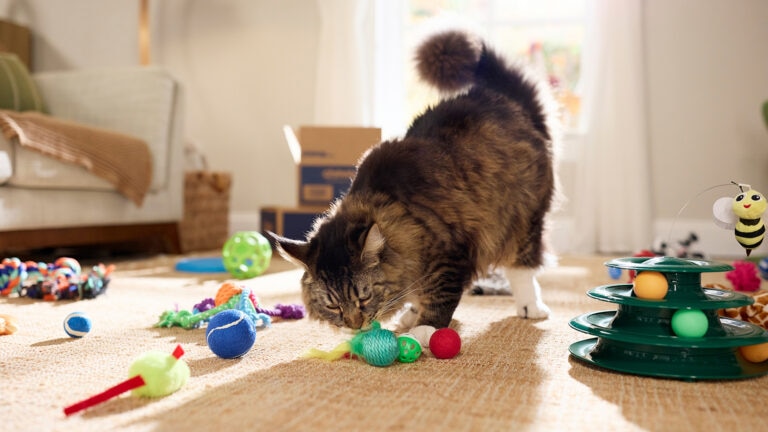
Have you ever noticed how your cat suddenly becomes interested the moment you pick up a toy, but ignores the same toy when it’s just lying around? It’s a puzzling behavior that many cat owners experience.
You might wonder why your furry friend only pays attention to toys you hold and not the ones left on the floor. Understanding this can change the way you play with your cat and deepen your bond. Keep reading to discover the surprising reasons behind this curious habit and how you can use it to make playtime more exciting for both you and your cat.
Cat Play Instincts
Cats have strong play instincts tied to their wild ancestors. Play helps cats practice hunting skills. Toys that move in your hand mimic real prey. This sparks a cat’s natural curiosity and excitement.
Understanding these instincts explains why cats prefer toys you hold. They respond to signals that resemble live animals. This makes playtime more engaging and satisfying for your feline friend.
Hunting Behavior In Cats
Cats are natural hunters. Even indoor cats keep hunting instincts. They stalk, pounce, and chase during play. Toys held by humans move unpredictably. This mimics hunting small animals. Cats focus on the toy as prey.
Static toys lack this challenge. They do not trigger hunting actions. Cats lose interest quickly in still objects. Movement invites a cat to practice its skills.
Movement Triggers Attention
Movement catches a cat’s eye instantly. Quick, small motions are especially enticing. Your hand makes toys move in different ways.
- Wiggling
- Jumping
- Sliding
This variety keeps cats alert and curious. Cats rely on sight to spot prey. Moving toys simulate the behavior of insects or rodents. This triggers a strong desire to chase and catch.

Credit: www.yahoo.com
Role Of Human Interaction
Human interaction plays a crucial role in how cats engage with their environment, especially when it comes to toys. Cats are naturally social creatures, and their attention often shifts toward objects that involve you. This connection makes playtime more meaningful and stimulating for your feline friend.
Bonding Through Play
Playing with your cat is more than just fun; it strengthens your bond. When you hold a toy and move it, your cat recognizes your involvement and feels more connected. This shared activity builds trust and encourages your cat to see you as a play partner, not just a provider of food or shelter.
Have you noticed how your cat’s eyes lock onto the toy only when you’re holding it? That’s because your presence adds excitement and anticipation. Your movements mimic prey behavior, which triggers your cat’s hunting instincts, making the interaction irresistible.
Toys As Extensions Of You
When you hold a toy, it becomes an extension of your body in your cat’s eyes. This creates a direct line of communication between you and your pet. Your cat isn’t just chasing a random object; they’re responding to your gestures and energy.
- Your hand guiding the toy adds unpredictability, keeping your cat alert.
- The way you move the toy can signal invitation or challenge, engaging your cat’s curiosity.
- Physical contact with the toy you hold often feels more interactive than stationary toys.
Think about how your cat reacts differently to a ball rolling on its own versus a wand toy you control. This shows the power of human involvement in their play. By holding the toy, you create a dynamic experience that satisfies your cat’s natural instincts and deepens your relationship.
Why Static Toys Fail
Cats focus on toys you hold because they mimic real prey movement. Static toys lack this motion, making them less interesting and easy to ignore. Movement triggers a cat’s natural hunting instincts, keeping their attention sharp and playful.
Cats often ignore static toys, leaving them untouched. The lack of interaction bores them. Toys that don’t move fail to capture their attention. Cats are natural hunters. They love to chase and pounce. Static toys do not meet these instincts. Let’s explore why static toys don’t work.Lack Of Movement And Response
Cats thrive on movement. A toy that sits still is not exciting. Movement mimics prey. Cats need that challenge. Static toys do not provide this stimulation. They offer no chase or thrill. Without movement, cats lose interest quickly. Toys must move to engage them.Scent And Familiarity Factors
Cats rely on scent. A static toy lacks a familiar scent. It does not engage their sense of smell. Cats prefer toys that carry a known scent. New toys may seem foreign. Without scent familiarity, they often ignore them. Engaging a cat’s senses is key.How To Engage Your Cat
Engaging your cat goes beyond just tossing a toy on the floor. Cats are hunters by nature, and their attention spikes when they see movement that mimics prey. Understanding how to capture this instinct can make playtime more exciting and meaningful for both you and your furry friend.
Using Interactive Toys
Interactive toys are designed to involve you in your cat’s play. Toys like feather wands, laser pointers, and string toys require your active participation. This interaction keeps your cat focused because they associate the toy’s movement with your involvement.
Try moving the toy unpredictably to catch your cat’s eye. Notice how your cat reacts more intensely when you control the toy compared to when it lies still. This engagement creates a fun, shared experience that strengthens your bond.
Mimicking Prey Movements
Cats are natural predators, and they respond best to motions that resemble real prey. Small, quick movements, sudden stops, and changes in direction trigger their hunting instincts. When you hold the toy, you can control these details perfectly.
Think about how a mouse or bird moves—darting and pausing unexpectedly. You can imitate this by flicking your wrist or dragging the toy slowly, then speeding it up suddenly. Your cat will stay engaged longer because the toy behaves like something worth chasing.
Benefits Of Interactive Play
Interactive play with your cat offers more than just fun—it brings real benefits to both of you. When you hold a toy and engage your cat, you spark a natural response that satisfies their instincts and needs. This kind of play supports their mental and physical health, while also deepening the connection you share.
Mental Stimulation
Cats are natural hunters, and their brains thrive on challenges. Interactive toys you control mimic the unpredictable movements of prey, keeping your cat’s mind sharp and alert. This mental workout helps prevent boredom, which can lead to unwanted behaviors like scratching furniture or excessive meowing.
Have you noticed how your cat’s eyes follow the toy closely? That focus is a sign their brain is fully engaged. Toys that move unpredictably require problem-solving skills and quick reflexes—exactly the kind of stimulation cats need every day.
Physical Exercise
Holding a toy encourages your cat to jump, chase, and pounce. These bursts of activity keep their muscles strong and joints flexible. Regular exercise also helps control weight, reducing the risk of obesity-related health problems.
Think about your cat’s energy levels after a good play session—they’re often more relaxed and sleep soundly. This physical exertion not only burns calories but also helps relieve stress and anxiety.
Strengthening Your Bond
When you hold the toy, your cat sees you as part of the fun. This shared activity builds trust and affection between you. The more you play together, the more your cat associates you with positive experiences.
Have you ever noticed your cat rubbing against you or purring louder after playtime? These are signs your bond is growing stronger. Interactive play turns you into your cat’s favorite playmate and companion.

Credit: www.goodhousekeeping.com
Credit: www.youtube.com
Frequently Asked Questions
Why Do Cats Prefer Toys I Hold Over Others?
Cats respond to movement and interaction. Toys you hold mimic prey behavior. Your hand movements engage their hunting instincts better than stationary toys.
How Does Human Interaction Affect Cat Play?
Cats enjoy social play. Your presence and interaction stimulate their interest. They feel more engaged and excited when you control the toy.
Do Cats See Handheld Toys As Prey?
Yes, handheld toys mimic prey’s unpredictable movements. This triggers a cat’s natural hunting drive. Stationary toys lack this dynamic element.
Can Cats Get Bored With Unattended Toys?
Yes, cats lose interest in toys without interaction. They prefer toys that move and respond to them. Active play keeps them mentally stimulated.
Conclusion
Cats notice toys you hold because they see movement clearly. Your hand controls the toy’s speed and direction. This makes playtime more exciting for them. They also trust your hand and feel safer. Cats like interaction, not just the toy itself.
Playing together builds a strong bond between you and your cat. Try moving toys slowly, then faster, to keep their interest. Understanding this helps you enjoy better play sessions. Keep your cat happy by joining their playful world. Simple actions bring big joy to your furry friend.



Leave a Reply