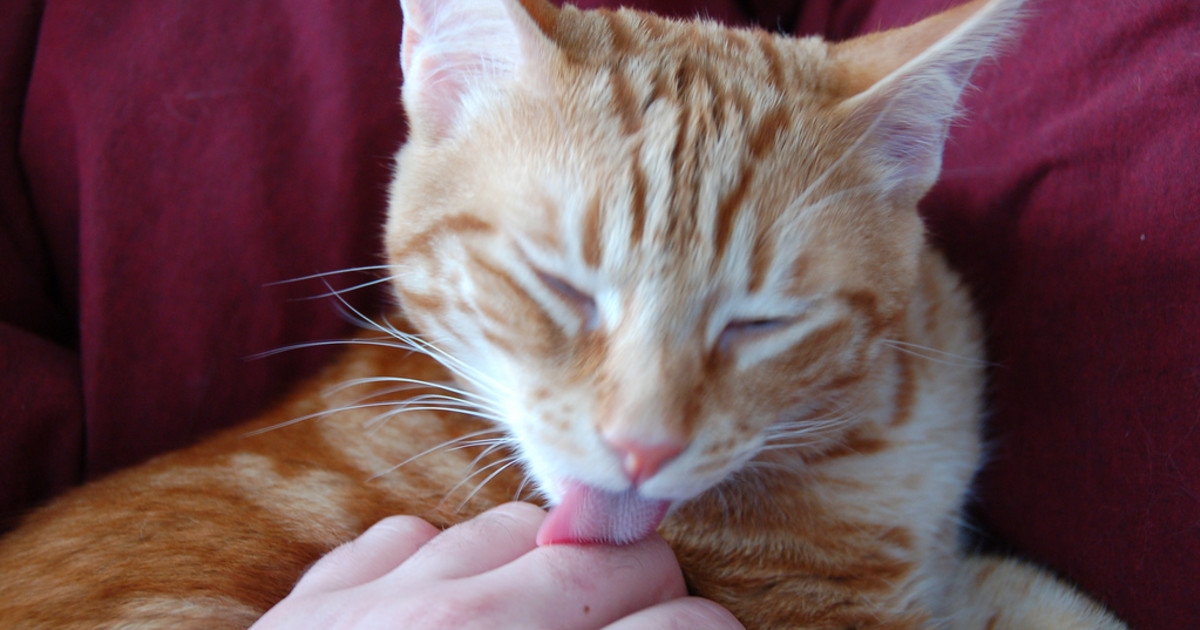
Have you ever watched your cat grooming itself and wondered, “Why does my cat keep grooming so much?” It might seem normal at first, but when your furry friend spends endless hours licking and cleaning, it can make you worry. Is it just a habit, or is there something more behind this behavior?
Understanding why your cat grooms can help you keep them happy and healthy. Keep reading to discover the surprising reasons behind your cat’s constant grooming—and what you can do about it.
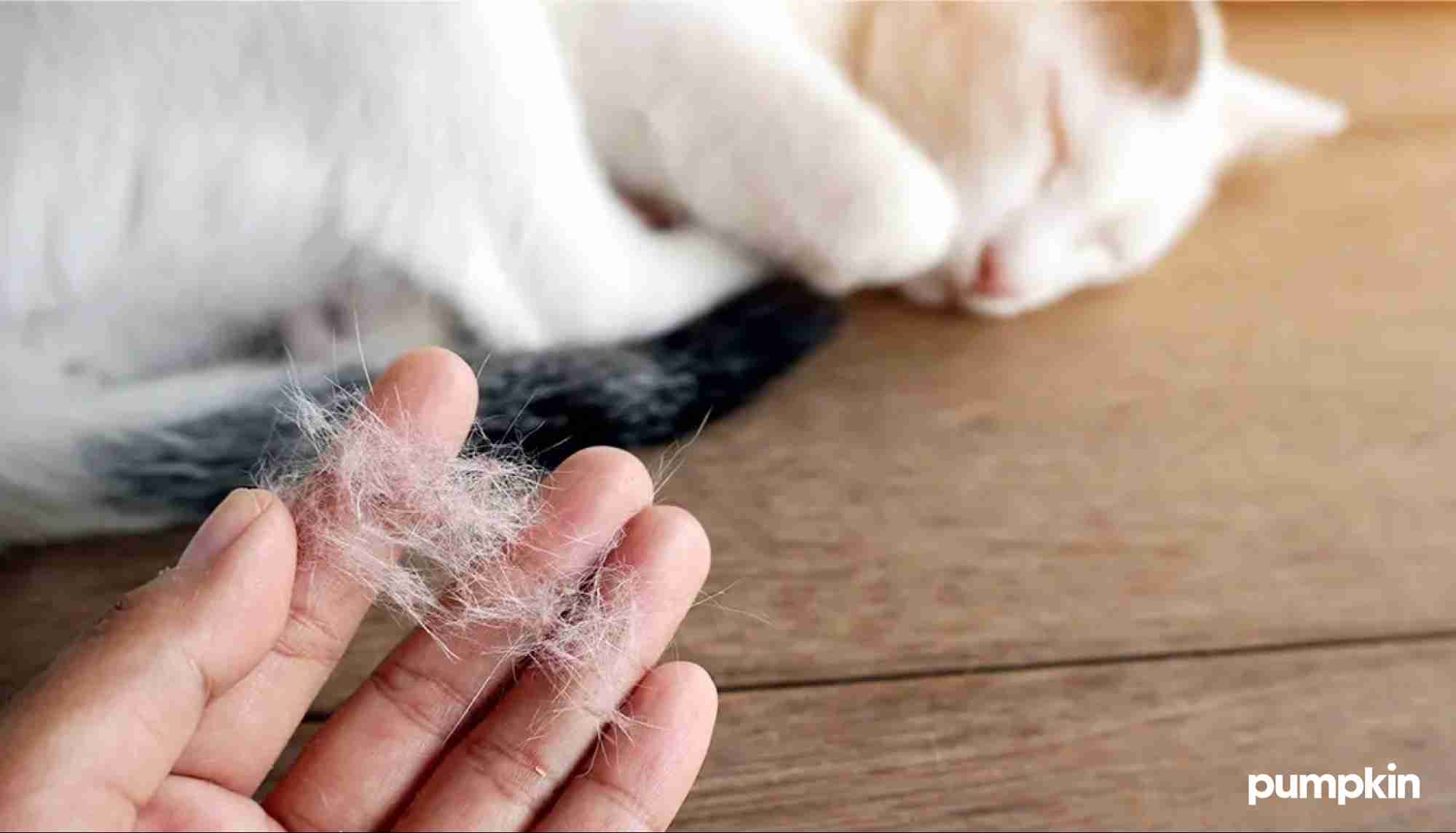
Credit: www.pumpkin.care
Normal Grooming Habits
Cats spend a lot of time grooming themselves. This behavior is a normal part of their daily life. Grooming helps cats stay clean and healthy. It is more than just keeping their fur neat. Understanding normal grooming habits can help you know what is usual and when to worry.
Daily Grooming Routine
Cats groom several times a day. They lick their fur using their rough tongues. This removes dirt and loose hair. Grooming also spreads natural oils across their coat. These oils keep the fur soft and shiny.
Most cats spend 30% to 50% of their awake time grooming. They clean their face, ears, and legs carefully. Grooming helps cats cool down in warm weather. It also relaxes them after activity or stress.
Benefits Of Grooming
- Keeps skin and fur clean and healthy
- Removes parasites like fleas
- Reduces shedding by removing dead hair
- Helps regulate body temperature
- Strengthens the bond with other cats through mutual grooming
- Calms and reduces anxiety in stressful situations
Grooming is a natural way for cats to care for themselves. It is a sign of comfort and well-being. Watching your cat groom can also help you spot any health issues early.
Stress And Anxiety
Stress and anxiety can make your cat groom more than usual. Just like people bite their nails or pace when nervous, cats use grooming as a way to calm themselves down. Understanding why your cat grooms excessively helps you support their emotional health better.
Signs Of Stress In Cats
You might notice your cat acting differently before the grooming spree starts. Watch for these common signs of stress:
- Hiding more than usual or avoiding interaction
- Aggression or irritability when touched
- Changes in appetite or litter box habits
- Restlessness or pacing around the room
- Vocalizing more or less than normal
Spotting these behaviors early can help you catch stress before it leads to over-grooming. Have you noticed any sudden changes in your cat’s routine or environment that might trigger anxiety?
How Grooming Relieves Anxiety
Grooming releases endorphins that soothe your cat’s nerves. When your cat licks or cleans itself, it’s a self-made comfort tool to handle stress.
This behavior reduces tension and makes your cat feel more in control. However, too much grooming can lead to bald spots or skin irritation.
Try providing a quiet space or interactive toys to distract your cat. Sometimes, simple changes like playing soft music or using calming pheromone sprays can ease their anxiety and reduce grooming urges.
Skin Issues And Allergies
Cats often groom themselves to maintain cleanliness. Excessive grooming, though, might indicate skin issues and allergies. These problems can cause discomfort, prompting your cat to groom more frequently. Understanding these underlying issues is vital for your cat’s health.
Common Skin Problems
Skin problems in cats can arise from various causes. Fleas are a common culprit, leaving itchy bites on your cat’s skin. Mites and ticks can also irritate the skin, causing persistent itching. Fungal infections, like ringworm, lead to patchy hair loss and scaly skin. Bacterial infections can cause redness and oozing sores. Each of these issues can increase your cat’s grooming habits. Prompt identification and treatment can ease discomfort.
Allergic Reactions Triggering Grooming
Allergies might be another reason for excessive grooming. Cats can be allergic to food ingredients or environmental factors. Common allergens include pollen, dust, and certain fabrics. Allergies lead to itchy skin, causing your cat to groom more. Even certain grooming products may trigger allergic reactions. Identifying the allergen is key to reducing your cat’s discomfort. Consulting a vet can help pinpoint the cause and find suitable solutions.

Credit: www.angiesmobilepetstyling.com
Parasites And Infections
Parasites and infections can cause your cat to groom excessively. These issues irritate the skin and make your cat uncomfortable. Cats try to relieve the discomfort by licking or scratching more than usual. Recognizing these causes helps protect your cat’s health and comfort.
Fleas And Mites
Fleas and mites are common parasites that bother cats. Fleas bite the skin, causing itching and redness. Mites burrow into the skin or ear canals, leading to irritation and inflammation. Both parasites can spread quickly and cause severe itching. Your cat may groom obsessively to soothe the itching caused by these pests.
Impact On Grooming Behavior
Parasites and infections often change how a cat grooms. Instead of normal grooming, your cat may focus on one spot. This behavior can cause hair loss and skin sores. Over-grooming can worsen skin problems and lead to infections. Watching your cat’s grooming habits helps spot these problems early. Prompt treatment reduces discomfort and skin damage.
Boredom And Attention Seeking
Cats often groom themselves more when they feel bored or want attention. Grooming can fill time and soothe anxiety. It also acts as a way to signal their needs to owners. Understanding these reasons helps in caring for your cat better.
Lack Of Stimulation
Cats need mental and physical activity every day. Without enough play or interaction, they may groom excessively. Grooming becomes a habit to pass time or reduce stress. Providing toys and playtime can reduce this behavior.
Grooming As A Behavior Signal
Sometimes grooming is a way to ask for attention. Your cat might want petting or playtime. Grooming near you or in your presence often means they seek your focus. Responding to these signs can strengthen your bond.
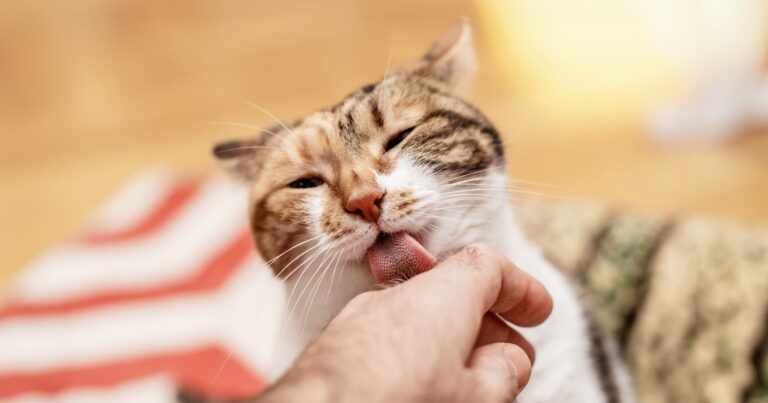
Credit: www.diamondpet.com
Medical Conditions
Cats groom themselves to stay clean and comfortable. But sometimes, excessive grooming signals a medical issue. Understanding these medical conditions can help you care for your cat better. Watch for changes in behavior or grooming habits that seem unusual. Medical problems often cause cats to groom more than normal.
Pain And Discomfort
Cats may lick or bite an area that hurts. This behavior helps them soothe pain or irritation. Joint pain, injuries, or skin problems often cause this reaction. If your cat grooms one spot repeatedly, it might be trying to ease discomfort. Persistent grooming at the same place can cause wounds or bald patches.
Underlying Health Issues
Several health problems can lead to over-grooming. Allergies, parasites, or infections often trigger this behavior. Hormonal imbalances or stress-related conditions also play a role. These issues make your cat feel itchy or uneasy. Watch for redness, swelling, or hair loss along with grooming. Veterinary care is essential to diagnose and treat these conditions properly.
When To Consult A Vet
Knowing when to consult a vet about your cat’s grooming habits can save your furry friend from unnecessary discomfort or serious health issues. Grooming is natural for cats, but excessive licking or scratching often signals underlying problems. Paying close attention to changes in behavior helps you decide if a professional check-up is needed.
Warning Signs To Watch
- Bald patches or hair loss:If your cat develops clear spots with missing fur, it’s a red flag.
- Red, inflamed, or scaly skin:These symptoms suggest irritation or infection.
- Persistent scratching or biting:When grooming turns into obsessive scratching, your cat may be in pain.
- Behavioral changes:Increased irritability or hiding might indicate discomfort.
- Presence of wounds or sores:Open skin can lead to infections and needs immediate attention.
Have you noticed your cat suddenly focusing on one spot for long periods? This behavior often means something deeper is wrong. Ignoring these signs can worsen the condition quickly.
Treatment Options
After a vet examines your cat, they’ll recommend treatment based on the cause. Skin allergies might require special shampoos or diet changes, while infections often need antibiotics or antifungal medications.
In cases of parasites like fleas or mites, your vet will suggest effective topical or oral treatments. Sometimes, behavioral causes like stress lead to over-grooming, and your vet may advise environmental changes or calming aids.
Remember, early intervention often means simpler treatment and faster recovery. What small changes can you make at home to reduce your cat’s stress and promote healing? Your vet’s guidance is key to tailoring the right approach for your cat’s unique needs.
Frequently Asked Questions
Why Does My Cat Groom Itself So Often?
Cats groom often to stay clean, remove loose fur, and regulate body temperature. It also helps reduce stress and mark their scent.
Can Excessive Grooming Indicate Health Problems?
Yes, excessive grooming can signal allergies, skin infections, or parasites. If grooming causes bald spots, consult a vet promptly.
How Does Grooming Affect My Cat’s Behavior?
Grooming calms cats and reduces anxiety. It also strengthens bonds when cats groom each other or their owners.
Is Grooming Important For A Cat’s Hygiene?
Absolutely. Grooming removes dirt, loose hair, and parasites, keeping cats clean and healthy.
Conclusion
Cats groom to stay clean and feel comfortable. Sometimes, grooming shows stress or health issues. Watch your cat’s behavior closely to spot changes. Regular vet visits help catch problems early. Give your cat a calm, safe space to relax. Understanding why your cat grooms helps you care better.
Small steps make a big difference in their happiness. Keep observing, and your cat will thank you with purrs.



Leave a Reply